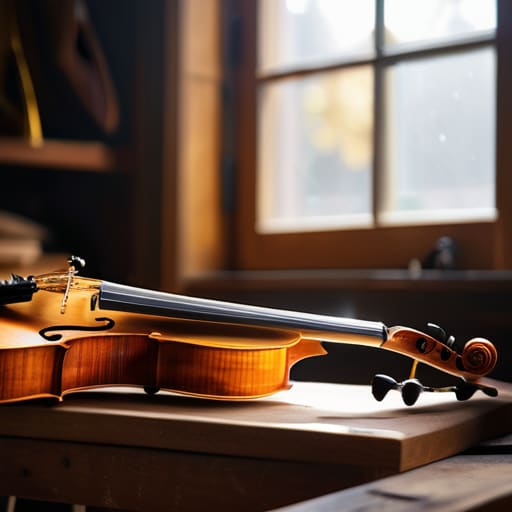
I remember sitting in a dim basement workshop back in the late seventies, the air thick with the scent of cedar shavings and lemon oil, watching a master luthier work on a bruised cello. He didn’t reach for the most expensive synthetic resins or the flashiest modern gadgets; he simply listened to the wood. It struck me then that so much of what we are told about musical instrument repair today is nothing more than expensive noise designed to separate a musician from their savings. We’ve been sold this idea that a broken instrument requires a high-tech overhaul, when in reality, most of the time, it just needs a steady hand and a deep respect for the history etched into the grain.
I’m not here to sell you on miracle cures or the latest overpriced boutique fixes. Instead, I want to share what I’ve gathered from decades of observing how things are actually built, broken, and mended. I promise to offer you honest, straightforward guidance on navigating the world of repairs without the industry fluff. We’ll focus on how to identify true craftsmanship, how to spot a technician who actually cares about the soul of your instrument, and how to ensure that your music continues to linger in the air long after the repair is done.
Table of Contents
Mastering Instrument Restoration Techniques for Timeless Resonance
There is a certain quiet dignity in the way a well-maintained instrument responds to a player’s touch. When I sit in a dimly lit club, watching a cellist coax a melody from a weathered instrument, I’m not just hearing notes; I’m hearing the result of careful stewardship. Achieving that level of clarity requires more than a quick fix; it demands a deep understanding of specialized instrument restoration techniques that respect the history of the object. Whether it is the delicate tension required for a proper string instrument setup or the intricate work of stabilizing aged varnish, the goal is always to honor the original maker’s intent while breathing new life into the wood and wire.
It is easy to overlook the small things until they become insurmountable problems. I’ve learned through years of observing both archives and artists that the most profound resonance often comes from the most meticulous attention to detail. Sometimes, that means seeking out professional music technician services to handle the heavy lifting, ensuring that every valve, key, and bridge is aligned with mathematical precision. It isn’t about making something look brand new; it is about ensuring the soul of the music isn’t lost to the friction of neglect.
The Gentle Grace of Professional Music Technician Services
There is a certain kind of heartache in seeing a beautiful instrument sit idle, gathering dust in a corner because its voice has grown thin or temperamental. I remember an old upright bass I once encountered in a basement archive; it was a magnificent piece of history, yet it had lost its ability to sing. This is where the true artistry of professional music technician services comes into play. It isn’t merely about fixing a mechanical failure; it is about understanding the temperament of the wood and the tension of the soul. A skilled technician doesn’t just patch a hole; they listen to what the instrument is trying to say.
Entrusting your gear to a specialist is an act of stewardship. Whether you require a meticulous string instrument setup to restore that perfect, honeyed resonance or a deep, restorative cleaning for a brass piece that has seen too many smoky club nights, these experts preserve the continuity of music. Taking the time for preventative instrument care is perhaps the greatest kindness you can show to your craft. It ensures that when the evening finally slows down and the lights dim, your instrument is ready to provide the melody that lingers.
The Small Gestures That Keep the Music Alive
- Treat your instrument like a living thing, not a piece of equipment. A gentle dusting with a soft cloth after a long evening of playing does more for its longevity than any heavy-duty cleaner ever could.
- Listen closely to the silence between the notes. If you notice a sudden dryness in the tone or a slight hesitation in a string’s vibration, don’t ignore it; those tiny whispers are often the first signs that something needs a steady hand.
- Respect the climate of your home. I’ve seen too many beautiful violins and guitars suffer because they were left too close to a radiator or in a drafty corner; wood has a memory, and it remembers the humidity of the room long after you’ve put the instrument away.
- Keep a small kit of the essentials, but know when to put the tools down. It’s fine to tighten a peg or clean a mouthpiece, but if a repair feels like it requires force, stop immediately. There is a fine line between maintenance and damage.
- Build a relationship with a craftsman you trust. Just as I rely on certain archives to preserve a city’s history, your instrument deserves a technician who understands its lineage and treats its restoration as a labor of respect rather than just a transaction.
Lessons from the Workbench
Treat your instrument not as a mere tool, but as a vessel for memory; proper maintenance ensures that the voice which carried you through your youth doesn’t fall silent when you need it most.
Understand that true restoration is a patient dialogue between the craftsman and the wood, requiring a steady hand and a respect for the original maker’s intent.
Seek out technicians who value the soul of the instrument over the speed of the repair, for a rushed fix can never replicate the warmth of a perfectly resonant tone.
## The Weight of a Silent Note
“An instrument isn’t just a collection of wood, wire, and lacquer; it is a vessel for memory. When a string snaps or a neck warps, it isn’t just the mechanics that fail—it is the bridge between the musician and the soul of the song. To repair an instrument is to perform a quiet act of preservation, ensuring that the melodies which define our lives don’t simply fade into the silence of a dusty case.”
Petra Lindgren
The Last Note Lingers
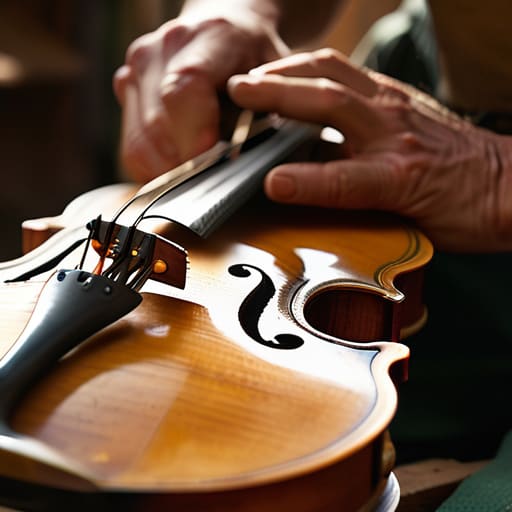
As we have explored, the journey of maintaining an instrument is far more than a mere matter of mechanical upkeep; it is an act of stewardship. Whether you are meticulously applying restoration techniques to bring a vintage woodwind back to life or deciding when to entrust your most precious violin to the steady, practiced hands of a professional technician, you are essentially preserving a voice. We have seen how the right care can bridge the gap between a silent relic and a living, breathing source of melody. By focusing on both the technical precision of the repair and the gentle grace required to handle such delicate history, we ensure that the integrity of the sound remains uncompromised for the next generation of players.
In the end, I find that we don’t just repair wood, metal, or string; we repair the connection between the musician and their medium. There is a profound, quiet dignity in taking the time to fix what is broken rather than simply discarding it for something new and shiny. I hope you take a moment to listen closely to your own instruments—to hear the subtle shifts in their character and the stories they might be trying to tell. Let us not rush toward the replacement, but instead, find the joy in the slow, intentional process of restoration. After all, the most beautiful music is often found in the things that have been loved enough to be mended.
Frequently Asked Questions
How do I know if a vintage instrument is worth the cost of a full restoration, or if I should simply cherish it as it is?
It’s a question that tugs at the heart, isn’t it? I often ask myself the same thing when I find a dusty horn in a shop window. If the instrument’s soul—its unique voice—is still intact, but it’s simply silenced by age, then restoration is a worthy investment. However, if the structural decay has fundamentally altered its character, there is a quiet dignity in letting it rest. Sometimes, the most beautiful thing is simply the memory of the music it once made.
Is there a way to tell the difference between a repair that preserves an instrument's history and one that accidentally strips away its character?
It’s a delicate distinction, isn’t it? I often see it in the archives—a document scrubbed so clean it loses its story. With an instrument, look for the “scars.” A repair that respects history leaves the patina intact; it honors the wear on the wood or the slight indentation where a player’s hand rested for decades. If the instrument looks brand new, suspiciously sterile, they’ve likely polished away its soul. Real restoration preserves the journey, not just the function.
How can I best care for my instruments at home to prevent the kind of wear that requires such heavy-handed intervention?
It really comes down to respect for the materials. I always tell people: treat your instrument like a living thing. Keep it away from those harsh, sweeping temperature changes—dry heat is a quiet killer of wood. A simple, soft cloth to wipe away the oils from your hands after a session, and perhaps a bit of humidity control in the room, can go a long way. It’s about those small, mindful rituals of care.
