
I’ve spent a good portion of my life tucked away in quiet archives, surrounded by the scent of aging paper and the heavy stillness of history. But lately, I’ve found myself increasingly distracted by the unseen textures of our world—the way a distant subway train hums through a brick wall or how a sudden rain shower changes the rhythm of a city street. We live in an age of constant, frantic noise, yet we rarely take the time to truly listen to the layers of sound that define our surroundings. I’ve found that seeking out specialized books on soundscapes is one of the most profound ways to bridge that gap, helping us transform mere noise into something deeply meaningful and intentional.
If you feel as though the world has become a bit too loud and a bit too shallow, I want to offer you a way back to the quiet. In the following pages, I’ve selected five particular works that I believe will change the way you hear your own life. These aren’t just academic texts; they are guides for the senses that will teach you how to find melody in the chaos. From the technical to the poetic, these selections will help you slow down and finally notice the beautiful, fleeting resonances that most people simply walk right past.
Table of Contents
The Echoes of an Urban Landscape

There is something profoundly moving about R. Murray Schafer’s The Soundscape. Having spent my career in archives, I’ve always been fascinated by how we document the invisible layers of a city. Schafer doesn’t just talk about noise; he teaches us to listen to the rhythm of the streets and the way a bell tolling in a distant square can define an entire neighborhood.
Mapping the Hidden Textures of Silence
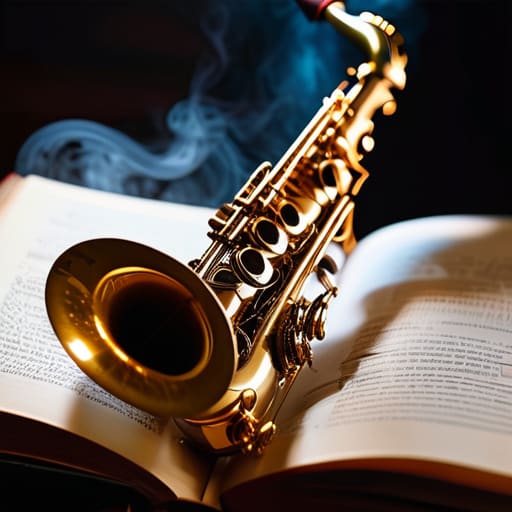
When I find myself sitting in a dim jazz club, I often think about the concepts explored in Listening to the World by various acoustic ecologists. This collection of essays serves as a gentle reminder that silence is rarely absolute. It is more of a canvas upon which sound is painted, and understanding that distinction is where the real magic begins.
A Sensory Journey Through Sound
I recently stumbled upon Sonic Warfare, and while the title sounds somewhat aggressive, the implications for how we perceive our environments are deeply profound. It delves into how sound can be used to shape our very sense of reality. For someone who has spent decades preserving the auditory traces of history, this book provides a fascinating, if slightly unsettling, perspective on the power of frequency.
The Poetry of the Auditory Experience
If you are looking for something a bit more lyrical, I cannot recommend Sounding the Void highly enough. It approaches the concept of soundscapes through a lens that is almost philosophical in its depth. It isn’t just about the mechanics of acoustics, but about the emotional resonance that a specific sound can trigger in the human heart.
Finding Order in the Acoustic Chaos
For those who appreciate the meticulous nature of my old profession, Acoustic Ecology offers a structured way to look at the world. It provides the tools to categorize and understand the complex web of sounds that constitute our environment. It’s a bit like organizing a chaotic archive; once you have a system, the beauty of the collection truly begins to emerge.
Finding the Rhythm in the Quiet
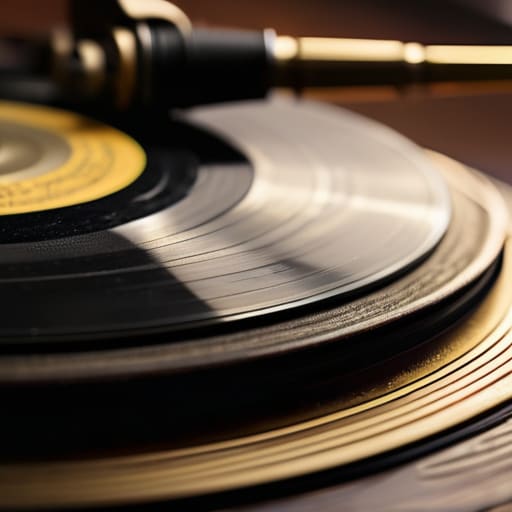
True listening isn’t about silence; it’s about learning to distinguish the subtle layers of sound that define a space, much like the way a well-pressed record reveals its character in the grooves.
Don’t be afraid to let a book slow your pulse; the goal of exploring soundscapes is to trade the frantic pace of modern life for a more intentional, observant way of being.
The most profound lessons often live in the details—the hum of a distant street or the resonance of a room—so keep your eyes open and your ears tuned to the textures of your surroundings.
## The Texture of Silence
“A good book on soundscapes is much like a well-pressed vinyl record; it doesn’t just give you information, it invites you to sit still long enough to hear the spaces between the notes and the history breathing in the quiet.”
Petra Lindgren
The Echoes That Remain
As we close these pages, I find myself reflecting on how much these different perspectives have shifted my own perception of the world. Whether we were exploring the technical intricacies of acoustic ecology or losing ourselves in the poetic descriptions of a city’s nocturnal hum, the common thread is clear: sound is not merely background noise. It is a living, breathing tapestry that connects us to our environment and to each other. From the scientific studies that map our auditory landscapes to the more lyrical explorations of how sound shapes our memories, these books remind us that to truly hear is to truly inhabit the space around us.
I hope these selections encourage you to do more than just read; I hope they inspire you to listen with intention. Tonight, when the rush of the day finally subsides and the shadows begin to lengthen, I invite you to set aside your phone, dim the lights, and simply exist within the texture of your own surroundings. Don’t be afraid of the silence, but do pay attention to the small, beautiful vibrations that fill it. After all, the most profound stories aren’t always written in ink—sometimes, they are whispered in the quiet resonance of a world waiting to be noticed.
Frequently Asked Questions
Are there any specific titles that focus more on the history of urban noise rather than just the science of listening?
You’ve hit on exactly what I find most compelling. While the science is fascinating, it’s the history that truly breathes life into a city. If you want to understand how the roar of the industrial age transformed our relationship with silence, I’d suggest looking into R. Murray Schafer’s foundational work, or perhaps something more niche like studies on the “sonic evolution” of London or New York. They treat noise not as a nuisance, but as a living archive.
Do you think these books are better suited for someone looking for a technical understanding, or for those who just want to appreciate the atmosphere?
I’d say they lean more toward the soul of the matter than the mechanics. While you’ll certainly pick up some context along the way, these aren’t dry textbooks for a classroom. They are for the person sitting in a dimly lit corner, perhaps with a glass of something amber, wanting to understand why a certain city hums the way it does. They’re meant to deepen your appreciation, not just your data.
Which of these would you recommend if I'm looking for something that pairs well with a quiet evening of listening to old jazz records?
If you’re settling in with some old jazz, I’d steer you toward the R. Murray Schafer text. There is something about his way of describing “soundmarks” that mirrors the way a good trumpet solo marks a moment in time. It isn’t just academic; it’s observational. It encourages you to listen to the space between the notes, much like how one might appreciate the grain in a piece of old mahogany. It’s a slow, beautiful read.
