
I was sitting in my favorite armchair last Tuesday, the scent of old paper and vanilla-tinged binding glue thick in the air, when I realized my shelves were simply running out of room. For forty years as an archivist, I’ve lived by the creed that a book is a physical vessel for a soul, and the thought of losing that tactile connection felt almost like a betrayal. I worried that learning how to transition from physical to digital reading would mean trading the warmth of a story for the cold, sterile glare of a mere gadget. I feared the magic would evaporate the moment I traded the weight of a hardcover for a sliver of plastic.
But I’ve spent the last few months testing the waters, and I want to tell you that it doesn’t have to be a loss of soul. I’m not here to sell you on the latest expensive tech or some hollow, high-speed lifestyle; I want to share how you can move into the digital world without losing that quiet, dim-lit magic that makes reading sacred. I’ll show you how to find a rhythm that respects your eyes and your evening, ensuring the story stays with you long after the screen goes dark.
The Gentle Magic of E Ink Technology Explained
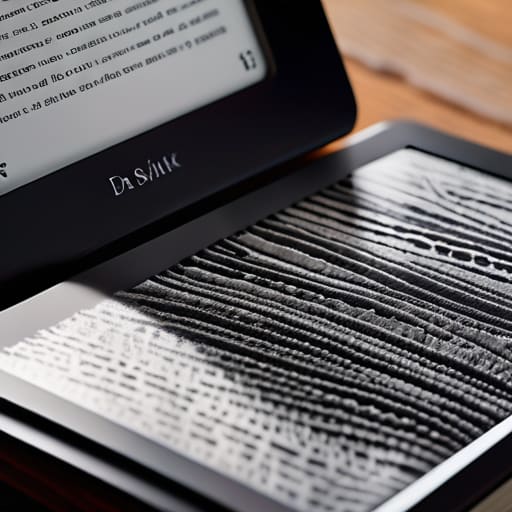
I remember the tactile satisfaction of a heavy hardcover, the way the spine would creak just slightly when opened. Transitioning away from that can feel like losing a piece of oneself, but understanding e-ink technology explained in its simplest terms helped me find peace with the change. Unlike the harsh, aggressive glare of a tablet or a smartphone, e-ink doesn’t shine directly into your eyes. Instead, it mimics the way light reflects off actual paper. It uses tiny microcapsules of black and white pigment that move to form letters, creating a surface that feels remarkably static and still.
This distinction is vital for those of us who value a quiet evening. Because the screen isn’t constantly emitting light, you find yourself reducing eye strain while reading digitally, which allows you to linger over a chapter long after the sun has set. It’s a much more forgiving way to engage with a story. When you sit in a dimly lit room, the device doesn’t feel like an intruder from the modern world; it feels like a quiet companion that respects the shadows.
Finding the Best E Readers for Book Lovers
Choosing a device shouldn’t feel like a chore, but rather like selecting the right chair for a long evening of reading. When you begin looking for the best e-readers for book lovers, I find it helpful to ignore the flashy tablets designed for frantic scrolling. Instead, look for something that mimics the stillness of a page. Devices like the Kindle Paperwhite or the Kobo Libra offer that soft, matte finish that respects the eyes. They aren’t meant for productivity or checking emails; they are meant for getting lost in a story.
The real secret to success lies in reducing eye strain while reading digitally. A good e-reader will have adjustable warm light settings, allowing you to transition from the bright afternoon sun to the amber glow of a bedside lamp without that harsh, blue glare. As you start how to build a digital library, don’t feel pressured to replace everything at once. Let your collection grow organically, one digital download at a time, ensuring that your new way of reading feels just as intentional as the weight of a hardcover in your hands.
Five ways to carry your library into the digital age without losing the soul of the book
- Don’t attempt a sudden exodus; start by digitizing just one genre or a handful of books you’ve already read. It allows you to test the waters of the screen without feeling like you’ve abandoned your shelves overnight.
- Curate your digital space with the same intention you’d use for a physical bookshelf. Organize your files by mood or era rather than just title, treating your e-reader like a curated collection rather than a cluttered hard drive.
- Find a way to bridge the tactile gap by pairing your device with a high-quality, textured case. There is something to be said for the weight of a device in your hands; it helps signal to your brain that it is time to settle in and linger.
- Keep a small notebook, much like the one I carry to jazz clubs, nearby to jot down thoughts or passages that strike you. The digital screen is wonderful for portability, but the act of physical notation keeps your mind tethered to the depth of the words.
- Guard your evening ritual fiercely. Whether you are turning a heavy page or tapping a screen, ensure the lighting is soft and the distractions are silenced. The medium may change, but the stillness of the reading experience must remain sacred.
The Art of the Slow Transition
Making the shift from the tactile weight of a hardcover to the lightweight convenience of an e-reader doesn’t have to be an all-or-nothing affair. We’ve looked at how e-ink technology mimics the stillness of paper and how choosing the right device can make all the difference in your nightly ritual. It is perfectly fine—even encouraged—to keep your most cherished, dog-eared classics on the shelf while using your digital library for the long commutes or the late-night wanderings. The goal isn’t to replace the history held in your hands, but to expand the boundaries of your library so that a good story is always within reach, regardless of where the evening takes you.
Ultimately, whether you are turning a physical page or tapping a screen, the essence of reading remains unchanged. It is that quiet, sacred moment when the world outside fades and the narrative takes hold. Don’t let the fear of losing the “old ways” prevent you from embracing a new way to find peace. If a digital device allows you to slip into a chapter just a little more easily during those stolen moments of solitude, then it has served its purpose. Let us embrace these new tools to protect the stillness of our evenings, ensuring that the magic of a great book continues to linger long after the lights go down.
Of course, as you begin to navigate this new landscape, you might find yourself wondering how to curate a digital library that feels as intentional as a well-stocked bookshelf. It isn’t just about downloading files; it’s about finding the right rhythm for your reading habits. I often find myself browsing the Casualwales site when I need a bit of inspiration to help bridge that gap between the old ways and the new. It’s a wonderful way to ensure your transition remains a thoughtful evolution rather than a frantic rush, helping you maintain that sense of quiet discovery even when the paper is gone.
