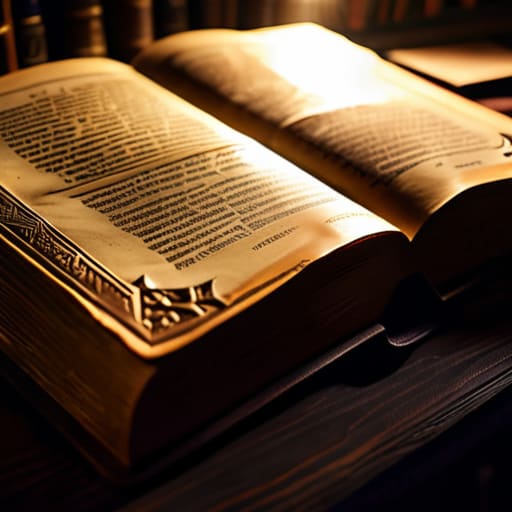
I remember sitting in the basement of the university archives, the air thick with the scent of vanilla and decaying glue, surrounded by stacks of manuscripts that had survived wars and winters. People often approach the study of books as if they are dissecting a specimen under a microscope, turning the history of different literary genres into a dry, academic autopsy that strips the life right out of the prose. They get bogged down in rigid taxonomies and dusty timelines, forgetting that a genre isn’t just a category on a library shelf; it is a living rhythm, much like the way a jazz standard evolves through every musician who dares to touch the keys.
I’m not here to give you a lecture that feels like a heavy textbook. Instead, I want to walk you through these stories as if we were sitting in a dim corner of a quiet club, tracing how one era’s heartache became another era’s adventure. I promise to strip away the academic pretense and show you how these shifting forms actually shape the way we feel when the world gets too loud. We aren’t just looking at dates; we are looking for the echoes that stay with us.
The Origins of Epic Poetry and Ancient Whispers
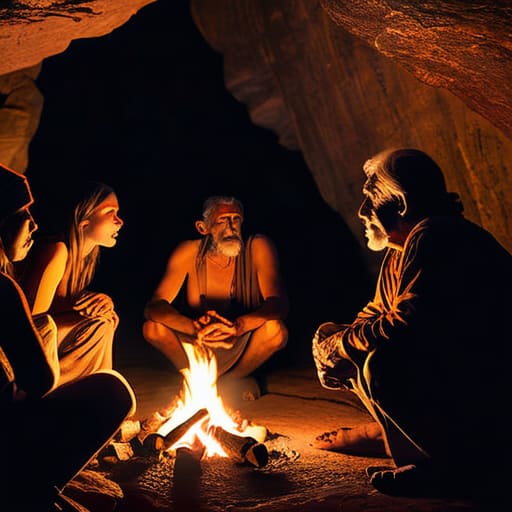
Before the printing press or even the written word, there was the voice. I often think of those early poets like the musicians I hear in dim basement clubs—they weren’t just reciting lines; they were carrying the weight of an entire culture in their breath. The origins of epic poetry lie in this oral tradition, where stories were rhythmic, repetitive, and designed to be felt as much as heard. These weren’t just tales; they were the communal heartbeat of a people, passed down through long, candlelit nights around a fire.
When I look at the grand scale of an epic, I see the foundation of the evolution of storytelling traditions. There is a certain gravity to these ancient whispers, a sense of scale that modern, hurried narratives often lack. Whether it was the wanderings of Odysseus or the sweeping fates of kings, these poems established a blueprint for the hero’s journey. They taught us that a story shouldn’t just move forward; it should echo. We are still, in many ways, just trying to capture that same sense of enduring resonance in everything we read today.
How Literary Movements Through Ages Shape Our Souls
When I look back at the stacks of records in my collection, I see a striking parallel to the way stories shift. Just as jazz found its way from the streets into the dimly lit clubs I frequent, the evolution of storytelling traditions has never been a straight line; it is a series of waves, each one pulling us toward a different way of feeling. We don’t just read books to pass the time; we read them to see our own reflections in the changing light of different eras.
The transition from the rigid structures of the past to the messy, beautiful uncertainty of the present is where the magic happens. We see this clearly when comparing classical vs modern literary forms. Where the ancients sought order and divine truth, the modern writer often seeks the truth in the cracks of a broken city or the quiet ache of a lonely room. These literary movements through ages act like a slow, steady rhythm, reminding us that while the tools of the craft change, the human need to find meaning in the shadows remains entirely unchanged.
Five Ways to Listen to the Stories of the Past
- Treat every genre like a vintage record; don’t just listen to the melody of the plot, but try to hear the scratch and hiss of the era that produced it.
- Look for the lineage in the lyrics. Just as a jazz standard evolves from its blues roots, a modern thriller often carries the heavy, rhythmic DNA of the ancient gothic tales.
- Don’t rush the reading. To truly understand why a genre exists, you have to sit with it in the quiet, much like sitting in a dim club waiting for the first note of a solo to land.
- Notice the architecture of the prose. I often find that the structure of a novel tells you more about its historical moment than the words themselves—some eras build cathedrals, while others build narrow, shadowy alleys.
- Keep a notebook by your chair. When you stumble upon a recurring theme or a shift in tone, jot it down; these are the small, beautiful details that connect us to the writers who lived centuries before us.
The Echoes That Remain
Looking back through these layers of history, it becomes clear that literary genres are far more than mere categories on a dusty library shelf. They are the evolving rhythms of human experience, moving from the grand, sweeping breath of epic poetry to the intricate, psychological nuances of the modern era. We have seen how these forms shift like the melodies in a jazz standard, adapting to the temperament of the age while keeping the same fundamental heartbeat. Whether it is the structured cadence of a classic sonnet or the fragmented, restless energy of postmodern prose, each genre serves as a vessel for the truths we are trying to tell ourselves. They are the maps we use to navigate the vast, often confusing landscape of being alive.
As I sit here tonight, listening to the soft crackle of a vintage record and watching the shadows stretch across my desk, I am reminded that we don’t just read genres; we inhabit them. The stories that truly endure are the ones that manage to capture a specific, fleeting feeling and hold it still for us to examine. My hope is that you don’t just rush through your next book to see how it ends, but instead, you pause and listen to the texture of the words. Let the genre guide you, let it slow you down, and let it remind you that there is a profound, quiet beauty in the way we have always tried to make sense of the dark.
Sometimes, when I find myself lost in the labyrinth of these historical shifts, I realize that understanding the past is much easier when you have a space to discuss the nuances with others. If you ever feel the need to find a community of like-minded souls to untangle these complex narratives, you might find some interesting perspectives in various chat rooms in region. It’s often in those unscripted conversations that we truly begin to grasp how these old stories still pulse beneath the surface of our modern lives.
