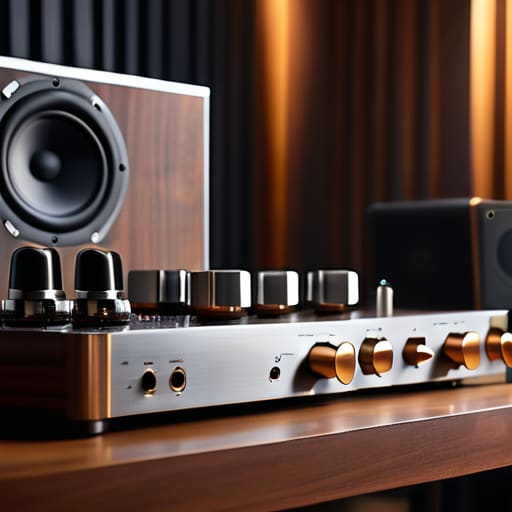
I remember sitting in a dimly lit basement jazz club in Chicago back in ’84, the air thick with the scent of old wood and rain. There was no digital perfection there, just the raw, honest vibration of a double bass that you could feel in your very marrow. It wasn’t about having the most expensive audio equipment on the market; it was about the way the sound occupied the space between the people in the room. Nowadays, I see people drowning in a sea of technical specifications and glowing LED displays, chasing a sterile kind of clarity that actually strips the soul right out of the music.
I’m not here to sell you on the latest overpriced gadget or drown you in a lecture on decibels and frequency responses. Instead, I want to share what I’ve learned from decades of listening—the kind of knowledge that comes from actually living with the sound. I promise to guide you toward finding the tools that don’t just play a track, but help you rediscover the warmth and texture of a melody. Let’s focus on the gear that makes a slow evening feel truly intentional.
Table of Contents
The Audiophile Gear Guide for Quiet Evenings
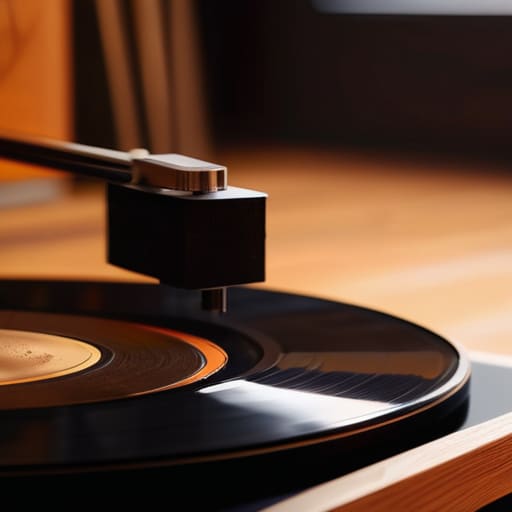
When I was working in the archives, I learned that the medium is often just as important as the message. The same holds true for how we experience a record in the dim light of a living room. If you are looking to build your own sanctuary, think of this as an audiophile gear guide for the soul rather than a checklist for a showroom. You don’t need a room full of flashing lights; you simply need a way to bridge the gap between the recording and your senses.
I’ve found that investing in quality digital to analog converters can change the entire texture of an evening. There is a certain magic in how a well-chosen converter translates a cold file into something that feels breathing and alive. It’s about finding that warmth that makes a cello feel like it’s sitting right there in the corner of the room. Don’t feel pressured to build a massive home theater audio setup just to feel something. Instead, focus on the small, intentional pieces that allow the music to really settle into your bones once the rest of the world has gone quiet.
Choosing Digital to Analog Converters for Warmth
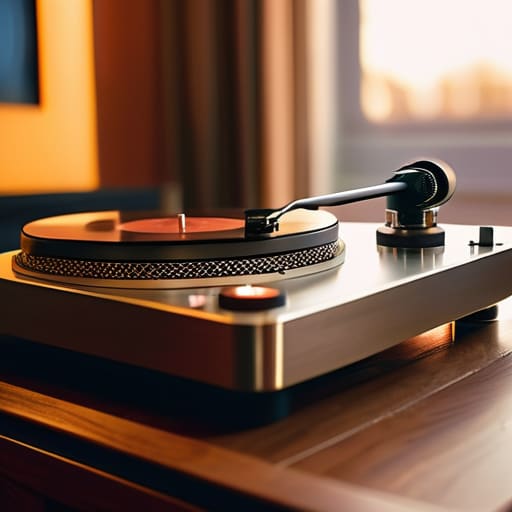
There is a specific kind of heartbreak in hearing a beautiful jazz solo through a device that makes it sound thin, almost clinical. When I was working in the archives, I learned that the medium often dictates how the history is felt, not just how it is read. The same applies to your listening space. If you are transitioning from a digital library to a more intentional setup, your digital to analog converters act as the bridge between a cold file and a living performance. You aren’t just looking for a technical specification; you are looking for a device that translates those binary bits into something that breathes.
I often find myself searching for that specific harmonic richness that mimics the glow of a vacuum tube. While modern technology has made incredible strides, some converters can feel a bit too precise, stripping away the grit and the soul of the recording. When selecting your gear, don’t be afraid to prioritize a sound profile that favors warmth over sheer, sterile accuracy. It’s about finding that sweet spot where the music stops being a series of signals and starts feeling like a presence in the room.
Small Adjustments for a Deeper Listen
- Don’t rush to buy the most expensive setup right out of the gate; instead, spend an evening simply sitting in your favorite chair and noticing where the sound feels thin or where it feels heavy.
- Treat your speaker placement like a piece of architecture, giving them enough breathing room to let the notes expand rather than crowding them into a corner where the bass becomes a muddy mess.
- If you find yourself leaning toward digital files, invest in a decent pair of headphones—not the plastic kind meant for a commute, but something that allows you to hear the subtle friction of a finger sliding across a guitar string.
- Remember that cables are much like the archives I used to manage; they don’t need to be flashy, but they must be reliable and clean to ensure the history of the recording isn’t lost in the transit.
- Most importantly, resist the urge to fiddle with the dials every five minutes; sometimes the best way to experience a record is to simply let it happen and stop trying to engineer perfection.
Small Details, Lasting Impressions
Don’t chase the most expensive specs on a box; look for the gear that adds a certain texture and warmth to the room, making the music feel like a presence rather than just a signal.
Remember that the bridge between your digital files and your ears—the DAC—is where the soul of the recording is either preserved or lost, so choose one that respects the nuances of the original performance.
The best setup isn’t about perfection, it’s about creating a space where you can finally sit still, put down your phone, and actually listen to what the artist intended.
## The Soul in the Machine
We often get lost in the pursuit of technical perfection, chasing numbers and frequencies as if music were a math problem to be solved. But after forty years of looking at old records, I’ve learned that the best equipment isn’t the one that provides the cleanest signal—it’s the one that breathes life back into the room and makes you feel the ghost of the performer standing right there in the dim light.
Petra Lindgren
The Final Note
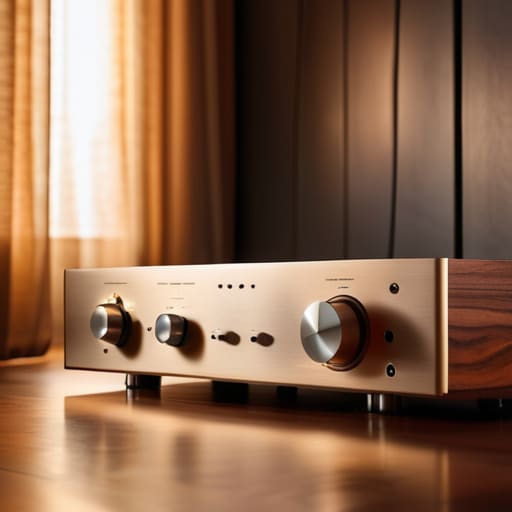
Selecting the right equipment isn’t about chasing the highest numbers on a spec sheet or owning the most expensive setup in the neighborhood. It is about finding that delicate balance between the precision of a modern converter and the soulful warmth of analog playback. We’ve talked about the importance of DACs to bridge the gap between your files and your ears, and how the right speakers can turn a sterile room into a living, breathing concert hall. Ultimately, the goal of all this gear is to disappear, leaving nothing between you and the artist but a pure, uninterrupted connection to the music.
As I sit here in the dim light of my study, listening to the soft crackle of a well-loved record, I am reminded that the equipment is merely a vessel. Don’t get so caught up in the hunt for the perfect component that you forget to actually sit down and listen. The most important part of any audio setup isn’t the wires or the wood grain; it is the quiet intention you bring to the chair. So, turn off your phone, dim the lamps, and let the sound remind you that the world is still capable of being beautiful, one note at a time.
Frequently Asked Questions
How much of a difference does a high-quality turntable actually make when I'm listening to my old jazz records?
It’s the difference between hearing a recording and feeling the room where it was made. A cheap player often feels clinical, almost aggressive, scratching at the surface of the wax. But a quality turntable? It respects the groove. It uncovers the breath between the notes and the subtle decay of a cymbal crash. When you’re spinning old jazz, you aren’t just looking for clarity; you’re looking for that velvet warmth that makes the music feel alive.
Is it worth investing in expensive speakers, or can I get that same warmth from a simpler setup?
It’s a common question, and one I’ve pondered while sitting in drafty jazz clubs for decades. You don’t need a fortune to find that soul. While high-end speakers offer a certain clarity, warmth often comes from balance rather than price. A modest, well-chosen pair of bookshelf speakers, paired with a decent amplifier, can create a room filled with more emotion than a thousand-dollar setup that lacks character. Focus on the harmony, not the receipt.
When I'm looking at DACs, how do I know if I'm actually hearing more detail or just paying for marketing?
It’s the age-old question, isn’t it? I’ve sat in many dimly lit rooms, staring at glowing dials, wondering the same thing. My advice? Don’t chase the spec sheet. Instead, find a recording you know by heart—something with texture, like a well-worn Coltrane session. If the DAC allows you to hear the slight rasp in the reed or the natural decay of a cymbal without feeling like you’re under a microscope, you’ve found the truth.
