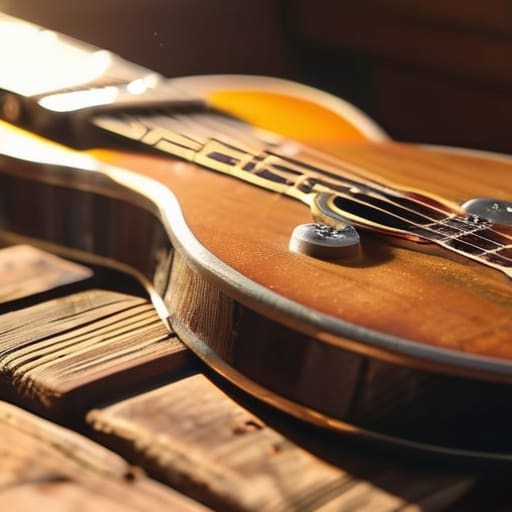
I remember sitting in a cramped, basement-level club in Chicago back in the late seventies, the kind of place where the air felt thick with more than just cigarette smoke. There was no polished stage or expensive lighting; there was just a man, a battered guitar, and a sound so raw it felt like it was being pulled straight from the earth. People often try to over-intellectualize blues roots, treating them like some dusty academic subject you need a PhD to grasp. But they miss the point entirely. Those sounds weren’t born in a classroom or a pristine recording studio; they were forged in the quiet, aching spaces between hardship and hope.
I’m not here to give you a dry lecture or a list of dates to memorize. Instead, I want to walk you through the actual soul of the music—the parts that stay with you long after the last note fades. We are going to strip away the pretension and look at what truly makes those blues roots beat with life. My promise to you is simple: no hype, no filler, just an honest look at the textures and truths that make this music worth your time.
Table of Contents
The Mississippi Delta Echoes in the Heavy Air

To understand the weight of the music, you have to understand the soil it grew from. When I look back through the archives of the history of the Mississippi Delta, I don’t just see dates and census records; I see a landscape shaped by a heavy, humid tension. It was a place where the air itself felt thick with unspoken stories. The music didn’t just happen; it emerged from the rhythmic labor and the profound, quiet struggles of people finding a way to breathe through the hardship.
There is a direct, haunting line connecting the sacred to the secular in this region. You can hear the influence of spirituals on blues in the way a singer stretches a single note, letting it hang in the air like woodsmoke. It’s that same soulful yearning found in the old hymns, repurposed to tell stories of heartbreak and survival. As I sit in these quiet corners of the city, listening to a scratchy 78rpm record, I can almost feel that Delta heat. It’s a reminder that the most enduring melodies are often born from the deepest, most unfiltered human experiences.
How Spirituals Wove Soul Into the Blues

If you listen closely to the way a singer lets a note hang in the air, just a second too long, you’re hearing a ghost from another era. To understand the influence of spirituals on blues, you have to look past the rhythm and into the heartache. Those early communal songs weren’t just melodies; they were survival. They carried a weight—a heavy, sacred yearning—that eventually found its way from the church pews into the smoky, dimly lit quarters where the music began to shift from the divine to the deeply personal.
It’s in that transition that the soul of the genre truly solidified. You can hear it when a performer uses a call-and-response pattern, a technique born from those old congregational gatherings, to create a conversation with an invisible audience. This connection is a vital thread in the origins of american blues music, bridging the gap between the spiritual struggle and the individual’s grit. It’s a beautiful, aching lineage that reminds us that even the most solitary blues song is, in some way, part of a much larger, shared human history.
How to Listen When the World Gets Too Loud
- Don’t rush the tempo. When you’re sitting down with a record—or a live set—allow the music to breathe. The blues isn’t something you consume; it’s something you inhabit. Let the silence between the notes tell you as much as the notes themselves.
- Look for the imperfections. In my years in the archives, I learned that the most valuable things are often the ones that show their age. In blues, the slight crack in a singer’s voice or the slide of a finger on a steel string is where the truth lives.
- Trace the lineage. If a particular melody catches your ear, don’t just let it pass. Look into its history. Understanding how a field holler transformed into a midnight blues riff makes the listening experience feel less like a hobby and more like a conversation with the past.
- Seek out the dim lights. It’s hard to feel the weight of a heavy groove under the glare of fluorescent lights. Find those small, quiet venues where the shadows are long and the atmosphere is thick. It allows your senses to focus on what truly matters.
- Keep a record of your feelings. I always carry my notebook, not just for sketches of the rafters, but to jot down how a certain chord progression makes me feel. The blues is an emotional map; write down where it takes you so you can find your way back later.
What Remains When the Music Fades
The blues isn’t just a genre you listen to; it’s a lineage of survival that connects the heavy air of the Delta to the very rhythm of our modern lives.
To truly hear the blues, you have to listen for the echoes of the spirituals—the way a song can carry both a heavy sorrow and a quiet, unshakable hope.
We find the most meaning when we stop rushing and allow ourselves to sit with the raw, unpolished truth of a melody, letting the details settle in our bones.
The Weight of the Note
“You realize quickly that the blues isn’t just a genre you listen to; it’s a way of remembering. It’s found in that slight, intentional hesitation between notes—a heavy, beautiful ache that reminds you that even the hardest truths can be turned into something worth sitting still for.”
Petra Lindgren
The Echo That Never Fades
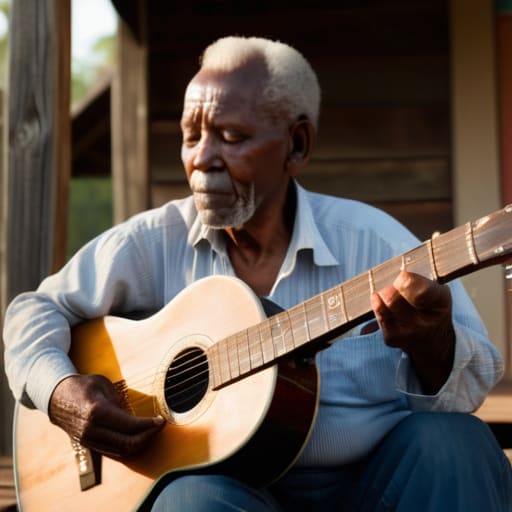
Looking back at where it all began, it’s clear that the blues wasn’t just a musical evolution; it was a necessity. From the heavy, humid air of the Mississippi Delta to the soaring, communal hope found in spirituals, these sounds were forged in the fires of human endurance. We’ve seen how the raw grit of the soil met the sacred weight of the spirit, creating something that was far more than just notes on a page. It was a way to translate the unspeakable into a melody that could be shared. Whether it was a field holler or a Sunday hymn, these roots provided the foundational heartbeat for almost every piece of music we cherish today.
As I sit here in the dim light of this corner booth, listening to the faint crackle of a worn vinyl record, I’m reminded that we shouldn’t just listen to the blues—we should feel for its history. It’s easy to rush through a song, but if you take a moment to be still, you can hear the ghosts of those original players in every bend of a guitar string. I hope you find your own moment to pause tonight. Don’t just chase the rhythm; seek the soul behind it. After all, the most beautiful things in life are the ones that stay with us long after the music has stopped.
Frequently Asked Questions
How can you tell the difference between the raw, early Delta blues and the more polished sounds that came later?
It’s the difference between a conversation and a performance. When I listen to those early Delta recordings, it feels unvarnished—sometimes even uncomfortable. You hear the grit of the slide on the strings and the uneven, heavy breathing of a man playing for himself in a quiet room. Later, polished blues becomes about precision and arrangement. But the Delta? That’s raw emotion caught in a moment, before anyone thought to tidy it up for an audience.
Are there specific instruments or playing styles that truly define those earliest blues recordings?
If you listen closely to those old shellac discs, you’ll hear it immediately: the slide. Whether it’s a bottleneck or a metal tube, that sliding note mimics the human voice—aching, sliding, and never quite staying on a neat, polite pitch. Then there’s the rhythmic, percussive thump of the thumb on an acoustic guitar, providing a steady heartbeat against the sharp, stinging treble of the fingers. It isn’t about technical perfection; it’s about the grit.
How did the migration of people from the South to the cities change the way the blues actually sounded?
The Great Migration changed everything. When those folks moved north, the music had to grow up alongside the cities. It left the porch and entered the crowded, electric streets. That raw, acoustic Delta sound met the roar of Chicago and Detroit, picking up a steady pulse—the upright bass, the piano, and eventually, the electric guitar. It became harder, faster, and more sophisticated, trading the lonely field for the neon-lit rhythm of the urban night.
