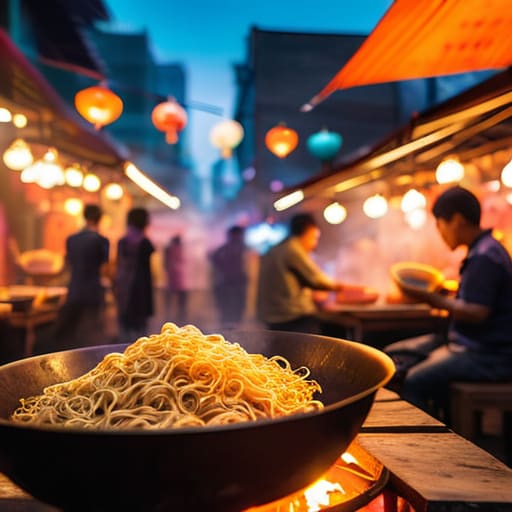
I remember standing under a flickering streetlight in a narrow alleyway back in ’84, the air thick with the scent of charred spices and the rhythmic clatter of metal spatulas against iron. There was no polished menu or air-conditioned seating; there was just the raw, honest energy of a city feeding itself. Most people today treat street food markets like a curated tourist attraction, chasing the same three “Instagrammable” stalls that have been sanitized for the masses. They miss the point entirely. To truly find the soul of a city, you have to look past the neon signs and find the places where the steam rises thick and the locals are actually standing in line.
I’m not here to give you a list of the trendiest spots that will be forgotten by next season. Instead, I want to help you navigate the beautiful chaos of street food markets with a bit of intention. I’ll share what I’ve learned from decades of wandering through these shadows—how to spot a stall that actually cares about its craft and how to embrace the slow pace of a meal eaten on a plastic stool. Let’s skip the hype and find something that actually stays with you.
Table of Contents
Authentic Culinary Experiences Under the Dimming Sky
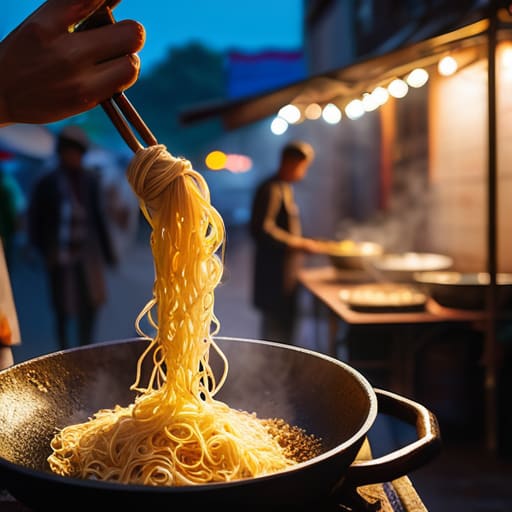
There is a particular kind of magic that happens when the sun dips below the skyline and the heavy humidity of the day gives way to a cool evening breeze. This is when the real local food scene exploration begins. I’ve always found that the most honest flavors aren’t found behind white tablecloths or under bright fluorescent lights, but rather in the steam rising from a heavy iron wok under a canvas awning. There is a rhythmic, almost musical quality to the way a vendor handles their tools—the scrape of a spatula, the hiss of oil, the low murmur of a hungry crowd.
Seeking out these authentic culinary experiences requires a bit of patience and a willingness to wander. You have to look for the stalls where the line moves slowly, where people are talking more than they are looking at their phones. I often find myself leaning against a brick wall, notebook in hand, just watching the choreography of it all. It isn’t just about the meal; it’s about the shared humanity found in a crowded alleyway, finding those affordable gourmet snacks that taste like they were made specifically for this exact moment in time.
A Slow Dance Through Global Food Stall Culture
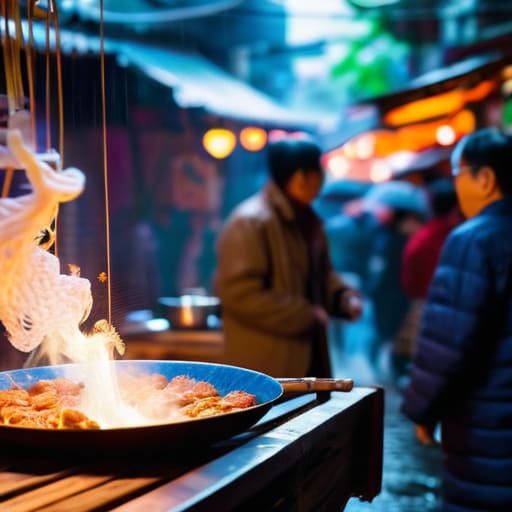
I’ve always found that you can learn more about a city’s heartbeat by standing on a humid corner in Bangkok or a cobblestone lane in Taipei than you ever could by reading a guidebook. There is a certain rhythm to global food stall culture that feels almost musical—the rhythmic chop of a cleaver, the hiss of a wok, and the low hum of a dozen different conversations blending into one. It isn’t about the efficiency of a meal; it’s about the shared patience of waiting for a steaming bowl of noodles while the world rushes past you.
When I wander through these spaces, I’m not looking for a quick fix to hunger. I’m looking for those small, fleeting moments of connection. You might find yourself sharing a narrow wooden bench with a stranger, both of you momentarily united by the scent of lemongrass and toasted spices. Exploring the local food scene exploration through these stalls allows you to see the layers of a culture that aren’t polished for tourists. It’s in these unscripted, dimly lit corners that you truly find the flavor of a place.
Small Notes for a Slower Feast
- Follow the crowd, but look for the quiet ones. While the bright lights and loud music draw the tourists, I’ve always found that the most honest flavors reside at the stalls where the locals stand in a patient, unspoken line.
- Let your senses lead, not your hunger. Don’t just look at a menu; listen to the rhythm of the spatulas against the iron and catch the scent of spices hitting hot oil. If a stall feels like it has a soul, stay a while.
- Carry a bit of patience in your pocket. These markets aren’t about the quick bite you grab on your way to a meeting; they are about the wait, the steam rising in the cool air, and the anticipation of that first, perfect mouthful.
- Keep your eyes on the details. I often find myself sketching the way a vendor moves or the weathered texture of a wooden countertop. There is a certain beauty in the craftsmanship of a street cook that a white-tablecloth restaurant can rarely replicate.
- Embrace the beautiful mess. A little spilled sauce or a crowded table is just part of the texture of the evening. Don’t seek perfection; seek the warmth of a shared moment under the glow of a single hanging bulb.
The Quiet Lessons of the Night Market
It isn’t just about the meal; it’s about the permission to linger in the steam and the shadows, letting the world rush by while you focus on a single, perfect flavor.
Look past the bright signs and find the stalls where the cook moves with the practiced, quiet grace of someone who has spent decades perfecting a single recipe.
The true magic of street food lies in its intimacy—the way a shared wooden bench and the hum of a crowded alleyway can make a city of millions feel remarkably small and personal.
The Rhythm of the Night
“There is a certain kind of music in a street market—not the kind you hear on a record, but the clatter of pans, the hiss of steam, and the low hum of strangers sharing a bench. It’s a symphony of the fleeting, a reminder that the most profound flavors are often found in the most temporary of places.”
Petra Lindgren
The Lingering Aftertaste
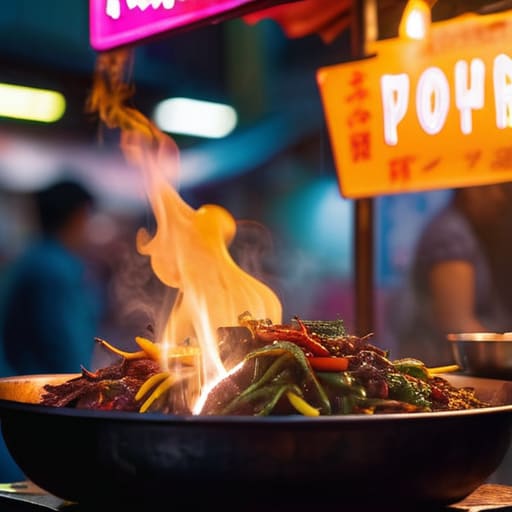
As the night winds down and the steam from the heavy iron pans begins to dissipate into the cool air, I find myself reflecting on what we’ve actually gathered here. We didn’t just consume calories; we witnessed the unfiltered pulse of a city. From the rhythmic chopping of vegetables to the shared warmth of a crowded plastic stool, these markets offer a rare, unscripted connection to the people who call these streets home. It isn’t about the convenience of a quick meal, but rather the way these stalls serve as the living archives of a culture, preserving flavors and traditions that no sterile restaurant could ever hope to replicate.
So, the next time you find yourself caught in the frantic rush of modern life, I urge you to seek out the shadows and the neon glows of a street market. Don’t just eat to be full; eat to be present. Leave your phone in your pocket, find a corner with just enough light, and let the sensory chaos wash over you. There is a profound, quiet dignity in a meal shared under a dim streetlamp, and I truly believe that these are the small, intentional pauses that make a life feel substantial. After all, the most beautiful things in this world aren’t found in the rush, but in the lingering moments that stay with us long after the stalls have closed.
Frequently Asked Questions
How do I find those quiet, tucked-away stalls that aren't crowded with tourists?
To find the real heart of a city, you have to lose your sense of direction. Turn away from the bright signage and the maps that promise “the best” of everything. Instead, look for where the locals are lingering—the stalls with worn wooden counters and the steam that smells of history rather than marketing. Follow the sound of a quiet conversation or the low hum of a radio. The best treasures are usually found in the shadows.
Is there a particular time of night when the atmosphere truly settles into something special?
There is a specific window, usually just after the initial dinner rush has ebbed away—around ten o’clock—when the frantic energy finally softens. That’s when the steam from the vats seems to linger longer in the cool air, and the conversations around you drop to a more intimate hum. It’s a quiet, rhythmic sort of magic; the city stops performing for the crowds and starts breathing for itself. That is when you truly find the soul of the place.
What should I look for to ensure a vendor is honoring tradition rather than just rushing through a crowd?
Look for the rhythm of the work. A vendor honoring tradition doesn’t move with the frantic energy of a machine; there’s a certain grace in their repetition. Watch for the small, unhurried gestures—the way they carefully ladle a broth or the deliberate way they arrange their ingredients. If they are focused on the craft rather than just the transaction, you’ll feel it. True quality requires a patience that a crowd simply cannot rush.
