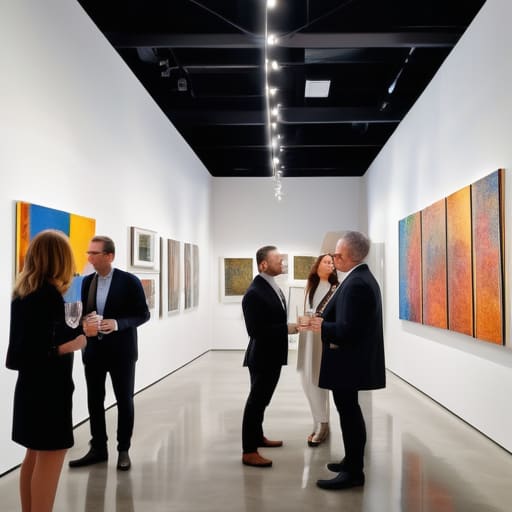
I remember standing in a drafty loft in Chelsea last autumn, surrounded by people who seemed more interested in the vintage of the champagne than the brushstrokes on the wall. There is this pervasive, exhausting myth that art gallery openings are these exclusive, high-stakes social arenas where you need a certain pedigree just to stand in the corner. We’ve turned what should be a moment of quiet connection into a performative marathon of networking and pretension, leaving very little room for the actual art to breathe.
I’m not here to teach you how to dress for the crowd or how to mimic the jargon of the elite. Instead, I want to show you how to navigate these spaces to find the genuine marrow of the experience. I’ll share my own observations on how to sidestep the noise, find the quiet corners where the real magic happens, and ensure that when you leave, you’re carrying something meaningful back with you. Let’s stop performing and start actually seeing.
Table of Contents
Mastering the Soft Grace of Gallery Vernissage Etiquette
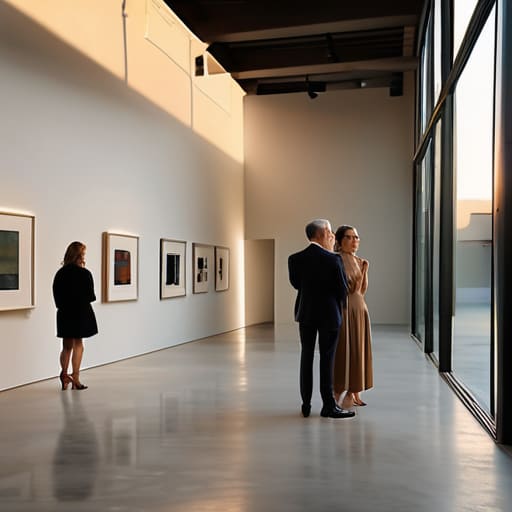
There is a certain rhythm to a room filled with people and art, a tempo that requires a gentle touch. When you find yourself at one of these gatherings, remember that the space itself is as much a part of the experience as the frames on the wall. Mastering the soft grace of gallery vernissage etiquette isn’t about following a rigid set of rules; it’s about respecting the silence between the notes. I’ve found that the most meaningful connections often happen when we resist the urge to dominate the conversation. Instead, allow yourself to drift through the emerging artist showcases with a quiet curiosity, leaving plenty of room for others to breathe and reflect.
Avoid the temptation to rush from one piece to the next as if you were checking items off a grocery list. If you are there for the sake of art collector networking, do so with a sense of understated intention. A thoughtful question whispered to a fellow observer often carries more weight than a loud pronouncement. After forty years of handling delicate manuscripts, I’ve learned that the most profound discoveries are made when we move slowly and listen to the room.
Finding Soul in Emerging Artist Showcases
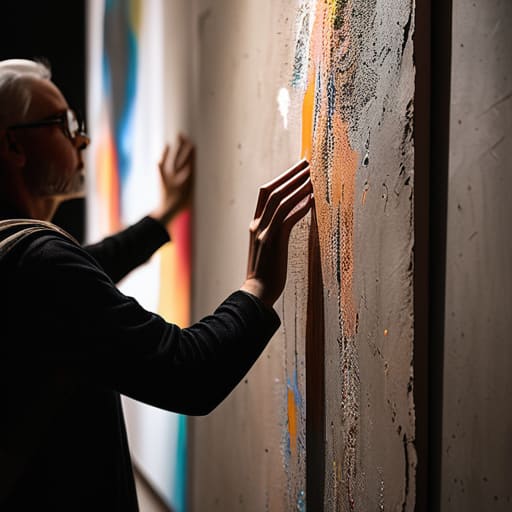
There is a particular kind of electricity that hums through the air at emerging artist showcases, a frequency quite different from the polished stillness of a museum. When I walk into these smaller, more intimate spaces, I’m not looking for the familiar names or the heavy weight of established legacies. Instead, I’m searching for that raw, unpolished spark—the kind of vision that hasn’t yet been smoothed over by the demands of the market. It’s in these rooms that you see the true pulse of a city’s creative spirit, often found in a corner where a young painter is still wrestling with their medium.
I often find myself pulling out my notebook, not to critique, but to capture the way the light hits a new installation or the way a crowd gathers around a piece that feels a bit too honest for comfort. Navigating contemporary art exhibitions requires a certain openness of heart; you have to be willing to be surprised, or even a little unsettled. It isn’t about the social climbing often associated with art collector networking. Rather, it is about the quiet privilege of witnessing a moment of becoming, before the rest of the world catches on.
Small Rituals for a More Meaningful Evening
- Leave your phone in your pocket. I’ve noticed that when we try to capture everything through a lens, we miss the way the light actually hits the texture of the oil paint. Let the memory live in your mind, not just your cloud storage.
- Find the edges of the room. The center of a gallery opening can feel frantic, almost performative. I prefer to find a quiet corner or a small bench near the periphery; it’s much easier to actually hear the art—and yourself—when you aren’t fighting the crowd.
- Listen to the silence between the conversations. There is a specific kind of hush that settles over a room when a particularly moving piece is encountered. Try to notice those pockets of stillness; they are often more profound than any artist’s statement printed on the wall.
- Carry a small notebook, even if you don’t intend to draw. There is something about the physical act of jotting down a single word or a quick sketch of a frame that anchors you to the moment. It turns a fleeting glance into a lasting observation.
- Don’t be afraid to linger long after the initial rush has subsided. The true soul of an exhibition often reveals itself once the polite chatter dies down and the room settles into a more contemplative rhythm. That is when the art truly begins to speak.
The Quiet Art of Lingering
Resist the urge to treat the gallery like a checklist; instead, allow yourself the luxury of standing before a single piece until the initial rush of color settles into something deeper.
Look past the polished chatter of the crowd to find the small, unscripted moments—the way a shadow falls across a sculpture or the subtle texture of a brushstroke—that truly define the evening.
Approach every opening not as a social obligation, but as a chance to pause and let the artist’s vision interrupt your routine, reminding you why we seek out beauty in the first place.
The Quiet Conversation
“An art opening isn’t a social checklist to be completed; it is a chance to stand still in a room full of movement, letting a single brushstroke or a sudden silence pull you out of the rush and back into yourself.”
Petra Lindgren
The Last Note of the Evening
As the evening winds down and the crowd begins to thin, I find that the true value of a gallery opening lies in the balance we strike between presence and participation. We’ve discussed the importance of navigating the social nuances of a vernissage with grace, and more importantly, the necessity of looking past the polished surface of established names to find the raw, beating heart of an emerging artist. It isn’t about the networking or the wine; it is about the deliberate act of witnessing something new. When we move through these spaces with intention, we transform a simple social event into a meaningful encounter with human expression.
I often find myself sitting on a bench near the exit after a particularly moving show, sketching a few lines of the ceiling’s molding in my notebook, just trying to hold onto the feeling. My advice to you is simple: don’t let the night become just another item on a checklist. When you walk through those doors, leave the rush of the city behind. Allow the dim lighting and the quiet hum of conversation to settle your spirit. Seek out the pieces that make you pause, and remember that the most profound art isn’t just what is hanging on the walls, but the way it makes you feel long after you’ve returned to the quiet of your own home.
Frequently Asked Questions
Is it considered impolite to linger too long in front of a single piece when the room is crowded?
Not at all. In fact, I’d argue that rushing past a piece just to be polite is a disservice to the artist. If a painting has caught your eye, stay with it. If the room is crowded, simply step slightly to the side to allow others to pass. There is a quiet grace in being a person who actually stops to look, rather than just another shadow moving through the gallery.
How can I tell if an opening is a formal affair or a more relaxed gathering of artists and friends?
It’s a question I often ask myself before I even step through the door. I usually look for the tells in the lighting and the tempo. A formal affair tends to feel curated—stiff linens, hushed tones, and a certain structured elegance. But if you see people leaning against the walls with half-empty wine glasses, or if the music feels a bit more rhythmic than reverent, you’ve likely found a relaxed gathering of friends.
What is the best way to approach an artist about their work without disrupting the flow of the evening?
Wait for the lull. I’ve spent many evenings watching artists navigate the hum of a room, and the best approach is to let the work speak first. Find a moment when they aren’t mid-sentence with another guest, approach with a gentle nod, and lead with a specific observation—not a generic compliment. “The way you captured the light in this corner…” is far better than a loud question. Be a listener, not an interrogator.
