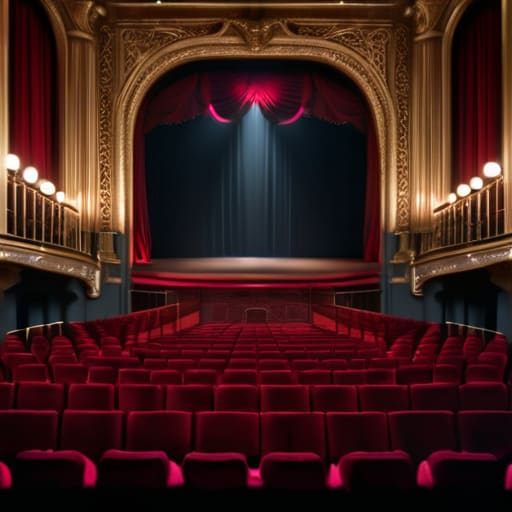
I remember sitting in the third row of a drafty, velvet-lined playhouse in Ann Arbor, the air thick with the scent of floor wax and old dust. I wasn’t there for the grand spectacle or the high-priced intermission cocktails; I was there for that specific, heavy silence that settles over a crowd just before the first line is spoken. There is a peculiar magic in theatre productions that has nothing to do with the size of the budget and everything to do with the shared breath of a room full of strangers. Most people mistake the spectacle for the soul, chasing the neon lights and the loud crescendos, but they often miss the quiet, human truth happening right in front of them.
I have no interest in reviewing the latest high-gloss spectacles designed to dazzle your eyes while leaving your heart untouched. Instead, I want to guide you toward the performances that actually linger in your mind long after you’ve walked back out into the cool night air. My goal is to help you navigate the landscape of theatre productions by focusing on substance over shimmer. We are going to look for the stories that demand your presence and the performances that stay with you, long after the house lights have come up.
Table of Contents
Decoding the Soul Through Dramatic Script Analysis

When I was working in the archives, I learned that a document is never just ink on paper; it is a vessel for intent. The same is true when I sit in a velvet seat, waiting for the house lights to dim. To truly understand why a certain play stays with you, one must look past the spectacle and engage in a bit of dramatic script analysis. It isn’t about academic rigor, though; it’s about listening for the subtext—the things the characters don’t say, hidden in the pauses between lines.
I often find myself sketching the way a script’s rhythm dictates the movement of the actors. You begin to see how the written word shapes the very live performance elements that breathe life into the room. It’s a delicate dance between the poet’s intention and the actor’s breath. When you start to decode these layers, you realize that a great play isn’t just a sequence of events, but a carefully constructed map of human emotion, designed to lead you exactly where you need to go.
The Silent Language of Theatrical Stage Design
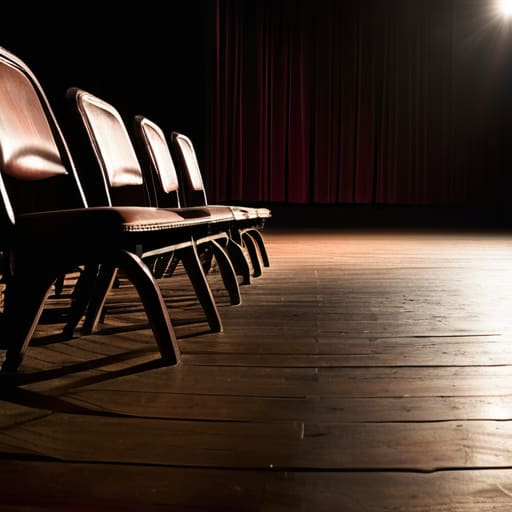
While the script provides the bones, it is the theatrical stage design that gives the story its breath and skin. I’ve often found myself sitting in the velvet seats of a darkened house, not watching the actors, but watching how the light catches the grain of a wooden floor or how a single, tilted chair can suggest a lifetime of loneliness. It is a silent dialogue between the space and the spectator. When a set is crafted with intention, you don’t just see a room; you feel the weight of the history contained within its walls.
There is a profound, almost sacred geometry in how these live performance elements work in concert. A shadow cast too long across a doorway or the deliberate choice of a muted, autumnal color palette can communicate more than a monologue ever could. It’s in these subtle visual cues that the true atmosphere is forged. To me, the most moving moments aren’t always found in the grand crescendos, but in the way a carefully placed lamp transforms a mere stage into a vivid, living memory.
Notes from the Third Row: How to Truly Witness a Performance
- Resist the urge to check your watch or phone; the magic of theatre exists only in the shared, uninterrupted present, and once that momentum is broken, it’s nearly impossible to reclaim.
- Pay close attention to the pauses—the heavy, intentional silences between lines—because that is often where the characters’ true intentions reside, far deeper than the spoken dialogue.
- Watch the periphery of the stage, not just the center; sometimes the most profound storytelling happens in the shadows of a background actor or the subtle shift of a prop.
- Listen to the acoustic texture of the room, noticing how the voices interact with the architecture of the space, much like the way a jazz note hangs in a smoke-filled club.
- Allow yourself to feel the discomfort; a production that leaves you entirely settled is rarely one that has truly challenged your perspective or stayed with you long after the house lights rise.
The Quiet Aftermath: What Remains When the Lights Fade
True appreciation requires us to slow down; we shouldn’t just watch a play, but allow the subtext and the silence between lines to settle into us like a well-worn melody.
The beauty of theatre lies in its details, from the intentionality of a single spotlight to the way a script breathes life into a forgotten moment in history.
To truly experience a production, one must look past the spectacle and seek the emotional resonance—the things that stay with you long after you’ve stepped back out into the rush of the city streets.
The Weight of the Final Bow
“A truly great production isn’t measured by the applause that follows the curtain call, but by the way the silence feels when you finally step back out into the streetlights, realizing you aren’t quite the same person who sat down in the dark an hour ago.”
Petra Lindgren
The Resonance of the Final Bow
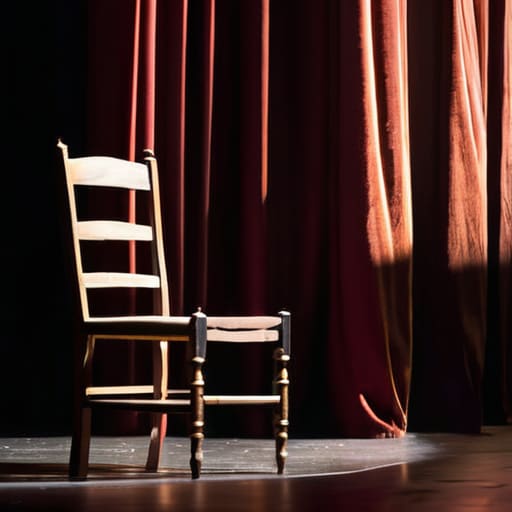
As the house lights slowly rise and the audience begins to stir, I find myself sitting still for just a moment longer, letting the weight of what we’ve witnessed settle. We have journeyed through the intricate architecture of the script and traced the silent, sweeping stories told by the shadows and light of the stage design. It isn’t just about the spectacle, though; it is about how those carefully crafted layers work in unison to pull us out of our own lives and into another. When we look past the surface of a production, we begin to see the profound intentionality that goes into every line spoken and every prop placed, revealing the true heartbeat of the performance.
I often find that the most meaningful parts of a play aren’t the loud crescendos, but the quiet echoes that follow you out into the cool night air. My advice to you is to not rush toward the exit the moment the curtain falls. Instead, linger in that space between the fiction and your reality. Let the music fade, let the silence breathe, and allow the story to settle deep into your bones. In a world that demands we move faster every single day, there is a quiet, radical beauty in simply staying present for the things that truly matter.
Frequently Asked Questions
How can one learn to appreciate the subtle nuances of a performance without getting lost in the technicalities?
Stop trying to deconstruct the mechanics of the play. When I was archiving old scripts, I learned that the paper tells only half the story. To truly see a performance, you must stop being a critic and start being a witness. Close your eyes for a moment during a quiet scene. Don’t look for the lighting cues or the actor’s technique; just listen to the breath and the silence between words. Let it settle in your bones first.
Is there a way to find those rare, quiet productions that favor intimacy over spectacle?
You won’t find them in the glossy brochures or the bright lights of the major touring houses. To find the quiet ones, you have to look for the smaller, black-box spaces—the places where the seats are few and the air feels heavy with intention. Look for “chamber plays” or experimental workshops. Often, the best way is simply to follow the scent of a local storefront theater; they are the ones prioritizing the human breath over the grand spectacle.
How do we keep the emotional resonance of a play alive once we've stepped back out into the noisy, rushing streets?
It’s a struggle, isn’t it? The taxi horns and the neon glare feel like a blunt instrument against the delicate thing you just witnessed. I find the only way to protect it is to resist the urge to rush. Don’t head straight for the subway. Instead, find a quiet corner—a dim bar or a bench under a streetlamp—and sit with it. Let the silence settle. If you don’t pause, the world will simply wash it away.
