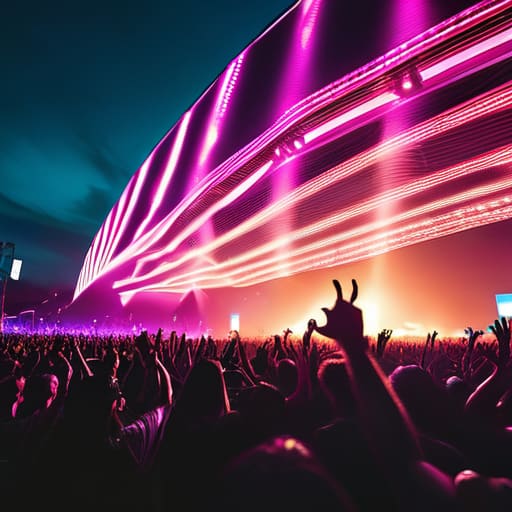
I remember sitting in a cramped, velvet-lined basement club in Detroit a few years back, feeling entirely out of place with my notebook and my preference for Miles Davis. I expected the chaotic, hollow noise that the pundits always associate with electronic dance music, expecting nothing more than a frantic rush of synthetic sounds designed to overwhelm. But as the rhythm settled into a steady, hypnotic pulse, I realized I wasn’t witnessing a frantic scramble; I was witnessing a modern form of trance. The machines weren’t replacing the soul; they were carving out a new, rhythmic architecture that demanded you simply sit still and breathe with the beat.
I’m not here to sell you on the neon lights or the dizzying spectacle of the massive festivals that dominate the headlines. Instead, I want to pull back the curtain on the intentionality behind the sound. I promise to guide you through the textures and the history of this movement, stripping away the hype to find the genuine artistry underneath. We are going to explore how these digital frequencies can offer the same meditative solace as a well-played cello, provided you know how to really listen.
Table of Contents
Tracing the Soul Through the History of House Music

Tracing the soul through the history of house music requires a certain kind of patience, much like digging through a dusty crate of unlabelled 45s. It didn’t start with the massive, polished spectacles we see today; it began in the humid, dimly lit basements of Chicago, born from a desire for sanctuary. When I look back at the history of house music, I don’t see mere technical advancements, but rather a lineage of human connection. It was a movement built on the rhythmic heartbeat of the drum machine, providing a steady pulse for those seeking a momentary escape from the grind of the everyday.
As the years progressed, the evolution of synthesizer technology in dance music allowed these early pioneers to stretch the boundaries of what a single machine could express. What started as a localized, soulful rebellion eventually branched into a vast tapestry of sounds. You can trace the DNA of modern club culture back to those early, stripped-back loops, seeing how the raw energy of the underground slowly transformed into the complex layers we recognize now. It is a reminder that even the most digital sounds possess a deeply human lineage.
Lost in the Texture of Evolving Subgenres of Edm
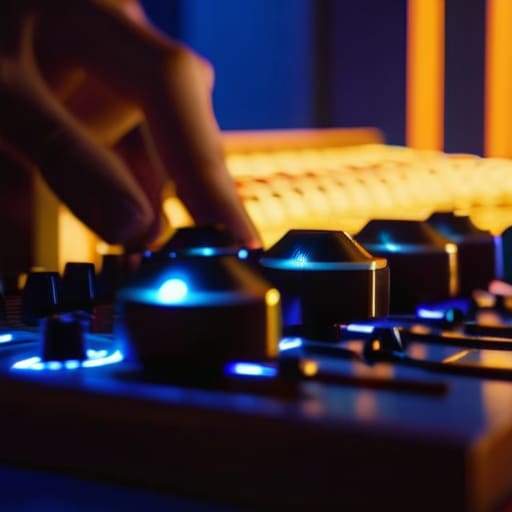
It’s easy to get lost in the sheer breadth of it all. When I look at the landscape today, I don’t just see a wall of sound; I see a sprawling, intricate map of subgenres of EDM that each carry their own distinct emotional weight. Some are bright and frantic, while others possess a heavy, melancholic pull that feels almost architectural in its complexity. I often find myself sitting in the corner of a club, notebook in hand, trying to sketch the way a particular melody interacts with the room’s acoustics. It isn’t just noise; it is a study in how synthesizer technology in dance music has allowed artists to sculpt feelings out of pure electricity, turning thin air into something you can practically lean against.
As these sounds branched out, they began to reflect the changing textures of our cities. You can hear the grit of the urban sprawl in the darker, more industrial rhythms, while the more ethereal movements seem to chase the light. To me, the true beauty lies in how these styles refuse to stay static, constantly folding into one another to create something entirely new and, occasionally, profoundly moving.
How to Listen Without Rushing
- Seek out the smaller, dimly lit rooms rather than the massive arenas; the music feels more like a conversation when you aren’t fighting a sea of a thousand strangers.
- Don’t feel pressured to dance if your spirit isn’t in it; sometimes the most profound way to experience a set is to find a quiet corner and simply let the frequencies settle in your bones.
- Pay attention to the transitions, not just the drops; there is a quiet, archival beauty in how one rhythm bleeds into the next, much like the way one era of history fades into another.
- Leave your phone in your pocket and let the melodies become your only record; a digital video can capture the light, but it can never capture the way the bass vibrates in your chest.
- Approach every new subgenre with the curiosity of a historian; instead of dismissing a sound because it feels foreign, try to find the lineage and the heartbeat that connects it to the classics.
The Echoes That Remain
Beyond the frantic tempo, the true heart of electronic music lies in its ability to create a shared, meditative space where the outside world simply ceases to matter.
To understand the modern beat, one must respect the lineage; the genre isn’t just noise, but a continuous, evolving conversation with the history of soul and house.
We must learn to listen to the textures—the subtle shifts in a synthesizer or the warmth of a bassline—rather than just waiting for the next drop.
The Rhythm of the Unseen
“I spent my life cataloging the tangible—ink, parchment, and stone—but there is a different kind of preservation found in a heavy beat; it captures a fleeting, collective pulse that, much like a well-worn jazz record, lingers in the marrow long after the room has gone quiet.”
Petra Lindgren
The Resonance That Remains

Looking back at where we’ve traveled—from the rhythmic, soulful roots of Chicago house to the intricate, layered textures of the modern subgenres—it becomes clear that this music is far more than just a collection of programmed beats. It is a living, breathing archive of human emotion, captured in frequencies and synthesized melodies. We have seen how these sounds evolved from underground sanctuaries into a global language, yet the core remains the same: a desire to connect through rhythmic precision and shared experience. Whether it is the warmth of a classic analog synth or the sheer weight of a modern bassline, these elements form the connective tissue of our modern nocturnal culture.
As I close my notebook and prepare to step back out into the cool night air, I find myself thinking about why we seek these sounds in the first place. We don’t go to the club just to hear a track; we go to find a moment of stillness within the motion. In a world that demands we move faster every single day, electronic music offers us a rare permission to simply lose ourselves in the pulse. I hope that the next time you find yourself under those dim, flickering lights, you don’t just listen to the music, but you truly feel the space it creates between the notes.
Frequently Asked Questions
How can one distinguish the genuine warmth of early analog synthesizers from the polished, digital precision of modern productions?
It’s the difference between a hand-drawn sketch and a blueprint. Those early analog machines—the Moogs and Rolands—were temperamental; they breathed, drifted, and hummed with a slight, beautiful instability. You can hear it in the way a note subtly warps, like a singer catching their breath. Modern digital production is breathtakingly clean, yes, but it lacks that organic “imperfection.” To find the warmth, listen for the slight grit in the texture; that’s where the soul lives.
Is there a way to appreciate the communal spirit of a dance floor without losing the quiet, contemplative nature of the music itself?
I’ve found that it’s all in how you position yourself. Instead of fighting for the center of the floor, find a corner near the periphery—perhaps where the light is a bit softer or the shadows linger longer. If you treat the dance floor like a living archive of shared rhythm rather than a frantic social arena, you can exist in that beautiful, quiet pocket of connection. You aren’t alone, but you are still yourself.
Where can we find the modern equivalents of those historic, dimly lit clubs that seem to be disappearing in favor of massive, neon-soaked festivals?
You won’t find them on a festival flyer, I’m afraid. To find that old magic, you have to look for the cracks in the city—the basement bars with no signage, the repurposed warehouses, or those small, dark lounges where the sound system is treated like an altar rather than an afterthought. Seek out the venues that prioritize the acoustics over the spectacle. That’s where the pulse still feels human.
