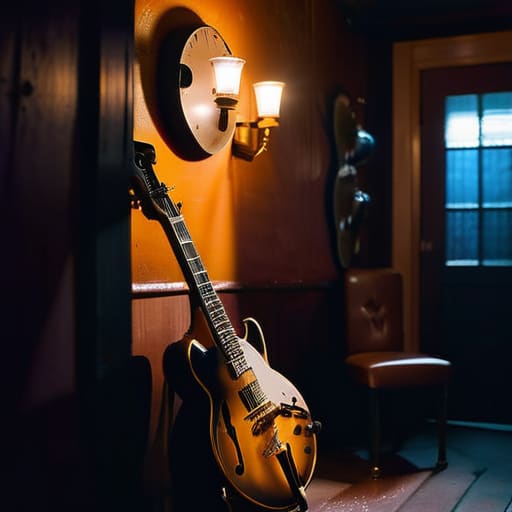
I remember sitting in a corner booth at a place in Chicago back in ’84, the kind of room where the air felt heavy with more than just humidity. The scent of old wood, spilled bourbon, and something deeply soulful hung in the air, and for the first time, I understood that music wasn’t just something you heard—it was something you felt in your marrow. I wasn’t looking for a spectacle or a polished stage; I was looking for the truth. Most people think finding authentic blues clubs requires a VIP pass or a heavy wallet, but they’ve got it all wrong. The real magic doesn’t live in the neon-soaked tourist traps that charge twenty dollars for a watered-down cocktail.
I’m not here to give you a curated list of the most expensive venues or the trendiest spots on a map. Instead, I want to show you how to find the places where the music actually matters. I’ll share what to look for in a room, how to listen to the grit in a singer’s voice, and how to navigate those dim-lit sanctuaries without the unnecessary hype. Let’s find the spots that stay with you long after the final note fades.
Table of Contents
Seeking an Authentic Blues Music Experience
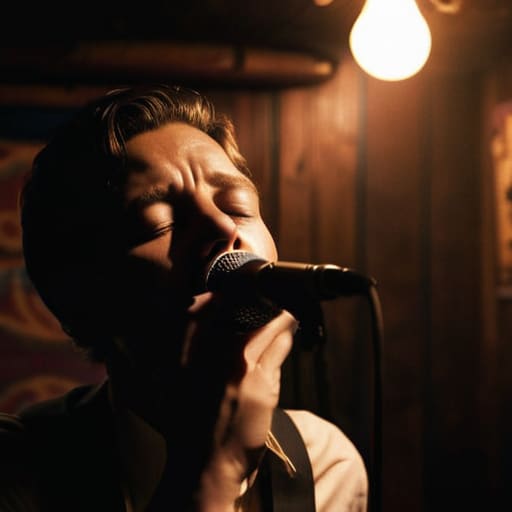
Finding an authentic blues music experience isn’t about checking boxes on a tourist map or following the brightest neon sign on the strip. It’s about the intuition that leads you down a narrow alleyway or into a basement that smells faintly of old wood and rain. I’ve learned that the most profound moments often happen in the spaces that don’t bother to advertise. You aren’t looking for a polished stage; you’re looking for a room where the floorboards vibrate in sympathy with the bass and the singer’s voice carries the weight of a thousand stories.
When I’m scouting for live blues performances, I tend to ignore the flashy digital listings. Instead, I look for those small, dimly lit corners where the history of the genre feels etched into the very walls. There is a distinct difference between a venue designed for spectacle and one built for the soul. I prefer the places where the musicians aren’t just playing notes, but are actually exhaling their lives into the microphone. It’s in those quiet, unhurried exchanges between the performer and the listener that the true magic of the night resides.
Where Live Blues Performances Truly Linger
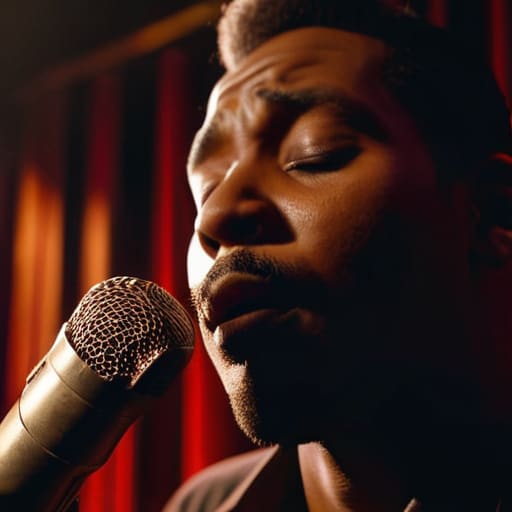
It isn’t just about the talent on stage; it’s about the room itself. I’ve found that the most profound live blues performances happen in those cramped, velvet-draped corners where the air feels thick with decades of stories. There is a specific kind of alchemy that occurs when a singer’s voice cracks just slightly under the weight of a lyric, or when the drummer keeps a tempo so steady it feels like a heartbeat. You aren’t just observing a show; you are participating in a shared, rhythmic breath.
When I’m searching for that perfect evening, I steer clear of the polished, tourist-heavy spots. Instead, I look for the places where the jazz and blues nightlife feels lived-in—venues with scuffed floorboards and dim lighting that forces you to focus on the sound rather than your phone. In these spaces, the music doesn’t just fill the silence; it commands it. It’s in these quiet, intense moments of connection that the true essence of the genre reveals itself, leaving a resonance in your chest that lingers long after you’ve stepped back out into the cool night air.
Small Gestures for a Deeper Connection
- Arrive early, not to beat the crowd, but to settle into the room. There is a specific kind of stillness that exists before the first note is struck, a quiet anticipation that you miss if you walk in just as the band starts their set.
- Look for the places where the stage is low. When the musicians are at eye level with the patrons, the barrier between the performer and the listener thins, and the music stops being a spectacle and starts being a conversation.
- Put the phone away. I know, the urge to capture the moment is strong, but a blues performance is felt in the chest, not seen through a screen. Let the memory settle in your mind rather than your camera roll.
- Pay attention to the acoustics of the space. Sometimes the best blues aren’t found in grand halls, but in those cramped, velvet-lined basements where the sound bounces off the walls and wraps around you like a heavy coat.
- Listen to the silence between the notes. In a truly great club, the audience knows when to hold their breath. It’s in those brief, heavy pauses that you realize the music has actually touched something inside you.
The Quiet Essentials of a Night Well Spent
Seek out the places where the architecture and the atmosphere hold as much weight as the music; a room with character tells half the story before the first note is even played.
Prioritize the intimacy of the setting over the spectacle, looking for those dim, unpretentious corners where you can actually hear the soul in a singer’s voice.
Allow yourself the luxury of slowing down, because the true essence of the blues isn’t something you catch in a rush—it’s something you feel when you finally stop moving.
The Texture of the Night
“A real blues club isn’t just a venue; it’s a sanctuary of shadows where the grit of the music meets the grace of a slow evening, reminding you that even our sorrows can be beautiful if played with enough soul.”
Petra Lindgren
The Echo That Remains
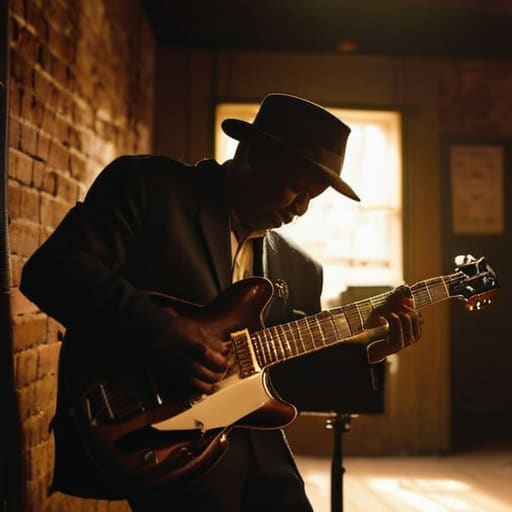
As I sit here in the quiet of my study, looking over the scribbled notes in my sketchbook, I’m reminded that finding a true blues club isn’t just about finding a stage or a setlist. It’s about the pursuit of something unfiltered. We’ve talked about the importance of seeking out those unpolished, authentic spaces and the way a truly live performance can anchor you to the present moment. Whether it’s a basement venue with peeling paint or a storied hall where the floorboards ache, the goal remains the same: to find a place where the music isn’t just a background noise, but the very heartbeat of the room.
I hope you find yourself in one of those dim, velvet-shadowed corners soon. Don’t be in such a hurry to get to the next thing; let the notes settle in your bones before you reach for your coat. There is a profound dignity in slowing down and allowing a melody to tell you a story that words simply cannot reach. In a world that insists on constant motion, I invite you to seek out the slow, intentional pauses that only the blues can provide. After all, the best parts of our lives aren’t the things we rush through, but the moments that linger long after the lights go up.
Frequently Asked Questions
How can I tell if a venue is playing genuine, soulful blues rather than just a polished, commercial version of it?
You have to listen for the imperfections. Genuine blues lives in the spaces between the notes—the slight crack in a singer’s voice or the way a guitarist lets a string buzz just a little too long. If everything sounds too polished, like it was engineered in a studio to be pleasant, it’s likely just commercial veneer. Real soul is a bit messy; it’s felt in the grit and the hesitation, not the perfection.
Is there a particular time of night when the atmosphere in these clubs truly shifts from a mere bar to something more profound?
It’s usually around 11:00 PM. There is a specific threshold where the casual chatter of the early crowd begins to thin out, and the air seems to thicken with intention. The light feels a little lower, the drinks a little slower, and the music stops being background noise and starts being the only thing in the room. That’s when the club stops being a place to drink and starts being a place to listen.
What should I look for in a club to ensure it's a place that respects the history of the music rather than just treating it as background noise?
Look for the silence between the notes. In a place that truly respects the blues, the room settles when the musician takes the stage; the clinking of glasses softens, and the chatter retreats. You’ll see it in the way the stage is positioned—not as a mere backdrop for cocktails, but as a focal point. If the music feels like an afterthought to the menu, walk away. Seek the rooms where the sound demands your presence.
