
There is a particular kind of restlessness that settles in when the sun goes down and the digital hum of the world refuses to quiet. We spend so much of our lives rushing from one obligation to the next, skimming the surface of our days without ever truly sinking in. I often find myself sitting in the corner of a dim jazz club, watching the shadows dance against the brickwork, and wondering when we lost the art of the slow pause. We crave something substantial to hold onto, yet we often settle for the fleeting noise of the present. That is why I find myself returning to the heavy, comforting weight of a well-worn spine; finding the right classic literature recommendations isn’t just about passing the time, it is about finding a way to truly inhabit a moment.
In the following pages, I want to share five specific works that have served as my anchors during those quiet, contemplative hours. These aren’t just books to be checked off a list; they are invitations to slow your pulse and listen to the echoes of the past. I will guide you through selections that offer more than just a story—they offer a soulful resonance that lingers long after you have closed the cover.
Table of Contents
The Quiet Ache of Gatsby
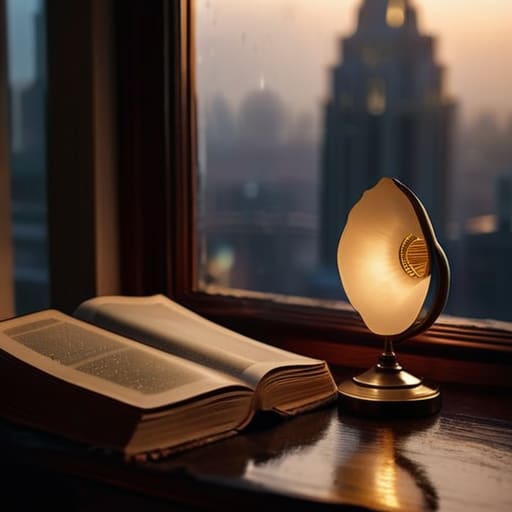
There is a specific kind of stillness that settles over a room when you realize you’re reading F. Scott Fitzgerald. I often find myself reaching for The Great Gatsby on those rainy Tuesday evenings when the city feels a bit too loud and a bit too hollow. It isn’t just about the glitz of the Jazz Age, though the prose has a certain rhythmic elegance that reminds me of a well-played saxophone solo. It is about that universal, haunting pursuit of a past that refuses to stay behind us.
Shadows in the Dust of Hardy
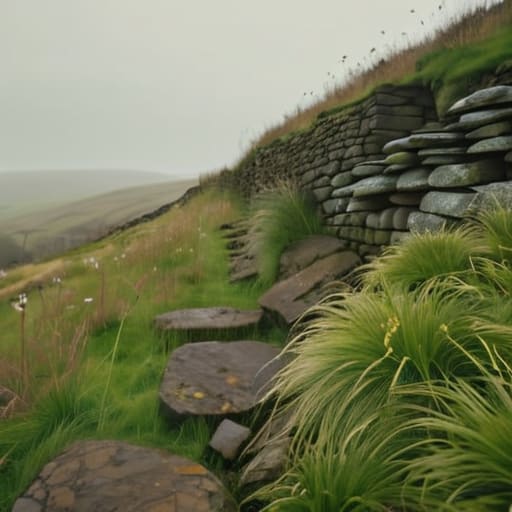
If you are looking for a story that demands you slow your pulse, Thomas Hardy is your companion. Tess of the d’Urbervilles is a heavy lift, certainly, but it is a beautiful one. There is a weight to his writing, a sense of the earth and the inevitability of time, that feels incredibly grounded. I remember sketching the old stone walls of a local estate once and thinking how much they resembled the unyielding landscapes Hardy describes so vividly.
The Moral Labyrinth of Dostoyevsky
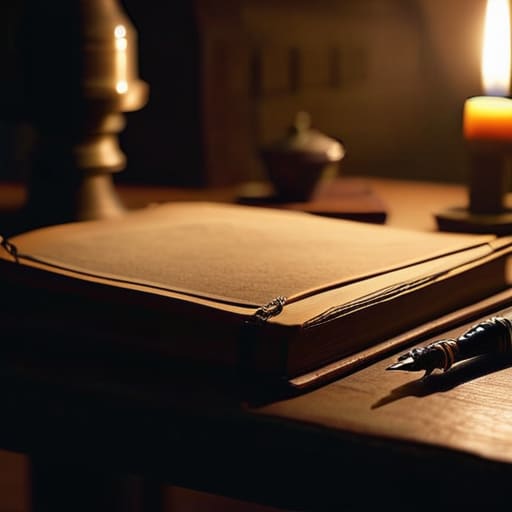
Sometimes, the soul needs to be stirred, even if it means venturing into the darker corners of the mind. Fyodor Dostoyevsky’s Crime and Punishment is not a light read, nor should it be. It is a psychological descent that feels as claustrophobic and intense as a crowded basement jazz cellar. I often find myself sitting with a notebook in hand, trying to map out the internal architecture of Raskolnikov’s feverish conscience.
Grace Amidst the Great Expectations
Charles Dickens had a way of making the soot and grime of London feel like a living, breathing character. Great Expectations is a masterpiece of atmosphere, and I find it particularly comforting during the winter months. There is a specific texture to his descriptions—the fog, the dampness, the flickering candlelight—that feels remarkably tactile and real. It reminds me of the old archives I used to manage, where every ledger seemed to hold a secret life.
The Lyrical Solitude of Woolf
Virginia Woolf does not write stories so much as she captures the very essence of a passing thought. Mrs. Dalloway is a breathtaking exercise in what I call “the art of the moment.” As I sit in my favorite armchair, I feel as though I am drifting through the streets of London alongside her, noticing the way the light hits a window or the subtle shift in a conversation. Her prose is fluid and luminous, much like a piece of improvisational jazz.
A Few Final Thoughts for the Quiet Hours
Don’t treat these books like a checklist to be completed; let them be companions that you sit with, much like a well-worn record.
The true value of a classic isn’t found in how fast you read it, but in how much of yourself you find reflected in its pages.
Allow yourself the grace to be moved by a story, and remember that the best reading happens when the rest of the world finally stops rushing.
The Weight of a Good Story
A truly great book isn’t something you simply finish; it is something you inhabit, a quiet companion that sits with you in the dim light of a late evening long after the final page has been turned.
Petra Lindgren
The Lingering Echo of a Good Story
As I sit here by the window, the streetlamps beginning to glow against the evening mist, I find myself reflecting on the weight of these particular volumes. Whether it was the haunting, rhythmic prose of the classics we discussed or the quiet, internal struggles found within those weathered pages, each book offers a different kind of sanctuary. We have looked at works that challenge our perceptions and those that simply offer a gentle companionship in the dark. These aren’t just stories to be checked off a list or skimmed during a commute; they are vessels of human experience that demand we sit still, turn the page, and truly listen to what the authors are whispering across the decades.
My hope is that you don’t feel pressured to rush through this collection. In my years in the archives, I learned that the most precious things are often the ones that require a bit of patience to uncover. Don’t treat these books like tasks to be completed, but rather like old friends waiting in the shadows for a chance to speak. So, find a corner that feels right, dim the lights, and allow yourself the luxury of a slow evening. After all, the world will still be rushing tomorrow, but tonight belongs to the stories that stay with us long after the lamp is extinguished.
Frequently Asked Questions
How do I begin diving into these classics without feeling overwhelmed by the language?
Don’t feel you must conquer them like a mountain. I used to approach old manuscripts with a certain dread, too. My advice? Keep a pencil in hand—much like I do when sketching a building—and let yourself linger on a difficult sentence. If the language feels dense, read it aloud. There is a rhythm to the old prose, a musicality that reveals itself once you stop fighting the pace and simply listen to the words.
Are there specific settings or atmospheres you recommend pairing with these books to truly get lost in them?
It isn’t just about the words on the page; it’s about the world you build around them. I find a book demands a certain stillness. I usually opt for a heavy armchair, a single lamp casting long shadows, and perhaps the soft, crackling warmth of a Miles Davis record playing at low volume. Let the room grow dim. When you quiet the outside world, you finally give the characters room to breathe.
Which of these stories do you think best captures that sense of quiet nostalgia I often find myself searching for?
If I’m being honest, it’s always been the stories that dwell in the spaces between words that stay with me. For that specific ache of quiet nostalgia, I find myself returning to the one that treats memory like a faded photograph—beautiful, but slightly out of reach. There is a certain melancholy in realizing we can never truly go back, only revisit the feeling of having been there. That’s the kind of reading that lingers.
