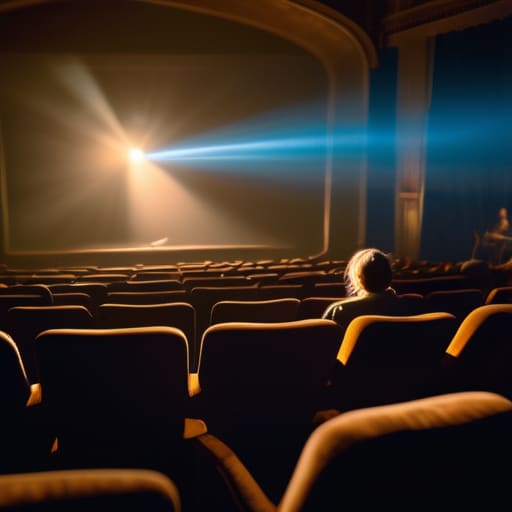
I remember sitting in the back row of a drafty community hall last autumn, the air smelling faintly of old velvet and floor wax, watching a flickering frame struggle to stay in focus. There was no polished marketing campaign or overpriced concession stand—just the raw, unvarnished hum of a projector and a room full of people breathing in unison. That is the true magic of indie film screenings; they aren’t about the spectacle or the celebrity gossip that litters our modern feeds, but about that singular, shared quiet that happens when a story actually manages to take root in your chest.
I’m not here to give you a list of the most “trending” cinematic events or tell you which festivals are worth your hard-earned money based on a critic’s whim. Instead, I want to help you find those small, dimly lit corners of the city where the film matters more than the fanfare. I’ll share my own notes on where to find the most authentic atmosphere, ensuring that when you finally step out of the dark, you’re carrying something meaningful with you.
Table of Contents
Seeking Truth in Boutique Movie Theaters
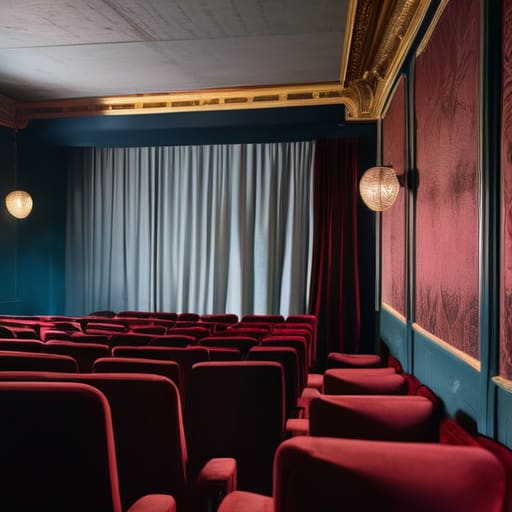
There is a specific kind of magic found in the velvet seats of boutique movie theaters, a far cry from the sterile, popcorn-scented aisles of the modern multiplex. I remember walking into a small, dimly lit house in Ann Arbor decades ago and feeling the air change; it wasn’t just about the film, but the intention behind the room. These spaces act as sanctuaries for cinematography and storytelling that refuses to be polished into something unrecognizable for the masses. In these small rooms, you aren’t just a consumer; you are a witness.
When you step into these venues, you often encounter curated film programs that feel less like a schedule and more like a conversation. There is a deliberate choice in what is shown—a rejection of the loud, frenetic spectacle in favor of something that lingers. I find myself sketching the heavy drapes or the way the light hits the projector lens, reminded that the vessel is just as important as the contents. It’s in these quiet, focused corners that we truly find the soul of the medium, away from the rush of the world outside.
The Quiet Power of Curated Film Programs
There is a specific kind of magic in a room where the films haven’t been chosen by an algorithm. When I stumble upon these curated film programs, I feel as though I’ve stepped out of the relentless stream of modern life and into a shared, intentional moment. It isn’t just about watching a movie; it’s about the way a programmer has woven a thread between disparate stories, perhaps pairing a grainy 1960s French drama with a contemporary piece of micro-budget filmmaking. It forces you to slow down and consider the connective tissue between art forms.
In these spaces, the focus shifts away from spectacle and back toward the fundamental elements of cinematography and storytelling. You begin to notice the way a shadow falls across a character’s face or the deliberate silence between lines of dialogue—details that usually get lost in the roar of a multiplex. These programs remind us that cinema is a conversation, one that requires our full, undivided attention to truly understand. It is in this quiet, focused atmosphere that the most profound stories finally find the room to breathe.
How to Truly Lose Yourself in the Cinema
- Leave the phone in your coat pocket. There is a specific kind of magic that happens when you stop checking the time and start watching the grain of the film; don’t break that spell with a glowing screen.
- Seek out the smaller, older houses. The grand multiplexes have their place, but the soul of a film often lives in a room with velvet seats and a bit of history etched into the floorboards.
- Arrive early to sit in the shadows. I’ve always found that the atmosphere of a theater begins long before the projector hums to life—it’s in the quiet murmur of the crowd and the dimming of the house lights.
- Pay attention to the curation, not just the title. A well-chosen program is like a fine jazz set; it’s about how the films speak to one another, creating a conversation that lingers long after the credits roll.
- Embrace the silence of the aftermath. When the lights come up, don’t rush for the exit. Sit for a moment, let the images settle, and allow the story to actually find its way into your bones.
The Lasting Echo of the Small Screen
It isn’t just about the film itself, but the shared silence of a room full of strangers, all leaning in to catch a story that wasn’t made for a crowded multiplex.
Choosing a curated program over an algorithm allows us to rediscover the slow magic of being surprised by something we didn’t know we were looking for.
When we step out of the theater, the real value lies in the lingering thoughts and the quiet conversations that follow—the things that actually stay with us once the projector stops.
The Texture of the Frame
“There is a specific kind of magic in a room where the audience breathes together in the dark; it’s not just about watching a film, but about honoring the quiet, unpolished truths that only a small screen and a shared silence can reveal.”
Petra Lindgren
The Last Frame
As the projector hums its final rhythm and the credits begin their slow crawl, I find myself sitting in that peculiar, heavy silence that only a truly great film can command. We’ve talked about the necessity of these boutique spaces and the intentionality behind a curated program, but it ultimately comes down to what remains when the screen goes dark. It isn’t just about the celluloid or the director’s vision; it is about the shared breath of a room full of strangers, all momentarily suspended in the same dream. These screenings offer us a rare chance to step out of the frantic, digital noise of our daily lives and step into a space where subtlety is celebrated rather than ignored.
So, the next time you feel the world is moving just a little too fast, I encourage you to seek out one of these dim, flickering sanctuaries. Don’t just go to see a movie; go to be moved, to be challenged, and to witness the quiet beauty of a story told without the need for spectacle. Let the lights stay low and the conversation linger long after you’ve stepped back onto the sidewalk. In the end, we aren’t just consuming content; we are collecting moments that give our evenings—and our lives—a sense of weight and meaning. Turn off the rush, find a seat, and just let the story settle in.
Frequently Asked Questions
How can I find these smaller, more intimate screenings if they aren't advertised in the usual mainstream places?
You won’t find these gems on a glossy billboard or a trending sidebar. You have to look where the enthusiasts linger. I find my best leads by wandering into independent bookstores or checking the bulletin boards of local jazz clubs—there’s a shared rhythm there. Follow the paper trails: small community newsletters, niche film society mailing lists, or even just a casual conversation with a clerk at a vintage record shop. The best things are usually whispered, not shouted.
Is there a particular way to prepare for a curated film program so I can truly appreciate the nuances of the director's vision?
Don’t treat it like a task to be completed. Instead, treat it like a slow meal. If you know the director, perhaps read a single, thoughtful essay about their early work—nothing too dense, just enough to prime your senses. But mostly, I find the best preparation is simply to arrive early. Sit in the dim light, let the hum of the projector settle your mind, and allow yourself the grace to be still before the first frame flickers to life.
Are these boutique theaters usually quiet enough to actually focus, or is there a social element to the viewing experience?
It’s a delicate balance, isn’t it? In these smaller spaces, there is a shared reverence for the screen. You won’t find the boisterous distractions of a multiplex here. While there is a communal energy—the collective intake of breath during a tense scene or a shared sigh—it is a respectful, quiet sort of togetherness. It’s less about socializing and more about being alone, together, in the dark. You can truly focus.
