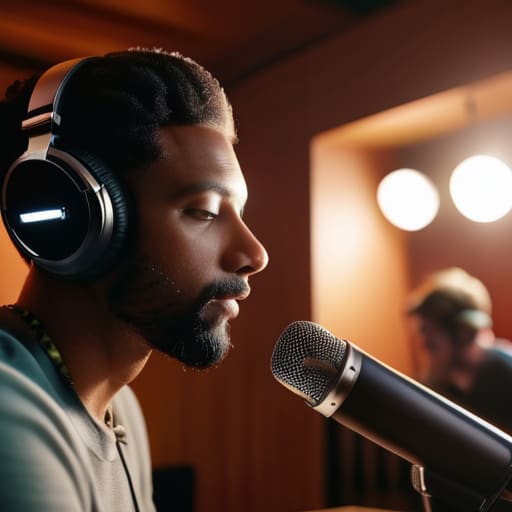
I remember sitting in a cramped, velvet-lined basement club in Chicago last autumn, watching a host fumble through a digital script while the audience sat in a sort of restless, disconnected silence. It struck me then that so many people approach live podcast recordings as if they are merely trying to replicate a studio session in a different room, stripping away the very soul that makes a performance worth the ticket price. We’ve become far too obsessed with the technical perfection of the feed, forgetting that the real magic doesn’t happen in the waveform, but in the heavy, expectant air of a room full of strangers waiting to be moved.
I’m not here to give you a checklist of the most expensive microphones or the flashiest lighting rigs on the market. Instead, I want to talk about the human element—how to cultivate an atmosphere where the conversation feels as intimate as a late-night jazz set. I promise to share what I’ve learned about navigating the beautiful unpredictability of these events, focusing on how you can turn a simple recording into a shared experience that lingers long after the final mic is cut.
Table of Contents
Mastering the Art of Recording Podcast With Live Crowds
When you move from the sterile quiet of a home studio into a room filled with breathing, reacting people, the technical requirements shift from mere clarity to a delicate dance of balance. It isn’t just about the microphones; it’s about the live audio engineering for podcasts that allows the host’s voice to sit comfortably atop the ambient hum of the room. You have to account for the clink of a glass or a sudden burst of laughter, ensuring these moments feel like part of the texture rather than a technical failure. A well-planned live podcast production setup treats the crowd not as noise to be filtered out, but as an additional instrument in the ensemble.
The true mastery, however, lies in how you weave the room into the conversation. I’ve always found that the most memorable evenings happen when the barrier between the stage and the listener dissolves. By utilizing interactive podcast formats, such as curated Q&A sessions or real-time polling, you transform a passive audience into active participants. It is in these moments of shared connection—where the energy of the room dictates the rhythm of the dialogue—that a recording truly gains its soul.
Audience Engagement Strategies for Those Quiet Shared Moments
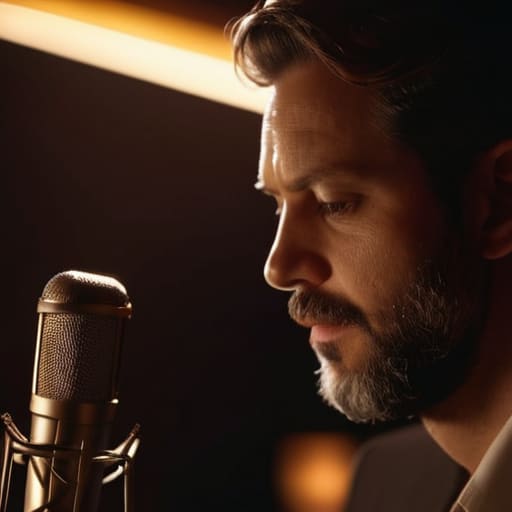
It isn’t enough to simply sit in front of a microphone and hope the room listens; you have to invite them into the conversation. When you are recording podcast with live crowd, the most effective audience engagement strategies aren’t about loud gimmicks or frantic energy. Instead, they are about intentional pauses and the courage to let a question hang in the air. I’ve found that when a host looks up from their notes and truly meets the eyes of a listener in the third row, the atmosphere shifts. It ceases to be a broadcast and becomes a shared experience, a quiet communion that feels much more like a jazz set than a lecture.
To maintain this intimacy, one must consider the technical ebb and flow of the evening. A thoughtful live podcast production setup should allow for seamless transitions between the spoken word and the spontaneous reactions of the room. You want to capture the soft laughter or the collective intake of breath that follows a poignant thought. It is in these unscripted, fragile moments that the true soul of the recording lives, tucked away between the formal questions and the planned segments.
A Few Notes on Capturing the Living Room
- Respect the acoustics of the space. A beautiful jazz club or a dim basement lounge has a voice of its own; don’t try to fight the room with aggressive noise cancellation. Let the natural reverb of the environment settle into the recording, as it’s that very atmosphere that tells the listener they are part of something real.
- Embrace the unplanned pauses. In my years in the archives, I learned that the most telling moments are often the ones between the official records. If a guest pauses to reflect, or if the audience lets out a collective, quiet sigh, leave it in. Those silences are where the humanity lives.
- Prepare for the beautiful unpredictability. Unlike a studio where you control every variable, a live crowd brings its own energy. You might have a clinking glass or a distant siren; instead of seeing these as errors, treat them as the texture of a lived moment.
- Watch the light, not just the levels. When you are recording live, your connection to the room is just as important as your connection to the microphone. If you are too buried in your technical gear, you lose the ability to read the room’s heartbeat, and the recording will feel clinical rather than communal.
- Keep the technical setup discreet. There is a certain intimacy that is lost when a mountain of cables and glowing LED screens sits between the speaker and the soul of the room. Aim for a setup that feels like a guest in the space, rather than an intruder, so the audience forgets the microphones are even there.
The Lasting Echo of a Shared Evening
Remember that the crowd is not just an audience, but a living, breathing part of the texture; lean into their energy rather than trying to polish it away.
Value the silences as much as the speech, for it is in those quiet, unscripted pauses that the most genuine human connections are often felt.
Focus on creating an atmosphere that lingers, prioritizing the intimacy of the moment over the technical perfection of the recording.
The Unseen Resonance
“A studio can capture the words, but only a room full of people can capture the weight of them; there is a certain kind of truth that only emerges when the microphone is live and the audience is breathing in unison with the speaker.”
Petra Lindgren
The Echo in the Room
As we have explored, capturing a live podcast recording is far more than a technical feat of managing microphones and ambient noise; it is an exercise in presence. From the meticulous preparation required to handle a crowd to the delicate art of leaning into those unscripted, quiet moments of connection, the process demands a certain level of intentionality. We’ve discussed how to master the acoustics of a room and how to foster a sense of shared intimacy with an audience, but at its heart, it is about more than just a clean audio file. It is about recognizing that the energy of a live room—the laughter, the collective intake of breath, and even the occasional rustle of a program—is what transforms a mere conversation into a living piece of history.
In my years spent among dusty archives, I learned that the most precious things are often the ones that cannot be perfectly replicated. A live recording is much the same. It is a fleeting, beautiful intersection of voice and atmosphere that exists only in that specific pocket of time. So, if you find yourself behind a microphone in a dim room, don’t be afraid of the imperfections. Instead, embrace them. Seek out the soul of the moment rather than the perfection of the edit. After all, we aren’t just recording words; we are capturing the way it felt to be there, sitting together in the dark, listening.
Frequently Asked Questions
How do you manage to capture the intimacy of a conversation when there is the unpredictable hum of a live crowd in the room?
It’s a delicate dance, isn’t it? You don’t fight the room; you invite it in. I’ve found that the secret lies in the placement of the microphones—getting them close enough to catch the subtle catch in a speaker’s throat, while letting the crowd exist as a soft, rhythmic texture in the background. You aren’t looking for sterile silence; you’re looking for the warmth that only a living, breathing space can provide.
Is it possible to maintain the polished quality of a studio recording without losing that raw, electric energy that only a live audience provides?
It’s the eternal tug-of-war, isn’t it? As an archivist, I’ve spent my life trying to preserve the pristine, yet I’ve always found more truth in the crackle of a worn record. You can certainly bridge that gap. It requires a delicate touch—using high-quality, directional microphones to capture the speaker’s clarity, while leaving enough “room” in the mix to let the audience’s breath and laughter settle in. Don’t polish away the soul.
How does one choose a venue that offers the right atmosphere for storytelling without letting the acoustics swallow the voices whole?
It’s a delicate balance, much like finding the right jazz club. You aren’t just looking for a room; you’re looking for a texture. Avoid those cavernous, marble-heavy halls that let sound bounce until the words lose their shape. Look for spaces with “soft” edges—heavy velvet curtains, wooden floors, or even a well-placed rug. You want a room that holds the voice close, creating an intimacy that feels like a shared secret rather than a shout.
