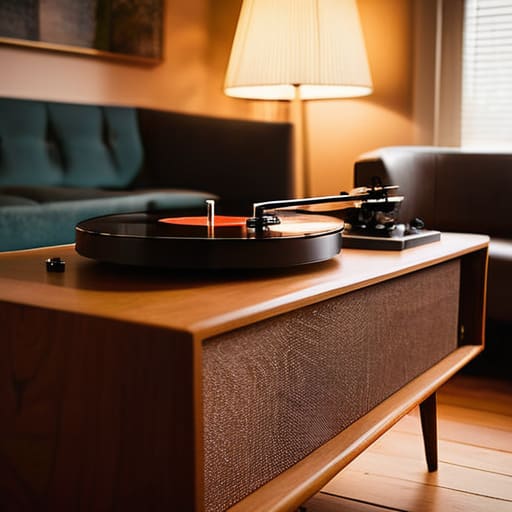
I remember sitting in my small apartment back in the late seventies, the air thick with the scent of old paper and rain, just waiting for the crackle of a needle to find its groove. There was a specific, heavy silence that preceded the music—a kind of hushed reverence that you just don’t find in the digital age. Nowadays, I see people trying to turn vinyl listening parties into these high-priced, polished social media events, complete with expensive lighting rigs and perfectly curated aesthetics. It breaks my heart a little. We’ve traded the soul of the music for the spectacle of the setup, forgetting that the whole point was never to show off, but to finally sit still.
I’m not here to sell you on a lifestyle or a piece of overpriced equipment you don’t need. Instead, I want to share what I’ve learned from decades of collecting and listening: how to actually host vinyl listening parties that feel intentional and real. I’ll guide you through the small, meaningful details—from the way you set the room to the way you choose the sequence—so you can create an evening that actually lingers in the mind long after the final track has faded into silence.
Table of Contents
Curating Vinyl Playlists for a Soulful Evening
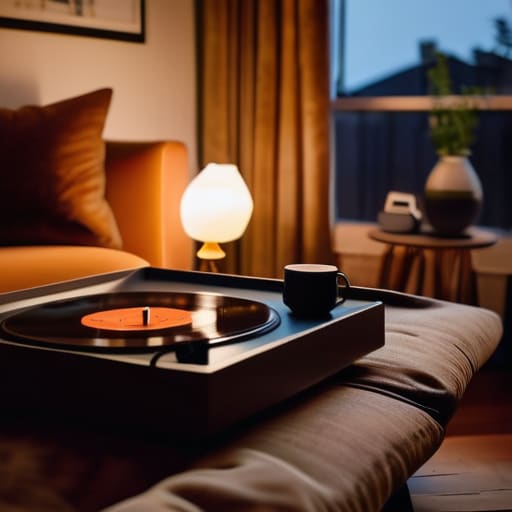
When I sit down with my notebook to plan an evening, I don’t think in terms of “tracks” or “hits.” I think in terms of texture. To me, curating vinyl playlists is less about a sequence of songs and more about building a landscape. You want to start with something that breathes—perhaps a bit of Bill Evans or some soft, brush-heavy percussion—to signal to your guests that the frantic pace of the outside world is officially over. It’s about setting a tempo that invites conversation rather than drowning it out.
As the night deepens, you can afford to be more intentional. This is where the true magic of the analog audio experience reveals itself. I find that moving from a light jazz selection into something more soulful, like a late-era Blue Note pressing, creates a natural arc. You aren’t just playing background noise; you are guiding the room through a shared emotional journey. It’s a slow build, much like the cities I used to archive—layers upon layers of history and resonance that only reveal themselves if you are willing to sit still and listen.
Building High Fidelity Sound Systems That Breathe
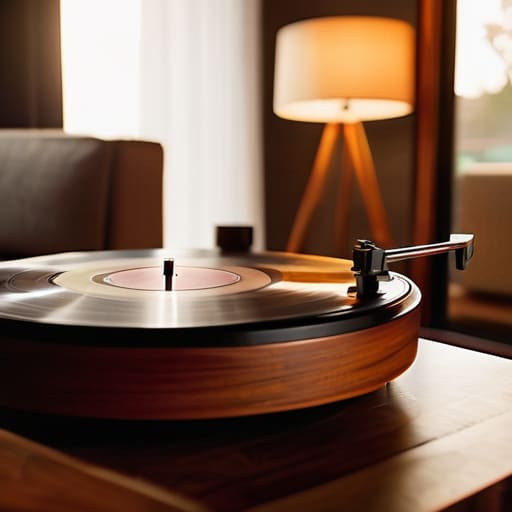
There is a common misconception that you need a room full of glowing vacuum tubes and equipment that costs more than my first house to truly hear a record. While I certainly appreciate the craftsmanship of a well-built amplifier, the heart of a great evening isn’t found in a price tag, but in the intentionality of the setup. When I’m preparing for guests, I focus on creating an analog audio experience that feels lived-in rather than clinical. It’s about finding that sweet spot where the speakers breathe, positioned just right to fill the room without overwhelming the conversation.
You want a system that invites people to lean in, not one that demands they stand at attention. I’ve found that even modest high-fidelity sound systems can achieve something magical if they are tuned to the specific acoustics of your space. It’s about the warmth of the mid-range and the way the bass settles into the floorboards. When the setup is balanced, the technology seems to vanish entirely, leaving nothing behind but the music and the company. That is when the room truly begins to feel alive.
The Small Details That Make the Difference
- Don’t be afraid of a little silence between tracks. In our rush to keep the energy up, we often forget that the space between songs is where the music actually settles into your bones. Let the crackle of the groove breathe before you flip to the next side.
- Lighting is just as important as the audio. If the room is too bright, people tend to stay in their heads; if you dim the lights and rely on a few warm lamps, they start to listen with their hearts. It’s about creating a sanctuary, not a showroom.
- Invite people who actually want to listen. There’s a difference between a party where people shout over the music and a gathering where people lean in to catch a particular bassline. Seek out the friends who understand that a shared silence can be just as profound as a shared song.
- Keep your notebook nearby, but don’t force the conversation. Sometimes the best way to honor a record is to let it be the center of gravity. If a guest wants to discuss the history of a pressing or the way a certain horn section feels, let them—but let the music lead the way.
- Serve something that demands a slow pace. A heavy meal or a frantic cocktail menu disrupts the flow. Think of something tactile and steady—a good scotch, a single type of tea, or even just a well-placed carafe of water. You want things that encourage people to linger, not to rush through.
The Essence of the Evening
It isn’t about the technical specs or the price of the turntable; it’s about creating a space where the music is allowed to be the guest of honor.
A truly soulful gathering requires us to put away the distractions and allow the crackle of the needle to become the heartbeat of the room.
Remember that the goal isn’t just to hear a record, but to inhabit the silence between the tracks and let the melodies settle into your bones.
The Weight of the Moment
“There is a profound, quiet dignity in the ritual of it all—the way the sleeve feels in your hands, the soft crackle before the first note breaks the silence, and the realization that, for once, we aren’t just consuming sound, we are actually sitting still enough to hear it.”
Petra Lindgren
The Last Note Fades
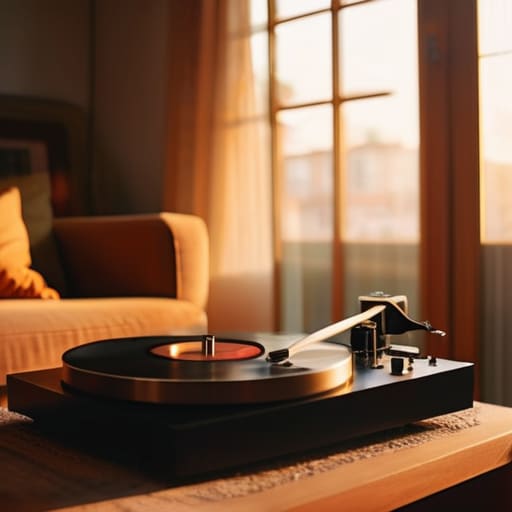
At the end of the day, hosting a listening session isn’t about owning the most expensive turntable or having a library that would make a collector weep. It is about the intention behind the ritual. We’ve talked about the importance of selecting a sequence that tells a story, the way a well-tuned system allows the room to actually breathe, and the physical act of handling a sleeve with care. When you combine a thoughtful playlist with a soundscape that respects the original recording, you create more than just background noise; you create a space where the music is allowed to be the protagonist. It is about moving away from the digital clutter and returning to the tangible warmth of a spinning disc.
As the final groove of the record reaches its end and the needle lifts with that familiar, rhythmic click, I hope you find yourself sitting in the silence for just a moment longer. Don’t rush to turn the lights up or check your phone. That quiet interval is where the music truly settles into your bones. In a world that demands we move faster and consume more, there is a profound, quiet rebellion in simply sitting still and listening deeply. Let these evenings be your anchor. After all, the things that stay with us long after the lights go up are rarely the things we rushed through.
Frequently Asked Questions
How do I balance a collection of rare, delicate pressings with the unpredictable nature of a social gathering?
It’s a delicate dance, isn’t it? I often find myself hovering near my most precious pressings, half-expecting a stray elbow to find them. My rule is simple: keep the “museum pieces” tucked away in their sleeves. For a gathering, I lean on my reliable, well-loved staples—the records that have survived decades of spins. They carry a warmth that guests can enjoy without the collective breath-holding. Let the crowd enjoy the music; let the rarities stay safe.
Is it worth investing in high-end equipment if I'm mostly playing records for friends rather than listening alone?
I’ll tell you this: music isn’t just something we hear; it’s something we inhabit. When you’re hosting, you aren’t just playing background noise; you’re setting the temperature of the room. If the sound is thin or brittle, the magic dissipates. Investing in quality isn’t about vanity or technical perfection—it’s about ensuring that when that needle drops, your friends actually feel the warmth of the recording. It makes the evening feel intentional.
How do you manage the conversation so it doesn't drown out the nuances of the music?
It’s a delicate balance, isn’t it? I’ve learned that the music shouldn’t be background noise, but it shouldn’t be a lecture, either. I suggest setting a gentle intention early on. Tell your guests that the record is the guest of honor. We keep the chatter low during the deep cuts, allowing the room to breathe. It’s in those shared silences, punctuated by a quiet observation about a bassline, that the real connection happens.
