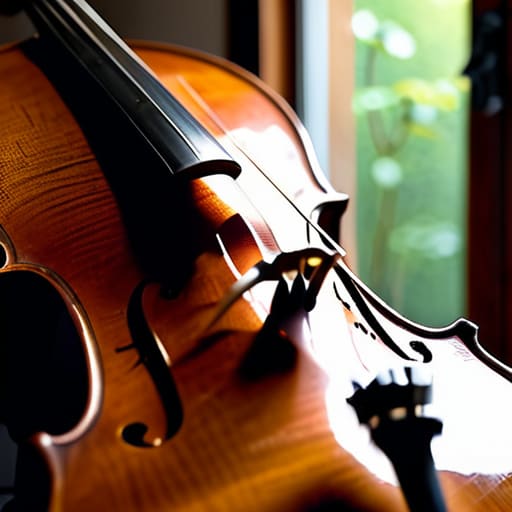
I remember sitting in a dusty corner of the university archives last autumn, the smell of aging paper thick in the air, when a stray recording of a solo cello drifted through the vents. It wasn’t just the melody; it was the way the notes seemed to anchor the room, demanding a stillness I hadn’t felt in years. People often approach the idea of music as a chore or a way to boost “cognitive performance,” treating it like another item to check off a productivity list. But they miss the point entirely. The true benefits of learning a musical instrument aren’t found in a textbook or a clinical study; they are found in those quiet, resonant moments where the rest of the world finally stops rushing.
I’m not here to sell you on a shiny, expensive hobby or promise you a seat in a grand orchestra. Instead, I want to talk about how music can serve as a sanctuary for a cluttered mind. I’ll share what I’ve gathered from decades of listening and observing—the honest, unvarnished reality of how an instrument can help you reclaim your time. We’ll skip the hype and focus on how music actually changes the texture of your evenings.
The Quiet Shift Cognitive Development Through Music
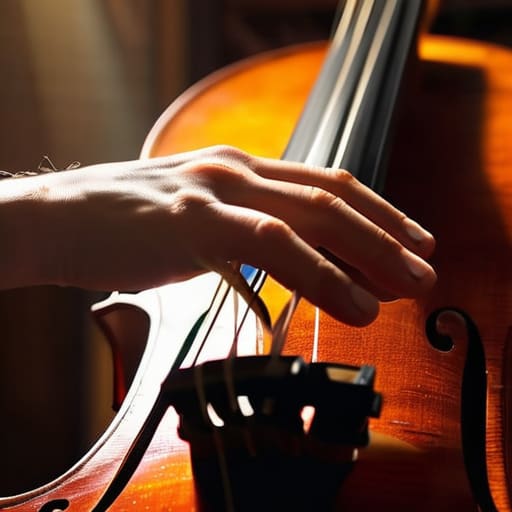
I’ve spent a lifetime looking at old manuscripts, noticing how the most intricate patterns require a certain kind of mental discipline to decipher. Music is much the same. When you sit down with a cello or a piano, you aren’t just making noise; you are engaging in a profound act of restructuring your own mind. There is a remarkable link between musical training and brain plasticity that I find endlessly fascinating. It’s as if the brain, much like a well-kept archive, begins to create new, more efficient pathways to house the complex data of rhythm and melody.
It isn’t just about the intellect, though. There is a subtle, internal recalibration that happens when you learn to listen—really listen—to the spaces between the notes. This process fosters a deep sense of emotional intelligence and music education, teaching us to interpret nuances that words often fail to capture. As the patterns of a composition settle into your consciousness, you realize that the true reward isn’t just the ability to play a piece, but the way your mind learns to find order and beauty within the complexity.
Finding Stillness Stress Relief Through Musical Expression
There is a particular kind of silence that only exists right before the first note is struck. I remember sitting in a dimly lit basement club years ago, watching a saxophonist close his eyes and lean into a melody. In those moments, the frantic pace of the world outside simply ceases to matter. When you sit down with an instrument, you aren’t just practicing scales; you are creating a sanctuary. The act of stress relief through musical expression isn’t about perfection or performing for an audience; it is about the tactile, grounding sensation of wood against your palm or the vibration of a string against your fingertips.
It serves as a necessary anchor. While my career in the archives taught me the value of preserving the past, music taught me how to inhabit the present. When the world feels too loud or the days move with an exhausting velocity, losing yourself in a rhythm allows your mind to finally settle. It is a way of tuning out the chaos and finding a steady, internal pulse. By focusing on the breath and the movement, you find a quietude that no amount of rushing can provide.
A Few Notes on Finding Your Own Rhythm
- Don’t chase perfection or a polished performance; instead, focus on the tactile sensation of the strings or the weight of the keys. It’s the physical connection to the sound that truly grounds you in the present moment.
- Allow yourself the grace to be a beginner. In my years in the archives, I learned that the most beautiful stories are often found in the messy, unpolished drafts, and your music is no different.
- Seek out the spaces where music lives. Whether it’s a local jazz cellar or a quiet corner of your living room, find a setting that encourages you to listen deeply rather than just hearing the noise.
- Make it a ritual rather than a chore. Set aside a specific time in your evening—perhaps when the light is fading—to sit with your instrument. Let it be a deliberate pause in an otherwise hurried day.
- Listen more than you play. To truly understand the soul of an instrument, you must first learn to appreciate the silence between the notes and the way a melody interacts with the air around you.
The Last Note Lingers
As I sit here in the dim light of my study, looking over my sketches of the old jazz hall from last night, I am reminded that picking up an instrument is never just about the mechanics of scales or the precision of a rhythm. We have discussed how it sharpens the mind and how it offers a sanctuary from the relentless noise of the modern world, but those are merely the side effects. The true essence lies in the way music bridges the gap between our internal chaos and a sense of profound order. Whether you are struggling through a clumsy chord on a guitar or finally finding the breath for a single, clear note on a flute, you are participating in something that reclaims your time from the rush of the everyday.
So, if you have been waiting for a sign to begin, let this be it. Do not worry about being a virtuoso or performing for a crowd; the most important audience is the one sitting quietly within yourself. Find an instrument that speaks to your soul, even if it only whispers at first. In a world that demands we move faster and produce more, choosing to learn a melody is a quiet act of beautiful rebellion. It is an invitation to slow down, to listen closely, and to finally notice the details that make a life worth living.
Beyond the solitary peace of a practice room, I’ve found that music truly begins to breathe when it is shared with others. There is a certain magic in discussing a difficult chord progression or a particularly moving melody with someone who understands the same language of rhythm and soul. If you find yourself looking for a bit of companionship or a place to exchange thoughts on the craft, finding a bit of local chat in UK can be a wonderful way to connect with kindred spirits who value the same slow, deliberate approach to learning that I do. It turns a lonely pursuit into a shared journey, making the music feel much less like a task and much more like a conversation.
