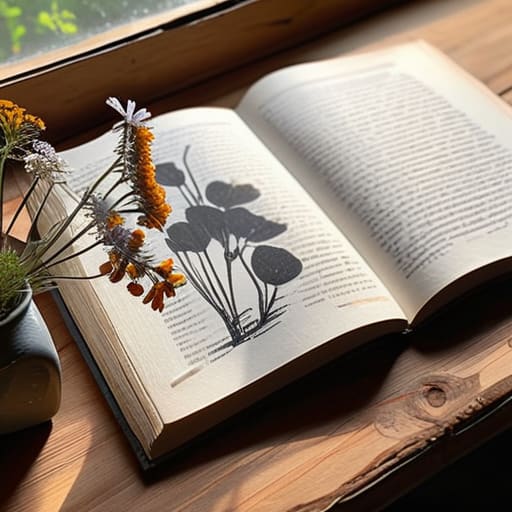
I was sitting in a corner booth at a jazz club last Tuesday, the kind of place where the air feels heavy with decades of saxophone notes and spilled bourbon, when I realized how much we’ve lost to the rush. We’ve become obsessed with “productivity” and “curated lifestyles,” treating creativity like a task to be checked off a list. I see so many glossy, expensive coffee table books that claim to teach you how to live beautifully, but they’re nothing more than hollow decor. They miss the point entirely. I’ve spent my life in archives, brushing dust off the real stories, and I know that the most profound books on the intersection of art and life aren’t the ones meant for your mantle; they are the ones that actually breathe alongside you when the world gets too loud.
I’m not here to sell you a lifestyle or a trend. Instead, I want to share a few specific titles that have actually changed the way I see the shadows on a brick wall or the way a melody lingers in a quiet room. My goal is to offer you a collection of honest, lived-in wisdom—books that encourage you to slow down, look closer, and find the art hidden in your own unremarkable Tuesday afternoons.
Table of Contents
Living Aesthetically Finding Beauty in the Smallest Details
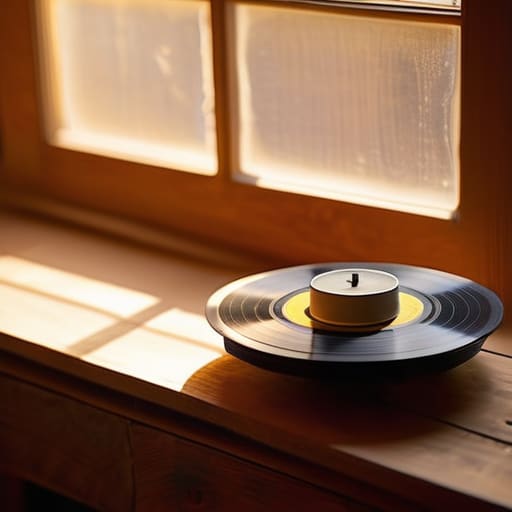
I’ve spent a lifetime in archives, surrounded by the dust of centuries, and if there is one thing I’ve learned, it’s that beauty isn’t a grand event. It’s a quiet accumulation. It’s the way the light hits a chipped ceramic mug in the late afternoon, or the specific, rhythmic scratch of a needle finding its groove on a worn jazz record. To me, integrating art into daily life isn’t about hanging expensive canvases; it’s about training your eyes to see the composition in the mundane.
When I sit down with a new volume, I’m often looking for more than just a story. I want something that touches on an artistic lifestyle philosophy—the kind of writing that reminds me to slow my breathing and actually look at the world. These pages act as a bridge, helping us move from simply existing to truly observing. It’s a way of reclaiming our time from the rush of the modern world, finding those small, intentional pockets where we can finally notice the details that most people simply walk right past.
Philosophical Literature on Creativity and the Soul
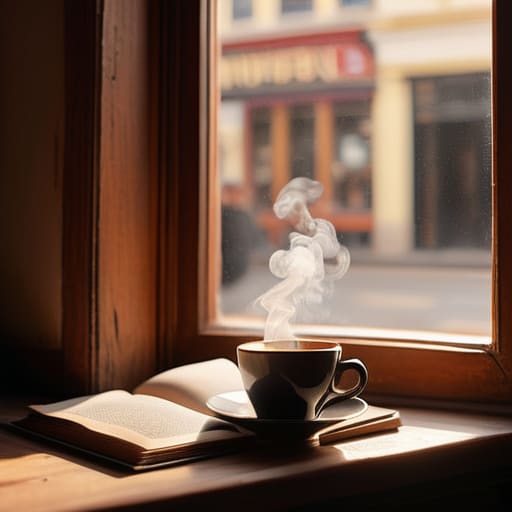
Sometimes, I find myself sitting in the back corner of a quiet cafe, the kind where the light is amber and the air smells of old paper, wondering why we struggle so much to bridge the gap between what we create and how we live. It isn’t enough to simply paint a canvas or write a melody; the real challenge lies in integrating art into daily life so that our very existence becomes a deliberate act of expression. I’ve often turned to philosophical literature on creativity to help make sense of this weight. There is a profound difference between a person who merely possesses a hobby and one who views their entire journey through a lens of intentionality.
When I leaf through these deeper texts, I’m looking for more than just theory; I’m looking for a way to anchor my soul. I find that exploring existentialism and art literature offers a certain kind of solace, reminding us that our struggle to find meaning is, in itself, a creative endeavor. It’s about understanding that the way we arrange our bookshelves or the way we linger over a single note of jazz is a reflection of our inner architecture. These books don’t just offer ideas; they offer a way to witness our own lives with more grace.
How to Let These Pages Settle Into Your Evening
- Don’t treat these books like a checklist. I used to organize archives by date and subject, but you can’t archive a feeling. Read a few pages, then close the cover and just sit with the silence for a moment. Let the ideas breathe before you rush to the next chapter.
- Find the right light. There is a specific kind of magic that happens when you read by a low lamp rather than a bright overhead bulb. It creates a perimeter around you and the text, making the intersection of art and life feel much more intimate.
- Keep a notebook nearby, much like I do when I’m sketching the cornices of an old jazz club. When a sentence strikes a chord, scribble it down. It’s not about being a scholar; it’s about capturing the way a thought makes your world feel a little more textured.
- Read with your senses in mind. If a book describes the grit of a city street or the resonance of a cello, try to find those sounds or textures in your own surroundings. It turns a solitary act of reading into a way of actually seeing the world around you.
- Avoid the urge to “finish” quickly. We live in a world that demands we consume everything at high speed, but art isn’t meant to be swallowed whole. If a particular passage makes you pause, stay there. There is no prize for reaching the final page, only for the depth of the journey.
Things to Carry With You
Don’t just read for information; read to find the places where a writer’s observation mirrors your own quietest moments.
Let these books serve as an invitation to slow your pace, much like the crackle of a needle finding its groove on a well-loved record.
Use the insights found in these pages to sharpen your own eye for the beauty that exists in the shadows and the stillness of your daily life.
The Weight of a Well-Read Page
“A truly great book doesn’t just sit on your shelf like a museum piece; it acts more like a well-worn jazz record, blurring the lines between the ink on the page and the very way you choose to walk through your own living room.”
Petra Lindgren
A Final Note from the Archives
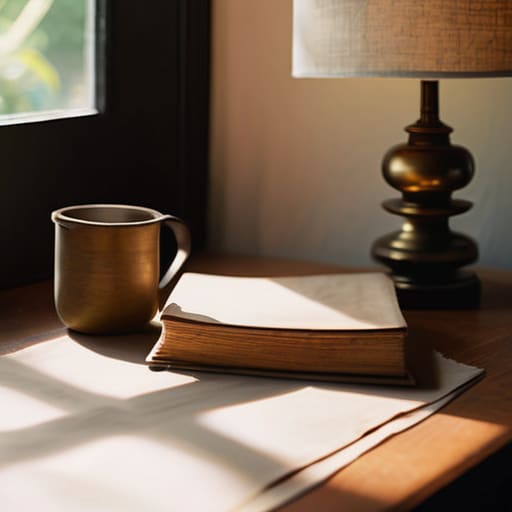
As I sit here, the light from my desk lamp casting long shadows across my latest stack of readings, I’m reminded that these books are more than just ink on paper. We’ve looked at how art isn’t something tucked away in a sterile museum, but something that lives in the way we curate our daily rituals and how we navigate the complexities of our own creative spirits. Whether it is through the lens of philosophy or the quiet observation of a lived moment, these pages serve as a reminder that true artistry is found in the integration of our passions and our mundane realities. It is about closing the gap between what we admire and how we actually exist in the world.
I often find myself sketching the corner of a room or the curve of a jazz club’s staircase, trying to capture a feeling before it slips away. I hope these suggestions encourage you to do the same in your own way. Don’t just read these words to check a box; read them to find the pauses in your own frantic schedule. Life moves far too quickly to miss the subtle textures of our own experiences. So, turn down the lights, find a comfortable chair, and allow yourself the luxury of noticing. The world is much richer when we finally decide to stop rushing through it.
Frequently Asked Questions
Are there any specific titles you'd recommend for someone who wants to start slow, perhaps something that feels more like a conversation than a textbook?
If you’re looking to avoid the heavy, academic weight of a textbook, I’d suggest starting with something that feels like a quiet chat over a glass of scotch. Try The Art of Living by various essayists, or perhaps something by Alain de Botton. They don’t lecture; they simply sit beside you and observe. These are the kinds of books you can leave open on a side table, returning to a single page whenever the evening feels right.
How do you balance reading these heavy, thoughtful books with the actual practice of living a creative life?
It’s a delicate dance, isn’t it? I’ve found that if you spend too much time lost in the theory of beauty, you forget to actually look at the light hitting a brick wall. I try to treat my reading like a rehearsal. I’ll tuck a heavy volume under my arm, but when I sit down at a café or a jazz club, I close the book. The goal isn’t to study life, but to prepare ourselves to witness it.
Do you find that certain types of music or specific environments help you better absorb the ideas in these books?
For me, it’s always about the atmosphere. I find it nearly impossible to absorb deep thought under harsh fluorescent lights or amidst the hum of a modern cafe. I prefer the low, warm crackle of a jazz record—something instrumental, like Bill Evans, that breathes without demanding my attention. A dim room and a bit of melodic texture create a sanctuary. It’s that specific stillness that allows the words on the page to finally settle.
