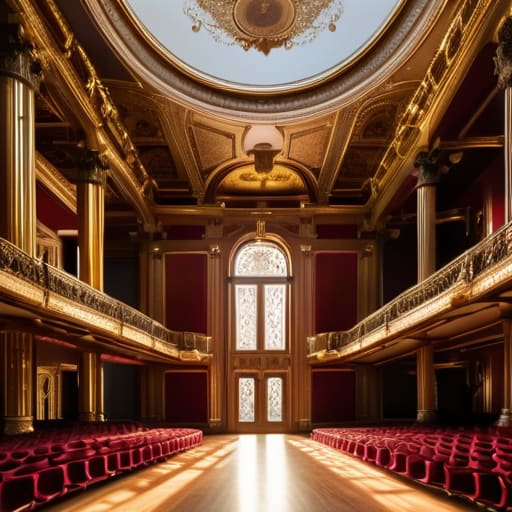
I remember sitting in the back row of a drafty theater in Detroit, the air smelling faintly of old velvet and floor wax, watching a soprano hit a note so pure it seemed to stop the very clock on the wall. For years, people have told me that opera houses are merely playgrounds for the elite, places where you must dress in stiff finery just to feel permitted to sit in the dark. But they miss the point entirely. It isn’t about the price of your ticket or the pedigree of your neighbors; it is about that singular, breathless moment when the orchestra swells and the rest of the world simply fades into the shadows.
I’m not here to give you a lecture on vocal ranges or a guide to the most expensive seats in the house. Instead, I want to share how you can find the soul of these grand spaces without the pretense. I’ll guide you through the architecture, the acoustics, and the quiet magic that makes these venues worth your time. We aren’t looking for a social spectacle; we are looking for the art of the lingering note and a reason to finally slow down.
Table of Contents
The Grand Opera History Written in Stone
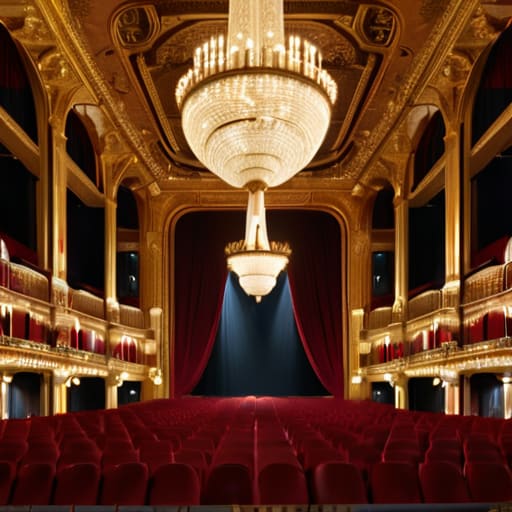
When I spent my years tucked away in archives, I learned that buildings are rarely just piles of stone and mortar; they are vessels for the stories we tell ourselves. As I trace the lines of a gilded balcony or a heavy velvet curtain, I can’t help but feel the weight of the grand opera history etched into these spaces. These structures weren’t merely built to house singers; they were designed to elevate the human spirit, creating a sanctuary where the outside world finally falls away.
I often find myself sketching the intricate carvings around the proscenium, thinking about the sheer architectural significance of opera houses as monuments to our collective desire for beauty. There is a deliberate geometry at play here, a way the ceilings are vaulted to catch a single, soaring soprano note and carry it to the very back row. Even the way the light hits the dust motes in the foyer feels intentional, as if the building itself is preparing you for the drama about to unfold. It is a slow, magnificent kind of permanence that we rarely encounter in our modern, disposable world.
The Architectural Significance of Opera Houses and Their Grace
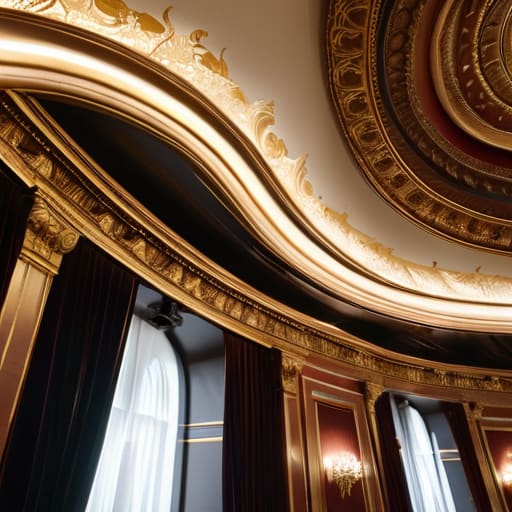
When I sit in the velvet-lined stalls, I find myself looking past the stage and toward the ceiling, tracing the gilded moldings with my eyes. It isn’t just vanity; there is a profound architectural significance of opera houses that dictates how we experience sound. These buildings weren’t merely designed to hold crowds; they were engineered as massive, breathing instruments. The curve of a balcony or the specific slope of the floor isn’t just for sightlines—it is a deliberate attempt to cradle the melody and carry it to the very last row.
I often find my pen hovering over my notebook, trying to capture the way light hits the marble in the foyer. There is a grace in the way these structures balance sheer scale with intimate detail. Even the hidden mechanics, like the depth of the orchestra pit acoustics, are part of a larger, invisible choreography. When the lights dim, you realize the building itself is a participant in the performance, a silent partner that ensures every crescendo feels as though it is vibrating within your very bones.
How to Truly Settle Into the Evening
- Arrive early enough to sit in the lobby for a while. Don’t rush straight to your seat; let the weight of the building and the murmur of the crowd settle your nerves first.
- Seek out the acoustics of the upper tiers. While the boxes are grand, there is a certain honesty in the sound when you’re tucked away in the higher reaches of the house.
- Put your phone away before the first note even strikes. An opera house is a sanctuary of focus, and the glow of a screen is a thief of the collective atmosphere.
- Pay attention to the velvet and the wood. I often find myself sketching the grain of the railings or the way the light hits the fabric; these textures are part of the performance.
- Stay for the silence after the final curtain. The heavy, expectant quiet that follows a great aria is just as important as the music itself.
Lessons from the Velvet and the Stone
An opera house is more than just a building; it is a deliberate pause in a world that moves far too quickly, designed to make you sit still and listen.
To truly appreciate the music, one must first learn to appreciate the architecture, for the very shape of the room is what carries the soul of the performance to your ears.
The real magic happens in the quiet details—the weight of the velvet curtains and the dimming of the lights—moments that demand we stop rushing and start noticing.
The Weight of the Silence
“You can tell everything about a city by the way its opera house holds its breath; it isn’t just a building of marble and velvet, but a vessel designed to catch the very moment a human voice touches something eternal.”
Petra Lindgren
The Echo That Remains
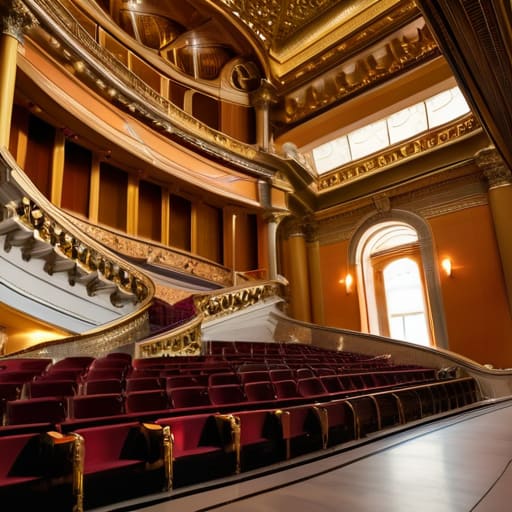
As I sit here in the quiet of my study, looking over my sketches of those sweeping staircases and gilded ceilings, I am reminded that an opera house is far more than just a feat of engineering or a museum of historical styles. It is a vessel designed specifically to hold human emotion. We have traced the heavy weight of history carved into their facades and marveled at the way their very architecture seems to bend toward the stage, guiding our focus and our breath. From the grand, sweeping narratives of the past to the meticulous craftsmanship of the stone itself, these venues serve as the ultimate stage for the intersection of art and permanence.
My advice to you, as you plan your next evening out, is to not simply go to see a show, but to go to inhabit the space. Don’t rush through the lobby or check your watch during the intermission. Instead, let yourself get lost in the velvet shadows and the scent of old wood. Find a seat where you can feel the vibration of the orchestra in your very bones. In a world that demands we move faster every single day, let the opera house be your permission to finally slow down. After all, the most beautiful things in life are those that demand our full, quiet attention.
Frequently Asked Questions
How does one find the right balance between the grand spectacle and the intimate, quiet moments of a performance?
It’s a delicate dance, really. I’ve found that the secret lies in where you place your attention. If you focus only on the gilded ceilings and the sweeping sets, you might miss the human truth of the piece. I try to lean into the quiet—the sharp intake of breath from a neighbor or the way a single spotlight catches a performer’s expression. The spectacle draws you in, but the intimacy is what stays.
Are there specific architectural details I should look for to truly understand the soul of an older house?
Don’t just look at the grand façades; look for the hand of the maker. I always find myself tracing the grain of hand-carved banisters or the way light hits a stained-glass transom. Look at the joinery in the woodwork and the weight of the brass hardware. Those small, tactile details—the things meant to be touched, not just seen—are where the house breathes. That is where the soul resides.
For someone used to the grit of a jazz club, how does one best prepare for the formal stillness of an opera house?
It’s a bit of a gear shift, I’ll admit. If a jazz club is a conversation over whiskey, an opera house is a shared meditation. Don’t let the velvet and gold intimidate you. My advice? Arrive early to sit in the dimness and just breathe. Let the scale of the room settle in your bones. You aren’t there to watch a show; you’re there to let the silence prepare you for the first note.
