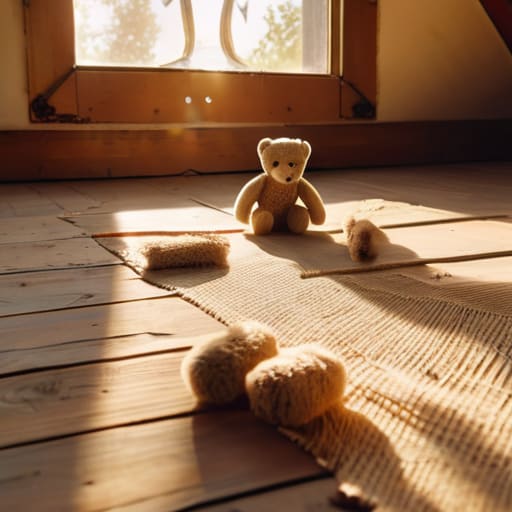
There is a particular kind of quiet that settles in during the late hours, the kind that makes you reach for a record player just to fill the space. As I sit here with my notebook, watching the streetlights flicker against the window, I often find myself drifting backward. We spend so much of our adult lives rushing toward the next deadline or the next obligation that we forget the texture of who we used to be. I’ve always felt that certain novels about childhood nostalgia act as more than just stories; they are sensory time machines. They capture that specific, aching sweetness of a summer that felt infinite and the way the world looked before we learned how to look past the magic.
I wanted to gather a few pieces of literature that don’t just recount memories, but actually inhabit them. In the following pages, I’ve selected five books that I believe masterfully navigate the labyrinth of the past. These are stories that will help you rediscover the lingering echoes of your own history, offering a way to sit with your memories rather than running from them. Let’s take a slow walk through these pages together.
Table of Contents
The Golden Haze of a Summer Long Gone

There is a particular kind of ache that comes with reading Ray Bradbury’s Dandelion Wine. It isn’t a sharp pain, but rather a slow, rhythmic pulse, much like the crackle of a needle finding its groove on an old jazz record. He captures that specific, fleeting magic of being young—the feeling that the summer might actually last forever if you only breathe deeply enough.
Shadows in the Attic of Memory

Kazuo Ishiguro has a way of writing that reminds me of the dim, amber-lit corners of a basement archive. In Never Let Me Go, nostalgia isn’t a warm blanket; it is a haunting, quiet presence that follows the characters through their lives. It explores how we cling to the fragments of our past, even when we know those fragments are fragile and perhaps even illusory.
The Bittersweet Weight of Growing Up
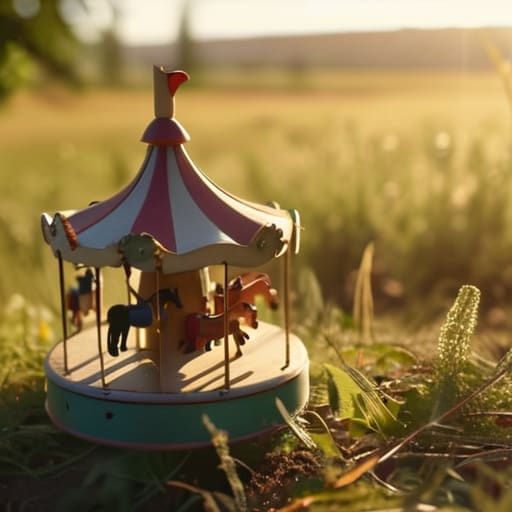
When I think of the transition from the innocence of childhood to the complexities of adulthood, I inevitably turn to The Catcher in the Rye. While many see it as a mere coming-of-age tale, to me, it feels like a lament for the lost. Holden Caulfield’s struggle against the “phoniness” of the world is really just a desperate, beautiful attempt to protect the sanctity of childhood.
A Tapestry of Lost Landscapes
Marilynne Robinson’s Gilead is a masterpiece of stillness. It reads like a series of carefully preserved letters found in a cedar chest, each one more precious than the last. Through the eyes of an aging minister, we see the landscape of his youth not as a distant memory, but as a living, breathing entity that continues to shape his soul.
The Ghostly Echoes of Childhood
There is a certain melancholy in revisiting To Kill a Mockingbird that I find increasingly profound as I get older. While the central themes of justice and morality are paramount, it is the atmosphere of Maycomb that lingers in my mind. It captures that peculiar, heavy stillness of a small town where every shadow seems to hold a secret.
The Lingering Notes of Memory
Nostalgia isn’t just a feeling; it’s a sensory reconstruction of the past that requires us to slow down and listen to the quietest parts of our own history.
Great literature doesn’t just recount old stories—it captures the specific, heavy ache of realizing that while we can revisit a place through a book, we can never truly inhabit it again.
Finding beauty in the “long ago” allows us to appreciate the texture of our present, reminding us to notice the small, fleeting details before they become nothing more than ink on a page.
The Weight of a Memory
There is a particular kind of ache in a well-written book—not a sharp pain, but a dull, heavy warmth, like the smell of an old library or the way the light used to hit the floorboards in your childhood bedroom before the world got so loud.
Petra Lindgren
The Lingering Echo of the Past
Looking back through these stories, it becomes clear that nostalgia isn’t just a simple longing for what we lost; it is a complex, often bittersweet map of who we used to be. Whether it was the sun-drenched afternoons of a summer long gone or the quiet, heavy ache of a house that no longer feels like home, these novels remind us that our earliest memories form the very foundation of our present selves. Each book we’ve discussed serves as a different kind of archive, preserving the sensory details—the smell of old paper, the sound of a distant screen door, the specific light of a childhood dusk—that might otherwise fade into the gray fog of time.
As I sit here tonight, watching the shadows stretch across my desk, I am reminded that we shouldn’t fear these ghosts of the past. Instead, we should invite them in, much like the crackle of a needle finding its groove on a vintage jazz record. Don’t be in such a hurry to reach the next chapter of your life that you forget to honor the one you’ve already lived. Take a moment to sit in the quiet, pick up one of these books, and allow yourself to linger in the memory. After all, the most beautiful parts of our history are often found in the smallest, most delicate echoes.
Frequently Asked Questions
Are there any specific authors who capture that bittersweet feeling of growing up without being overly sentimental?
I often find myself thinking about Kazuo Ishiguro for exactly that reason. He has this uncanny ability to touch upon the ache of the past without ever leaning into cheap sentimentality; it’s always quite restrained, much like a well-played cello suite. You might also look toward Marilynne Robinson. Her prose doesn’t shout about loss, but it lingers in the quiet spaces of memory, much like the dust motes dancing in a late afternoon sunbeam.
Which of these books would you recommend if I'm looking for something more atmospheric and lyrical rather than plot-driven?
If you’re looking to lose yourself in the atmosphere rather than chase a plot, I’d lean toward the ones that feel more like a slow jazz composition. You want a book where the prose breathes—where the setting is a character itself. Look for the titles that prioritize the ache of a memory or the way light hits a dusty room. Those are the stories that linger, much like a fading note in a quiet club.
Do you think there is a particular genre, like magical realism, that handles the concept of childhood memory more effectively than others?
I’ve often found that magical realism is the perfect vessel for memory. When we look back, our recollections aren’t precise historical records; they are colored, heightened, and sometimes slightly surreal. A memory of a summer afternoon isn’t just heat and light—it’s a feeling that seems to defy physics. Magical realism allows a writer to capture that internal truth, where the line between what actually happened and how it felt becomes beautifully blurred.
