I remember sitting in a dim, velvet-lined theater back in the late seventies, the air smelling faintly of floor wax and old paper. The film ended, the house lights slowly rose, and yet I found myself unable to move. It wasn’t the actors or the grand spectacle that held me captive; it was that low, mournful cello melody that seemed to vibrate in my very marrow. People often mistake a film’s score for mere background noise, but a truly great soundtrack to movies is the invisible thread that sews the emotion of a scene into your skin. It is the difference between merely watching a story and actually feeling it.
I have no interest in discussing technical jargon or the bloated marketing budgets of modern blockbusters. Instead, I want to talk about the melodies that stay with you when the credits roll and the room falls silent. I promise to guide you through the compositions that possess a real soul—those rare pieces of music that demand a slow, intentional listen. We aren’t just looking for catchy tunes here; we are searching for the sounds that linger in the quiet corners of your mind long after the lights go up.
Table of Contents
The Quiet Power of Orchestral Film Scores
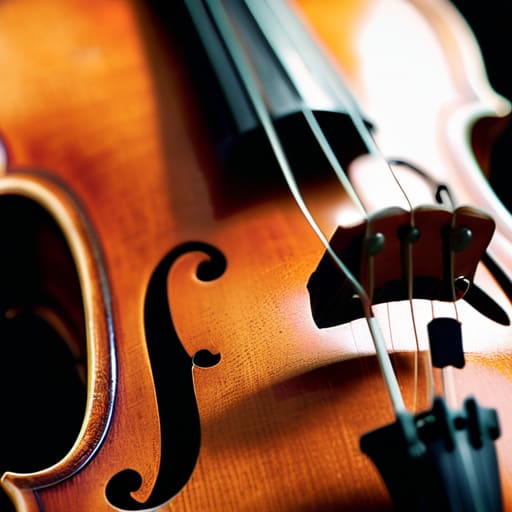
There is a specific kind of weight that settles in a room when a full orchestra begins to swell behind a scene. Unlike the more modern, electronic textures we often encounter, orchestral film scores possess a breathing, organic quality that feels almost human. I often find myself sitting in the dim light of my study, letting a score wash over me, marveling at how a single cello melody can articulate a grief that words simply cannot reach. It isn’t just background noise; it is the very pulse of the story.
When we look closely at the impact of music on film narrative, we see that these compositions act as an invisible guide for our emotions. A composer uses subtle musical motifs in filmmaking to signal a character’s descent or a sudden moment of hope, often before the actor even delivers a line. It is a delicate dance between what we see and what we feel. These grand arrangements don’t just accompany the image; they provide the emotional architecture that holds the entire cinematic experience together, leaving a resonance that lingers long after the credits have finished rolling.
How Musical Motifs in Filmmaking Capture the Soul
I’ve always found that a great film doesn’t just tell you a story; it whispers it to you through recurring patterns. In my years working with archives, I learned that history is rarely a straight line—it’s a series of echoes. Musical motifs in filmmaking work in much the same way. A simple, three-note sequence can act as a ghost, haunting a character or signaling a shift in the wind before a single line of dialogue is even spoken. It’s a subtle form of storytelling that bypasses the intellect and goes straight for the heart.
When a composer weaves these threads into the fabric of a scene, they create a sense of inevitability. You might find yourself humming a melody without even realizing why, only to feel a sudden chill when that same theme returns, perhaps stripped down to a single, lonely cello. This isn’t just background noise; it is the emotional architecture of the piece. By understanding the delicate balance between diegetic vs non-diegetic music, a director can blur the lines between the character’s reality and the audience’s subconscious, making the cinematic experience feel less like a viewing and more like a memory.
How to Truly Listen to the Stories on Screen
- Don’t just watch; listen. Next time you sit down with a film, try to lean back and let the soundscape wash over you before you focus on the dialogue. Sometimes the most important things being said are the ones without words.
- Pay attention to the silence. In my years among the archives, I learned that what isn’t there is often as vital as what is. A well-placed pause in a score can hold more emotional weight than a swelling crescendo.
- Notice the texture of the instruments. There is a world of difference between the cold, precise pluck of a violin and the warm, dusty hum of a cello. Identifying these textures helps you understand the very mood the director is trying to weave.
- Watch for the subtle repetition. Like a recurring theme in a history book, a musical motif acts as an anchor. When you hear a melody return in a different key or tempo, stop and ask yourself how the character has changed since they first heard it.
- Keep a small record of your discoveries. I often find myself jotting down a specific arrangement or a haunting woodwind melody in my notebook. Even if you aren’t a musician, noting what moved you helps you build a personal map of the sounds that stay with you.
The Echoes We Carry Home
A great score isn’t just background noise; it is the emotional connective tissue that allows a scene to breathe and stay with us long after the credits roll.
When a composer uses a recurring motif, they aren’t just repeating a melody—they are weaving a thread of memory that guides our understanding of a character’s journey.
To truly appreciate film music, we must learn to slow down and listen, treating the soundtrack not as a secondary element, but as the very heartbeat of the story.
The Echo in the Silence
A great film score isn’t just background noise for the eyes; it is the invisible architecture of a memory, the thing that reaches out from the shadows to hold your hand when the story finally reaches its end.
Petra Lindgren
The Echoes We Carry Home
As I sit here in the dim light of my study, flipping through my notebook, I realize that film music is far more than mere background noise. It is the invisible thread that sews the visual tapestry together, using the grand weight of an orchestral score to ground us and the subtle repetition of a motif to map the very landscape of a character’s heart. We have explored how these sounds function not just as accompaniment, but as a profound language of their own—one that speaks to the parts of us that words often fail to reach. When we truly listen, we find that the music doesn’t just support the story; it becomes the story.
So, the next time you find yourself sitting in the dark of a cinema or the quiet of your own living room, I urge you to do something radical: slow down. Don’t just watch the images flicker by; let the melodies wash over you and settle into your bones. There is a certain kind of magic in allowing a piece of music to dictate the rhythm of your breathing. In a world that demands we move faster and louder, let the haunting beauty of a film score remind you of the value of a quiet moment. After all, the most important parts of a film aren’t always what we see, but the melodies that linger long after the credits have finished their slow crawl into silence.
Frequently Asked Questions
How can I begin building a collection of film scores that actually holds up when I listen to them on vinyl at home?
Don’t rush to buy everything at once. Start with the classics that demand a physical presence—think Ennio Morricone or Bernard Herrmann. When you’re browsing, look for the wide-groove pressings; you want a recording that breathes. I always ask myself: “Does this melody possess enough weight to command a room?” If a score can hold your attention without the visual aid, it’s worth the investment. Build slowly, one intentional piece at a time.
Is there a way to distinguish between a score that is merely background noise and one that truly drives the emotional weight of a scene?
It’s the difference between a wallpaper and a heartbeat. Background noise—what I call “sonic upholstery”—simply fills the silence so the room doesn’t feel empty. But a score that drives the weight? That’s when the music begins to argue with the dialogue or, more often, says what the characters are too afraid to speak. If the scene feels hollow when you imagine it in silence, the music wasn’t just playing; it was breathing.
Where can one find those rare, understated soundtracks that don't rely on grand orchestras but instead use subtle, atmospheric sounds to tell a story?
You’ll find those treasures in the margins, far from the sweeping crescendos. I often look toward the minimalist masters—think of the sparse, textured layers in films by Hirokazu Kore-eda or the subtle, ambient pulses in modern indie dramas. I find myself digging through boutique vinyl labels like Mondo or Waxwork, searching for those small-batch pressings. It’s about seeking out the composers who treat silence as an instrument rather than something to be filled.
