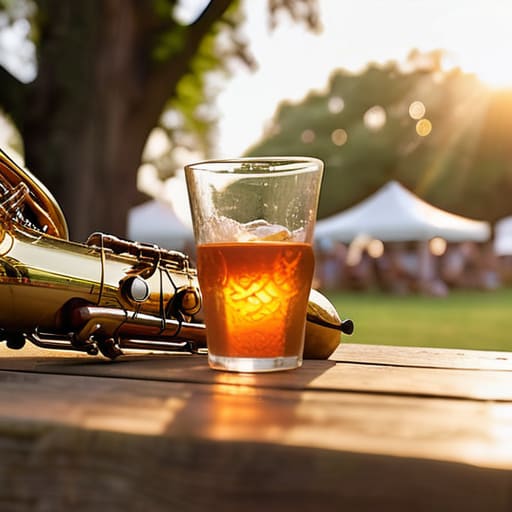
I remember sitting in a cramped, velvet-lined corner of a basement club in Chicago, the air thick with the scent of old wood and rain-dampened wool. There was no flashing neon or overpriced VIP lounge; there was only the low, resonant thrum of a double bass that you felt in your very marrow. It’s a far cry from the way many modern jazz festivals operate today—those sprawling, chaotic marathons that feel more like a frantic race to check a lineup off a list than a true communion with sound. We’ve traded intentional listening for the sheer noise of the crowd, and in the process, we’ve lost the quiet magic that makes the music breathe.
I’m not here to give you a glossy brochure or a list of the most expensive tickets in the city. Instead, I want to share how you can navigate these events to find the soul beneath the spectacle. I’ll guide you through the art of choosing the right venues, avoiding the hollow hype, and finding those rare, stolen moments where the music actually stays with you long after the final note has faded.
Table of Contents
Seeking the Soul of the Jazz Festival Lineup 2024
When I sit down with a program or scroll through the announcements for the upcoming season, I don’t look for the biggest names or the loudest crowds. I look for the gaps between the notes. Studying the jazz festival lineup 2024 feels a bit like leafing through an uncatalogued collection of rare manuscripts; you have to look past the surface to find the real treasures. I find myself drawn to the names that suggest a certain bravery—the artists who aren’t afraid to let a melody fracture and rebuild itself in real-time.
There is a profound weight to improvisational jazz performances that a studio recording simply cannot capture. In a live setting, you aren’t just listening to a song; you are witnessing a conversation between strangers, a fleeting moment of shared vulnerability that exists only for that specific hour. I often find myself sketching the way a soloist leans into a crescendo, trying to pin down that sense of spontaneous creation in my notebook. It’s in these unscripted exchanges that the true essence of the genre reveals itself, reminding us that the most beautiful things in life are often the ones we cannot plan.
The Art of Slowing Down Through Live Jazz Concert Experiences
I’ve often found that the true magic of these events isn’t found in the crowded main stages, but in the quiet moments between the sets. When you step into the shade of a courtyard or a dimly lit tent, the frantic pace of the modern world seems to fall away. It is in these live jazz concert experiences that I find my rhythm again. You aren’t just listening to a melody; you are witnessing a conversation. There is a profound, meditative quality to watching a musician lean into a solo, lost in the moment, reminding us that the best things in life cannot be hurried or digitized.
There is a specific kind of grace in watching the interplay of a small group. As I sit with my notebook, I find myself sketching the way the light hits the brass of a saxophone or the focused intensity of a drummer. Watching these improvisational jazz performances teaches you a lesson in presence. You learn to sit with the tension of a minor chord and the release of a resolution, realizing that life, much like a good composition, requires both the pauses and the crescendos to truly mean something.
A Few Small Rituals for a Meaningful Festival Season
- Leave the itinerary at home. While I understand the urge to see every big name on the marquee, the real magic usually happens when you wander toward a side stage or a small courtyard just because a saxophone caught your ear through a cracked window.
- Pack a physical notebook. There is a certain weight to sketching the silhouette of a performer or scribbling down a melody’s progression that a digital screen simply cannot replicate. It forces you to stay present in the moment.
- Arrive early to claim your stillness. Don’t wait for the headliner to find your spot; get there when the sun is still low and the venue is quiet. It allows you to settle into the architecture of the space before the crowd arrives.
- Listen to the silence between the notes. We often get so caught up in the crescendo that we forget the importance of the pauses. A great festival isn’t just about the sound; it’s about how the music makes the air around you feel.
- Seek out the local haunts near the venues. The festival is only half the story. The true spirit of the music often lives in the dim, narrow streets and the quiet corner bars where the local musicians go to exhale after the final set.
The Lasting Echo: What to Carry Home
Don’t just chase the headliners; look for the quiet moments between sets where the true character of the festival reveals itself.
Treat the music as a companion to the atmosphere, allowing the dim lights and the shared stillness of the crowd to deepen your connection to the notes.
Leave the rush behind and focus on the details—the texture of the sound, the architecture of the venue, and the way a melody lingers long after the final applause.
The Rhythm of the Pause
“A jazz festival isn’t just a collection of scheduled sets; it’s a rare permission to stop running. It’s found in those quiet, stolen moments between the crescendos, where the air feels heavy with history and the only thing that matters is the way a single saxophone note can make the rest of the world fade into the shadows.”
Petra Lindgren
The Echo in the Silence
As the final sets wind down and the festival grounds begin to quiet, I find myself sitting on a weathered bench, scribbling a few final notes in my sketchbook. We’ve talked about the importance of looking past the marquee names to find the true heartbeat of a lineup, and the necessity of letting the music breathe rather than rushing from one stage to the next. A festival isn’t just a checklist of performances to be conquered; it is a curated collection of moments designed to pull us out of our frantic, daily rhythms. Whether it was a sudden, soaring trumpet solo under a summer moon or the quiet intimacy of a trio in a shadowed corner, these are the fragments that truly matter.
In the end, the music is merely the vessel. What we are really searching for is that rare, fleeting sense of connection—to the artist, to the stranger sitting beside us, and most importantly, to ourselves. Don’t be afraid to miss a headliner if it means staying a little longer to hear a local player find their groove. The world will always be loud, and the clock will never stop its relentless ticking, but for a few hours under the festival lights, we can choose to exist in the pauses. Go find your rhythm, stay for the encore, and let the melody linger long after you’ve returned home.
Frequently Asked Questions
How do I find those smaller, more intimate performances that aren't buried under the main stage announcements?
You have to look past the bright lights of the main stage. I usually find the real magic by tucking into the festival’s printed program—the physical one, if they have it—and hunting for the smaller venues or “side stages” tucked into alleyways or basement lounges. I also like to wander. Sometimes, following the sound of a lone saxophone through a side door leads you to a room far more soulful than any headline act.
Is there a particular way to prepare for a festival so I can actually absorb the atmosphere rather than just rushing from one set to the next?
I’ve learned the hard way that a festival isn’t a checklist; it’s an atmosphere. My advice? Leave the printed schedule in your pocket. Instead, pick two or three performances that truly call to you and let the rest be serendipity. Arrive early to find a quiet corner—maybe a stone bench or a dim alcove—and just sit. Let the ambient noise settle in your bones before the first note even strikes.
What should I look for in a festival's history or venue choice to ensure it has that authentic, soulful character?
I always look for the ghosts in the architecture. A festival held in a sterile convention center will never capture the spirit of one tucked into a basement club or an old stone courtyard. I check the venue’s lineage; does it have a history of hosting artists, or is it just a rented space? I look for festivals that honor their roots, where the history of the music is etched into the very walls of the stage.
