
I remember sitting in a dimly lit jazz cellar in Chicago back in the late seventies, the air thick with the scent of old mahogany and expensive tobacco. The pianist began a solo that felt like a sudden shift in the weather; one moment we were bathed in the golden light of a summer afternoon, and the next, we were drifting through a cold, blue fog. It was in that moment, watching the way the shadows stretched across the floor, that I truly grasped the difference between major and minor keys. It wasn’t a mathematical equation or a dry lecture from a textbook; it was a visceral shift in the soul that you feel in your chest before your brain even has a chance to name it.
I have no interest in drowning you in technical jargon or complex music theory that feels more like a chore than a conversation. Instead, I want to share what I’ve learned from decades of listening to the records that actually matter. I promise to strip away the academic pretense and help you understand these tonal shifts through the lens of human emotion. We are going to look at how these keys shape the stories we tell and the memories we keep, ensuring you leave this evening with a deeper appreciation for the music that lingers long after the final note fades.
Understanding Musical Mood and Tonality Through Light
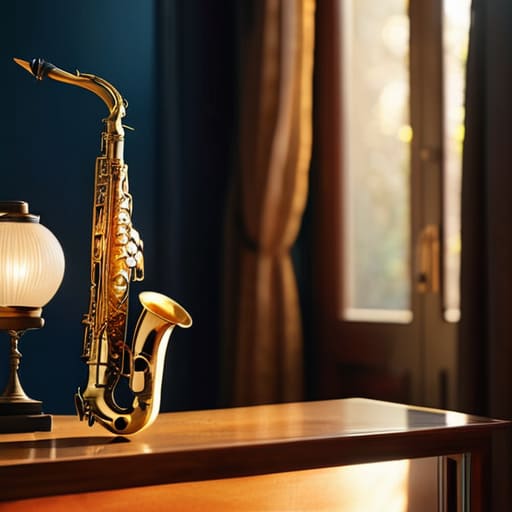
When I sit in the corner of a dimly lit jazz club, watching the amber glow of a desk lamp catch the brass of a saxophone, I’m reminded that music behaves much like light. A major key feels like that golden, midday sun spilling through a tall window—it is clear, direct, and unapologetically bright. It provides a sense of stability and resolution. In contrast, a minor key is the soft, blue twilight that creeps into the corners of a room, bringing with it a sense of mystery or a gentle, lingering melancholy.
To truly grasp musical mood and tonality, one must look closely at the architecture of the notes themselves. It isn’t just a feeling; it is a structural reality. If you are looking for a way to understand how to identify major and minor chords, look no further than the third scale degree difference. It is that single, tiny shift in distance between notes that acts as the pivot point. Much like how a slight tilt in a building’s shadow changes its entire character, that one interval is what transforms a triumphant anthem into a quiet, soulful lament.
The Third Scale Degree Difference Where the Magic Hides
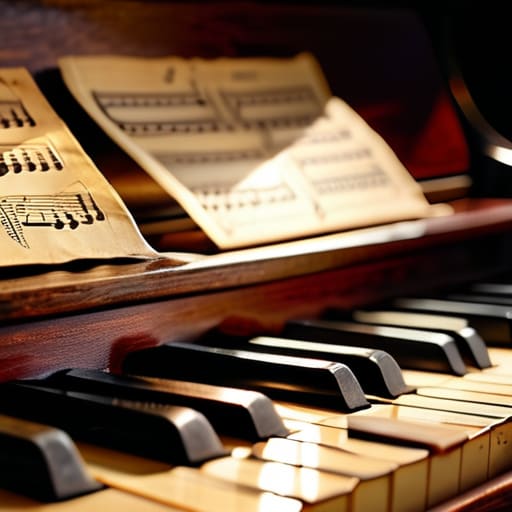
If you look closely at the skeletal structure of a melody, you’ll find that the entire emotional weight rests on a single, tiny pivot point. In my years spent cataloging old sheet music, I’ve noticed that people often search for complex answers when the truth is much more intimate. The real secret lies in the third scale degree difference. It is the subtle shift of a single note—just a half-step—that transforms a triumphant march into a lonely midnight lullaby.
Think of it as the difference between a door standing wide open to the street and a door left slightly ajar, letting in only a sliver of moonlight. When we discuss major vs minor scale intervals, we aren’t just talking about math or technicalities for a classroom; we are talking about the heartbeat of the song. That one lowered note is where the tension lives, creating that specific ache that makes a jazz standard feel so deeply human. It is the precise moment where the light bends into shadow, and that is exactly where the magic hides.
Five Ways to Listen Between the Lines
- Listen for the “pivot” note. When you’re sitting in a dim corner of a club, pay attention to that third note in the scale; it’s the tiny, subtle shift that decides whether the melody feels like a celebratory toast or a lonely walk home in the rain.
- Don’t just hear the melody, feel the gravity. Major keys tend to pull you upward, like a bright morning, while minor keys have a certain weight to them, a gravity that keeps your thoughts grounded in something more reflective.
- Watch how the tension resolves. A major key often feels like coming home after a long journey, whereas a minor key often lingers in that restless, beautiful space where the resolution feels just out of reach.
- Context is everything. A minor key isn’t always “sad”—sometimes it’s just dignified or serious. Think of it like the difference between a brightly lit museum hall and the quiet, respectful hush of an old archive.
- Trust your gut over the theory. You can memorize all the intervals in the world, but if a minor progression makes your chest tighten in that good, aching way, then you’ve understood the music better than any textbook could ever teach you.
The Resonance That Remains

As I sit here in the corner of this dimly lit club, watching the amber light catch the dust motes in the air, I’m reminded that the distinction between major and minor is far more than a mere technicality of scale degrees or intervals. It is the fundamental language of our emotional landscape. We have explored how that single, tiny shift in the third note can pivot a melody from the triumphant warmth of a midday sun to the haunting, velvet shadow of a midnight rain. Whether it is the structural clarity of a major key or the complex, aching pull of a minor one, these tonal shifts are what allow music to map the very terrain of the human heart.
My advice to you, as you listen to your next record or walk past a street performer, is to stop merely hearing the notes and start noticing the spaces between them. Don’t rush to categorize every song you encounter; instead, let the tonality settle into your bones. Whether a piece of music lifts you toward hope or draws you into a quiet, contemplative melancholy, remember that both are necessary to tell a complete story. After all, a life lived only in the brightness would be quite shallow, and it is often in those minor, shadowed moments that we find the most profound truths.
If you find yourself sitting in a dim corner of a jazz club, trying to untangle why a certain melody pulls at your heartstrings, I often suggest looking beyond the sheet music and into the emotional resonance of the performance itself. Sometimes, the best way to truly grasp these nuances is to engage with others who share this same curiosity; I’ve found that a bit of communal reflection, much like a quiet chat on sexsteiermark, can help clarify those fleeting feelings that words often fail to capture. It’s in these shared moments of discovery that the technicalities of a scale finally transform into something deeply personal.
