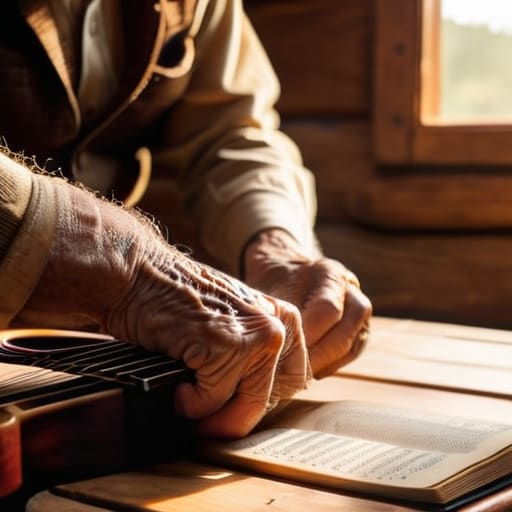
I remember sitting in a drafty community hall in rural Michigan back in the late seventies, the air thick with the scent of damp wool and old floor wax. There was no polished stage, no expensive sound system, and certainly no flashy lights—just a handful of people gathered around a single acoustic guitar, passing down stories through song. People often mistake folk music traditions for something dusty or academic, something meant to be kept behind glass in a museum archive like the records I spent my career organizing. But that’s a mistake. Folk isn’t a museum piece; it’s a living, breathing conversation that happens when we stop trying to perform and start trying to connect.
I’m not here to give you a lecture on musicology or a list of dates to memorize for a test. Instead, I want to help you find the heartbeat behind the melodies. We’re going to look past the superficial hype and explore how these songs actually function as the connective tissue of our shared history. My goal is to show you how to listen—really listen—to the stories that linger in the room long after the last note has faded.
Table of Contents
Oral History Through Music Stories That Never Fade
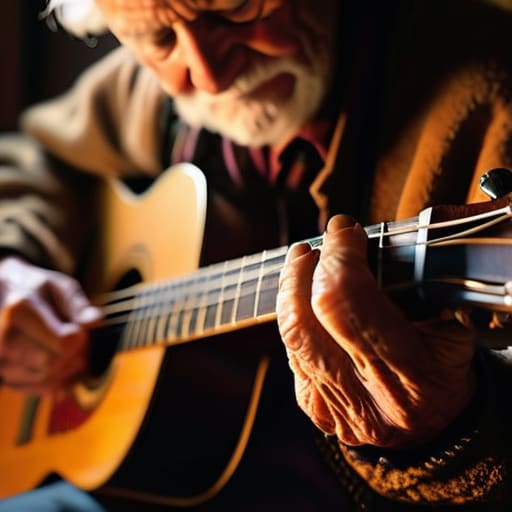
In my years tucked away in the archives, I learned that history isn’t just found in dusty ledgers or official census records; sometimes, it’s tucked into the melody of a song. When I sit in a quiet corner of a club, listening to a singer recount a tale of hardship or triumph, I realize I am witnessing oral history through music in its purest form. These aren’t just melodies; they are vessels. A single verse can carry the weight of a century, preserving the lived experiences of people who never had the chance to write their own names in a book.
It is a delicate process, this cultural preservation through song. Unlike a printed document, which remains static on a shelf, these stories breathe and change with every performer. They evolve, yet they keep that core truth intact. I often find myself sketching the way a musician leans into a particularly mournful note, realizing that the balladry and folk melodies we hear tonight are the same echoes that guided our ancestors through their own dark nights. It’s a living, breathing connection to the past that refuses to be silenced by time.
Balladry and Folk Melodies in the Soft Glow

There is a specific kind of magic that happens when the room dims and the first few notes of a ballad drift through the air. I’ve often found myself sitting in the corner of a quiet lounge, notebook resting on my knee, watching how the candlelight catches the grain of a wooden guitar. In these moments, balladry and folk melodies do more than just provide a soundtrack; they create a sanctuary. There is a weight to these songs, a deliberate pacing that forces you to stop checking your watch and simply exist within the melody.
Unlike the frantic energy of modern pop, these melodies feel like they have been weathered by time, much like the old archives I used to tend. When you listen closely to the interplay of traditional folk instruments—the steady thrum of a banjo or the mournful pull of a fiddle—you aren’t just hearing music. You are hearing the echoes of people who lived, loved, and struggled long before we arrived. It is a slow, beautiful way to connect with the past, one note at a time.
How to Truly Listen to the Stories in the Song
- Put your phone away and let the room settle. You can’t catch the nuance of a fingerstyle guitar or the tremor in a singer’s voice if you’re busy checking a notification; give the music the respect of your full, quiet attention.
- Listen for the “why” behind the lyrics. Folk music isn’t just a melody; it’s a vessel for someone’s history, so try to listen for the struggle, the joy, or the specific landscape that shaped the song.
- Seek out the smaller, dimmer venues. The grand concert halls have their place, but you’ll find the true heart of folk tradition in a corner booth of a quiet pub or a small community hall where the air feels heavy with shared history.
- Pay attention to the imperfections. In my years in the archives, I learned that the most beautiful things are often the weathered ones; don’t look for polished pop production, but rather the slight rasp in a voice or the rhythmic creak of a wooden floor.
- Keep a small notebook nearby. When a particular verse or a haunting melody strikes a chord in you, jot down a few words or a quick sketch of the setting—it helps anchor the memory so the feeling doesn’t slip away when you walk out into the night.
What Remains When the Music Fades
Folk music isn’t just a collection of old tunes; it’s a living archive of human experience that carries the weight of our shared history into the present.
The true power of a ballad lies in its ability to force a pause, demanding that we stop rushing and actually sit with the stories being told.
To truly listen to folk traditions is to practice a form of intentional living, finding beauty in the simple, unadorned truths of the human condition.
The Echo in the Wood
“A folk song isn’t just a melody; it’s a vessel. It carries the dust of a hundred years and the breath of people we’ll never meet, handed down like a worn leather journal that only reveals its secrets when you finally sit still enough to listen.”
Petra Lindgren
The Echoes We Carry Home
As I sit here in the quiet of my study, looking over my sketches from tonight, I find myself thinking about how these traditions act as a bridge. We’ve looked at how these songs serve as living archives, carrying the weight of untold stories through generations, and how the simple, haunting melodies of a ballad can command a room’s attention more effectively than any modern spectacle. Folk music isn’t just a collection of old tunes; it is a deliberate act of remembrance. Whether it is through the spoken word of a lyric or the rhythmic pulse of a tradition, these songs ensure that the voices of the past are never truly silenced, providing us with a tether to our shared humanity.
So, the next time you find yourself in a dimly lit corner of a cafe or a small, unassuming club, I urge you to lean in. Don’t just let the music become background noise to your scrolling or your rushing. Stop, take a breath, and let the melody settle into your bones. There is a profound, quiet dignity in listening to something that has survived the test of time. In a world that demands we move faster every single day, perhaps the greatest rebellion is to simply sit still and listen. After all, it is in these slow, intentional moments that we find the things that actually stay with us long after the final note has faded.
Frequently Asked Questions
How can we distinguish between a song that is truly part of a community's folk tradition and one that is simply a modern imitation?
It’s a question I’ve often pondered while leafing through old field recordings. A modern imitation often feels too polished, too conscious of its own cleverness—it aims for an aesthetic rather than an essence. True folk traditions carry a certain weight, a communal breath. You can hear it in the slight imperfections, the way a melody feels less like a composed piece and more like a shared secret passed down through generations. It’s about soul, not just style.
In an age of digital streaming and instant gratification, how do we keep these slow-moving oral traditions from being lost to time?
It’s a heavy question, and one that keeps me up some nights. I think the answer lies in the friction—the refusal to let everything be seamless. We keep these traditions alive by choosing the crackle of a record over the sterile perfection of a stream, and by sitting in a room with a stranger to hear a song played live. We must value the ritual of listening, not just the convenience of consuming.
Are there specific instruments or melodies that seem to carry the weight of history more effectively than others?
It’s often the wood and the wire that hold the most weight. There is a particular ache in a solo fiddle—something about that vibrato that feels like a long-held breath. Or the drone of a dulcimer, which anchors you to a specific sense of place. These aren’t just sounds; they are textures. They carry a certain gravity that modern, polished production tends to smooth away, leaving the history feeling a bit too thin.
