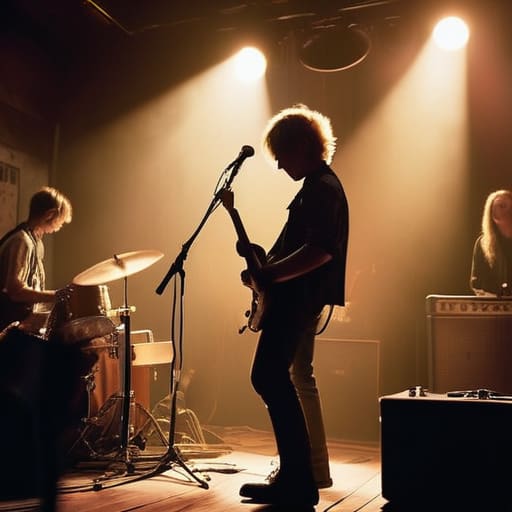
I remember sitting in a cramped, basement venue in Ann Arbor back in the late seventies, the air thick with the scent of damp concrete and stale clove cigarettes. There was no polished production, no massive light show, just the raw, unvarnished vibration of a guitar cutting through the low hum of a crowd. That was my first real introduction to the spirit of indie rock—not as a marketing category or a curated playlist, but as a necessary friction against the smooth, overproduced noise of the mainstream. It wasn’t about perfection; it was about the honesty found in a slightly out-of-tune chord or a lyric that felt like a secret shared between friends.
I have no interest in chasing the latest algorithm-driven trend or telling you which band is currently “trending” on social media. Instead, I want to help you find the songs that actually linger in the quiet moments of your evening. We are going to bypass the hype and look for the texture, the soul, and the craftsmanship that makes certain records feel like old friends. This isn’t a guide to staying relevant; it is a way to find music that stays with you long after the needle lifts from the vinyl.
Table of Contents
Finding Stillness Within the Diy Music Culture
Finding Stillness Within the DIY Music Culture
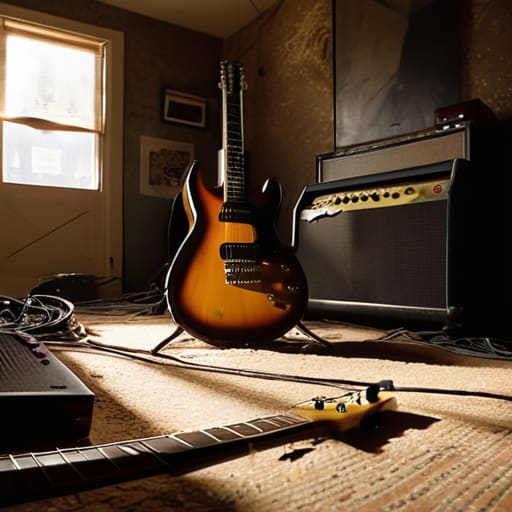
There is a peculiar sort of peace found in the basement venues and cramped rehearsal spaces that define the DIY music culture. While the world outside seems to demand constant, polished perfection, these spaces offer something far more honest. I’ve often sat in the back of a dimly lit room, watching a band struggle through a set, and realized that the beauty isn’t in the flawless execution, but in the unfiltered intent. There is a quiet dignity in seeing someone build something from nothing, fueled only by a cheap amplifier and a sense of purpose.
Lately, I find myself drawn to the textures provided by lo-fi production techniques. There is a warmth in the hiss of a tape or the slightly out-of-tune guitar that feels more human than any digital masterpiece. It reminds me of the old records I used to catalog—the ones that carried the physical weight of their creation. In these imperfections, we find a rare stillness. It forces us to stop looking for the spectacular and start noticing the small, fragile details that make a melody feel like a shared secret.
The Intimacy of Raw Lo Fi Production Techniques
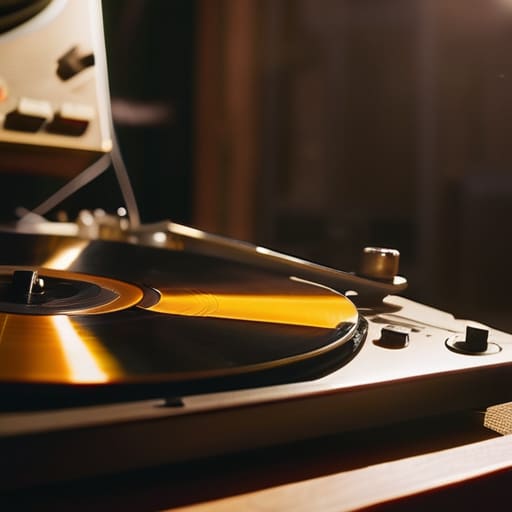
There is a particular kind of magic in the imperfections of a recording. When I sit down with a new record, I find myself drawn to those moments where the hiss of the tape or the slight crackle of a poorly treated room bleeds through the speakers. These lo-fi production techniques aren’t failures of technology; rather, they act as a bridge between the artist and the listener. It feels less like a polished performance delivered from a distance and more like a conversation whispered in a crowded, dimly lit room.
In many ways, this sonic grit captures the very essence of the independent music scene. There is no veneer of corporate gloss to hide behind. Instead, you hear the breathing, the fingers sliding across guitar strings, and the honest, unvarnished emotion of the performer. It reminds me of the old archives I used to manage—the beauty wasn’t always in the pristine documents, but in the weathered edges and the handwritten notes in the margins. It is that same sense of human vulnerability that makes these recordings stay with you long after the needle has lifted from the vinyl.
How to Truly Listen: A Few Notes on Approaching the Sound
- Put the phone in your pocket. There is a certain magic in indie rock that requires your full attention; if you are busy documenting the moment, you will inevitably miss the subtle shift in a guitar’s reverb or the way a singer’s voice cracks just before the chorus.
- Seek out the smaller venues. While the grand stages have their place, the soul of this genre lives in rooms where you can see the sweat on the drummer’s brow and feel the floorboards vibrate beneath your feet.
- Embrace the imperfections. Don’t look for the polished, sterile sheen of a studio-manufactured pop hit; instead, listen for the hiss of the tape and the slight tuning errors that make a recording feel like a living, breathing thing.
- Follow the lineage. When a track moves you, don’t just add it to a digital queue—look into who influenced that artist and who they, in turn, inspired. Music is a conversation across decades, much like the archives I used to tend.
- Let yourself be bored for a moment. Sometimes, the best way to appreciate a complex arrangement is to sit in the quiet between tracks, allowing the echoes of the last song to settle in your mind before the next one begins.
The Resonance That Lingers
Indie rock isn’t about the polish of a studio; it’s about the honesty found in the cracks and the imperfections that make a song feel human.
In an era of constant noise, the DIY spirit offers a rare chance to slow down and connect with something unmanufactured.
The true value of these melodies lies in their ability to act as a quiet companion, staying with you long after the final note has faded into the night.
## The Resonance of the Unpolished
“There is a particular kind of honesty in indie rock that you won’t find in a polished studio; it’s in the slight tremor of a vocal or the way a guitar rings out a little too long, reminding us that the most beautiful things are often the ones that refuse to be perfect.”
Petra Lindgren
The Resonance of the Unpolished
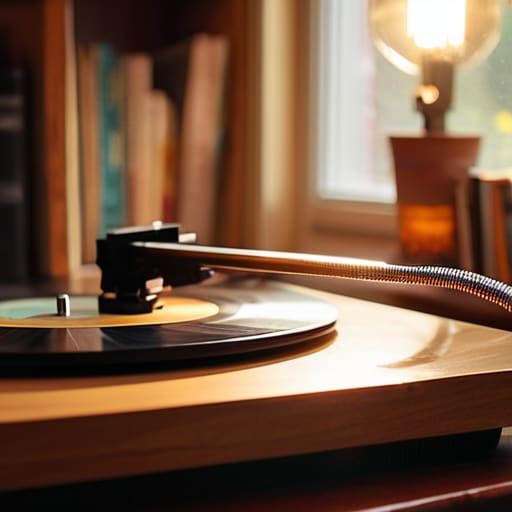
As I sit here in the quiet of my study, the needle reaching the end of a worn record, I find myself reflecting on why these sounds matter so much. We have explored how the DIY spirit provides a much-needed sanctuary of stillness, and how those imperfect, lo-fi production choices act as a bridge between the artist and the listener. It isn’t about the polished sheen of a studio or the mathematical precision of a digital track; it is about the humanity found in the cracks. Indie rock, at its very best, serves as a reminder that there is a profound, quiet dignity in being unrefined and unapologetically real.
So, the next time you find yourself caught in the frantic rush of a modern evening, I encourage you to slow your pace. Seek out those melodies that feel a little frayed at the edges, and let them pull you into a moment of genuine connection. We spend so much of our lives chasing the loud and the perfect, but we often forget that the most lasting echoes are found in the shadows and the subtle notes. Turn down the lights, lean into the dissonance, and simply allow yourself to listen.
Frequently Asked Questions
How does the shift from vinyl to digital streaming change the way we experience the intentional imperfections of indie rock?
There’s a certain heartbreak in the digital shift. When I drop a needle on a worn record, the crackle feels like a conversation—a shared imperfection between the artist and me. Streaming, for all its convenience, tends to polish those edges away, smoothing out the very grit that makes indie rock feel human. We’ve gained instant access, but we’ve lost the tactile ritual of sitting with a sound, allowing its flaws to breathe.
Is there a way to support these smaller, DIY venues as they struggle to maintain their character in a changing city?
It’s a heavy question, and one that weighs on me every time I see a familiar neon sign replaced by a sterile glass storefront. The best way to help is simply to show up. Buy a drink, leave a tip for the band, and tell your friends. We have to treat these spaces like the living archives they are. If we don’t invest our time and our presence, we risk losing the very soul of our streets.
Where can one find the best local spots to discover new indie artists without the overwhelming noise of a mainstream festival?
I’ve always found that the best discoveries happen in the corners, not the center stage. Skip the massive festivals; they’re too loud for real listening. Instead, look for those dimly lit basement venues or the small, independent record shops that still host evening showcases. There is a particular magic in a quiet listening room where you can actually see the sweat on a guitarist’s brow. That’s where the real soul resides.
