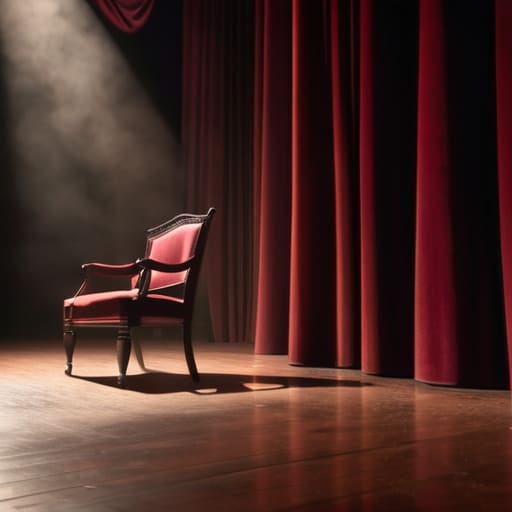
I remember sitting in the back row of a drafty community playhouse in Ann Arbor, watching a production where the lights were so aggressively bright they practically stripped the soul right out of the actors’ faces. It was a technical marvel of modern equipment, yet it felt utterly hollow—a bright, sterile vacuum where atmosphere should have lived. People often mistake sheer luminosity for quality, but true theatre lighting isn’t about making sure every corner of the stage is visible; it’s about the courage to let the darkness breathe.
I’m not here to sell you on the latest, most expensive LED arrays or the complicated software that requires a degree in computer science just to dim a spotlight. Instead, I want to share what I’ve learned from decades of watching how light and shadow dance together to tell a story. I promise to offer you a straightforward look at the craft, focusing on how to use light to evoke emotion rather than just to illuminate a scene. We’re going to explore how to find that perfect, lingering glow that stays with an audience long after they’ve walked out into the night.
Table of Contents
Mastering Lighting Design Principles to Make Moments Linger
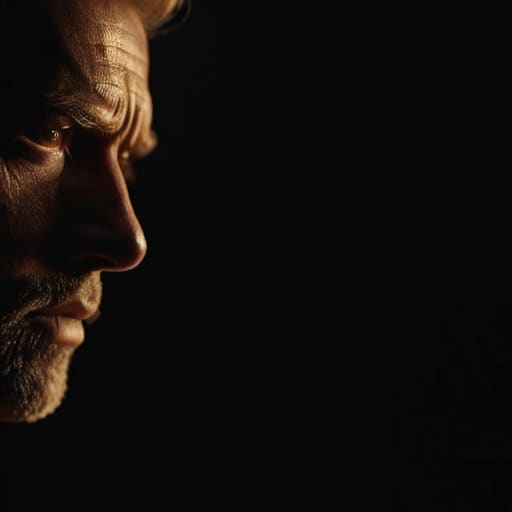
When I sit in a darkened house, I’m rarely looking at the actors themselves; I’m looking at how the light carves them out of the darkness. To truly master the craft, one must move beyond simply illuminating a scene and start thinking about lighting design principles that dictate emotion. It isn’t about visibility; it’s about intention. You want to use light to guide the eye, much like how a well-placed streetlamp in a quiet alleyway directs a wanderer’s gaze toward a hidden doorway.
I’ve often found that the most profound moments happen in the transitions. Using dramatic lighting techniques—like a sharp, singular side-light or a soft, sweeping wash—can transform a simple monologue into something that feels etched in stone. It’s a delicate balance of shadow and glow. You shouldn’t be afraid of the dark; in fact, the shadows are often where the real story lives. If you can control the way a silhouette breaks against a backlight, you aren’t just running a show; you are shaping the very soul of the performance.
The Quiet Power of Dramatic Lighting Techniques
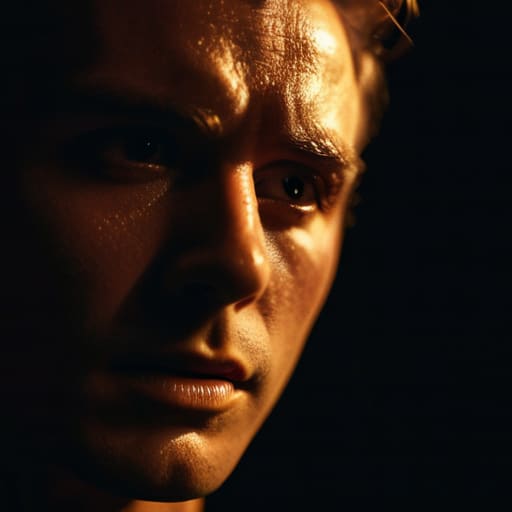
There is a specific kind of magic that happens when a designer stops trying to illuminate everything and starts choosing what to hide. In my years spent cataloging the history of our local playhouses, I’ve noticed that the most profound performances often rely on what we can’t see. By employing certain dramatic lighting techniques, such as heavy side-lighting or sharp silhouettes, a technician can carve a character out of the darkness. It isn’t about visibility; it’s about the tension created when a face is half-lost to the shadows, forcing the audience to lean in just a little closer to catch the emotion.
I often find myself sketching the way light hits the velvet curtains in old jazz dens, and it’s much the same on a stage. You don’t need the most expensive, cutting-edge automated lighting systems to move an audience to tears. Sometimes, it is the simple, intentional use of a single spotlight or a well-placed wash of amber that tells the story. It is about that delicate balance—using light not just to show the actors, but to sculpt the very atmosphere of the room.
A Few Notes on Finding the Soul in the Shadows
- Don’t be afraid of the dark. In my years looking through old ledgers, I learned that what you leave out is often more important than what you put in; in theatre, a well-placed shadow can tell a story that a bright spotlight simply cannot.
- Watch the temperature of your light. There is a world of difference between the harsh, clinical glow of a midday sun and the amber, honeyed warmth of a single candle, and your audience will feel that shift in their very bones.
- Treat light like a musical score. Just as a jazz soloist knows when to hold a note and when to let the silence breathe, a lighting designer must know when to swell the brightness and when to let the stage fall into a quiet, expectant hush.
- Avoid the temptation to over-light the scene. We live in an era of constant, blinding brightness, but there is a profound dignity in a dim room where the eye is forced to search, to linger, and to truly see.
- Focus on the texture of the light. I often find myself sketching the way light catches the grain of an old wooden stage or the velvet of a curtain; remember that light isn’t just a way to see actors, it’s a way to make the very air feel heavy with meaning.
Lessons from the Shadows
Remember that what you choose not to illuminate is just as vital as the light itself; it is the shadow that gives a scene its depth and its soul.
Avoid the urge to over-brighten a moment for the sake of clarity; sometimes, a bit of visual mystery is what allows the audience to truly lean in.
Treat lighting not as a technical requirement, but as a way to guide the heart, ensuring the mood stays with a person long after they’ve stepped out into the night.
The Soul in the Shadows
We often mistake brightness for clarity, but in the theatre, it is the shadows that do the heavy lifting. A well-placed pool of light doesn’t just show us a performer; it invites us to wonder what is being kept in the dark, and that is where the real story begins.
Petra Lindgren
The Final Fade
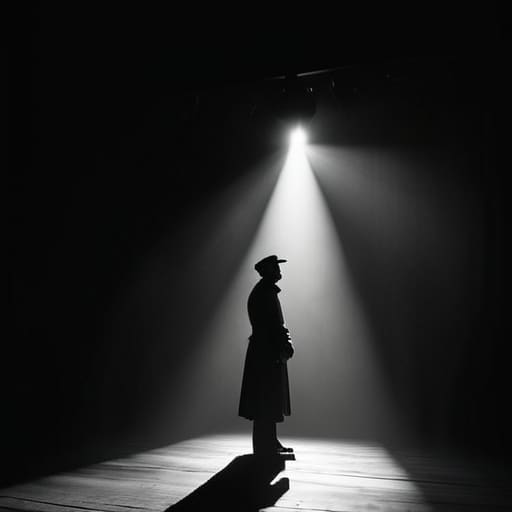
As we pull back from the technicalities of color temperature and the strategic placement of shadows, we must remember that lighting is never just about visibility. It is the silent narrator of the stage, the unseen hand that guides our emotions from the first swell of music to the final, breathless silence. We have explored how the careful balance of light and dark creates depth, and how the right technique can make a single moment feel as heavy as a lifetime. When we master these principles, we aren’t just illuminating actors; we are sculpting the very atmosphere that allows a story to breathe and settle into the bones of the audience.
In my years spent among dusty archives and dim jazz clubs, I’ve learned that the most profound things often happen in the periphery, in the spaces where the light doesn’t quite reach. Theatre lighting should strive for that same truth—it shouldn’t demand attention, but rather invite us to lean in closer. So, as you step into your next production, don’t be afraid of the dark. Let the shadows linger, let the highlights be soft, and remember that the most lasting magic is often found in the subtle glow that remains in a person’s mind long after they have walked out into the night.
Frequently Asked Questions
How do you find that delicate balance between seeing the actors clearly and maintaining that moody, shadowed atmosphere?
It’s a bit like a well-pressed suit—everything should be visible, but nothing should be loud. I’ve found the secret lies in the “fill.” You use your key light to define the actor, but instead of flooding the stage to kill the shadows, use a soft, low-intensity wash to gently lift the darkness just enough so we don’t lose their expressions. It’s about nuance, not brightness. Let the shadows breathe; they provide the context the light lacks.
Is there a way to use lighting to evoke nostalgia without it feeling too heavy-handed or cliché?
It’s a delicate balance, isn’t it? If you go too heavy with the sepia tones or constant amber washes, it starts to feel like a cheap parlor trick. To me, nostalgia lives in the periphery. Instead of bathing everything in gold, try using a single, soft light source that mimics a streetlamp or a dying candle. It’s about the suggestion of a memory—the way a shadow stretches across a floor—rather than shouting it at the audience.
For those of us who aren't technicians, what should we be looking for in the lighting to truly appreciate the storyteller's intent?
Don’t get bogged down in the technicalities of lumens or gels. Instead, watch how the light directs your eyes. If a single spotlight isolates a character, ask yourself: is it meant to show their loneliness or their sudden clarity? Look for the shadows, too. Often, what the designer chooses not to illuminate tells you more about the character’s secrets than the light ever could. Let the atmosphere guide your intuition.
