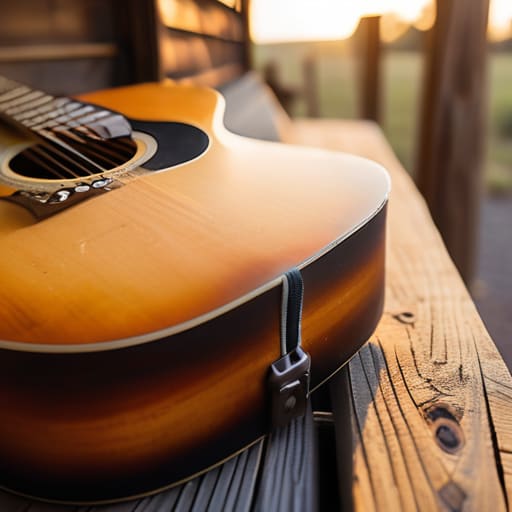
I remember sitting in a cramped, dust-moted basement archive back in ’84, flipping through a box of unlabeled acetate discs. The air was thick with the scent of old paper and ozone, but then a needle dropped, and a raw, unpolished voice filled the room. It wasn’t the polished, radio-ready sheen you hear on the charts today; it was something much more visceral. That was my first real encounter with the soul of country music, and it taught me that the best stories aren’t the ones that are perfectly produced, but the ones that feel like they were pulled straight from a person’s chest.
I’m not here to give you a list of the latest hits or tell you what the critics are raving about. Instead, I want to guide you toward the songs that actually stay with you—the ones that demand you sit still and listen to the weight of the lyrics. We are going to bypass the noise and focus on the artists who understand that a single acoustic guitar and a bit of truth are worth more than any stadium production. Let’s find the quiet magic in the melodies that matter.
Table of Contents
The Quiet Magic of Nashville Songwriting Traditions

When I sit in a corner booth of a dimly lit lounge, I’m not just listening to melodies; I’m listening to the architecture of a story. There is a specific weight to the nashville songwriting traditions that you can feel in the room, a way the lyrics seem to settle into the floorboards. It isn’t about the polish of a studio production, but rather that raw, unhurried connection between the teller and the listener. You can hear the echoes of the past in every chord progression, reminding us that a good song should feel like a conversation held in confidence.
I often find myself sketching the way a performer leans into a verse, noticing how the bluegrass influence on country still breathes through the faster, rhythmic picking of a mandolin or the steady heartbeat of an upright bass. It is a delicate balance of grit and grace. Even as the landscape shifts, that southern musical heritage remains the bedrock. It’s in the pauses, the slight cracks in a singer’s voice, and those small, intentional moments that remind us why we bother to sit still and listen in the first place.
Tracing the Bluegrass Influence on Country Melodies
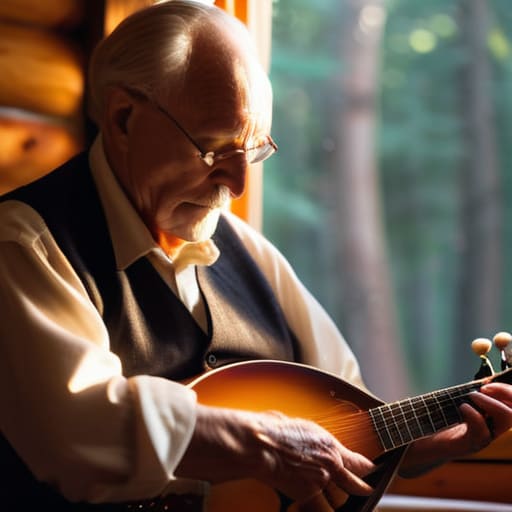
If you sit long enough in a quiet corner of a listening room, you start to hear the skeletal structure beneath the modern production. Long before the polished sheen of the radio era, there was the raw, driving pulse of the mountain hills. The bluegrass influence on country isn’t just a footnote in a history book; it is the very heartbeat of the genre. I often find myself sketching the intricate fretwork of a mandolin player, marveling at how those rapid, cascading notes provide a frantic sort of grace that keeps a melody from feeling too stagnant.
It is in that intersection—where the high, lonesome sound of the Appalachians meets a structured verse—that the soul of the music truly resides. You can hear it in the way a fiddle weepily mirrors a vocalist’s sorrow, or how a banjo provides a rhythmic backbone that feels both ancient and immediate. This southern musical heritage reminds us that even as sounds evolve, we are always tethered to something older. To truly understand where we are going, we must listen to the ghosts of the string bands that paved the way.
How to Listen When the Story Matters Most
- Don’t just listen to the melody; listen for the space between the notes. In the best country songs, it’s often the silence after a heavy lyric that lets the weight of the story settle into your bones.
- Seek out the live performances in small, unassuming rooms. There is a certain honesty in a singer’s voice when they aren’t polished by a studio, and you can hear the grit of a life lived in every crackle of the vocal.
- Pay attention to the instrumentation, specifically the storytelling of the steel guitar. It doesn’t just accompany the singer; it acts as a second voice, mourning or celebrating right alongside the lyrics.
- Read the liner notes, or better yet, find the physical records. Understanding the era and the hands that shaped the arrangement helps you appreciate the music as a piece of living history rather than just background noise.
- Give yourself permission to feel the melancholy. Country music isn’t meant to be a frantic distraction; it’s a companion for the quiet, reflective moments of an evening, and it’s okay to let it sit with you in the dark.
What Remains When the Music Fades
True country music isn’t about the spectacle; it’s found in the intentional pauses and the space between the notes where a story actually breathes.
To truly understand the genre, you have to look backward, tracing how the grit of bluegrass and the precision of Nashville songwriting have woven together over decades.
We find the most meaning when we stop rushing through the melody and start listening to the details—the crackle of a record or the weight of a well-told lyric.
The Resonance of a Story Well Told
“You can tell a lot about a person by how they listen to a country song; some people are just waiting for the beat to drop, but the ones who truly understand it are leaning in, waiting for that one line of lyric to catch them right in the chest and hold them there.”
Petra Lindgren
The Echoes That Remain
As we’ve traced the lines from the intricate, storytelling craftsmanship of Nashville’s songwriting rooms to the raw, driving energy of bluegrass, it becomes clear that country music is far more than just a genre. It is a living archive of human experience, built on the bones of tradition and the unfiltered honesty of the common man. Whether it is a fiddle melody that carries the weight of the Appalachian mountains or a lyric that captures the quiet ache of a lonely highway, these sounds serve as a bridge between what was and what is. We see that the music doesn’t just exist to entertain; it exists to document the soul of a people through every high lonesome note and every dusty, rhythmic beat.
I often find myself sitting in the back of a dim room, notebook in hand, just letting the music settle into the floorboards. In a world that demands we move faster and louder, there is a profound, quiet rebellion in sitting still and actually listening. I hope that the next time you hear a steel guitar swell or a singer’s voice crack with emotion, you don’t just let it pass through you. Instead, I invite you to slow down and lean in. Let the music remind you that the most beautiful things in life aren’t the ones that shout, but the ones that linger in the silence long after the final chord has faded.
Frequently Asked Questions
How has the shift from vinyl to digital changed the way we truly listen to the nuances of a country arrangement?
There’s a certain loss of texture when we trade the needle for a stream. On vinyl, you don’t just hear the music; you hear the space between the notes. You can sense the weight of a pedal steel sliding into a minor chord or the warmth of a wooden fiddle body. Digital is convenient, certainly, but it’s often too clean. It strips away the very imperfections that give a country arrangement its soul.
Where can one find the best small-scale venues that still preserve that intimate, old-school atmosphere?
You won’t find these places on a polished tourist map. You have to look for the buildings with character—the ones with low ceilings, worn floorboards, and perhaps a bit of peeling paint. Seek out the basement clubs or the corner taverns tucked away on side streets, far from the neon glare of the main drags. If the room feels a little cramped and the lighting is dim enough to hide the edges of the world, you’ve likely found something special.
Beyond the hits on the radio, how do I start finding the songwriters who are keeping these traditional sounds alive?
You have to look where the shadows are longest. Don’t bother with the polished playlists; instead, seek out the small, wood-paneled rooms where the stage is little more than a rug and a microphone. Look for the names on the handwritten flyers taped to tavern windows. I often find my best discoveries by listening to the opening acts—the ones playing for a handful of regulars rather than a crowd of tourists.
