
I’ve spent much of my life tucked away in quiet archives, surrounded by the scent of aging paper and the weight of documented history. In those rooms, you learn that some stories aren’t meant to be skimmed; they demand a certain kind of stillness to truly be understood. Lately, I’ve found myself looking for that same depth in modern storytelling, searching for graphic novels worth reading that offer more than just quick thrills or flashy colors. We live in such a frantic, hurried age, often forgetting that the most profound narratives are the ones that require us to slow down and actually look at the ink on the page.
In the following pages, I want to share a few specific collections that have managed to capture my attention and hold it. These aren’t just mere entertainment; they are visual meditations that I believe deserve a place on your nightstand. I’ve selected five works that I consider to be truly essential, each offering a unique way to linger in the shadows of a well-told tale. If you are looking for something that stays with you long after the lamp is turned out, I think you’ll find exactly what you need right here.
Table of Contents
The Quiet Weight of Memory

There is a certain kind of stillness found in Marjane Satrapi’s Persepolis that reminds me of the old, dust-moted archives I used to tend. It isn’t just a memoir of growing up during the Iranian Revolution; it is a masterclass in how the most profoundly personal stories can mirror the tectonic shifts of history. The stark, black-and-white illustrations don’t just tell a story—they etch the feeling of a changing world directly into your mind.
Shadows in the Cityscape
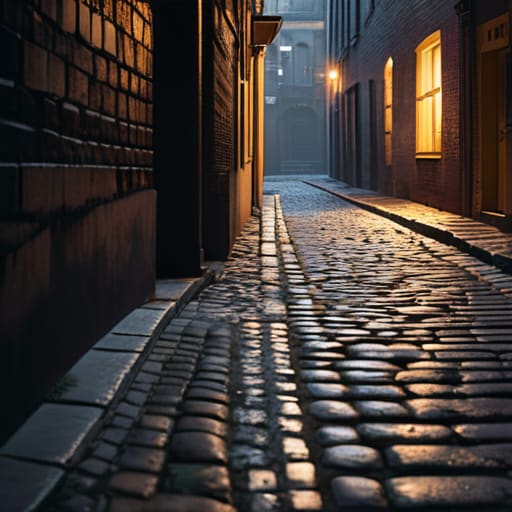
When I walk through the older parts of the city at dusk, I often think about the atmospheric tension found in Watchmen. Alan Moore and Dave Gibbons didn’t just write a superhero story; they constructed a meticulous clockwork universe where every panel feels heavy with implication. The way they use color and layout to build a sense of dread and inevitable decay is something I find truly remarkable.
The Elegance of the Mundane

Sometimes, the most impactful stories aren’t the ones about grand battles, but the ones about the quiet spaces between breaths. Blankets by Craig Thompson is a work of such unabashed vulnerability that it feels almost intrusive to read it. It is a sprawling, beautiful exploration of first love, faith, and the complicated shadows of family life, all rendered in ink that feels alive.
A Symphony of Ink and Loss
There is a melancholy beauty in Emil Ferris’s My Share of Village. As an archivist, I am perpetually drawn to the way she uses her medium; the entire book is drawn in a style that mimics the intricate ballpoint pen sketches found in old journals and notebooks. It feels less like a commercial product and more like a recovered artifact, a private window into a young girl’s soul in 1960s Chicago.
The Architecture of the Soul
For those who appreciate the way a city can shape a person’s identity, Building Stories by Chris Ware is an essential experience. It isn’t a traditional book, but rather a collection of pamphlets that you assemble as you go, mirroring the way memories are constructed over a lifetime. The layouts are architectural marvels, forcing you to slow down and navigate the page like a pedestrian wandering through a complex streetscape.
The Lasting Impression
Don’t rush the reading; let the art settle in your eyes just as you’d let a jazz melody breathe before moving to the next track.
Look for stories that prioritize atmosphere and depth over mere spectacle—the ones that feel like they were built to endure.
Remember that the best books aren’t just consumed, they are experienced, leaving a quiet shadow in your mind long after you’ve closed the cover.
The Weight of the Image
A truly great graphic novel doesn’t just tell you a story; it holds the silence between the panels, much like the space between notes in a well-played jazz solo, leaving you to sit with the echoes of what was just drawn.
Petra Lindgren
The Quiet After the Final Page
As I look back over these selections, I’m reminded that a truly great graphic novel isn’t just about the art or the plot; it is about how the two dance together to create something deeply human. Whether you find yourself lost in the sprawling historical weight of a sweeping epic or tucked away with the intimate, quiet sketches of a personal memoir, these stories serve as more than mere entertainment. They are vessels for memory and texture, much like the old records I keep in my collection. Each one offers a different way to slow down, forcing us to linger on a single frame and truly absorb the silence between the dialogue.
I hope you find a moment tonight to dim the overhead lights, pour something slow, and let one of these worlds take hold of you. We spend so much of our lives rushing toward the next thing, eyes glued to screens that flicker with a frantic, hollow energy. Don’t let that happen here. Instead, treat these pages like a long walk through a jazz club at midnight—unhurried and intentional. My wish for you is that you find a story that doesn’t just pass the time, but one that stays with you long after you’ve closed the cover and the room has gone dark.
Frequently Asked Questions
Are these stories suitable for someone who hasn't picked up a comic book since childhood?
If you haven’t touched a comic book since you were a boy, don’t let that hesitation keep you from these. Most people remember the bright, frantic energy of superhero adventures, but these are different. They are more like illustrated literature—slower, deeper, and much more intentional. Think of them as quiet companions for a dim room. They don’t demand your attention with loud colors; they invite you to sit, linger, and truly read.
Do any of these selections lean more toward historical memoirs rather than pure fiction?
You have a keen eye. A few of these certainly lean into that territory. I’ve always found that the line between memory and myth gets quite thin in the best graphic novels. While they use the medium of illustration, they carry the weight of lived experience—the kind of granular, human detail I used to hunt for in the archives. They aren’t just stories; they are echoes of real lives, captured in ink.
Which of these would you recommend for a quiet, solitary evening when I'm looking to truly get lost in the art?
If you’re looking to truly disappear, I’d steer you toward The Sandman. There is a certain weight to its atmosphere—a darkness that doesn’t feel hollow, but rather deeply textured. It’s the kind of story that demands you settle into a comfortable chair, perhaps with a glass of something amber, and let the imagery wash over you. It doesn’t just tell a story; it builds a world you can inhabit.
