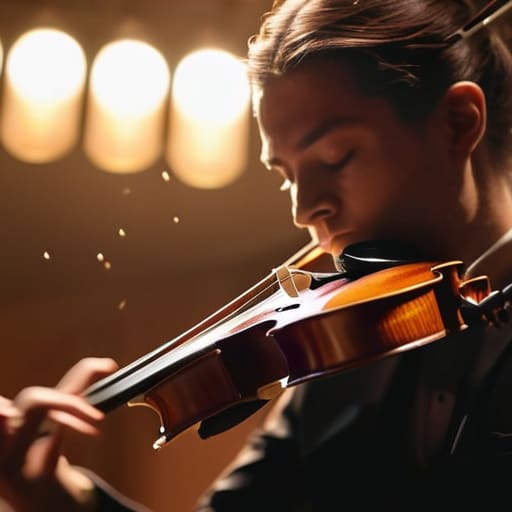
I remember sitting in the third row of a drafty concert hall in Ann Arbor, clutching a program that felt more like a textbook than an invitation. I was surrounded by people who seemed to be performing “appreciation” rather than actually listening—checking their watches, whispering about technical precision, and treating classical music performances like a high-stakes exam they had to pass. It felt so stiff, so terribly disconnected from the actual soul of the notes. We’ve been taught that this music belongs in a museum, preserved behind velvet ropes and hushed tones, but that’s a lie that keeps people away from something truly vital.
I’m not here to teach you the history of the sonata or tell you which conductor is currently in vogue. Instead, I want to help you find the human heartbeat hidden within the crescendos. I promise to share my honest, unvarnished observations on how to actually sit with the sound, how to navigate the crowds, and how to let a performance settle into your bones. We aren’t looking for perfection here; we are looking for those lingering echoes that stay with you long after the final bow.
Table of Contents
Finding Stillness Within Diverse Musical Composition Styles
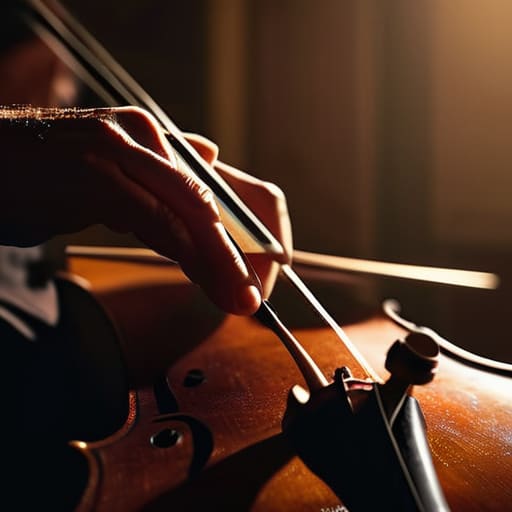
I’ve often found that the true magic of a night at the hall isn’t found in the grand, sweeping crescendos, but in the way different musical composition styles demand our presence in different ways. When you sit through a delicate chamber piece, the silence between the notes becomes as heavy and meaningful as the sound itself. It forces a kind of quietude that our modern, buzzing lives rarely permit. You learn to breathe with the musicians, finding a strange, rhythmic peace in the tension of a slow movement.
Then, there is the sheer, overwhelming scale of the larger instrumental ensembles. There is a specific kind of stillness to be found even in the middle of a thunderous movement—a focused, internal calm that comes from simply letting the sound wash over you without trying to categorize it. It isn’t about following the technicality of the score; it’s about the surrender. Whether it is the intimacy of a solo cello or the vastness of a full brass section, these moments teach us that stillness isn’t the absence of noise, but the presence of intention.
The Intimacy of the Live Concert Experience
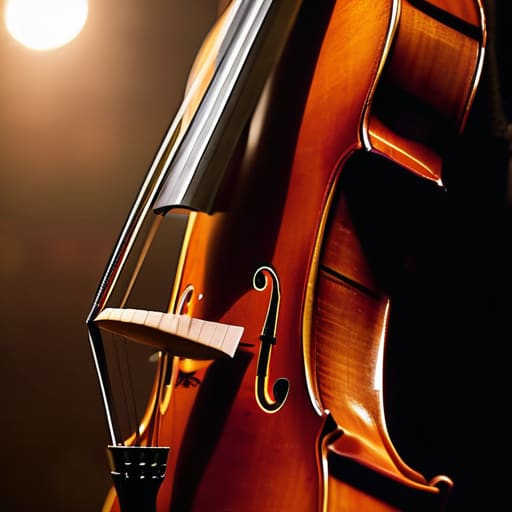
There is a specific kind of magic that happens when you step out of the street noise and into the hushed, velvet-lined air of a concert hall. It isn’t just about the sound; it’s about the shared breath of a thousand strangers. When you are sitting there, witnessing the subtle movement of the conductor role in orchestra, you realize that a recording can never truly capture the physical weight of a crescendo. You can see the tension in a violinist’s shoulder or the way the light catches the wood of a cello. It is a visceral, living thing.
I often find myself sketching the way the light hits the brass section during a particularly swell movement of the orchestral repertoire. In those moments, the distinction between the performer and the listener seems to blur. We aren’t just consuming art; we are participating in a ritual. Even the unspoken rules of classical music etiquette—the respectful silence, the collective intake of breath—serve to deepen that connection. It is in that stillness, that communal reverence, where the music truly begins to live inside you.
Small Rituals for a Deeper Listen
- Arrive early enough to sit in the silence. There is a specific, heavy kind of stillness that settles over a concert hall before the conductor takes the podium; let yourself inhabit it rather than checking your watch or scrolling through your phone.
- Choose a seat that allows you to see the movement, not just hear the sound. I’ve always found that watching the tension in a cellist’s hands or the breath of the woodwind players adds a layer of visual poetry to the melody.
- Resist the urge to analyze the technicality of the piece. You don’t need to know the exact year a symphony was composed to feel its weight; let the music wash over you like a memory you can’t quite place.
- Keep your eyes closed during the quieter passages. When you strip away the visual distractions of the velvet seats and the gold leafing, the architecture of the sound becomes much more vivid in the dark.
- Allow yourself a moment of silence after the final note fades. The true magic of a performance often lives in that breathless gap between the last vibration of the strings and the first burst of applause.
The Echoes We Carry Home
Don’t treat a performance like a checkbox on a to-do list; instead, allow the music to breathe and settle into your bones, finding the value in the quiet pauses between the notes.
Seek out the small, tactile details of the venue—the grain of the wooden stage or the way the light hits the velvet seats—as these sensory layers deepen your connection to the sound.
Remember that the true worth of a concert isn’t found in the applause, but in the lingering stillness that stays with you long after you’ve stepped back out into the rush of the city streets.
The Weight of the Silence
“A great performance isn’t just found in the swell of the violins, but in those heavy, breathless pauses between movements—the moments where the air in the room shifts, and for a second, you realize you aren’t just listening to music, you’re sharing a heartbeat with everyone else in the dark.”
Petra Lindgren
The Resonance That Remains
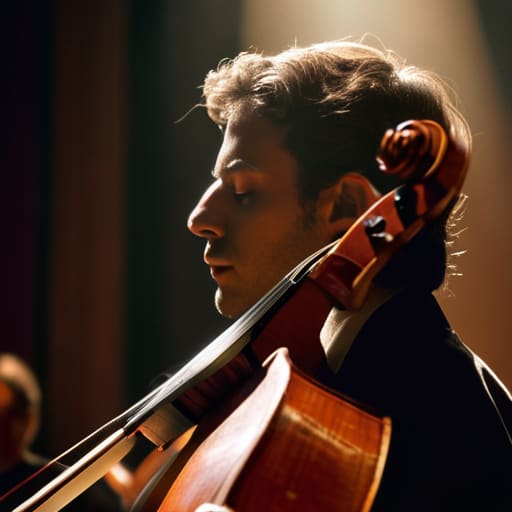
As I sit here in the dim light of my study, reflecting on the layers we’ve discussed, I’m reminded that classical music is far more than just a collection of notes on a page. It is the way a composition can shift from a turbulent storm to a moment of profound, breathless stillness, and how the shared energy of a concert hall can make a room full of strangers feel like a single, living entity. Whether we are navigating the complex architecture of a symphony or simply sitting in the quiet intimacy of a solo recital, these performances demand something of us: our presence. They ask us to stop looking at our watches and start listening with our whole selves, finding the thread that connects the composer’s intent to our own lived experiences.
Ultimately, the true value of these performances isn’t found in the applause or the technical perfection of the players, but in the lingering echoes they leave in our minds once we step back out into the night air. I have found that the most beautiful melodies are the ones that stay with you, haunting your thoughts during a quiet walk home or a slow morning coffee. Don’t be afraid to seek out these moments of grandeur and grace. In a world that seems determined to move faster every single day, let the music be your reason to slow down and simply be.
Frequently Asked Questions
How do I find my footing in a concert hall without feeling like I’m breaking some unspoken rule of etiquette?
I’ve sat in those velvet seats many times, feeling that same prickle of self-consciousness. My advice? Stop worrying about the “rules” and start listening to the room. If you aren’t sure when to clap, simply wait for the conductor to lower their baton and let the silence settle first. Most people are just as focused on the music as you are. Just be present, be quiet, and let the sound carry you.
Is there a way to truly listen to a symphony when my mind keeps drifting back to the rush of the day?
I understand that feeling well; my mind used to race just as fast. When the day’s clutter feels too loud, try arriving early to sit in the dim light of the hall before the conductor even takes the stage. Don’t fight the drifting thoughts—just acknowledge them, then gently pull your focus back to a single instrument. Find one violin or one cello, and follow its melody like a thread through the noise.
Where can one find those smaller, more intimate chamber music settings that feel less like a spectacle and more like a conversation?
You won’t find those moments in the grand, gilded halls of the city’s major symphonies. Instead, keep an eye on the smaller university recital rooms or even the back parlors of local historical societies. I often find the most profound connections in basement jazz clubs that host occasional string quartets, or tucked-away libraries where the acoustics are softened by old books. Look for the “salon” style gatherings; that’s where the music truly begins to speak.
