
I remember sitting in a corner booth at a basement club in Ann Arbor, the air thick with the scent of old wood and rain-dampened wool. There was no flashing strobe light or deafening wall of sound; there was just the rhythmic scrape of a pick against steel strings and a voice that sounded like it had lived a thousand lives. In those moments, during the most intimate live acoustic sessions, the world outside the heavy velvet curtains simply ceased to exist. It wasn’t about the spectacle or the production value, but rather that rare, unvarnished connection between the performer and the silence that follows a final chord.
I’m not here to give you a curated list of the most expensive venues or the trendiest spots that are more about the Instagram photo than the music. Instead, I want to share what I’ve learned from decades of seeking out the soul of a room through its sound. I’ll guide you toward finding those quiet, meaningful spaces where the music actually stays with you long after you’ve stepped back out into the night. Let’s skip the noise and focus on the notes that truly matter.
Table of Contents
Finding Clarity in Stripped Back Musical Sets

When I was working in the archives, I learned that the most important stories aren’t always the loudest ones; they are the ones whispered in the margins. I find that same truth in music. There is a particular kind of clarity that comes with stripped-back musical sets, where the artifice of a massive production is stripped away, leaving nothing but the marrow of the song. Without the wall of sound from a drum kit or the swell of synthesizers, you are forced to confront the melody as it truly is.
In these moments, the raw vocal performances become the centerpiece of the evening. You start to notice the slight catch in a singer’s throat or the way a room falls into a heavy, respectful silence between verses. It isn’t just about hearing the notes; it’s about the shared breath of the crowd. These small venue music experiences act as a sort of sonic reset, pulling us out of our frantic, digital headspace and grounding us in the present. It reminds me that sometimes, to truly hear something, you have to let the noise fade away.
The Magic of Raw Vocal Performances

There is a particular kind of vulnerability that only exists when a singer is stripped of the safety net of heavy production. In those small, dimly lit rooms, you aren’t just hearing a melody; you are witnessing a person. When you encounter truly raw vocal performances, there is no digital correction to hide behind—only the slight tremor in a breath or the grit in a low note that tells a story of its own. It’s a startlingly intimate moment, one that demands you put down your phone and simply be present.
I’ve often found that these small venue music experiences offer a clarity that a stadium show simply cannot replicate. Without the wall of sound, the nuances of a singer’s phrasing become the centerpiece of the evening. You start to notice how a voice can swell and recede like a tide, guided by nothing more than a handful of acoustic guitar arrangements. It reminds me of why I spent my career preserving old records; there is a profound, irreplaceable soul in the imperfections that make a performance feel human.
A Few Small Ways to Truly Listen
- Leave the phone in your coat pocket. It’s hard to catch the subtle vibration of a guitar string or the breath before a high note when you’re preoccupied with a glowing screen.
- Find a seat that lets you see the hands. Whether it’s the way a musician fingers a fretboard or the grip on a microphone, watching the physical effort makes the music feel much more intimate.
- Arrive early to soak in the silence. There is a specific, heavy kind of stillness in a room just before the first chord is struck; it’s the perfect moment to settle your own mind.
- Don’t be afraid of the quiet moments. In an acoustic set, the pauses between songs are just as important as the melodies. Let the silence hang for a second; it gives the music room to breathe.
- Pay attention to the room itself. The way the sound bounces off old wood or settles into velvet curtains changes the texture of the performance. Treat the venue as part of the instrument.
The Quiet Lessons of a Live Set
When you strip away the heavy production and the flashing lights, you’re left with the truth of the song—and that’s where the real connection happens.
Learning to sit still in a room filled with nothing but a guitar and a voice teaches us a patience that our modern, hurried lives often lack.
The most enduring memories aren’t found in the loudest moments, but in the small, unpolished details that linger in your mind long after you’ve walked out into the night.
The Weight of a Single Note
“In a world that seems determined to shout at us, there is a profound, quiet dignity in an acoustic set. It’s the difference between a crowded street and a conversation in a dim corner; you aren’t just hearing the music, you’re finally sitting still enough to feel it.”
Petra Lindgren
The Quiet Afterglow
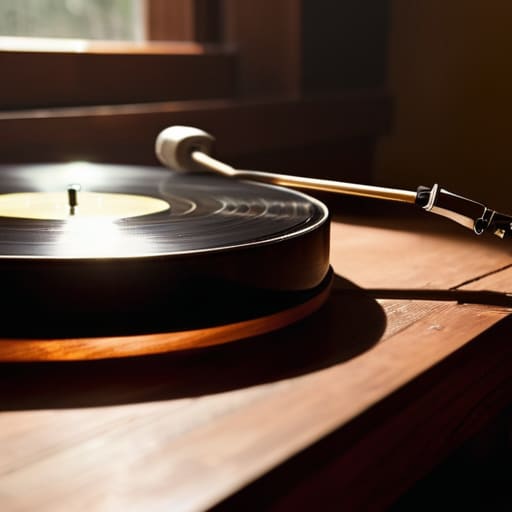
As I sit here in my study, the faint scratch of a needle reaching the end of a record reminding me of the evening’s themes, I’m struck by how much we gain when we strip away the noise. We’ve talked about how the clarity of a single guitar and the raw, unvarnished truth of a human voice can pierce through the clutter of our modern lives. Whether it is the way a singer’s breath catches in a quiet room or the way a simple melody can suddenly make the world feel smaller and more intimate, these sessions remind us that perfection isn’t the goal. It is the vulnerability of the moment that actually matters.
I hope you take this as an invitation to seek out those dim rooms and soft melodies whenever the world feels a bit too loud. Don’t just go to hear the music; go to feel the space between the notes. In a culture that demands we move faster and shout louder, choosing to sit in silence and listen to a single soul express itself is a quiet act of rebellion. Let us make a habit of finding those intentional pauses in our schedules. After all, the most profound things in life rarely arrive with a fanfare; they usually arrive in the soft glow of a shared, quiet song.
Frequently Asked Questions
How can you tell when a venue is actually built for acoustic music versus just being a loud bar that happens to have a quiet night?
You look at the bones of the room. A real acoustic venue doesn’t fight the sound; it cradles it. Look for soft surfaces—heavy velvet curtains, wood paneling, or even thick rugs—that catch the echoes before they become a mess. If the room is all hard glass and polished concrete, you’re just in a loud bar playing pretend. A space built for music feels intentional, designed to let the quietest note breathe.
Is there a particular way to approach these smaller, more intimate shows without feeling like you're intruding on the performer's space?
It’s a delicate question, isn’t it? I used to feel that same hesitation when I first started frequenting these smaller rooms. My advice is to treat the space with a quiet sort of reverence. Arrive early, find a seat that feels natural rather than performative, and let your presence be felt through your attention rather than your movement. If you’re truly listening—really, deeply listening—the performer won’t feel intruded upon; they’ll feel understood.
What should I look for in a setlist to ensure I'm getting a truly soulful experience rather than just a collection of radio hits?
When I’m looking at a setlist, I’m not looking for a countdown of the songs I already know by heart. I’m looking for the gaps—the places where a performer takes a breath to tell a story or play something that feels a bit more vulnerable. Look for a mix of unexpected covers and original compositions that lean into the tempo of the room. If the list feels like a rehearsed sprint, keep walking; if it feels like a conversation, stay.
