Category: Guides

  • The Lasting Influence of Soul Music

    The Lasting Influence of Soul Music

    I remember sitting in a basement jazz club in Detroit back in ’78, the air thick with the scent of old mahogany and stale tobacco, watching a young pianist try to replicate a Motown groove. He had the notes right, but he was missing the ache. People often talk about soul music influence as if it’s just a collection of chord progressions or a specific way a singer rasps on a high note, but they’re missing the point entirely. It isn’t something you can simply transcribe into a textbook or measure with a metronome; it is the ghost in the machine, the heavy, beautiful weight that lingers in the room long after the band has packed up.

    I’m not here to give you a dry, academic lecture on musicology or a list of chart-topping statistics. Instead, I want to walk you through the texture of that legacy—how it shaped the very way we listen to the world when the lights go low. We’re going to look past the surface-level trends to find the genuine, unvarnished heart of soul music influence, focusing on the moments that actually make a song feel alive.

    Table of Contents

    From Gospel Roots to the Souls Sacred Quiet

    From Gospel Roots to the Souls Sacred Quiet

    To understand the weight of a single note, you have to look back at where that breath first came from. For me, tracing the gospel roots of soul music is much like leafing through a dusty archive; you realize that the passion wasn’t manufactured in a studio, but born in the wooden pews of Sunday morning services. It was that raw, unvarnished yearning—the kind that reaches for something higher than itself—that eventually migrated from the church to the street corners and into the dimly lit clubs I frequent today.

    There is a sacredness in that transition, a way the music carried the heavy, unspoken prayers of a community. As the sounds shifted, the music became more than just melody; it became a vessel for dignity during much harder times. You can still hear it if you listen closely—that spiritual backbone that refused to break even as the arrangements grew more complex. It wasn’t just about rhythm; it was about a collective soul finding its voice when the world felt far too loud and far too unkind.

    How the Civil Rights Movement Found Its Voice

    How the Civil Rights Movement Found Its Voice.

    I remember sitting in a small, dimly lit cafe years ago, listening to an old Otis Redding record, and it struck me then—this wasn’t just music; it was a heartbeat. During the 1960s, the soul music and civil rights movement became inextricably linked, moving far beyond the confines of mere entertainment. It was the sound of dignity being reclaimed. When you listen to those tracks, you aren’t just hearing melodies; you are hearing the collective breath of a people demanding to be seen and heard.

    The songs became a sort of sonic sanctuary, providing a rhythmic backbone to the struggle for justice. There was a profound sense of shared purpose in every crescendo, a way to turn raw, systemic pain into something that felt both communal and unstoppable. It wasn’t just about the lyrics, though those were vital; it was about the way the music could steady a person’s hands when the world felt like it was shaking. Even now, when I walk past a quiet street corner at dusk, I can almost hear that echoes of resilience still lingering in the air.

    How to Listen for the Soul in a Fast-Moving World

    • Don’t just hear the melody; listen for the space between the notes. In soul music, the silence is just as heavy as the brass, and that’s where the real emotion settles in.
    • Seek out the imperfections. A voice that cracks slightly or a drummer who leans just a hair behind the beat—that’s where the humanity lives, far away from the sterile precision of modern digital tracks.
    • Pay attention to the lineage. When you hear a modern R&B track, try to trace the ghost of a Stax horn section or a Motown bassline hiding underneath the surface. It’s like looking at old architectural blueprints.
    • Let the music dictate your pace. If you’re listening to something with real grit, don’t rush it. Dim the lights, put the phone in another room, and allow the rhythm to slow your heartbeat down to its level.
    • Watch the room, not just the stage. Much of soul is a communal experience. Notice how the music changes the way people sit, how they lean toward one another, and how the atmosphere shifts when the groove truly takes hold.

    The Lessons the Music Left Behind

    Soul music isn’t just a genre; it’s a way of paying attention to the weight of a moment and the truth found in a single, unhurried note.

    The genre reminds us that the most profound shifts in culture often begin in the quiet, shared spaces of a community finding its collective voice.

    To truly understand the music, we must look past the rhythm and listen for the history—the echoes of struggle and spirit that refuse to be silenced by time.

    The Resonance of a Shared History

    “Soul music isn’t just a genre you listen to; it’s a way of remembering. It’s that heavy, beautiful ache in a melody that reminds us we aren’t just passing through these streets alone, but carrying the echoes of everyone who ever sang their truth into the dark.”

    Petra Lindgren

    The Echo That Never Fades

    Soul music: The Echo That Never Fades.

    Looking back through the archives of our musical history, it becomes clear that soul music was never just a genre or a collection of catchy melodies. It was a bridge—a way to carry the sacred weight of the gospel tradition into the grit of the streets, and a way to give a rhythmic, defiant heartbeat to a movement that refused to be silenced. We’ve seen how its influence seeped into every corner of modern sound, from the polished grooves of pop to the raw honesty of contemporary R&B. It taught us that music isn’t just something you hear; it is a vessel for our collective resilience and a way to document the truth of the human condition when words alone fail us.

    As I sit here in the dim light of my study, listening to the crackle of an old record, I’m reminded that the true legacy of soul isn’t found in charts or statistics. It’s found in those rare, quiet moments when a song stops you mid-stride and forces you to really listen. In a world that seems determined to move faster every single day, I hope you find the courage to slow down. Seek out the music that has something to say, the kind that lingers in the air long after the needle has lifted. Let it remind you that there is profound beauty in the struggle, and even more in the stillness that follows.

    Frequently Asked Questions

    How can we still hear those old gospel echoes in the way modern artists use their voices today?

    You can hear it in the way a singer leans into a note, letting it fray just a little at the edges. It’s that intentional, soulful grit—what I like to call the “vocal ache.” Modern artists might use synthesizers or polished production, but when they reach for those melismatic runs or that sudden, breathy vulnerability, they are tapping into that same spiritual well. It isn’t just technique; it’s an echo of something much older.

    Beyond the lyrics, how did the specific rhythm and tempo of soul music help shape the atmosphere of the era?

    It wasn’t just the words; it was the heartbeat. There is a specific, deliberate tension in a soul rhythm—that slight, heavy delay between the beat and the bass that makes you lean in. It creates a space for breath. In an era of frantic change, that mid-tempo groove acted like an anchor. It forced a certain gravity upon the room, demanding you sit still and actually feel the weight of the moment.

    In our fast-paced, digital world, is there still a place for the slow, intentional feeling that soul music demands of its listeners?

    I find that the faster the world spins, the more we actually ache for that stillness. We’re constantly bombarded by digital noise—sharp, bright, and fleeting. But soul music? It demands you sit with it. It requires you to lean in and listen to the space between the notes. In a world of instant gratification, that slow, intentional ache is more than just a genre; it’s a necessary sanctuary for the weary.

  • Ways to Maintain Your Vinyl Collection

    Ways to Maintain Your Vinyl Collection

    I remember sitting in a cramped, dimly lit basement archive back in the nineties, surrounded by the scent of aging paper and dust, when I first realized that preservation isn’t about the tools you buy, but the intent you bring to the task. I’ve seen collectors spend hundreds of dollars on flashy, motorized contraptions that promise miracles, only to realize they’ve missed the point entirely. There is a certain frustration in watching someone rush through the ritual, treating their collection like a chore rather than a treasure, especially when they rely on expensive gimmicks instead of mastering fundamental vinyl cleaning methods.

    I’m not here to sell you on a high-tech machine or a proprietary solution that costs more than the record itself. Instead, I want to share the quiet, steady techniques I’ve gathered from decades of handling fragile histories and spinning jazz at midnight. We are going to focus on the practicality of care—the kind of honest, hands-on advice that ensures your music sounds as warm and deep as the day it was pressed. Let’s strip away the marketing hype and get back to the simple, soulful work of protecting the sound.

    Table of Contents

    Gentle Whispers Mastering Wet vs Dry Cleaning Methods

    Gentle Whispers Mastering Wet vs Dry Cleaning Methods

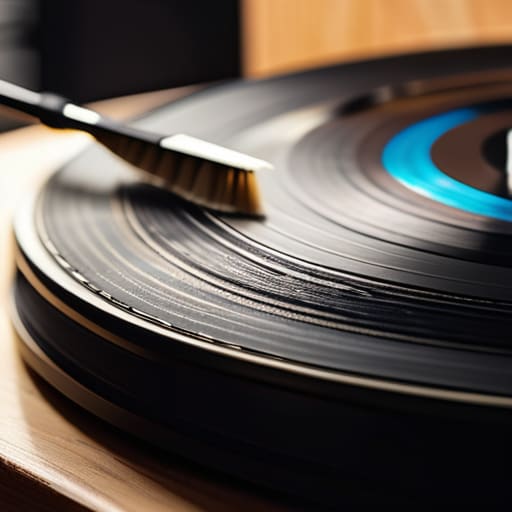
    There is a certain tension in deciding how to approach a new acquisition, a choice between the quick brush and the deep soak. When I’m sitting at my desk, I often find myself weighing the merits of wet vs dry cleaning methods based entirely on the history of the disc in my hands. A dry method—using a high-quality carbon fiber brush—is my go-to for a routine dusting. It’s a quiet, meditative act that offers significant anti-static brush benefits, lifting those pesky surface particles before they can settle deep into the wax.

    However, if a record has been sitting in a dusty attic or a damp basement for decades, a mere brush won’t suffice. For those stubborn, older finds, a wet clean is essential for cleaning record grooves safely and thoroughly. I always reach for a specialized solution and a dedicated microfiber cloth for vinyl to lift the grime that a dry pass simply cannot reach. It requires a bit more patience and a steadier hand, but the reward is a clarity of sound that makes the music feel as though it’s breathing right there in the room with you.

    The Soft Touch of a Microfiber Cloth for Vinyl

    The Soft Touch of a Microfiber Cloth for Vinyl

    There is something deeply meditative about the way a soft cloth moves across a spinning disc. When I’m not lost in a jazz set at a local club, I find myself back at my turntable, practicing what I call the “quiet ritual.” If you aren’t looking to dive into a full liquid bath, a high-quality microfiber cloth for vinyl is your most faithful companion. It isn’t just about wiping away the dust of the day; it’s about a gentle, circular motion that respects the delicate landscape of the record. You have to be patient here. Don’t press too hard—let the fabric do the work of lifting the debris without disturbing the integrity of the surface.

    I’ve learned through years of handling fragile archives that haste is the enemy of preservation. Using a dry cloth is a wonderful way of preventing surface noise on vinyl before a listening session, but you must be mindful of the friction. If you aren’t careful, you might inadvertently invite a bit of clinginess to the surface. I always find that a light, rhythmic touch helps in minimizing the buildup that leads to those dreaded pops and clicks, ensuring that when the needle finally drops, all you hear is the music.

    The Small Details That Keep the Music Alive

    • Mind the edges. When you’re working with a cloth, be careful not to let it catch on the outer rim of the disc; you want to guide the cleaning along the grooves, not create a friction that might warp the very thing you’re trying to save.
    • Patience is your best tool. If you’re using a liquid solution, don’t rush to dry it immediately. Let the fluid do its work in the valleys of the record, much like how a good jazz solo needs space to breathe before the next note hits.
    • Avoid the temptation of household sprays. I’ve seen too many well-meaning folks reach for a generic window cleaner, but those chemicals are far too aggressive for the delicate lacquer. Stick to distilled water and a drop of specialized solution.
    • Watch your hands. The oils from your skin might seem insignificant, but they leave a film that attracts dust like a magnet. Try to handle your records only by the edges, treating them with the same respect you’d give an original manuscript in the archives.
    • Listen to the silence. After you’ve finished cleaning, don’t just play it immediately. Give the record a moment to settle and dry completely in a stable environment; there is a certain peace in that quiet waiting period before the first crackle of the needle.

    The Quiet Lessons of the Groove

    Never treat the cleaning as a chore to be rushed through; treat it as a prelude to the music, allowing the stillness of the ritual to prepare you for the first note.

    Choose your tools with the same respect you’d give an archival document—gentle, non-abrasive, and always mindful of the delicate history etched into those black grooves.

    Remember that the goal isn’t just a clean surface, but the preservation of warmth, ensuring that the soul of the recording remains untouched by the dust of time.

    ## The Weight of the Groove

    Cleaning a record isn’t just about removing dust; it is a quiet act of respect for the music itself. You aren’t just scrubbing plastic; you are clearing the path so the artist’s breath and the room’s natural stillness can finally reach your ears without interference.

    Petra Lindgren

    The Final Note

    Cleaning vinyl records: The Final Note.

    Whether you find yourself leaning toward the precision of a wet cleaning solution or the simple, tactile reliability of a microfiber cloth, the goal remains the same: respect for the medium. We have discussed the necessity of avoiding harsh chemicals that might strip the life from the wax, and the importance of choosing the right tools to lift the dust without adding more scratches. It isn’t about achieving some sterile, laboratory perfection; it is about removing the static that stands between you and the music. By mastering these small, intentional movements, you ensure that the grooves remain deep and the playback remains true, protecting your collection for the next generation to discover.

    In the end, cleaning a record is more than just a chore or a maintenance task; it is a quiet, meditative prelude to the music itself. As I sit in my study, watching the light fade and preparing to drop the needle, I find that these few minutes of care actually help me slow down. We live in a world that demands we move faster, but your records ask for the opposite. They ask for your patience, your touch, and your presence. So, take your time with the ritual. Let the dust settle, let the cleaning settle your mind, and then, finally, let the music take over.

    Frequently Asked Questions

    Is it safe to use common household solutions, or will I risk damaging the delicate grooves of my older pressings?

    I’ve seen too many well-intentioned collectors reach for the window cleaner or a bit of rubbing alcohol, and it breaks my heart to see those precious grooves clouded by chemical residue. Please, steer clear of anything harsh. For those older, more fragile pressings, stick to distilled water and a drop of high-quality, pH-neutral soap. It’s about patience, not potency. We want to preserve the music, not strip away the history etched into the wax.

    How often should I actually be performing these cleaning rituals, or am I overthinking the maintenance?

    I often find myself wondering if I’m being too precious with my collection, but there is a fine line between obsession and stewardship. If you’re spinning a record every night, a quick dry brush before the needle drops is a wise precaution. However, for a deep, wet clean, don’t feel pressured to do it every time. Save those more involved rituals for when you notice a bit of grit or a dullness in the sound.

    What should I look for in a brush to ensure I'm not just pushing the dust deeper into the record?

    When you’re selecting a brush, avoid anything that feels overly stiff or synthetic; you want something that mimics a gentle touch. Look for natural fibers, like goat hair, which have a slight, organic resistance that lifts dust rather than sweeping it into the grooves. A high-quality carbon fiber brush is also a fine companion for daily maintenance. It’s about finding that balance—something that captures the debris without leaving a scratch on the history you’re trying to preserve.

  • The Experience of Ambient Music Listening

    The Experience of Ambient Music Listening

    I remember sitting in a dimly lit corner of a basement jazz club in Ann Arbor, decades ago, watching the dust motes dance in the amber glow of a single lamp. There was no frantic percussion or ego-driven soloing; there was just a low, steady hum that seemed to hold the very walls together. It wasn’t about performing for an audience; it was about the space between the notes. Nowadays, people treat ambient music listening like some high-tech ritual that requires a thousand-dollar sound system or a specialized degree in acoustics. They get so caught up in the technical specifications of the gear that they completely forget to actually listen to the soul of the sound.

    I’m not here to sell you on expensive gadgets or complex theories that only serve to complicate a simple pleasure. Instead, I want to share what I’ve learned from a lifetime of seeking out the quiet corners of this world. I’ll show you how to strip away the noise and use ambient music listening as a way to reclaim your own time. We’ll talk about setting the right scene, choosing the right textures, and most importantly, how to finally give yourself permission to just sit still.

    Table of Contents

    Mindfulness Through Sound and the Beauty of the Pause

    Mindfulness Through Sound and the Beauty of the Pause

    There is a specific kind of quiet that only exists when you stop trying to command your environment and instead let it wash over you. In my years working with archives, I learned that history isn’t just in the documents; it’s in the atmosphere of the room. I find that same truth when I sit down with a record. Practicing mindfulness through sound isn’t about achieving some lofty state of enlightenment; it is simply the act of leaning in. When you stop treating audio as mere background noise and start treating it as a companion, the world feels a little less frantic.

    I often find myself drawn to minimalist electronic compositions during those late hours when the city outside finally settles. These tracks don’t demand your attention with loud crescendos or jarring shifts; instead, they offer deep focus auditory textures that allow your mind to wander without getting lost. It is in these subtle layers—the soft hiss of a tape or the gentle swell of a synth—that we find the permission to breathe. We spend so much of our lives bracing for the next loud thing that we forget how much healing can be found in the softest frequencies.

    Low Fidelity Background Audio for Slowing Down the Night

    Low Fidelity Background Audio for Slowing Down the Night

    There is a particular kind of magic found in the crackle of a needle hitting a worn groove, or even in the digital warmth of a well-curated lo-fi stream. I’ve always found that low-fidelity background audio acts as a sort of velvet curtain for the mind, softening the sharp edges of a frantic day. It isn’t about demanding your undivided attention like a complex symphony might; rather, it provides a gentle, rhythmic pulse that allows the room to breathe.

    When I sit in my study, letting the soft hiss and muffled percussion fill the corners, I feel the frantic pace of the modern world begin to recede. These minimalist electronic compositions don’t fight for space; they create a sanctuary. They offer a layer of sonic comfort that encourages you to set down your phone, pick up a book, or simply watch the shadows stretch across the floor. It is in these unhurried moments, wrapped in a blanket of steady, low-frequency sound, that I find the most clarity.

    Small Rituals for a Deeper Listen

    • Put the phone in another room. It’s hard to catch the subtle texture of a reverb tail or a soft synthesizer swell when your pocket keeps buzzing with the demands of the digital world. Give the music your undivided attention, even if it’s only for twenty minutes.
    • Control your environment with intention. I find that the music changes entirely depending on the light; dim the lamps, perhaps light a single candle, and let the shadows soften the edges of the room. It prepares the eyes to let the ears lead.
    • Invest in a physical connection. While streaming is convenient, there is something about the tactile ritual of placing a needle on a record or even just sitting in a dedicated chair that signals to your brain: “The day is over, and the listening has begun.”
    • Listen for the “silence” between the notes. Ambient music isn’t always about the sound itself, but the space the sound creates. Don’t rush to fill every gap; let the stillness settle in your chest before the next melody drifts in.
    • Keep a notebook nearby. Much like I do when I’m sketching the cornices of an old theater, try jotting down a single word or a fleeting feeling a particular track evokes. It helps you anchor the experience, turning a mere background noise into a lasting memory.

    The Small Things That Remain

    Treat ambient music not as background noise to be ignored, but as an invitation to finally settle into your own space.

    Use the texture of low frequencies and soft melodies to create a boundary between the rush of the day and the stillness of the night.

    Remember that the goal isn’t to achieve perfect silence, but to find a rhythm that allows you to notice the architecture of your own thoughts.

    The Texture of Silence

    “Ambient music isn’t just something you play to fill a room; it’s a way to soften the edges of a long day. It’s like the low hum of a city at midnight—it doesn’t demand your attention, it simply invites you to sit still and finally hear your own thoughts.”

    Petra Lindgren

    The Last Note

    Listening to ambient music, The Last Note.

    As the evening settles, I find myself returning to the same realization: ambient music isn’t just something we play to fill the silence; it is a tool for reclaiming our time. We have discussed how these low-fidelity textures can act as a buffer against the frantic pace of the modern world, and how the simple act of listening can transform a room from a mere space into a sanctuary. Whether it is the gentle hum of a synth or the crackle of a well-loved record, these sounds allow us to practice a quiet sort of mindfulness, turning the background noise of life into something deliberate and restorative.

    I often sit at my desk after a long walk, sketching the lines of a building or simply watching the way the lamplight hits the floor, and I realize that the most important moments are rarely the loudest ones. Don’t feel the need to rush through your playlist or treat your evening as something to be conquered. Instead, I invite you to lean into the stillness. Let the music drift, let the lights stay low, and allow yourself the grace of a slow descent into the night. After all, it is in these quiet, unhurried intervals that we truly find ourselves again.

    Frequently Asked Questions

    How do I find the right balance so the music stays in the background without becoming mere noise?

    It’s a delicate thing, much like finding the right lighting for a room. You don’t want a spotlight; you want a glow. I find the trick is to treat the music as an architectural element rather than a performance. Keep the volume just below the level of your own thoughts. If you find yourself tapping your foot or trying to follow a melody, it’s too loud. It should feel like a soft shadow—present, but never demanding your attention.

    Are there specific instruments or textures that help ground a room more effectively than others?

    I’ve always found that certain textures carry a certain weight—a physical presence, if you will. There is something inherently grounding about the woody, resonant hum of a cello or the soft, rhythmic brush of a snare drum. They feel tactile, almost like the grain of an old desk. Avoid anything too bright or piercing; instead, look for those low, velvet frequencies that seem to settle into the corners of the room and hold it steady.

    How can I transition from a loud, busy day into a listening session without feeling restless?

    I used to think I could just flip a switch and find peace, but the mind doesn’t work like a record player. If you’re feeling that frantic, leftover energy from the day, don’t force the silence. Start with something tactile. Pour a glass of something slow, dim the lamps, and let the music start at a low volume—almost a whisper. Let the sound bridge the gap between the chaos you left behind and the stillness you’re seeking.

  • How to Enjoy a Jazz Club Evening

    How to Enjoy a Jazz Club Evening

    I remember sitting in a basement club in Chicago back in ’84, the air thick with the scent of old mahogany and rain-dampened wool, watching a young saxophonist pour his entire soul into a solo. Just as the melody reached that fragile, aching crescendo, a man at the next table erupted into a loud, boisterous laugh over a joke his companion hadn’t even finished telling. It wasn’t just rude; it felt like a theft of the moment. People often think jazz club etiquette is some rigid, high-society code involving hushed whispers and formal attire, but that’s a misconception born of pretension. In reality, it’s much simpler and far more profound than that.

    I’m not here to give you a list of stuffy rules to memorize so you can feel superior to others. Instead, I want to share what I’ve learned from forty years of listening closely: how to inhabit a space with intentionality. I’ll guide you through the unspoken rhythms of the room, from when to hold your breath to how to respect the musicians without becoming a statue. My goal is to help you master the art of being present, so you can truly find the beauty in the notes that linger long after the lights go up.

    Table of Contents

    Mastering Listening Etiquette for Live Jazz

    Mastering Listening Etiquette for Live Jazz.

    There is a specific kind of magic that happens in those narrow, dimly lit rooms when the first note hangs in the air. To truly honor it, one must learn the quiet language of the room. Mastering listening etiquette for live jazz isn’t about following a rigid set of rules; it’s about shared respect. In a small space, your presence is felt as much as your silence. I’ve found that the best way to engage is to treat the music as a conversation. When a soloist begins a particularly daring stretch, try to keep the chatter to a low hum. It’s about creating a sanctuary where the artist feels safe to take those necessary, beautiful risks.

    One of the most common questions I hear from younger listeners is when to applaud jazz musicians. It can feel a bit daunting when a song seems to drift into an endless loop of melody. My advice? Wait for the “punctuation.” Listen for that subtle shift in tempo or a definitive final chord that signals the end of a solo or a movement. A well-timed clap during a particularly brilliant improvisation is wonderful, but letting the silence breathe between movements is often the highest compliment you can pay.

    Respecting Performers in Small Venues

    Respecting performers in small venues through stillness.

    In these intimate spaces, the distance between the stage and your table is often nothing more than a few feet of polished wood. Because the room is so small, every sound is magnified—not just the trumpet’s swell, but also the clink of a spoon or a whispered conversation. Respecting performers in small venues means recognizing that you are part of their acoustic environment. When a musician is deep in a solo, try to keep your movements minimal. It isn’t about being a silent statue, but about creating a pocket of stillness that allows them to breathe with the melody.

    One of the most common questions I get from younger listeners is exactly when to applaud jazz musicians. It can feel tricky when a piece seems to drift endlessly. My advice is to listen for the resolution—that moment where the tension breaks and the rhythm settles back into its groove. If you feel a sudden spark of inspiration during a particularly daring stretch of improvisation, a soft, appreciative nod or a quiet word of praise is often more meaningful than a loud cheer. It shows you aren’t just hearing the music; you are truly listening to the conversation they are having.

    The Quiet Nuances of a Shared Experience

    • Mind your phone; the glow of a screen is a harsh intrusion in a room designed for shadows and soft melodies. If you must check the time, do it discreetly, and never, ever record a set unless the musicians have explicitly invited you to do so.
    • Save the heavy conversation for the intermission. There is a specific kind of magic that happens when a soloist finds their stride, and it is easily broken by a loud laugh or a sudden debate over dinner.
    • Be mindful of your physical footprint. In these smaller, more intimate rooms, your elbows or a shifting chair can feel much louder than you intend. Give the performers—and your fellow listeners—the space to breathe.
    • Treat the service with grace, but keep it seamless. A polite nod to your server is wonderful, but try to avoid requesting refills or new orders in the middle of a particularly delicate ballad.
    • Embrace the silence between the notes. Part of the etiquette is simply learning how to be still. When a song ends, let the applause be genuine and warm, but don’t be afraid to let the room settle back into a respectful hush before the next piece begins.

    The Quiet Essentials

    Remember that you aren’t just a spectator; you are part of the room’s atmosphere. By keeping your presence gentle, you allow the music to become the true center of gravity.

    Treat the venue with the same reverence you would a library or an archive. Respect the physical space and the shared silence, for that is where the most profound notes are often felt.

    Leave the digital world at the door. A glowing phone screen is a thief of intimacy; instead, give the evening your full, unhurried attention and let the memory settle in your mind.

    The Unspoken Contract

    A jazz club isn’t just a venue; it’s a shared sanctuary. When we quiet our voices and lean into the rhythm, we aren’t just being polite—we are making room for the music to breathe, and for the magic to actually happen.

    Petra Lindgren

    The Last Note

    Respecting the magic of The Last Note.

    At the end of the night, it all comes down to a simple sense of stewardship. We aren’t just patrons in a room; we are temporary caretakers of a shared, fragile atmosphere. Whether it is keeping our voices low during a delicate solo, being mindful of the space in a crowded basement club, or simply knowing when to let the silence hold its own weight, these small gestures are what preserve the magic. When we respect the performers and the sanctity of the sound, we ensure that the spirit of the music remains untarnished for the next person who walks through those heavy velvet doors.

    I often find myself sitting in the back of these dimly lit rooms, sketching the curve of a saxophone or the way the light hits a polished piano, thinking about how much we miss when we are in a hurry. Jazz is not a background noise to be consumed; it is a conversation to be joined with our full attention. I hope that the next time you find yourself in one of these sanctuaries, you choose to slow down and truly listen. Let the music be the thing that stays with you long after you’ve stepped back out into the rush of the city streets.

    Frequently Asked Questions

    Is it considered rude to take photos or videos during a set, or is it alright if I keep my phone on silent?

    I understand the urge to capture the magic, truly I do. But there’s a certain sanctity to a live set that a glowing screen can easily fracture. If you must, keep it brief and stay discreet—never let the lens become more important than the melody. Ideally, leave the phone in your pocket. The most beautiful moments aren’t the ones we record, but the ones we allow ourselves to actually inhabit.

    Should I plan to arrive well before the music starts, or is it acceptable to slip in quietly once the first set is underway?

    If you can, arrive early. There is a certain grace in settling into your seat while the room is still breathing, letting the dim lights and the hum of conversation prepare you for the music. If you must slip in late, move like a shadow. Avoid the heavy door or the clatter of a chair during a solo. The goal is to join the moment without breaking the spell the musicians have cast.

    How much of a conversation is acceptable between songs without disrupting the atmosphere for other patrons?

    There is a delicate dance to it, isn’t there? I’ve always found that the space between songs is the only time for the world to breathe again. Use that interval to lean in, catch a friend’s eye, and share a quiet thought. But once the bassist settles into that first note, the conversation should taper off. We aren’t there to perform; we’re there to listen. Keep your voices as soft as the shadows.

  • How to Master Gourmet Cooking at Home

    How to Master Gourmet Cooking at Home

    I remember sitting in a cramped, dimly lit bistro in Detroit years ago, listening to a Miles Davis record crackle in the background, realizing that the most profound moments weren’t found in the white tablecloths or the frantic service. There is this exhausting myth that gourmet cooking at home requires a kitchen full of silver gadgets and a degree from a French institute just to make a decent meal. We’ve been sold this idea that luxury is something you buy, rather than something you cultivate through patience and a bit of quiet intention.

    I’m not here to give you a list of expensive ingredients or complicated techniques that leave you exhausted before the first bite. Instead, I want to share how you can turn your own kitchen into a sanctuary of slow, deliberate flavor. I will show you how to strip away the pretension and focus on the rhythm of the process—the way a sauce reduces or the scent of fresh herbs hitting a hot pan. My goal is to help you master the art of the evening, ensuring that your culinary efforts become a way to truly savor the stillness.

    Table of Contents

    Mastering Professional Culinary Techniques for Quiet Evenings

    Mastering Professional Culinary Techniques for Quiet Evenings

    There is a certain meditative quality to the way a chef handles a knife, a rhythmic precision that mirrors the steady beat of a Coltrane solo. To bring that same intentionality into your own kitchen, you don’t need a brigade of sous-chefs; you simply need to embrace a few professional culinary techniques that prioritize patience over speed. I’ve found that mastering the art of the slow reduction or learning the exact temperature for a perfect sear changes the entire texture of a meal. It turns a chore into a ritual, much like the careful preservation of a delicate manuscript.

    As you settle into this rhythm, investing in high-quality kitchen essentials becomes less about vanity and more about respect for the craft. A heavy, well-balanced pan or a truly sharp blade allows you to feel the ingredients rather than fighting them. When you stop rushing the process, you begin to notice the subtle shifts in aroma and color. It is in these quiet, technical moments—the precise dice of an onion or the gentle whisking of a sauce—that the soul of a truly great meal is actually born.

    Gourmet Ingredient Sourcing for the Soul

    Gourmet Ingredient Sourcing for the Soul.

    There is a certain quiet dignity in knowing exactly where your food began its journey. In my years as an archivist, I learned that a story is only as good as its primary sources; the same holds true for a meal. I find that true gourmet ingredient sourcing isn’t about hunting for the most expensive label, but about finding the character in the local farmer’s market or that small, dusty grocer who knows the lineage of their olives. When you choose a heavy, sun-ripened tomato or a piece of cheese aged in a cellar, you aren’t just buying food—you are collecting a piece of history to bring to your table.

    Once you have these treasures, the ritual shifts. It becomes less about the chore of preparation and more about the tactile joy of the process. Using high-quality kitchen essentials, like a well-tempered carbon steel knife or a heavy cast-iron skillet, turns the act of cooking into a meditative practice. It’s about the weight of the tool in your hand and the way a single, perfect ingredient demands your full, undivided attention.

    The Small Rituals of a Slow Kitchen

    • Put away the timer and the frantic clock-watching. Cooking isn’t a race to be won; it’s a process of observation. Watch how the butter changes color in the pan or listen for that specific, rhythmic hiss when the shallots finally soften. If you’re rushing, you’re missing the music of the meal.
    • Invest in a single, heavy-bottomed pan that feels right in your hand. In my years in the archives, I learned that the best tools are the ones that carry a bit of weight and history. A good cast iron or copper skillet doesn’t just cook food; it holds heat with a steady, reliable grace that modern, flimsy gadgets simply can’t mimic.
    • Set the stage before the stove even gets warm. I find it difficult to appreciate a complex reduction if the room is bright and the air is frantic. Dim the overheads, light a single candle, and perhaps put on a Miles Davis record. If the atmosphere is right, the food will taste of the intention you put into the evening.
    • Don’t fear the silence of a single ingredient. Sometimes, the most profound gourmet experience isn’t a dozen spices competing for attention, but a perfectly ripe heirloom tomato or a piece of sea salt hitting a warm crust. Learn to respect the quiet strength of quality over the noise of complexity.
    • Keep a small notebook by the stove, much like the one I use for sketching city facades. Note not just the measurements, but how the evening felt. Did the wine pair well with the rain against the window? Did the aroma of rosemary bring back a memory? These are the details that turn a mere recipe into a personal history.

    The Essence of the Slow Kitchen

    Treat the preparation as a ritual rather than a chore; let the rhythmic chop of a knife and the scent of simmering herbs become your evening’s soundtrack.

    Prioritize the quality of the singular ingredient over the complexity of the recipe, allowing a well-sourced heirloom tomato or a piece of aged cheese to tell its own story on the plate.

    Design your environment to match your meal, understanding that dim lights and a quiet corner are just as essential to the flavor as the seasoning itself.

    The Rhythm of the Kitchen

    Cooking a proper meal isn’t about following a blueprint or rushing to the finish line; it’s about the quiet ritual of it—the way the light hits a copper pot, the scent of rosemary hitting hot oil, and the realization that the best part of the evening isn’t the eating, but the slow, deliberate act of creating something from nothing.

    Petra Lindgren

    The Final Note

    Gourmet cooking ritual, The Final Note.

    As the evening settles, I find that the true essence of gourmet cooking isn’t found in the complexity of a recipe or the prestige of a technique, but in the intention we bring to the kitchen. We have explored how mastering a steady flame and sourcing ingredients that possess a genuine history can transform a simple meal into a profound experience. By treating our culinary efforts not as chores to be completed, but as rituals to be honored, we bridge the gap between mere sustenance and true art. It is about the quiet satisfaction of a perfectly reduced sauce and the way a well-chosen spice can evoke a memory you thought you had lost.

    Ultimately, I hope you find that the kitchen is more than just a room; it is a sanctuary for the senses. Don’t be afraid to let the process take longer than necessary, to let the music play softly in the background, and to embrace the stillness that comes with a slow-cooked meal. In a world that demands we move faster every single day, there is a quiet rebellion in choosing to linger over a plate of something beautiful. So, dim the lights, pour yourself something meaningful, and remember that the most important ingredient is the time you take to actually taste your life.

    Frequently Asked Questions

    How can I recreate that specific, slow-paced atmosphere of a dimly lit bistro without turning my own kitchen into a chaotic mess?

    The secret lies in the mise en place—not as a chore, but as a ritual. Before you even touch the stove, prep everything. Chop your herbs, measure your spices, and arrange them in small bowls. When the ingredients are ready, the chaos vanishes. Light a single candle, put on some Coltrane, and pour a glass of something decent. If you prepare the stage first, the cooking becomes a dance rather than a scramble.

    Are there certain classic techniques that are worth the extra time, or should I focus on simpler methods that still honor the ingredients?

    I’ve always believed that the most meaningful things in life shouldn’t be rushed. While simplicity is a virtue, there is a particular dignity in techniques like a slow braise or a careful reduction. They require patience, yes, but they also demand your presence. Don’t feel you must master everything, but do choose one or two methods that allow you to slow down. Let the process be as restorative as the meal itself.

    When sourcing specialty items, how do I know if a premium ingredient is truly worth the investment for a quiet night in?

    I tend to look for ingredients that possess a certain… history. Just as I wouldn’t settle for a flimsy reproduction of a jazz record, I avoid products that lack character. Ask yourself: does this item have a story? A single, heirloom tomato from a local grower or a specific aged balsamic carries a depth that mass-produced goods simply cannot mimic. If the ingredient demands your attention rather than just filling a space, it’s worth the investment.

  • Exploring the Local Indie Rock Scene

    Exploring the Local Indie Rock Scene

    I remember sitting in a basement venue in Ann Arbor back in ’84, the air thick with the scent of damp brick and cheap clove cigarettes, watching a band play through a single, blown-out amplifier. There was no polished production or digital sheen; there was just the raw, unvarnished truth of a melody fighting to be heard. Nowadays, I see people treating the modern indie rock scene like a curated museum exhibit, obsessed with the right vintage gear or the perfect social media aesthetic before they’ve even heard a single chord. We’ve traded that visceral connection for a checklist of trends, and frankly, it’s exhausting to watch.

    I’m not here to give you a list of the most “hyped” bands or tell you which overpriced merch to buy. Instead, I want to help you strip away the noise and find the heartbeat of the music again. I’ll show you how to navigate the local landscape to find those rare, quiet moments where the songs actually stay with you long after the amplifiers have cooled. Let’s stop chasing the buzz and start looking for the soul.

    Table of Contents

    Tracing the Roots of Alternative Rock History

    Tracing the Roots of Alternative Rock History.

    In my years spent cataloging dusty manuscripts, I learned that nothing truly new ever arrives without a ghost standing behind it. When I look at the current landscape, I can’t help but see the fingerprints of the independent music movement from decades past. It wasn’t always about polished streaming playlists; it was about the grit of basement shows and the smell of stale beer in cramped rooms. Those early underground rock subcultures weren’t looking for fame—they were looking for a way to scream without permission.

    I often find myself sketching the weathered brickwork of old clubs, thinking about the lineage of the sound that once vibrated through those very walls. To understand where we are, you have to respect the raw necessity of DIY music production. It was a period defined by necessity, where a lack of resources forced a level of soulfulness that modern technology sometimes polishes right out of the song. We aren’t just listening to melodies; we are hearing the echoes of a long, beautiful struggle to remain uncompromised.

    Finding Magic in Local Music Venues

    Finding Magic in Local Music Venues.

    There is a particular kind of magic found in the dim, slightly dusty corners of a basement club—the kind of magic you simply can’t capture on a smartphone screen. As I sit in these rooms, sketching the way the light catches the peeling paint on the walls, I am reminded that local music venues are more than just places to grab a drink. They are the living, breathing lungs of a city. In these cramped spaces, the air feels heavy with the anticipation of something new. You aren’t just watching a performance; you are witnessing the raw, unpolished friction of emerging indie artists finding their footing before the rest of the world catches on.

    I’ve always felt that the true soul of the independent music movement isn’t found in the polished stadiums, but in the grit of a stage that smells of old wood and spilled beer. It is in these small, intimate settings where the connection between the performer and the listener becomes something sacred. When the amplifier hums and the first chord strikes, the outside world ceases to exist. We aren’t just passing time; we are witnessing the birth of a legacy, one distorted note at a time.

    How to Truly Lose Yourself in the Sound

    • Put the phone away. I know, it’s tempting to capture the moment for a screen, but you’ll miss the way the light hits the dust motes or the subtle shift in the drummer’s tempo if you’re looking through a lens. Just be there.
    • Seek out the smaller rooms. The massive arenas have their place, certainly, but the soul of indie rock lives in those cramped, dimly lit basements where you can actually feel the vibration of the bass in your own chest.
    • Talk to the person standing next to you. There is a particular kind of kinship found in a shared glance during a particularly poignant bridge. A simple comment about a guitar tone can turn a stranger into a momentary companion.
    • Listen for the imperfections. In my years of archiving, I learned that the most beautiful things are often the ones that aren’t quite polished. The slight crack in a vocalist’s voice or a feedback loop that lingers too long—that is where the truth resides.
    • Follow the physical trail. Don’t just rely on an algorithm to tell you who is playing. Look at the flyers taped to telephone poles or the hand-drawn posters in the window of a local record shop. There is a deliberate joy in discovering a band the old-fashioned way.

    What Remains When the Music Fades

    Don’t just go to a show to say you were there; go to listen. The real magic of indie rock isn’t in the spectacle, but in those quiet, unpolished moments where a melody actually manages to reach you.

    Seek out the small, dimly lit rooms rather than the polished arenas. There is a specific kind of honesty found in a venue where you can see the sweat on the fretboard and the history etched into the floorboards.

    Value the connection over the noise. In a world that demands we move faster, let a local set be your permission to slow down, sit still, and find something worth remembering.

    ## The Resonance of the Unpolished

    “The true soul of an indie scene isn’t found in a polished studio recording or a viral clip; it’s in that momentary, electric friction between a basement stage and a crowded room, where the music feels less like a performance and more like a shared secret whispered in the dark.”

    Petra Lindgren

    The Resonance of the Unseen

    The Resonance of the Unseen indie rock.

    As I sit here, scribbling a few final notes about the venue’s vaulted ceiling in my notebook, I realize that the indie rock scene isn’t just about the noise or the rebellion. It is a continuous thread, stretching from those early, raw alternative roots we discussed to the dimly lit, sweat-soaked basements where new legends are being forged tonight. We’ve looked at the history and we’ve wandered through the sacred spaces of these local clubs, but the real essence lies in the connection—that fleeting moment when the melody cuts through the chatter and everyone in the room breathes in unison. It is a delicate, living archive of human emotion that refuses to be filed away or forgotten.

    So, my advice to you is simple: don’t just go to a show to check a box or capture a blurry photo for a screen. Go to listen. Find a quiet corner, let the rhythm settle into your bones, and allow yourself the luxury of being truly present. The world moves much too fast, and we are all far too busy rushing toward the next thing. But when the final chord rings out and the house lights slowly rise, what remains is the only thing that matters. Seek out the music that stays with you long after you’ve stepped back out into the cool night air.

    Frequently Asked Questions

    How do you tell the difference between a band that's just playing loud and one that actually has something meaningful to say?

    It’s the difference between noise and texture. When a band is just playing loud, they’re trying to fill the space because they’re afraid of the silence. But a band with something to say? They know how to use the quiet. They respect the pauses. You’ll feel it in the way they lean into a melody or how the drummer holds back just enough to let a lyric breathe. If it leaves a shadow in your mind after the set, they were telling the truth.

    Where can a person find those quiet, tucked-away venues that haven't been swallowed up by the modern rush?

    You won’t find them on a glossy “top ten” list or a trending hashtag. To find the real gems, you have to look for the places that don’t bother with neon signs. I usually look for the narrow alleyways or the unmarked doors tucked between old brick buildings. Follow the sound of a bassline through a heavy door, or look for the faded flyers taped to a telephone pole. If it feels a little hidden, you’re likely on the right track.

    Is there a way to support these local musicians without feeling like you're just another face in a crowded, hurried room?

    It’s a valid worry. To avoid being just another face, stop treating the show like a transaction. Buy a drink, stay for the whole set, and actually listen. If a song strikes you, tell the musician afterward—not through a screen, but with a nod or a brief word. Even better, buy the physical record. In a world of digital noise, holding a piece of their work in your hands is the ultimate way to say, “I was here, and I heard you.”

  • How to Start Practicing Street Photography

    How to Start Practicing Street Photography

    I remember sitting in a corner booth at a jazz club in Detroit last autumn, the air thick with the scent of old wood and rain-dampened wool. I wasn’t even looking through a lens; I was just watching the way the amber light caught the rim of a glass and the tired, beautiful slump of a saxophonist’s shoulders. It struck me then that most of the modern street photography tips being peddled online are utterly hollow. They obsess over aperture settings and the latest high-speed sensors, as if a more expensive piece of glass could somehow manufacture soul. They want you to chase the spectacle, but they forget that the most profound moments happen in the quiet, unscripted pauses between the noise.

    I’m not here to give you a technical manual or a checklist of gear you don’t need. Instead, I want to share what forty years of observing the world has taught me about finding the heartbeat of a city. I’ll offer you a few honest, experience-based perspectives on how to slow down, how to see the shadows, and how to capture those fleeting details that actually stay with you long after you’ve returned home.

    Table of Contents

    Mastering Street Photography Lighting in the Dimly Lit Shadows

    Mastering Street Photography Lighting in the Dimly Lit Shadows

    I’ve always found that the most honest stories aren’t told in the harsh glare of high noon, but in those quiet, bruised hours of twilight. When you’re working with street photography lighting in these low-light environments, you have to stop fighting the darkness and start working with it. I often find myself leaning against a brick wall, waiting for a single streetlamp to catch the edge of a passerby’s coat. It isn’t about illuminating everything; it’s about deciding what deserves to be seen and what should remain a mystery in the shadows.

    Don’t let the lack of light intimidate you into staying home. Instead, think of the shadows as your primary tool for composition in urban photography. A well-placed silhouette can say more about the loneliness of a city than a perfectly lit, clear shot ever could. I’ve learned that if you chase the light rather than the subject, the moment usually finds you. Just remember to stay patient—the best frames often require a bit of stillness and a willingness to let the gloom do the heavy lifting.

    Finding Rhythm Through Composition in Urban Photography

    Finding Rhythm Through Composition in Urban Photography

    When I walk through the city at dusk, I don’t just see buildings and sidewalks; I see a visual tempo. Much like the syncopated beat of a Miles Davis record, a great photograph relies on a certain sense of timing and placement. To me, effective composition in urban photography isn’t about following a rigid rulebook of lines and grids. Instead, it’s about finding the natural flow of the crowd—the way a stranger’s silhouette leans into a doorway or how the geometry of an alleyway guides the eye toward a single, glowing streetlamp.

    You have to learn to anticipate the beat before it hits. I often find myself standing still for several minutes, watching how the movement of the city interacts with the stillness of the architecture. It’s in these quiet moments of observation that you truly begin capturing street life in a way that feels intentional rather than accidental. If you rush, you miss the cadence. You must wait for that moment when the human element aligns perfectly with the shadows, creating a frame that feels less like a snapshot and more like a stilled note of music.

    Small Gestures and Quiet Moments: Finding the Soul of the Street

    • Stop looking for the grand spectacle. The most profound stories aren’t found in the neon signs or the crowded intersections, but in the way a stranger adjusts their coat against the wind or the quiet stillness of a man reading a newspaper in a corner booth. Look for the small, human pauses.
    • Learn to embrace the grain. In my years working with old records, I learned that a little bit of surface noise gives a song its character. Photography is no different; don’t be afraid of a little shadow or a bit of film grain. It adds a texture that a perfectly clean, digital image simply cannot replicate.
    • Become a fixture, not a predator. People can sense when a lens is hunting. I prefer to find a good spot—perhaps a bench near a jazz club or a quiet stoop—and just sit. When you stop acting like a visitor and start acting like a witness, the city begins to reveal its true self to you.
    • Listen before you shoot. This might sound strange for a visual medium, but the rhythm of a street is audible. The tempo of footsteps, the distant hum of a bass line, the hiss of a bus—these sounds set the mood. If you can hear the rhythm of the street, you’ll know exactly when to press the shutter.
    • Respect the silence. There is a sanctity to certain urban moments. If you find yourself in a space that feels heavy with history or quiet with intention, treat it with care. A photograph should feel like a shared secret, not an intrusion. Capture the moment, but leave the dignity of the subject intact.

    The Quiet Essentials of a Meaningful Frame

    Don’t let the rush of the city dictate your pace; the most profound stories are often found in the stillness of a subject waiting for a light to change or a shadow to settle.

    Look beyond the obvious subjects and start searching for the textures and rhythms—the way a coat hangs in a doorway or the geometry of a fire escape—that give a street its unique soul.

    Remember that your camera is merely a tool for observation, not just documentation, so focus on capturing the feeling of the moment rather than just the perfection of the technical shot.

    The Quiet Observation

    “A good photograph isn’t about capturing a moment that happened; it’s about capturing the feeling that remains when the crowd has moved on and the street has gone quiet again.”

    Petra Lindgren

    The Final Frame

    Capturing the essence of The Final Frame.

    As you pack your camera away and step back into the flow of the city, remember that these techniques are merely tools to help you see what was already there. We’ve talked about how to dance with the shadows, how to find a steady rhythm in the chaotic geometry of a street corner, and how to wait for that perfect, fleeting moment of light. But more than that, street photography is about learning to observe rather than just looking. Whether you are adjusting your exposure for a dim alleyway or composing a shot around a passing stranger, the goal is to capture the essence of a moment that will never happen quite the same way again.

    In the end, I hope you realize that the most profound images aren’t always the ones with the sharpest focus or the most dramatic lighting. They are the ones that hold a certain quiet truth. Don’t be so preoccupied with the technical perfection of your settings that you forget to actually feel the pulse of the street beneath your feet. Put the camera down every once in a while. Let the evening wash over you. After all, the most beautiful scenes are often the ones we experience with our own eyes, long before we ever think to press the shutter.

    Frequently Asked Questions

    How do you manage to stay patient when the light is fading and the perfect moment seems just out of reach?

    I’ve learned that patience isn’t about waiting for the light; it’s about settling into the atmosphere. When the sun dips and that “perfect” shot feels like it’s slipping away, I stop chasing the subject and start listening to the street. I pull out my notebook, find a quiet corner, and let the shadows settle. If you stop fighting the fading light and start embracing the mood it creates, the moment usually finds you.

    When you're out in the city, how do you decide which fleeting details are worth capturing and which are just noise?

    It’s a matter of resonance, really. I don’t look for the loudest thing on the street; I look for the thing that feels like a quiet note in a jazz solo. If a shadow falls across a doorway in a way that feels intentional, or if a stranger’s posture tells a story without a word, that’s worth my time. If it doesn’t make me pause and breathe, it’s just noise.

    Is there a way to capture the soul of a place without feeling like you're intruding on someone's private evening?

    It’s a delicate dance, isn’t it? I’ve always found that if you approach the scene with reverence rather than hunger, people feel it. Don’t hunt for a subject; instead, settle into the environment. Let the city reveal itself to you. When you focus on the way a shadow falls across a doorway or the silhouette of a lone figure against a neon sign, you aren’t intruding—you’re simply witnessing.

  • Understanding the Ritual of Tea Ceremonies

    Understanding the Ritual of Tea Ceremonies

    I remember sitting in a cramped, dimly lit basement jazz club in Detroit, the kind where the air feels heavy with history and the scent of old wood. I wasn’t there for a drink; I was there to watch the way a musician leans into a note, finding the stillness in the middle of the noise. It struck me then that we often treat tea ceremonies like some high-priced, inaccessible performance—something reserved for those with pristine porcelain and an endless supply of patience. People make it out to be this rigid, intimidating chore, but they miss the point entirely. It isn’t about the price of the leaf or the pedigree of the pot; it’s about that singular moment when the world finally stops spinning.

    I’m not here to sell you on expensive sets or complicated etiquette that feels more like a lecture than a ritual. Instead, I want to share how you can strip away the pretension and find the quiet soul of the practice. I’ll show you how to use these tea ceremonies to reclaim your evening, focusing on the sensory details that actually matter. Let’s stop rushing through the steam and start noticing the warmth in our hands.

    Table of Contents

    Finding Stillness in the Japanese Matcha Tea Ritual

    Finding Stillness in the Japanese Matcha Tea Ritual.

    There is a specific kind of quiet that settles over a room when the whisk begins its work. In the Japanese matcha tea ritual, the focus isn’t on the speed of the service, but on the deliberate, rhythmic motion of the bamboo whisk against the bowl. I find myself watching the way the vibrant green froth rises, much like the way I used to watch dust motes dancing in the light of the archives. It demands a certain level of presence; you cannot simply scroll through a phone while someone is performing such precise movements.

    The beauty lies in the intentionality of the tools. Every piece, from the heavy ceramic bowl to the slender bamboo scoop, feels weighted with intention. Unlike the more expansive, social nature of a Chinese gongfu tea ceremony, this practice feels like a private conversation between you and the moment. It’s a lesson in mindfulness through tea drinking that I wish more of us would embrace. We spend so much of our lives bracing for the next thing, but here, the only thing that matters is the warmth of the bowl against your palms and the bitter, earthy scent of the tea.

    Tracing the History of Tea Culture Through Steam

    Tracing the History of Tea Culture Through Steam.

    I’ve spent much of my life among dusty ledgers and yellowed manuscripts, so I have a natural tendency to look for the lineage in everything. When I sit with a cup, I find myself wondering about the hands that held these same vessels centuries ago. The history of tea culture isn’t just a series of dates in a textbook; it’s a living, breathing thread that connects us to the past through the simple act of boiling water.

    Tracing this lineage often leads my mind back to the intricate movements of the Chinese gongfu tea ceremony. There is a profound sense of continuity in the way the steam rises, much like the way a well-preserved record carries the ghost of a melody from a distant era. It isn’t just about the beverage; it’s about the traditional tea etiquette that demands we slow down and respect the tools at hand. Whether it is the weight of a ceramic pot or the specific curve of a whisk, these objects serve as anchors, pulling us out of our frantic modern schedules and back into a rhythm that has remained steady for generations.

    Small Rituals for a Quiet Evening

    • Put your phone in another room. You can’t truly taste the nuances of a good brew if you’re constantly interrupted by the blue light of a screen. Let the world wait.
    • Pay attention to the vessel in your hands. Whether it’s a chipped ceramic cup or a fine porcelain piece, feel the weight and the texture. There is a story in the way a hand has shaped clay.
    • Watch the steam, not the clock. Instead of checking how many minutes have passed, watch how the vapor dances in the lamplight. It’s a much better way to measure time.
    • Listen to the water. There is a specific, gentle music in the sound of a kettle reaching its peak or the soft pour of liquid into a bowl. It’s the most understated jazz you’ll ever hear.
    • Savor the first sip in total silence. Don’t rush to the next task or the next thought. Just let the warmth settle, and notice how the flavor changes as it cools.

    What Remains When the Cup is Empty

    The true value of a tea ritual isn’t in the flavor of the leaf, but in the deliberate permission it gives you to finally sit still.

    By honoring the small, repetitive motions of the ceremony, we reclaim our attention from a world that is constantly trying to pull it away.

    Like a well-preserved record or a faded photograph, the quiet moments we carve out through ritual are the things that actually stay with us long after the evening ends.

    The Quiet Between the Sips

    “A tea ceremony isn’t about the drink itself; it’s about that rare, sacred pause where the world stops spinning, the steam rises to meet the dim light, and for a few minutes, you are finally allowed to just exist.”

    Petra Lindgren

    The Last Drop

    Steaming tea mug representing The Last Drop.

    As the steam finally settles and the warmth of the cup fades from my palms, I find myself reflecting on how much we leave on the table when we live at such a frantic pace. We’ve looked at the meticulous precision of the matcha ritual and traced the long, winding shadows of history that brought these leaves to our modern tables. Whether it is the structured grace of a Japanese ceremony or the simple, quiet steam rising from a chipped ceramic mug, the essence remains the same: tea is a vessel for intentionality. It is a way to anchor ourselves to the present moment, transforming a mere beverage into a deliberate pause in an otherwise chaotic day.

    I often find that the best parts of an evening aren’t the loudest ones, but the moments that linger in the quiet spaces between notes of a jazz record or the fading glow of a streetlamp. I hope you take this lesson with you when you leave your screen behind tonight. Don’t just drink your tea; let it hold you for a moment. Find your own version of this ritual—something that forces you to slow your breathing and notice the texture of the world around you. After all, the most meaningful things in life aren’t found in the rush, but in the quiet details we finally stop to see.

    Frequently Asked Questions

    Is there a way to bring a bit of this intentionality into my own home without needing a formal setup or expensive tools?

    You don’t need a lacquered tray or a thousand-dollar whisk to find that center. Honestly, the tools are just scaffolding. For me, it’s about the ritual of the pause. Find your favorite heavy ceramic mug—the one that feels right in your palms—and clear a small space on your table. Turn off the overhead lights. Just let the steam rise, focus on the warmth, and let the world outside wait for a while.

    How do the different types of tea—like a robust black tea versus a delicate green—change the actual mood of the evening?

    It’s much like the difference between a heavy brass trumpet and a soft flute. A robust black tea, perhaps a smoky Lapsang Souchong, has a certain weight to it; it demands your attention and anchors you to the present moment, perfect for a deep conversation. But a delicate green tea? That’s a light jazz melody. It’s airy and fleeting, inviting a more introspective, quiet sort of solitude as the evening settles.

    I've always struggled with the "rush" of modern life; are there specific sensory details I should look for to help me stay present during the ritual?

    Don’t try to observe everything at once; that’s just another way of rushing. Instead, pick one sense to anchor you. Listen for the rhythmic, hollow whisking of the bamboo against the ceramic bowl, or feel the weight of the cup—the way the warmth seeps slowly into your palms. Focus on the scent of the steam as it breaks the air. Let those small, tactile details pull you back from the noise of the world.

  • How to Write a Thoughtful Theatre Review

    How to Write a Thoughtful Theatre Review

    I remember sitting in the back row of a drafty community playhouse last autumn, the scent of old velvet and floor wax heavy in the air, trying to make sense of the frantic scribbling in my notebook. I wasn’t looking for a technical breakdown of lighting cues or a list of academic jargon; I was simply trying to capture why a particular silence in the second act felt so profound. Too often, people think mastering theatre review basics requires a degree in dramatic theory or a penchant for pretension, but that’s a mistake that kills the joy of the art. You don’t need to be a scholar to understand a performance; you just need to be present.

    In the pages ahead, I’m not going to lecture you on the “correct” way to critique a production. Instead, I want to share how to listen with your whole heart and translate those fleeting, visceral emotions into something meaningful on the page. We’ll move past the superficial hype and focus on the small, honest details that actually define a show. My promise to you is simple: no fluff, no academic posturing—just a practical guide to finding your own voice in the dark.

    Table of Contents

    Finding Meaning in the Elements of Theatrical Performance

    Finding Meaning in the Elements of Theatrical Performance

    When I sit in a darkened house, I try to move past the immediate impulse to judge whether a play was “good” or “bad.” Instead, I focus on the elements of theatrical performance that breathe life into the script. I find myself watching how the light catches the dust motes in a single beam, or how a sudden silence can feel heavier than any shouted line. It isn’t just about the actors; it’s about how the set design whispers a story of its own, perhaps through the peeling wallpaper of a crumbling parlor or the stark, cold geometry of a modern stage.

    To truly understand a piece, one must practice the quiet art of evaluating stage production through a lens of sensory detail. I often find my pen hovering over my notebook, trying to capture the way a costume’s texture might reflect a character’s internal struggle. This isn’t about technical perfection, but about the intention behind the craft. When we look closer at these small, deliberate choices, we stop being mere spectators and begin to truly see the soul of the work.

    Analyzing Dramatic Scripts Beneath the Surface

    Analyzing Dramatic Scripts Beneath the Surface.

    When I was working in the archives, I learned that the most profound truths are rarely found on the surface of a document; they are tucked away in the margins, in the ink blots, and in the spaces between the lines. The same is true when you are analyzing dramatic scripts. A play is more than just a sequence of events or a collection of witty dialogue. It is a blueprint for human emotion. As you sit in that velvet seat, try to look past the immediate spectacle and consider the underlying architecture of the story. What is the playwright truly trying to say about our shared frailty?

    To truly master performing arts criticism techniques, you must learn to listen for the subtext—the things left unsaid. Often, the most powerful moment in a scene isn’t the grand monologue, but the heavy silence that follows a realization. When you are evaluating stage production, ask yourself how the written word translates into physical tension. Is the conflict merely between two characters, or is it a struggle against time, society, or even fate itself? Finding these layers is how you move from simply watching a show to truly understanding its soul.

    Beyond the Script: Five Ways to Truly Listen to a Performance

    • Don’t just watch the actors; watch the space between them. Sometimes the most profound moment in a play isn’t a shouted monologue, but the heavy, intentional silence held by two performers before a revelation. Notice how that stillness fills the room.
    • Pay attention to the shadows. As an archivist, I’ve learned that what is left out is often as important as what is included. Look at how the lighting designer uses darkness to guide your eye or to hide a character’s true intentions.
    • Listen to the texture of the soundscape. A play isn’t just dialogue; it’s the rhythmic scrape of a chair, the distant hum of a city, or a subtle cello note that pulls at your chest. These sensory layers are what turn a mere performance into an atmosphere.
    • Check your own pulse, not just your intellect. Before you try to deconstruct the symbolism or the political subtext, ask yourself how your body is reacting. Are you leaning forward in your seat? Is there a tightness in your throat? Your visceral reaction is the most honest starting point for any review.
    • Observe the continuity of the world. A great production feels like a living, breathing ecosystem. Ask yourself if the costumes, the set, and the lighting all seem to be speaking the same language, or if something feels out of place, like a discordant note in a jazz standard.

    Notes to Carry Home

    Don’t just look at the actors; look at the space between them and how the lighting shapes the silence.

    Read the script like a map of human intention, searching for what is left unsaid in the margins.

    Give yourself permission to sit with the discomfort of a heavy scene rather than rushing to find a resolution.

    ## The Art of Lingering

    “A review isn’t a checklist of technicalities to be ticked off like a grocery list; it is the attempt to capture the ghost of the performance—the way the silence felt between the lines and the way the light hit the dust in the air long after the actors have left the stage.”

    Petra Lindgren

    The Afterglow of the Final Bow

    The Afterglow of the Final Bow.

    As you head toward the exit, remember that a review is more than just a checklist of technical merits or a critique of a lead actor’s projection. It is about the way the lighting shifted during a moment of grief, how the subtext of the script hummed beneath a quiet line of dialogue, and how the physical space of the stage breathed alongside the performers. By looking past the immediate spectacle and examining the interplay of these individual elements, you begin to see the architecture of the story itself. Don’t feel pressured to have all the answers immediately; sometimes the most profound insights come when you allow the technical and emotional layers to settle in your mind like dust in an old library.

    Ultimately, the goal of paying attention isn’t to become a harsh critic, but to become a more intentional witness to the human experience. Theatre, much like a well-worn vinyl record, reveals its true character when we stop rushing and start listening to the nuances. I hope you leave the lobby not just with a set of notes in your pocket, but with a lingering sense of wonder that stays with you long after you’ve stepped back out into the cool night air. Let the performance haunt you just a little bit; that is where the real magic resides.

    Frequently Asked Questions

    How do I balance my personal emotional reaction to a play with a more objective analysis of the technical elements?

    It’s a delicate dance, isn’t it? I often find myself caught between the swell of a cello and the logic of a well-paced scene. My advice is to let the emotion wash over you first—don’t fight the goosebumps. Once you’ve stepped out into the cool night air, pull out that notebook. Ask yourself: was it the lighting that stirred that ache, or the actor’s stillness? Use your feelings as a compass to find the craft.

    Is it better to focus my review on the entire production as a whole, or should I spend more time dissecting individual performances?

    It’s a bit like listening to a jazz quartet. If you only focus on the drummer, you miss the melody; if you only watch the melody, you miss the rhythm that holds it all together. I’ve found that the most honest reviews find a middle ground. Acknowledge the brilliance of a single performance, certainly, but always bring it back to how those individual notes coalesce into the soul of the entire production.

    How much do I need to know about the history or context of a play before I sit down to watch it?

    I used to think you needed a library of footnotes before stepping into a darkened house, but I’ve learned otherwise. A little context—knowing if a play was written during a revolution or a period of quiet decay—can certainly sharpen your eyes. However, don’t let research become a barrier. If you spend the whole time thinking about history, you’ll miss the living, breathing pulse of the actors right in front of you. Just enough to listen, but not enough to stop feeling.

  • The Benefits of High Fidelity Audio Listening

    The Benefits of High Fidelity Audio Listening

    I remember sitting in a cramped, dimly lit basement apartment in Ann Arbor back in ’74, the smell of old paper and stale coffee hanging in the air. I had just acquired my first decent turntable, and for the first time, I wasn’t just hearing music; I was feeling the space between the notes. There is a profound difference between having sound fill a room and truly listening to hi-fi audio with intention. Most people today treat music like background noise, a mere utility to mask the silence of a lonely evening or the hum of a refrigerator, but they are missing the very soul of the performance.

    I’m not here to sell you on some impossible, gold-plated dream or a list of gear that costs more than a mid-sized sedan. My goal is much simpler: I want to help you strip away the technical jargon and the marketing nonsense so you can find that same sensory connection I found decades ago. I’ll share what I’ve learned about finding the right balance, focusing on how to cultivate an environment where the music can actually breathe. We aren’t just chasing specs; we are chasing the feeling of a song that stays with you long after the needle lifts.

    Table of Contents

    Finding Stillness Through Lossless Audio Formats

    Finding Stillness Through Lossless Audio Formats.

    I remember the first time I truly understood the difference between hearing a song and actually inhabiting it. It wasn’t in a sterile testing lab, but in my small apartment, late one Tuesday, after a long day of sorting through dusty municipal records. I had finally moved away from those compressed, convenient files that seem to strip the life out of every melody. When you commit to lossless audio formats, you aren’t just upgrading a file type; you are reclaiming the breath between the notes. There is a certain stillness that settles over a room when the music no longer feels like it’s being squeezed through a narrow straw.

    It’s about the textures—the slight rasp of a singer’s intake of air or the way a cello string vibrates against the wood. To get there, you have to respect the journey from the digital file to the physical air. A clean digital to analog conversion acts like a bridge, allowing that raw, unvarnished emotion to cross over into your living space. When the signal is pure, the world outside the door seems to fade, leaving only the quiet dignity of a perfectly captured performance.

    The Magic of Perfect Digital to Analog Conversion

    The Magic of Perfect Digital to Analog Conversion.

    I remember sitting in a cramped basement archive in Ann Arbor, surrounded by the smell of aging paper, thinking about how much we lose when we try to compress time. Digital files are much the same—they are efficient, certainly, but they often strip away the very breath of a performance. The true alchemy happens during digital to analog conversion, that delicate moment where a string of cold numbers is breathed back into life. When that process is done with care, the music ceases to be a mere signal and begins to feel like a physical presence in the room.

    It isn’t just about the technical specifications, though I do appreciate a well-calibrated system. It’s about the way a skilled conversion allows for a sense of stereo imaging and soundstage that places you right in the center of the band. You aren’t just hearing a recording; you are feeling the distance between the snare and the upright bass. When the conversion is seamless, the technology disappears entirely, leaving you with nothing but the raw, unvarnished emotion of the artist.

    The Ritual of the Listen: Five Ways to Truly Hear

    • Clear your table of everything but the essentials. A cluttered space leads to a cluttered mind, and it’s hard to settle into a symphony when you’re staring at a stack of unpaid bills or a half-finished crossword. Give the music its own dedicated territory.
    • Respect the physical presence of the record. If you’re spinning vinyl, don’t just drop the needle and walk away. Take a moment to feel the weight of the sleeve, watch the disc catch the light, and treat the act of playing it as a ceremony rather than a chore.
    • Mind your seating, but don’t overthink it. You don’t need a specialized throne, but find that one “sweet spot” in the room where the sound feels like it’s wrapping around you rather than hitting you in the face. It’s about being enveloped, not just being a spectator.
    • Turn off the glowing distractions. Our phones are the enemies of atmosphere; they are bright, demanding, and entirely too loud in their silence. Put it in another room. Let the only light in the room be the warm glow of a vacuum tube or a dim lamp in the corner.
    • Listen for the “room” in the recording. Don’t just focus on the melody; try to hear the space where the musicians were standing. If you listen closely enough, you can almost sense the wood of the cello or the slight echo of the studio walls. That is where the soul lives.

    Small Truths for the Intentional Listener

    Stop treating music as background noise for a busy life; instead, treat it as a destination where you can finally sit still and be present.

    Invest in the clarity of your equipment not for the sake of technical perfection, but to uncover the subtle, human textures that make a recording feel alive.

    Remember that the best way to experience high-fidelity sound is to slow down, dim the lights, and allow yourself the luxury of truly listening.

    The Texture of a Moment

    High-fidelity isn’t about chasing technical perfection or expensive gadgets; it’s about finally being able to hear the breath between the notes and the slight, honest grain of a singer’s voice—the kind of details that remind you that you’re actually alive and present in the room.

    Petra Lindgren

    The Quiet After the Final Note

    The Quiet After the Final Note.

    As I sit here in the amber glow of my living room, looking over my notes, I’m reminded that high-fidelity audio isn’t just about the technical specifications of a DAC or the bit rate of a file. It is about the bridge we build between the artist’s intention and our own quiet moments. We’ve discussed how lossless formats preserve the integrity of the performance and how the conversion to analog breathes a certain human warmth back into the signal. When we strip away the compression and the digital artifacts, we aren’t just listening to a recording; we are reclaiming the texture of the sound that makes a piece of music feel alive.

    In a world that seems determined to move faster every single day, I hope you choose to slow down. Don’t treat your music as mere background noise for a busy life, but as a destination in itself. Set aside an hour, dim the lights, and let the music occupy the space around you. There is a profound, almost sacred kind of peace found in truly hearing a song from start to finish. After all, the things that actually stay with us aren’t the things we rushed through, but the moments where we finally learned to stop and listen.

    Frequently Asked Questions

    How much of a difference does the room's acoustics actually make when I'm sitting down to listen?

    It makes a world of difference. You can own the finest turntable in the city, but if you’re sitting in a room with bare walls and hard floors, that music will bounce around like a frantic ghost. It loses its warmth. I always say a room needs soul—soft surfaces, perhaps a heavy rug or a velvet curtain—to catch those stray notes. The space isn’t just where you listen; it’s part of the instrument itself.

    Is it worth the investment to move from a decent set of speakers to a truly high-fidelity setup?

    I’ve spent many evenings staring at my bookshelves, wondering if the upgrade was truly necessary. But here is the truth: it isn’t about the equipment; it’s about the connection. Moving to a high-fidelity setup is like moving from a grainy, black-and-white photograph to standing right in the room with the musicians. If you want to stop merely hearing music and start feeling the weight of every note, yes, it is worth every penny.

    Where is the best place to start when trying to build a collection of records or files that actually reward a careful ear?

    Don’t go hunting for the most expensive pressings or the latest digital trends right away. Instead, start with your own history. Dig through your old crates or those forgotten digital folders for the albums that once moved you. Revisit them with intention. I’ve found that a well-loved jazz record or a classic folk pressing—something you already have an emotional tether to—is the best way to train your ears to hear the nuances.