
I remember sitting in the back corner of a basement club in Chicago, the air thick with the scent of old cedar and spilled bourbon, watching a man play a beat-up Telecaster. He wasn’t shredding; he wasn’t even moving much. He just sat there, letting a single, weeping note hang in the dim light until the room felt like it might break. It struck me then that most people approach blues guitar techniques as if they are trying to solve a mathematical equation or win a race. They chase speed and complex scales, thinking that more notes equals more soul, but they end up playing at the music rather than living inside it.
I have no interest in teaching you how to show off or how to impress a room full of strangers with technical gymnastics. Instead, I want to talk about the weight of a note and the courage it takes to stay silent. In the following pages, I’m going to share the few, essential blues guitar techniques that actually matter—the ones that focus on intentionality and feeling. We aren’t going to rush through this; we are going to find the beauty in the slow burn.
Table of Contents
Finding the Heart Within Pentatonic Scale Patterns

We often treat the pentatonic scale like a map we’re forced to follow, a series of rigid shapes etched into the fretboard that we run through without thinking. But if you approach these pentatonic scale patterns as mere geometry, you miss the ghost in the machine. I remember sitting in a basement club in Chicago years ago, watching a guitarist who didn’t seem to care about speed at all. He wasn’t playing scales; he was telling a story. He understood that the magic isn’t in how many notes you can cram into a measure, but in how you navigate the spaces between them.
To find that heart, you have to move beyond the mechanical. It’s about mastering the art of string bending and vibrato to make a single note weep or sing. When you lean into a bend, don’t just hit the pitch and move on; let it linger, let it tremble, and let it settle into the silence. It is in that intentionality—that refusal to rush—where the music finally starts to feel human.
The Heavy Weight of String Bending and Vibrato
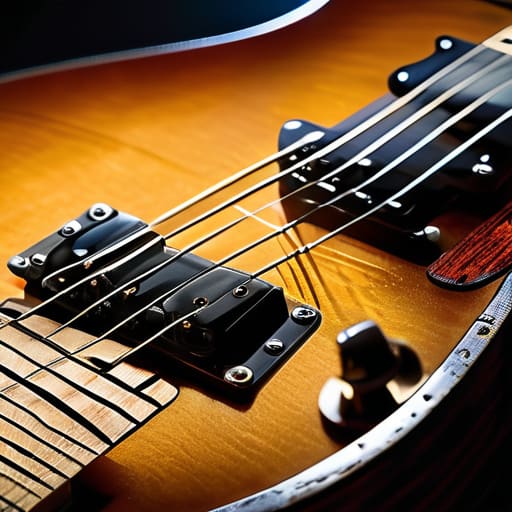
There is a particular kind of ache that only a well-executed bend can produce. It isn’t enough to simply push the wire toward a pitch; you have to feel the tension in your own fingertips, as if you are pulling a memory out of the wood itself. When I sit in a dimly lit corner of a club, watching a player work, I’m rarely impressed by speed. Instead, I’m looking for that moment where string bending and vibrato stop being mechanical movements and start feeling like a human voice cracking under the weight of a story.
If the bend is too sudden, it feels clinical, like a mistake. But if you let it arrive slowly, reaching for that target note with a sense of struggle, you create a tension that the audience can feel in their chests. Once you hit that note, the vibrato is where the soul resides. It shouldn’t be a frantic wobble; it should be a deliberate, rhythmic pulse that allows the note to settle into the room. It’s in these micro-movements that the music stops being a series of shapes and begins to breathe.
The Small Details That Make the Music Breathe
- Listen to the silence. It’s tempting to fill every gap with a flurry of notes, but some of the most profound moments in a blues solo happen when you simply stop playing and let the last note decay into the room.
- Stop chasing the speed. I’ve spent many evenings in dimly lit clubs watching players who move like they have all the time in the world. They aren’t racing to the finish line; they are savoring the journey of a single phrase.
- Find your own “voice” in the call and response. Think of your guitar as a person in a conversation. Don’t just play a lick; ask a question with a high, piercing note, and then answer it with a low, growling response.
- Embrace the imperfection of the touch. A perfectly clean, clinical note rarely moves the soul. Don’t be afraid of a little grit or a slightly unpolished slide; those human imperfections are where the emotion lives.
- Play for the room, not the ego. Before you strike a chord, feel the atmosphere of the space you’re in. The blues isn’t a performance meant to impress; it’s a shared mood meant to connect you to the people sitting in the shadows.
The Lessons Left in the Room
Stop treating the scale like a map to be followed and start treating it like a conversation; it’s not about how many notes you can hit, but how much you say with the ones you choose.
Mastery isn’t found in the speed of your fingers, but in the patience of your hands—learning to let a single, well-placed bend linger until it feels like a sigh.
True blues isn’t a technical achievement you check off a list; it’s the ability to find the quiet, aching space between the notes and let the silence do the heavy lifting.
The Silence Between the Notes
“You can learn every scale in the book, but the blues isn’t found in the speed of your fingers; it’s found in that split second where you let a single, bent note hang in the air, trembling, just long enough for the room to catch its breath.”
Petra Lindgren
The Echo After the Last Note

We have wandered through the technical thickets of the pentatonic scale and felt the physical tension required to make a string truly weep through a well-placed bend. But as I sit here in this dimly lit corner, listening to the faint crackle of a Miles Davis record, I am reminded that these techniques are merely tools. They are the brushes, not the painting itself. Whether you are mastering the subtle nuances of vibrato or finding the courage to navigate a complex scale, remember that the goal isn’t perfection; it is finding the resonance between the notes. The technique serves the feeling, and if the feeling isn’t there, the most precise fingerwork in the world will remain nothing more than empty noise.
As you pick up your instrument tonight, I urge you to resist the urge to rush. Do not treat your practice like a race to be won or a checklist to be completed. Instead, treat it like a slow walk through an old neighborhood, noticing the textures and the shadows. Let a single note hang in the air until it feels like it might break, and then let it go. The most profound music doesn’t happen in the speed of your hands, but in the intentional silence you leave behind. Go find your own rhythm, and let the music stay with you long after the lights have gone down.
Frequently Asked Questions
How do I stop my playing from sounding like I'm just running through a textbook pattern?
You have to learn to stop playing and start listening. When you’re just running through shapes, you’re essentially reading a manual aloud, and it lacks any breath. Try this: pick a single note, bend it just a hair, and let it hang in the air until the silence becomes part of the melody. If you aren’t feeling the tension in your own chest, the audience certainly won’t feel it in theirs.
Is there a way to master that subtle tension in a bend without it sounding forced or mechanical?
It’s a common struggle—that feeling of a note being technically correct but emotionally hollow. To find that tension without the artifice, stop thinking about the fretboard and start thinking about your breath. Don’t just push the string; lean into it. I often find that the most soulful bends happen when you allow a tiny bit of “imperfection” to linger before you hit the target pitch. Let the tension build slowly, like a secret being told.
When should I lean into the silence between the notes rather than trying to fill the space?
You lean into the silence when the music has finally said what it needs to say. I’ve sat in enough dimly lit clubs to know that the most profound moments often happen right after a note decays. If you’re rushing to fill every gap, you’re just making noise. Stop. Let the tension hang there. When the room feels like it’s holding its breath, that’s your cue to let the silence do the heavy lifting.
