Category: Guides

  • Finding the Best Street Food Festivals

    Finding the Best Street Food Festivals

    I remember standing on a cobblestone corner in Chicago years ago, the air thick with the scent of charred garlic and rain, watching a vendor flip skewers with a rhythm that felt more like jazz than cooking. It wasn’t about the fancy branding or the long lines; it was the way the steam rose into the dim evening light, creating a momentary sanctuary amidst the city’s roar. Most people approach street food festivals as if they’re checking items off a frantic to-do list, rushing from one overpriced stall to the next just to say they were there. They miss the point entirely. They treat these gatherings like a race, forgetting that the true magic happens in the quiet pauses between the bites.

    I’m not here to give you a glossy brochure of the trendiest spots or a list of “must-eat” items that will be forgotten by morning. Instead, I want to show you how to navigate these crowded spaces with intention. I’ll share my personal guide to finding the stalls that actually possess a soul, avoiding the commercial traps, and knowing exactly when to pull up a chair and simply be present.

    Table of Contents

    Savoring Authentic Ethnic Cuisine Amidst the Nightly Glow

    Savoring Authentic Ethnic Cuisine Amidst the Nightly Glow

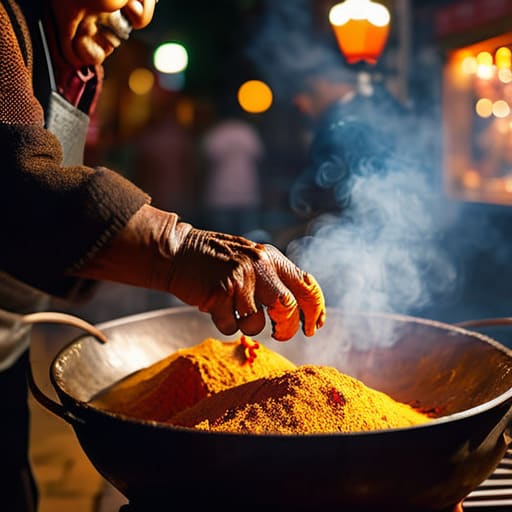
    There is a specific kind of magic that happens when you stop looking at a map and start following your nose. In the middle of these bustling gatherings, I often find myself drawn away from the bright, neon-lit main thoroughfares toward the smaller stalls tucked into the shadows. It is there, amidst the rising plumes of steam and the rhythmic chop of knives, that you truly encounter authentic ethnic cuisine. I remember standing near a vendor last summer, watching the way the amber light caught the spices being tossed into a heavy iron wok; it felt less like a commercial event and more like a shared piece of gastronomy and cultural heritage.

    Instead of rushing to tick every stall off a mental list, I prefer to let the evening dictate my pace. I’ve noticed that the most profound outdoor dining experiences happen when you simply find a quiet corner, perhaps a wooden bench or a low stone wall, and let the flavors settle. There is a quiet dignity in a recipe passed down through generations, served on a simple paper plate under a canopy of stars. It’s these small, unhurried moments of connection to another culture that stay with you long after the embers of the grills have cooled.

    Tracing Gastronomy and Cultural Heritage Through Every Bite

    Tracing Gastronomy and Cultural Heritage Through Every Bite

    As an archivist, I’ve spent my life looking at what people leave behind in paper and ink, but I’ve come to realize that history is often better preserved in the steam rising from a paper plate. When you wander through these gatherings, you aren’t just eating; you are participating in a living record of migration and memory. To me, the connection between gastronomy and cultural heritage is found in those small, stubborn details—the specific way a spice is toasted or the exact texture of a hand-pressed dough. These aren’t just recipes; they are artifacts of a journey.

    I find myself watching the hands of the cooks, seeing the same rhythmic motions passed down through generations. It’s a beautiful thing to witness how authentic ethnic cuisine serves as a bridge, turning a crowded sidewalk into a shared moment of understanding. In the rush of modern life, we often forget that every flavor tells a story of where someone has been and what they hold dear. When we slow down to truly taste, we aren’t just consuming food; we are reading the very soul of a culture.

    A Few Small Rituals for the Wandering Palate

    • Don’t be afraid of the line. In fact, seek it out. If you see a crowd huddled around a single, unassuming stall, it’s usually because there’s something there worth the wait—a recipe that hasn’t changed in decades.
    • Leave your phone in your pocket. I know it’s tempting to photograph every colorful plate, but once you start looking through a lens, you stop tasting the spices and feeling the hum of the crowd. Just be present.
    • Look for the shadows, not just the spotlights. The most soul-stirring flavors often come from the vendors tucked away in the corners, far from the main stage, where the lighting is low and the focus is purely on the craft.
    • Carry a little extra cash and a bit of patience. There is a certain tactile charm to using paper bills in a bustling market; it keeps you connected to the rhythm of the exchange rather than the sterile beep of a card reader.
    • Find a quiet corner to sit. After you’ve gathered your treasures, find a spot away from the heavy foot traffic. Let the flavors settle, listen to the distant music, and let the evening unfold at its own pace.

    The Quiet Art of the Festival

    Don’t let the crowds dictate your pace; the true magic of a street food festival is found in those small, stolen moments between the noise, where the steam from a vendor’s stall meets the cool night air.

    Treat every dish like a piece of living history, a sensory record of a culture that has traveled far to reach your plate, and take the time to actually taste the heritage behind the spice.

    Look beyond the bright lights and the rush to find the rhythm of the evening, letting the combination of good food and ambient sound remind you to simply be present in the moment.

    The Rhythm of the Night

    “A street food festival isn’t just about the meal; it’s about that fleeting, beautiful moment when the hiss of a grill and the low hum of a crowd become the only soundtrack you need to feel truly alive.”

    Petra Lindgren

    The Lingering Aftertaste of a Night Well Spent

    The Lingering Aftertaste of a Night Well Spent

    As the crowds begin to thin and the heavy scent of spices settles into the cooling night air, I find myself reflecting on what we actually gathered at these stalls. We didn’t just consume calories; we participated in a living history, tasting the unfiltered stories of families who have carried their recipes across oceans. From the rhythmic clatter of woks to the shared warmth of a crowded corner, these festivals serve as a reminder that culture isn’t something locked away in a museum archive—it is something vibrant, messy, and delicious that lives in the hands of the cook and the hunger of the traveler.

    My advice to you is simple: the next time you find yourself standing under those flickering string lights, don’t just eat to be full. Slow down. Let the steam from a paper bowl hit your face and listen to the low hum of a dozen different languages blending into one. We spend so much of our lives rushing toward the next appointment, but there is a profound, quiet magic in simply being present for a single, perfect bite. Go find a festival, find a seat, and let the world slow down just enough for you to taste it.

    Frequently Asked Questions

    How can I find the smaller, more intimate festivals that don't feel like a crowded tourist trap?

    To find the real heart of things, you have to look where the neon doesn’t reach. Steer clear of the massive, city-sponsored plazas. Instead, keep an eye on local community boards or small, independent neighborhood blogs. Often, the most soulful gatherings happen in tucked-away parks or quiet alleyways, organized by the very people who cook the food. Look for the festivals that feel more like a neighbor’s backyard dinner than a spectacle.

    Is there a way to discover the history behind these specific recipes while I'm wandering the stalls?

    It’s a wonderful instinct to want to peel back the layers. I often find that the best way isn’t through a guidebook, but through a quiet conversation. Don’t be afraid to linger by a stall and ask the cook where they learned their grandmother’s technique or where they source their spices. Most of them carry those stories like heirlooms. Listen closely; sometimes the history isn’t written in a book, but in the steam rising from a pan.

    What should I look for to ensure I'm finding the most authentic vendors rather than the ones just chasing the crowd?

    Look past the neon signs and the polished branding. I’ve learned that authenticity usually hides in the details—the way a vendor handles their spices with practiced grace, or the steam rising from a pot that’s been simmering all afternoon. Seek out the stalls where the menu is small, perhaps even handwritten, and the crowd is composed of locals rather than just tourists. If the rhythm of their work feels steady and soulful, you’ve found something real.

  • How to Behave at a Symphony Orchestra Performance

    How to Behave at a Symphony Orchestra Performance

    I remember sitting in the third row of the Detroit Symphony Hall back in the late seventies, clutching a worn notebook and feeling a profound sense of dread. It wasn’t the music that intimidated me; it was the suffocating, invisible weight of what I assumed was a rigid set of rules. People often treat symphony orchestra etiquette like a minefield of high-society pretension, a place where you might be judged for the wrong shade of tie or for breathing too loudly during a pianissimo passage. They make it feel like an exclusive club designed to keep the uninitiated out, rather than a sanctuary for the music itself.

    I’m here to tell you that the velvet ropes are mostly an illusion. My goal isn’t to teach you how to act like a socialite, but to help you navigate the space so you can actually listen. I want to share the quiet, practical realities of how to respect the performance without losing your soul to formality. We’ll strip away the snobbery and focus on the few essential gestures that allow the music to truly settle into your bones. Let’s find the grace in the stillness together.

    Table of Contents

    Mastering Concert Hall Silence Etiquette

    Mastering Concert Hall Silence Etiquette.

    There is a specific kind of weight to the silence in a concert hall, a heavy, expectant stillness that feels almost sacred. As someone who spent decades in quiet archives, I’ve learned that the most profound moments often happen in the gaps between the notes. Practicing proper concert hall silence etiquette isn’t about being stiff or fearful of making a mistake; it’s about creating a shared space where the music can actually breathe. When you settle into your seat, try to let your own presence become secondary to the sound.

    The most common anxiety I hear from newcomers is the timing of applause. It can feel awkward, standing there wondering if you’re about to interrupt a delicate transition. A good rule of thumb for when to clap at a classical concert is to wait until the conductor’s baton fully lowers and they make a definitive movement toward the audience. If you aren’t quite sure, simply watch the seasoned patrons around you. It’s much better to wait a few extra seconds than to break the spell of a movement just as it reaches its emotional peak.

    Understanding Conductor Cues in the Dim Light

    Understanding Conductor Cues in the Dim Light

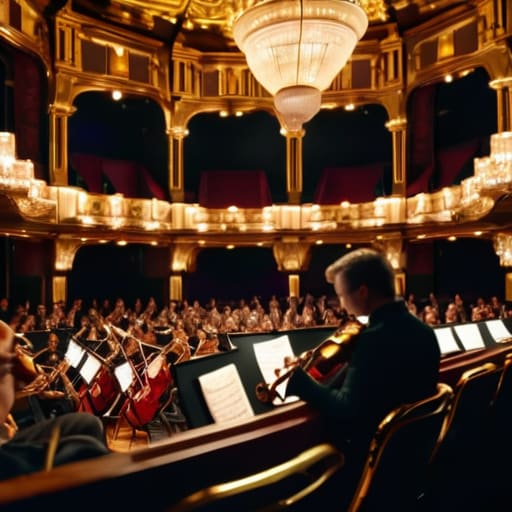
    Once the lights have settled into that soft, amber glow, your attention naturally drifts toward the podium. It’s easy to view the conductor as merely a figurehead, but if you watch closely, you’ll see they are the heartbeat of the entire room. Understanding conductor cues is less about following a strict set of rules and more about learning to read the breath of the music. There is a subtle language in the way a baton rises or how a hand lingers in the air, signaling a transition that the musicians are all feeling simultaneously.

    I often find myself sketching these movements in my notebook—the sudden sharpness of a crescendo or the gentle, sweeping arc of a lull. It is in these small, gestural nuances that the true intention of the piece resides. When you begin to recognize these signals, you stop being a mere spectator and start becoming part of the shared experience. It transforms the evening from a simple recital into a silent conversation between the stage and the stalls, allowing you to feel the music’s ebb and flow before a single note has even finished ringing.

    Small Gestures for a Shared Experience

    • Mind your movements; when the music reaches a crescendo, a sudden rustle of a program or a heavy step in the aisle can feel like a thunderclap to those lost in the melody.
    • Save the applause for the right moment; wait for the conductor to lower their baton completely before you let your appreciation break the spell of the final note.
    • Treat your devices like relics of a bygone era; silence them entirely before you enter the hall, for even the smallest glow from a screen can pull a neighbor right out of the music.
    • Keep your whispers to a minimum, or better yet, hold them until the intermission; the space between the notes is just as sacred as the notes themselves.
    • Arrive with time to settle; rushing into a seat as the first violin begins is a distraction to the performers and a missed opportunity for you to find your own quiet center.

    The Quiet Essentials

    Respect the silence not as a rule, but as a shared canvas; every hushed breath and still moment allows the music to breathe and find its way to your neighbors.

    Watch the baton with intention, letting the conductor’s movements guide your focus so you are never caught off guard by the sudden surge of a crescendo.

    Treat the intermission as a brief pause rather than a race, using the time to settle your thoughts so you can return to your seat fully present for the next movement.

    The Shared Breath of the Hall

    “Etiquette isn’t about following a rigid set of rules to avoid being judged; it is a silent pact we make with one another to hold space for something sacred. When we embrace the stillness, we aren’t just being polite—we are making room for the music to actually reach us.”

    Petra Lindgren

    The Quiet After the Final Note

    The Quiet After the Final Note.

    As the final resonance of the strings begins to fade into the velvet of the hall, remember that your presence is part of the performance itself. By mastering the subtle art of silence, respecting the conductor’s unspoken language, and being mindful of your movements in the dim light, you aren’t just following a set of rules; you are protecting the sanctity of the sound. These small, intentional gestures—the stillness of your hands, the patience of your breath—ensure that the music remains the sole protagonist of the evening. It is through this collective discipline that we transform a mere gathering of people into a unified, breathing audience.

    In a world that seems increasingly determined to fill every empty second with noise and frantic motion, stepping into a symphony hall is a quiet act of rebellion. I often find myself sketching the ornate moldings of these old theaters, reminded that beauty requires a steady hand and a patient eye. I hope you leave tonight not just having heard a beautiful melody, but having experienced the profound grace of a shared stillness. Let the music settle into your bones, and when you finally step back out into the rush of the city streets, carry that sense of intentional calm with you.

    Frequently Asked Questions

    Is it truly acceptable to applaud between movements, or should I wait for the conductor to lower their baton completely?

    It’s a common dilemma, and I’ve certainly sat through many a silent, tense interval myself. My rule of thumb? Wait for the conductor to lower their baton and for the sound to fully settle. There is a specific, heavy kind of magic in those moments of silence between movements; it’s a bridge of tension. If you rush the applause, you break the spell. Let the music breathe before you let your hands join in.

    If I need to step out for a moment, how can I do so without disrupting the delicate atmosphere of the performance?

    The temptation to slip away during a particularly moving movement is real, but timing is everything. If you must leave, wait for the natural breaks—the breath between movements or the applause following a finished piece. Avoid the frantic shuffle of finding a coat mid-crescendo. If you move quietly and avoid the bright aisles, you’ll preserve that shared hush that makes the evening feel sacred. Let the music finish its thought before you depart.

    How much of my phone's presence is actually an issue—is it just the light from the screen, or the silent vibration that bothers people most?

    It’s a bit of both, really, but for different reasons. The screen’s glow is a visual intrusion, a sudden, artificial spark that breaks the shared trance of the room. But that silent vibration? That’s a physical disruption. It’s a jarring reminder of the frantic, digital world we’ve tried so hard to leave at the door. Both pull us out of the moment, but the vibration feels like a tiny, rhythmic heartbeat of chaos in a space meant for stillness.

  • How to Create an Aesthetic Living Space

    How to Create an Aesthetic Living Space

    I was sitting in a dimly lit jazz club in Chicago last Tuesday, watching the way a single amber lamp caught the grain of a weathered oak table. It struck me how much we’ve lost to the frantic, polished perfection of modern trends. People spend a fortune chasing the latest, most sterile version of interior design aesthetics they see on a glowing screen, only to end up in a home that feels more like a showroom than a sanctuary. We are so obsessed with looking right that we’ve forgotten how a room is actually supposed to feel when the sun goes down and the world gets quiet.

    I’m not here to sell you on expensive minimalism or the next fleeting color palette that will be obsolete by autumn. Instead, I want to share how you can curate a space that actually holds a life—one that prioritizes texture, light, and the quiet dignity of things that age well. I’ll guide you through choosing elements that invite a slower pace, moving past the superficiality of trends to find meaningful beauty that stays with you long after the lights are dimmed.

    Table of Contents

    Scandinavian Design Principles for Quiet Luminous Evenings

    Scandinavian Design Principles for Quiet Luminous Evenings

    There is a particular kind of peace found in the restraint of Scandinavian design principles. Having spent years cataloging the cluttered archives of the past, I’ve grown to appreciate the breathing room that comes with a more intentional approach to a living space. It isn’t about emptiness; it is about making sure every object has a reason to exist. When you strip away the excess, you leave space for the light to dance across the floor and for the music to actually fill the room.

    To capture this, I often find myself looking toward modern minimalist interior styles that prioritize natural textures—think light woods, soft linens, and stone. The goal is to create a backdrop that doesn’t compete with your evening. Instead of heavy, dark furniture that swallows the shadows, I prefer pieces that feel airy and grounded. By choosing soft color palettes for home styling, such as muted sands or pale greys, you create a canvas where the flicker of a single candle becomes the most important thing in the room. It’s a way of designing not just for the eyes, but for the soul.

    Modern Minimalist Interior Styles That Invite Stillness

    Modern Minimalist Interior Styles That Invite Stillness

    There is a certain quietude found in a room that refuses to compete for your attention. While some might find it sparse, I’ve always seen modern minimalist interior styles as a way to clear the mental clutter that accumulates during a long workday. When I walk into a space that favors clean lines and intentional voids, I feel my shoulders drop. It isn’t about owning less for the sake of a trend; it’s about ensuring that every object in your line of sight has earned its place.

    To achieve this without making a home feel cold or clinical, I often look toward mid-century modern decor trends for inspiration. The warmth of a teak sideboard or the soft curve of a lounge chair provides a necessary soulfulness that pure minimalism sometimes lacks. By pairing these structured shapes with a few carefully chosen textures, you create a sanctuary that doesn’t just look organized—it feels deliberately still. It is in these uncrowded corners that we finally find the room to breathe, letting the evening unfold without the frantic noise of unnecessary things.

    Small Adjustments for a More Intentional Atmosphere

    • Prioritize soft, layered lighting over the harsh glare of overhead fixtures; a single well-placed lamp or a few amber-hued candles can transform a room from a mere space into a sanctuary.
    • Introduce textures that demand to be touched, like a heavy wool throw or a worn leather chair, to ground your senses and pull you away from the digital hum of the day.
    • Curate your surfaces rather than cluttering them, leaving intentional “empty” spaces that allow the eye—and the mind—to rest without distraction.
    • Incorporate elements with a sense of history, perhaps a vintage brass tray or a weathered wooden table, to lend your home a soul that feels earned rather than merely purchased.
    • Mind the acoustics of your room by using rugs or heavy drapery to dampen the sharp edges of sound, creating a quiet stage for your favorite jazz records to truly breathe.

    Finding the Soul in Your Surroundings

    Stop decorating for the eyes and start designing for the mood; a room should feel like a soft jazz record, not a bright fluorescent office.

    Prioritize texture and warmth over sheer emptiness, choosing materials that invite you to linger rather than just pass through.

    Remember that the most important element of any space is the permission it gives you to finally slow down and breathe.

    ## Beyond the Surface

    “We often mistake decoration for design, but true aesthetics aren’t about how a room looks under bright lights; they are about how a space holds you when the sun goes down and the music starts to play.”

    Petra Lindgren

    The Soul of the Space

    Minimalist interior, The Soul of the Space.

    As we’ve wandered through the clean lines of Scandinavian warmth and the quiet discipline of modern minimalism, a common thread becomes clear: your home shouldn’t just be a collection of expensive objects, but a curated backdrop for your life. Whether you find solace in the soft, luminous textures of the North or the intentional stillness of a minimalist room, the goal remains the same. It is about selecting pieces that serve a purpose beyond mere decoration—elements that work together to soften the edges of a long day and provide a sanctuary from the frantic pace of the world outside. After all, an aesthetic is only as good as the way it makes you feel when the sun finally dips below the horizon.

    In the end, don’t get too caught up in the catalogs or the fleeting trends that seem to change with every passing season. A room is not a museum; it is a living, breathing vessel for your memories and your quietest moments. I have spent my life cataloging the past, and if there is one thing I have learned, it is that the most beautiful spaces are those that allow for unhurried presence. So, dim the lights, put on a record, and let your surroundings invite you to simply be. The most important design choice you will ever make is deciding to finally, truly, slow down.

    Frequently Asked Questions

    How can I transition a space from the bright, productive energy of the day into something more soulful and dim for the evening?

    It’s all about the layers. During the day, we need that sharp, functional clarity to get things done, but the evening requires a different kind of permission. I always start by putting away the overhead lights—those harsh, clinical glows are the enemy of a good mood. Instead, I reach for small lamps, a single candle, or even a low-burning lamp tucked into a corner. It’s about creating pools of warmth that let the shadows breathe.

    Is it possible to incorporate vintage or storied pieces without making a modern room feel cluttered or disorganized?

    It is not only possible; it is essential. A room filled only with the new feels hollow, like a recording without any warmth in the mid-tones. The trick is to treat a storied piece like a solo in a jazz set—it should stand out, not compete. Pick one or two items with real soul—a heavy oak bureau or a weathered lamp—and let them breathe. Surround them with space, and they become anchors rather than clutter.

    Beyond just furniture, what small, tactile details help create that sense of intentionality and stillness in a home?

    It’s the things you touch when the house is quiet that truly matter. I find it in the weight of a heavy ceramic mug against my palms or the grain of a well-worn wooden tray. Don’t overlook the sensory: a linen throw that feels substantial, the soft click of a brass lamp, or even the scent of beeswax. These aren’t just objects; they are anchors that pull you back into the present moment.

  • Finding and Enjoying Poetry Slam Events

    Finding and Enjoying Poetry Slam Events

    I remember sitting in the back of a basement cafe last Tuesday, the air thick with the scent of roasted beans and damp wool, watching a young man pour his entire soul into a microphone. There is a specific, electric tension that fills a room during poetry slam events—a sort of hushed, collective holding of breath that you just don’t find in the polished, overproduced spectacles of modern entertainment. It isn’t about the fancy lighting or the expensive acoustics; it’s about that raw, unvarnished moment when a stranger’s truth hits you right in the chest, leaving a mark long after the applause fades.

    I’m not here to give you a glossy brochure or a list of the trendiest spots to impress your friends. Instead, I want to share what I’ve learned from years of seeking out the quiet corners of this city to find where the real stories are being told. I’ll guide you through the etiquette of the room, how to truly listen without judgment, and how to find those rare, dimly lit stages where the words actually stick to your ribs.

    Table of Contents

    Seeking Soul in Local Slam Poetry Venues

    Seeking Soul in Local Slam Poetry Venues.

    When I wander through the city on a Tuesday night, I’m rarely looking for the neon glow of a main thoroughfare. Instead, I find myself drawn to the basement stairs and the unmarked doors of local slam poetry venues tucked away in the corners of old brick buildings. There is a specific kind of magic in these spaces—a sense that the walls themselves are saturated with the voices of those who came before. You can feel it in the way the air settles when a performer steps into the spotlight, stripped of everything but their truth.

    It isn’t just about the spectacle, though. There is a fascinating tension in watching how contemporary spoken word artists navigate the room, balancing raw vulnerability with the technical precision required to hold a crowd’s attention. I often find myself sketching the way the light hits the microphone stand, thinking about how these poets use their bodies as much as their breath. It’s a reminder that even in a digital age, there is no substitute for the weight of a human voice echoing in a small, crowded room.

    The Raw Truth of Contemporary Spoken Word Artists

    The Raw Truth of Contemporary Spoken Word Artists.

    There is a particular kind of electricity in the air when a performer steps into the spotlight, stripped of the safety net of a musical arrangement. Unlike the polished recordings I used to catalog in the archives, contemporary spoken word artists offer something unvarnished and immediate. They aren’t just reciting lines; they are exhaling their histories directly into the room. You can see it in the way they hold their breath before a pivotal stanza, or how they use subtle performance poetry techniques to command the silence of a crowded room. It is a visceral, breathing thing that demands your full attention.

    I often find myself watching the audience, noting how the tension breaks when a poet hits a note of profound, shared vulnerability. It isn’t just about the technicalities of a slam poetry scoring system or who takes home the trophy at the end of the night. It’s about that fleeting moment when a stranger’s words make you feel less alone in your own skin. In a world that feels increasingly curated and filtered, there is a profound, quiet dignity in witnessing someone speak their truth without any apology.

    How to Truly Listen When the Room Goes Quiet

    • Arrive early to find a corner that feels right. Don’t just grab the first stool; look for a seat where you can see the performer’s hands and the way the light hits the stage. It’s much easier to let the words settle when you aren’t fighting for a view.
    • Leave your phone in your pocket. I know, it’s a hard habit to break, but there is a specific kind of magic in a spoken word performance that vanishes the moment you try to capture it through a screen. Let the moment live in your memory, not your camera roll.
    • Embrace the silence between the stanzas. Most people feel the urge to fidget or whisper when a poet pauses, but that stillness is often where the most profound part of the poem resides. Let the silence breathe; it’s part of the music.
    • Don’t be afraid to react. A poetry slam isn’t a library; it’s a living, breathing conversation. A snap of the fingers or a soft murmur of agreement tells the artist that their truth has found a home in the room. It makes the evening feel less like a lecture and more like a shared experience.
    • Keep a small notebook handy. Much like when I’m sketching the molding in an old jazz club, you might find yourself wanting to jot down a single, striking line that caught your ear. There’s something deeply satisfying about preserving a fragment of beauty on paper.

    The Lasting Resonance of a Spoken Word Evening

    Don’t just attend a slam to check a box; go there to listen for the silence between the words, where the real truth usually hides.

    Seek out the smaller, dimly lit venues where the architecture feels lived-in, as the space itself often shapes the intimacy of the performance.

    Allow yourself the luxury of being moved; the goal isn’t to analyze the technique, but to let the raw honesty of a stranger’s voice stay with you long after you’ve stepped back out into the night.

    The Weight of a Single Word

    “There is a specific kind of magic that happens when the room goes quiet and a stranger stands under a single spotlight; it’s not just about the rhythm of the verse, but about that rare, breathless moment when you realize you aren’t just listening to a poem, you’re witnessing a soul being laid bare.”

    Petra Lindgren

    The Last Word and the Lingering Echo

    Poets at The Last Word and the Lingering Echo.

    As I sit here in the corner of this dimly lit room, watching the last few poets pack up their notebooks, I’m reminded that these slams are about much more than just rhythmic speech. We’ve looked at how these local venues act as the beating heart of a community and how the raw, unvarnished truth of the performers can strip away the noise of our modern, hurried lives. Whether it’s the way a performer’s voice cracks under the weight of a memory or the collective hush of a room during a particularly heavy stanza, these moments offer a rare kind of human connection that you simply won’t find scrolling through a screen. It is in these spaces that we find the unfiltered pulse of our culture, tucked away in the shadows of a basement club or a quiet corner of a library.

    My advice to you is simple: don’t just go to a slam to pass the time; go to be moved. Leave your phone in your pocket, find a seat where the light is low, and allow yourself the luxury of being completely present. There is a profound beauty in letting someone else’s words reshape your perspective, even if just for an hour. In a world that demands we constantly move faster, let the poetry be your excuse to slow down and listen. After all, the most important things aren’t the things we rush past, but the echoes that stay with us long after the lights have dimmed and the room has gone quiet.

    Frequently Asked Questions

    How do I find the smaller, more intimate venues where the poets actually feel like neighbors rather than performers?

    You have to stop looking at the glossy calendars and start looking at the brickwork. The real magic isn’t advertised on a bright marquee; it’s tucked away in the back of a basement cafe or a dimly lit corner of a neighborhood pub. Look for the places that smell of old books and espresso, where the stage is nothing more than a rug on the floor. If the room feels small enough to hold a secret, you’ve found it.

    Is there a certain etiquette I should follow to ensure I'm respecting the space without feeling like an outsider?

    It’s a valid concern, but don’t let the fear of being an outsider keep you from the door. The golden rule is simple: listen more than you speak. When the lights go down, let the silence be your respect. If you feel moved, a soft snap of the fingers or a quiet murmur is the local language of encouragement. Just sit back, let the words settle, and treat the stage like a sacred space.

    How can I tell if a particular slam is more of a polished performance or that raw, unvarnished kind of night I'm looking for?

    You have to look at the edges, not the center. If the venue feels too much like a theater—with bright spotlights and hushed, polite applause—you’re likely in for a polished show. I prefer the places where the lighting is a bit temperamental and the stage is nothing more than a rug on a wooden floor. If the air feels heavy with anticipation rather than rehearsed perfection, that’s where the real truth lives.

  • How to Participate in Culinary Tours

    How to Participate in Culinary Tours

    I was sitting in a dimly lit corner of a bistro in Lyon last autumn, watching a group of tourists rush through a pre-packaged meal as if they were checking items off a grocery list. They were participating in one of those highly orchestrated culinary tours that promises “authentic discovery” but delivers nothing more than a frantic, expensive checklist of famous landmarks. It felt hollow. To me, food shouldn’t be a race or a status symbol to be captured in a photograph; it should be a slow, deliberate conversation between the chef, the ingredient, and the person sitting at the table.

    I have no interest in the polished, commercialized fluff that most travel agencies peddle. Instead, I want to guide you toward the kind of experiences that actually stay with you—the ones found in the quiet steam of a family-run kitchen or a hidden alleyway tavern. I’m going to share my honest, unvarnished thoughts on how to find culinary tours that prioritize soul over spectacle. We aren’t looking for the most expensive menu in the city; we are looking for the stories that linger long after the last glass of wine has been emptied.

    Table of Contents

    Finding Meaning in Authentic Local Cuisine Experiences

    Finding Meaning in Authentic Local Cuisine Experiences

    I’ve always found that the best way to understand a city isn’t through its monuments, but through its kitchens. When I travel, I tend to steer clear of the polished, high-gloss brochures. Instead, I look for those narrow alleyways where the steam from a window tells a more honest story than any guidebook ever could. Engaging in street food walking tours allows you to sit on a plastic stool, shoulder-to-shoulder with locals, and realize that a simple bowl of broth can hold more history than a dusty museum archive. It is in these unscripted moments that you truly touch the pulse of a place.

    There is a certain rhythm to it—a slow, intentional way of eating that forces you to be present. Whether you are following gourmet tasting itineraries or simply stumbling into a family-run trattoria, the goal shouldn’t be to check a destination off a list. It should be to find those authentic local cuisine experiences that linger in your memory long after the flavors have faded. We aren’t just consuming calories; we are consuming the heritage of the people who came before us.

    Mapping Your Soulful Gourmet Tasting Itineraries

    Mapping Your Soulful Gourmet Tasting Itineraries notebook.

    When I sit down with my notebook at a quiet corner table, I don’t start by looking for the most popular restaurants on a digital map. Instead, I look for the threads of history that tie a dish to its soil. Planning your own gourmet tasting itineraries shouldn’t feel like checking items off a grocery list; it should feel like tracing the lineage of a culture. I find that the most profound journeys begin when you stop chasing Michelin stars and start following the scent of woodsmoke or the rhythmic call of a vendor in a crowded market.

    I often suggest that travelers look toward street food walking tours as a way to ground themselves in a new city. There is a certain honesty in a meal eaten standing up, amidst the hum of local life, that a white-tablecloth establishment simply cannot replicate. Whether you are wandering through the narrow alleys of Lyon or the vibrant stalls of Taipei, the goal is the same: to let the flavors guide your footsteps. It’s about finding that perfect, unscripted moment where the food and the setting finally click into place.

    The Art of Tasting Without Rushing

    • Seek the shadows, not the spotlights. The most profound culinary stories rarely happen in restaurants with neon signs and printed menus; they live in the dim, narrow kitchens where the chef’s grandmother still dictates the seasoning. Look for the places that don’t feel the need to shout for your attention.
    • Leave the itinerary behind for an hour. I’ve learned that the best flavors often come from a wrong turn down a cobblestone alley. If a scent catches your attention or a small bistro looks lived-in and weary, follow it. Allow yourself the luxury of being lost.
    • Treat every meal like a historical record. As an archivist, I see recipes as living documents of a culture’s survival. Ask the server about the origin of a spice or the history of a grain; when you understand the lineage of what is on your plate, the flavor lingers much longer.
    • Bring a notebook, even if you aren’t sketching. There is a specific magic in the way a certain wine pairs with a heavy autumn air, or how a shared plate feels in a crowded room. Write down the sensory details—the texture, the temperature, the mood—so you can revisit them when you’re home.
    • Prioritize the company over the menu. A culinary tour is a hollow exercise if you are too busy checking your phone to engage with your companions. The true soul of a meal is found in the pauses between bites, the low hum of conversation, and the shared silence of a satisfied table.

    The Quiet Art of Tasting

    Seek out the kitchens that don’t feel the need to shout; the most profound flavors often reside in the small, unadorned spaces where tradition is practiced with quiet devotion.

    Treat every meal as a historical record, allowing the ingredients and the hands that prepared them to tell you the story of the land and the people who call it home.

    Resist the urge to document everything through a lens; instead, put your notebook away for a moment and let the texture, the scent, and the slow rhythm of the service settle into your memory.

    The Flavor of Memory

    A true culinary journey isn’t about checking a list of famous restaurants off a map; it’s about that quiet, unhurried moment when a single, well-made dish tells you more about a city’s history than any textbook ever could.

    Petra Lindgren

    The Afterglow of a Well-Fed Journey

    The Afterglow of a Well-Fed Journey.

    As we look back on the maps we’ve drawn and the kitchens we’ve stepped into, it becomes clear that a culinary tour is never truly about the checklist of dishes consumed. It is about the intentionality of the search—finding that one hidden courtyard where the scent of rosemary hangs heavy in the air, or the way a local chef’s hands move with the practiced grace of a craftsman. We have explored how to seek out authenticity and how to structure our journeys not as mere errands of appetite, but as carefully curated meditations on flavor. By choosing to slow down and engage with the history behind every ingredient, we turn a simple meal into a lasting connection with a place and its people.

    When the sun sets on your travels and you find yourself sitting in a quiet corner, perhaps with a notebook open and a glass of something aged and honest, I hope you feel the weight of those experiences settling in. Don’t be in such a hurry to reach the next destination that you forget to taste the present moment. Let the flavors linger, let the conversations drift, and allow the soul of the city to seep into your memory. In the end, the most profound tours aren’t measured in miles or calories, but in those quiet, beautiful pauses that stay with us long after the table has been cleared.

    Frequently Asked Questions

    How do I distinguish between a polished, commercial food tour and one that actually offers a glimpse into the local culture?

    Look for the cracks in the polish. A commercial tour feels like a rehearsed performance—bright lights, loud voices, and menus that look like they were printed yesterday. I prefer the places where the floorboards creak and the chef speaks more with their hands than a script. If the itinerary focuses more on “Instagrammable” plating than the history of the ingredients, keep walking. Real culture isn’t manicured; it’s found in the quiet, unpolished corners.

    Is it possible to find these slow, meaningful culinary experiences without following a rigid, pre-packaged itinerary?

    It is more than possible; it is, in my view, the only way to truly taste a place. Rigid itineraries are like reading a history book without looking at the footnotes—you miss the texture. Instead, follow a scent, a local’s recommendation, or a dimly lit storefront that looks like it has stories to tell. Let your curiosity be your compass. The most profound flavors are often found when you finally allow yourself to get a little lost.

    How much of the "soul" of a place is found in the grand dining rooms versus the small, unassuming kitchens tucked away in side streets?

    If you ask me, the grand dining rooms are like the well-preserved archives—impressive, structured, and certainly worthy of respect. But the soul? That lives in the small, unassuming kitchens tucked away in side streets. It’s in the steam rising from a chipped bowl and the rhythmic, unpolished sounds of a chef working by instinct rather than a manual. Those quiet corners hold the real history; they are the notes that linger long after the song ends.

  • Incorporating Meditation Into Your Evening Routine

    Incorporating Meditation Into Your Evening Routine

    I was sitting in a dimly lit corner of a jazz club last Tuesday, the kind of place where the air smells of aged mahogany and old brass, when I realized how much we’ve botched the idea of stillness. Everywhere I look, people are being sold these expensive, high-tech gadgets and complex retreats, promising that meditation and mindfulness are something you have to purchase or master through a grueling ritual. It’s all so noisy, isn’t it? We’ve turned the simple act of being present into another chore on a never-ending to-do list, wrapped in a layer of polished, commercialized nonsense that feels entirely hollow.

    I’m not here to sell you a lifestyle or a specialized cushion. Instead, I want to share what I’ve learned from forty years of looking closely at the details that others tend to rush past. I’ll show you how to find a sense of calm not by escaping your life, but by slowing down enough to actually inhabit it. We’re going to skip the hype and focus on the quiet, practical ways to reclaim your evening through the simple, honest application of meditation and mindfulness in your everyday world.

    Table of Contents

    Finding Stillness Through Daily Meditation Practice for Beginners

    Finding Stillness Through Daily Meditation Practice for Beginners

    I’ve always believed that starting something new shouldn’t feel like a chore, much like learning to appreciate a complex jazz improvisation. You don’t sit down and master Coltrane in a night; you simply listen. The same applies to a daily meditation practice for beginners. You don’t need a mountain retreat or expensive equipment. Instead, find a quiet corner of your home—perhaps a chair near a window where the evening light hits just right—and simply sit. The goal isn’t to empty your mind, but to observe it without judgment, much like I used to observe the delicate decay of old parchment in the archives.

    As you settle in, focus on the rhythm of your breath. There are many mindfulness meditation techniques out there, but the simplest is often the most profound: just noticing the rise and fall of your chest. When your thoughts begin to race—and they inevitably will—don’t fight them. Treat them like background noise in a crowded club; acknowledge they are there, then gently guide your attention back to your breath. It is a quiet, steady way to reclaim your evening from the chaos of the day.

    The Quiet Rhythm of Benefits of Mindful Breathing

    The Quiet Rhythm of Benefits of Mindful Breathing

    I’ve often found that the most profound shifts don’t come from grand gestures, but from the simplest of rhythms. Much like the steady, predictable crackle of a needle finding its groove on a well-loved jazz record, our breath provides a constant cadence that we often ignore in the rush of the day. When I sit in a dimly lit corner of a club or a quiet park, I realize that focusing on that inhalation and exhalation is perhaps the most accessible of all mindfulness meditation techniques. It isn’t about forcing the mind to be silent; it is about finding a tether to the present moment when the world feels a bit too loud.

    There is a certain grace in the way a conscious breath can act as a buffer against the chaos. I’ve noticed that leaning into the benefits of mindful breathing serves as a natural anchor, helping to steady the nerves when the evening feels heavy. It offers a subtle form of emotional regulation and mindfulness, allowing us to observe our rising tensions without being swept away by them. It is a small, private ceremony of returning to oneself, one breath at a time.

    Small Rituals for a Quieter Mind

    • Treat your breath like a slow jazz tempo; don’t try to force the rhythm, just settle into the natural cadence of your own lungs.
    • Find a corner of your home that feels intentional—perhaps near a bookshelf or a favorite chair—and let that space be your sanctuary from the rush.
    • Put away the digital noise; even twenty minutes of silence is more restorative than an hour spent scrolling through a glowing screen.
    • Notice the textures of your surroundings, whether it’s the weight of a ceramic mug or the grain of a wooden table, to pull yourself back into the present moment.
    • Don’t aim for a perfect silence, as that’s a myth; instead, aim to simply observe the thoughts passing through your mind like shadows moving across an old building.

    The Essentials of a Mindful Evening

    Mindfulness isn’t about clearing your head of everything; it’s about leaning into the texture of the moment, whether that’s the grain of a record sleeve or the way the light hits a brick wall.

    Don’t treat meditation as another chore to check off a list; treat it like a slow jazz solo—something to be felt and experienced, not rushed toward a finish line.

    True stillness is found in the small, intentional pauses we carve out for ourselves, allowing the noise of the day to fade so we can actually hear our own thoughts.

    The Resonance of Silence

    “Mindfulness isn’t about silencing the world; it’s about learning to listen to the spaces between the notes, much like the way a beautiful jazz melody relies as much on the pauses as it does on the sound.”

    Petra Lindgren

    The Last Note of the Evening

    Finding stillness, The Last Note of the Evening.

    As we’ve explored, finding stillness isn’t about achieving some impossible state of perfection or emptying your mind entirely like a blank sheet of paper. It is about the small, deliberate acts—the way you anchor yourself through a single breath or the quiet discipline of a morning meditation. Whether you are practicing mindful breathing to steady your pulse or simply sitting in the silence of your own living room, you are building a foundation. These practices aren’t just tasks to check off a list; they are the rhythmic beats that allow you to navigate the noise of the world without losing your own melody. By embracing these tools, you learn to notice the details that most people simply rush past.

    In my years of archiving, I learned that the most precious things aren’t the loud, sweeping events, but the subtle traces left behind in the margins. Life works much the same way. Don’t feel pressured to master the art of being present overnight. Instead, treat mindfulness like a favorite jazz record—something you return to, something you listen to more deeply each time you sit down. Let the world rush by outside your window if it must, but here, in this moment, make it count. Find your pause, dim the lights, and remember that the most beautiful parts of life are often found in the quietest intervals.

    Frequently Asked Questions

    How do I keep from feeling restless or distracted when I'm trying to sit in the silence?

    I remember sitting in a dusty archive basement, trying to focus on a single ledger, only to have my mind racing toward tomorrow’s errands. When the silence feels too loud, don’t fight it. Instead, treat your thoughts like the scratches on an old jazz record—they are just part of the texture. Gently acknowledge the distraction, then return to your breath, as if you’re tuning an instrument. Patience is the melody here.

    Can someone like me, who isn't used to slowing down, actually make this a part of a busy lifestyle?

    I understand that feeling well; I spent decades in archives where the pace was dictated by the clock, not the soul. You don’t need to overhaul your entire life overnight. Think of it like a slow jazz tempo—you don’t start with a crescendo. Just find the small gaps. A single minute of stillness while your coffee brews, or sitting in silence before turning on the radio. Start small, and let the stillness find you.

    Is there a way to practice this kind of mindfulness while I'm out walking the city, or does it require sitting still?

    Not at all. In fact, some of my most profound moments of clarity happen when I’m mid-stride on a cobblestone street. You don’t need a cushion to be present; you just need to let the city breathe with you. Notice the weight of your steps, the way the streetlamps cast long shadows, or the distant hum of a saxophone. Mindfulness isn’t about stillness—it’s about finally noticing the world that’s already moving around you.

  • Finding the Right Photography Workshop for Your Skills

    Finding the Right Photography Workshop for Your Skills

    I was sitting in a dimly lit jazz club last Tuesday, the kind of place where the air feels heavy with history and the saxophone seems to breathe with the room, when I saw a young man frantically adjusting his settings. He was chasing a technical perfection that simply wasn’t there, completely missing the way the amber light pooled on the mahogany bar. It struck me then how many photography workshops these days are nothing more than expensive tutorials on how to master a piece of glass and silicon. We are being taught to obsess over shutter speeds and aperture values, but we are being entirely forgotten in the process of learning how to actually see.

    I have no interest in helping you become a walking manual of technical specifications. Instead, I want to help you find the soul of a moment before it slips away. In the following pages, I’ll be sharing my thoughts on how to navigate the world of photography workshops to find the ones that value intentionality over equipment. We aren’t looking for more gear; we are looking for the ability to capture those quiet, lingering details that actually stay with you long after the sun goes down.

    Table of Contents

    Learning the Art of Composition and Lighting Classes

    Learning the Art of Composition and Lighting Classes.

    There is a certain kind of magic that happens when the sun begins to dip below the skyline, casting long, amber shadows across the brickwork. In my years as an archivist, I learned that the most profound stories aren’t told in the bright glare of noon, but in the nuances of the periphery. This is precisely what you find when you step into composition and lighting classes. Rather than just learning which buttons to press, these sessions teach you how to wait for that singular moment where the light hits a face or a street corner just right, turning a fleeting second into something permanent.

    For those who feel they are merely capturing snapshots rather than creating art, enrolling in beginner photography courses can be a transformative pause. It’s about moving away from the frantic pace of modern life and learning to see the geometry in the chaos. You begin to understand how a well-placed shadow can hold more weight than a thousand colors. It isn’t just about technical proficiency; it is about developing the patience to let the scene reveal itself to you.

    Slow Beginnings With Beginner Photography Courses

    Slow Beginnings With Beginner Photography Courses.

    There is a particular kind of anxiety that comes with picking up a new tool, especially one as complex as a modern camera. I remember the first time I tried to document the weathered brickwork of an old jazz cellar; I was so preoccupied with the buttons and dials that I completely missed the way the light hit the saxophone player’s hands. That is why I find so much value in beginner photography courses that prioritize the feeling of a moment over the technical specifications of a sensor. These classes shouldn’t feel like a lecture in a sterile hall; they should feel like a conversation.

    A good introduction to the craft doesn’t rush you into the deep end of digital imaging techniques or complex post-processing. Instead, it invites you to stand still. You learn to see the world not as a series of objects, but as a collection of shadows and textures waiting to be understood. By enrolling in these foundational programs, you aren’t just learning how to operate a machine—you are learning the art of looking. It is about finding that quiet rhythm that allows you to capture the soul of a scene before it vanishes into the night.

    Finding the Rhythm: Five Ways to Get the Most from Your Workshop

    • Don’t get lost in the technicalities. While knowing your aperture is important, I’ve found that the best students are the ones who look for the story first and the settings second. A workshop is a chance to learn how to see, not just how to operate a machine.
    • Seek out the quiet hours. The best workshops often take place during the “blue hour” or in the soft, shifting shadows of late afternoon. If a course promises to teach you about light, make sure they actually spend time chasing it.
    • Bring a notebook, not just a camera. Much like my old days in the archives, I’ve learned that the most profound insights often come when you step away from the lens to sketch a shadow or jot down how a particular room felt.
    • Embrace the stillness. It’s tempting to click the shutter a hundred times a minute, but a good workshop will teach you the value of waiting. Sometimes, you have to sit perfectly still until the light hits the subject just right.
    • Connect with the hands behind the lens. The real magic of these gatherings isn’t just the curriculum; it’s the shared silence and the conversation with fellow travelers who are also looking for something meaningful in the frame.

    Finding the Quiet in the Frame

    Don’t let the technical jargon intimidate you; the best photography is less about mastering a complex machine and more about learning to see the world with the same patience one uses to listen to a long jazz solo.

    Seek out workshops that prioritize the mood and the “why” behind a shot, rather than just the “how,” so you can capture those fleeting, soulful moments that a quick snapshot always misses.

    Treat your practice like a slow walk through an old archive—allow yourself the time to observe the interplay of shadow and light before you even think about pressing the shutter.

    The Quiet Lesson

    “A workshop shouldn’t just be about mastering a shutter speed or a technical setting; it should be an invitation to finally slow down enough to see the way the light settles in a room, or how a shadow tells a story that the eyes usually miss in their rush to get somewhere else.”

    Petra Lindgren

    Finding Your Own Light

    Photography workshop: Finding Your Own Light.

    As we have explored, whether you are starting from zero with a beginner’s course or diving into the intricacies of light and composition, these workshops offer much more than mere technical instruction. They provide a structured way to reclaim your attention from a world that is constantly trying to pull you away. By investing time in these classes, you aren’t just learning how to adjust an aperture or frame a subject; you are learning how to truly see the world again. From the foundational basics to the nuanced dance of shadows, each step is an invitation to move through life with more intention and a sharper sense of wonder.

    In the end, I hope you remember that the best photograph isn’t always the one with the most perfect settings, but the one that captures a feeling—a fleeting moment of grace that lingers long after the shutter clicks. Don’t let the fear of a technical mistake keep you from picking up the camera. Instead, treat your practice like a slow jazz improvisation: allow yourself to wander, to make mistakes, and to find the melody in the imperfections. Go out into the evening, find a patch of soft light, and remember that the most important thing you can capture is the soul of the moment.

    Frequently Asked Questions

    Do I really need to own a professional camera to truly learn how to see the light, or can I start with something simpler?

    Not at all. In my years archiving old photographs, I’ve learned that the soul of an image isn’t found in the glass or the sensor, but in the eye behind it. A professional rig can sometimes act as a barrier, a heavy distraction from the moment. Start with what you have—even a simple phone. Focus on how the light hits a brick wall or how shadows stretch across a sidewalk. The gear is secondary; the vision is everything.

    How much of the workshop is spent behind a lens versus sitting together and discussing the stories behind the images?

    It’s a fair question, and one I find myself asking too. If we only focused on the mechanics, we’d be technicians, not artists. I find the most workshops aim for a balance, but the real magic happens when the cameras are lowered. We might spend an hour adjusting aperture, but the rest of the evening is spent over coffee or a glass of wine, dissecting why a particular shadow moved us. The story matters more than the shutter speed.

    Are these sessions held in the quiet, controlled environment of a studio, or do they take us out into the streets to capture the city as it breathes?

    It’s a bit of both, really. Some sessions find their rhythm within the controlled, quiet stillness of a studio—perfect for mastering how light dances across a single subject. But my preference? I find the soul of the craft out in the streets. There is something vital about stepping into the city as it breathes, capturing those fleeting, unscripted shadows that you simply can’t replicate under artificial lights.

  • The Basics of Participating in a Wine Tasting

    The Basics of Participating in a Wine Tasting

    I remember sitting in a dimly lit bistro in Chicago years ago, watching a sommelier swirl a glass with such practiced, performative intensity that it felt more like a stage play than a meal. He began rattling off notes of “wet slate” and “stolen summer rain,” and I found myself looking at my companion, wondering if we were actually tasting the wine or just participating in a high-priced ritual of pretension. Most people approach wine tasting basics as if they’re studying for a history exam, terrified that if they don’t identify the exact vintage or soil composition, they’ll be found wanting. But that’s not why we drink; we drink to find a moment of quiet connection in a world that never stops shouting.

    I’m not here to teach you how to sound like a textbook or how to impress a waiter with hollow vocabulary. Instead, I want to strip away the ceremony and get back to the soul of the glass. I promise to share the honest, unvarnished essentials of wine tasting basics—the kind of knowledge that focuses on what you actually feel and smell, rather than what you’re supposed to say. We’re going to learn how to slow down, lean in, and find the genuine character in every sip.

    Table of Contents

    Unlocking the Senses Through Wine Tasting Sensory Evaluation

    Unlocking the Senses Through Wine Tasting Sensory Evaluation

    When I sit down at a small table in a dimly lit corner, I find that the ritual begins long before the first sip. To truly engage in a wine tasting sensory evaluation, you have to treat the glass like a piece of sheet music—you don’t just hear the notes; you feel the composition. Start by swirling the liquid gently, watching how it clings to the sides of the glass. This isn’t just for show; it’s about releasing those hidden scents. As you lift the glass, try to catch the subtle shifts in the air. I often find myself wondering how to identify wine aromas that aren’t immediately obvious, like a hint of damp earth after a rain or a fleeting note of dried rose petals.

    Once you finally take a sip, don’t rush to swallow. Let the wine coat your tongue and explore the architecture of the flavor. This is where you begin understanding wine tannins and acidity, noticing how that slight dryness grips your palate or how a bright citrus note dances across the tip of your tongue. It’s a slow, deliberate process of discovery that rewards the patient observer.

    How to Identify Wine Aromas Before the First Sip

    How to Identify Wine Aromas Before the First Sip

    Before the glass even touches your lips, there is a quiet, almost sacred moment of anticipation. I often find myself sitting in these dimly lit corners, swirling a bit of Cabernet in my glass, and simply waiting. To truly master how to identify wine aromas, you must first learn to silence the noise of the room. Don’t rush to find a specific fruit; instead, let the scent drift up to you like a distant melody. I like to start by thinking about the earth—is there a hint of damp soil after a rain, or perhaps something more floral, like a garden in late May?

    As you get more comfortable, you can begin to categorize these scents using basic wine tasting terminology for beginners. You might notice bright, citrusy notes in a crisp Sauvignon Blanc, or perhaps deep, dark berries in a heavier red. If you find yourself stuck, try to think of it as an archival process: you are searching for layers. Is the scent sharp and immediate, or does it settle into something more complex and woody? Take your time. The scent is the soul of the wine, and it deserves your full attention.

    Small Rituals for a Deeper Pour

    • Don’t rush the glass. When you first pour, let the wine sit for a moment. Much like a good jazz record needs a second to find its groove, wine needs a moment to breathe and settle before you try to make sense of it.
    • Watch the light play. Before you even lift the glass to your nose, hold it up against a bit of candlelight or a dim lamp. Notice the color—is it a pale, translucent gold or a deep, brooding crimson? The visual tells a story before the liquid even touches your lips.
    • Swirl with intention, not haste. A gentle swirl isn’t just for show; it’s about waking the wine up. You’re inviting the aromas to rise to the surface, much like the way a dusty old archive comes to life once you start turning the pages.
    • Take a sip, then let it rest. When the wine hits your tongue, don’t just swallow and move on. Let it sit there. Notice where it feels heavy or light, where it feels warm or crisp. Let the flavors linger in your mouth while the rest of the room fades into the background.
    • Keep a quiet record. I always keep my notebook handy, and I suggest you do the same—even if it’s just a mental note. Write down one word that describes the feeling of the wine. It helps you move past the technicalities and into what the wine actually means to you in that moment.

    The Essence of the Evening

    Slow down your pace; wine tasting isn’t a race to the bottom of the glass, but a quiet exercise in noticing how the world settles around you.

    Trust your instincts over the technical jargon; whether it’s a hint of oak or a dash of dark fruit, the most important notes are the ones that actually speak to you.

    Let the experience linger in your memory like a good jazz melody, focusing more on the feeling the wine evokes than on memorizing a textbook list of characteristics.

    ## The Rhythm of the Glass

    “Wine tasting isn’t a technical exam to be passed; it’s more like listening to a jazz solo. You don’t need to name every note to feel the soul of the performance—you just need to be quiet enough to let the story unfold on your palate.”

    Petra Lindgren

    The Last Note of the Evening

    The Last Note of the Evening wine.

    As we draw this evening to a close, remember that wine tasting isn’t a test you pass or fail; it is simply a way of paying attention. We have moved from the initial visual cues of the glass to the complex layers of aroma, and finally to the way the texture dances against your palate. By slowing down to identify those subtle notes—the hint of dark cherry or the whisper of toasted oak—you are doing more than just judging a beverage. You are practicing the art of intentional presence, ensuring that you aren’t just consuming, but truly experiencing the craft behind the bottle.

    I often find myself sitting in dimly lit corners of old jazz clubs, watching the way the light catches the rim of a glass, and I realize that life is much like a fine vintage. It requires patience, a bit of stillness, and the willingness to let the complexities unfold at their own pace. Don’t rush toward the bottom of the glass or the end of the night. Instead, I hope you take these lessons home and use them to find the beauty in the small, quiet moments. After all, the most profound things in life are rarely found in the rush, but in the grace of the pause.

    Frequently Asked Questions

    Is there a specific order I should follow when tasting, or can I just let my curiosity lead me?

    While curiosity is a wonderful companion, I’ve found that a little structure helps you notice the finer details before they slip away. I usually follow the classic sequence: sight, scent, then sip. It’s like reading a good book; you don’t just jump to the final chapter. Start with the visual clarity, let the aromas settle, and then finally, let the flavor linger. Follow the rhythm, but don’t be afraid to linger where the wine speaks to you.

    Do I really need to use those fancy professional glasses, or will a standard wine glass do the job?

    To be honest, I’ve spent many evenings in dimly lit jazz clubs where the glassware was anything but professional. If you’re sitting at a kitchen table, don’t let the lack of a crystal tulip stop you. A standard glass will do, provided it isn’t too narrow. The goal isn’t to mimic a sommelier; it’s to let the wine breathe and the aromas reach your nose. Focus on the experience, not the equipment.

    How can I tell if a wine is actually "good" versus just being something I personally enjoy?

    It’s a distinction worth making. Personal preference is about what makes you smile, but quality is found in the architecture of the wine. When I’m looking at a glass, I look for balance—is there a harmony between the acidity, the tannins, and the fruit? A “good” wine has a sense of purpose and a lingering finish that stays with you, much like a well-composed jazz standard that continues to resonate long after the final note.

  • How to Choose Your First Musical Instrument

    How to Choose Your First Musical Instrument

    I remember sitting in a cramped, dimly lit shop in Ann Arbor back in the late seventies, surrounded by the scent of lemon oil and old velvet. I was young, eager, and completely overwhelmed by a salesman who insisted that a higher price tag was the only way to achieve a soulful tone. He handed me a glossy brochure that felt more like a sales pitch than an actual instrument buying guide, trying to convince me that my budget was the problem, rather than my ear. It took me years of working in archives and listening to the greats to realize that the most profound music doesn’t come from the most expensive gear, but from the connection between the player and the wood, the wire, and the breath.

    I’m not here to sell you on the latest shiny gadget or the industry’s most expensive nonsense. Instead, I want to offer you a different kind of roadmap—one built on decades of listening rather than reading spec sheets. My goal is to provide an honest, lived-in perspective that helps you find a tool that actually speaks to you. We are going to look past the marketing hype to find the instruments that feel like they were meant to be part of your story.

    Table of Contents

    Choosing Between Acoustic vs Electric Options

    Choosing Between Acoustic vs Electric Options.

    There is a certain weight to an acoustic guitar—a physical presence that demands you sit still and listen to the wood breathe. When I was archiving old folk collections, I realized that the resonance of an acoustic isn’t just sound; it’s a conversation between the player and the room. For many, these are the best instruments for students because they offer immediate, unadorned feedback. You aren’t hiding behind a wall of amplifiers; you are learning the very soul of the vibration.

    On the other hand, the electric option offers a different kind of magic, one that thrives in the shadows of a dim room. An electric guitar is less about the wood and more about the electricity—the way a signal can be shaped, bent, and sustained until it feels like a human voice. When weighing acoustic vs electric options, I often ask myself: do I want to be the source of the sound, or do I want to sculpt it? While an electric setup might require a few more essential music accessories to get started, it provides a versatility that can turn a quiet evening into a cinematic experience.

    How to Test Instrument Quality With Intention

    How to Test Instrument Quality With Intention

    When you finally hold an instrument in your hands, resist the urge to simply play a few familiar chords and call it a day. That is a mistake I see many young players make—they rush the moment. Instead, I prefer to sit with the piece. If you are looking at best instruments for students, you must listen to the sustain. Let a single note ring out in the quiet of the shop. Does it decay with a certain grace, or does it feel thin and hurried? I often find myself checking the weight and the balance, feeling how the wood or the metal settles against my own frame.

    Pay close attention to the tactile details, too. Run your fingers along the fretwork or the keys; you are looking for a seamlessness that feels intentional rather than manufactured. If you are navigating the world of budget-friendly musical equipment, these small inspections become even more vital. A slight imperfection in the build might be forgiven if the soul of the sound is there, but a poorly constructed neck or a sticking key will eventually sour your evening. Take your time; the instrument should feel like it was waiting for you.

    The Quiet Details: Five Ways to Listen Before You Buy

    • Don’t be seduced by the shine. A polished finish can hide a mediocre soul; instead, hold the instrument and see if its weight feels like a natural extension of your own hands, rather than a heavy obligation.
    • Seek out the history, even in the new. When speaking to a shopkeeper, ask about the wood or the lineage of the maker—not to collect facts, but to understand if the instrument has a story that will eventually become part of your own.
    • Listen for the silence between the notes. A well-made instrument doesn’t just ring loudly; it possesses a certain clarity in its decay, a way of letting the sound breathe and settle into the room without unnecessary clutter.
    • Ignore the trend and follow the resonance. It is easy to be swayed by what is popular on a stage, but you must find the tone that speaks to your own quietest moments, the one that sounds as good in a dimly lit study as it does in a crowded hall.
    • Allow yourself the luxury of time. The most meaningful connections are rarely made in a rush; sit with the instrument, let the initial excitement fade, and wait to see if it still calls to you once the shop noise has died down.

    The Echoes That Remain: Three Lessons for the Intentional Buyer

    Don’t chase the spec sheet; chase the feeling. A technical manual can tell you the wood type or the wiring, but it won’t tell you how the instrument settles into the silence of your living room. Look for the one that demands you sit still.

    Respect the history of the tool. Whether it’s a brand-new piece or a vintage find from a dusty corner, treat the selection process like an archival discovery. An instrument with a bit of soul—even a few scratches—often has more to say than something pristine and hollow.

    Buy for the long evening, not the quick thrill. It is easy to be seduced by the flash of a high price tag or a trendy model, but you should invest in the companion that you can see yourself playing long after the sun has gone down and the world has quieted.

    ## The Soul of the Selection

    “Don’t look for an instrument that merely meets a checklist of specifications; look for the one that seems to hold its breath when you enter the room, waiting for your hands to finally give it a reason to speak.”

    Petra Lindgren

    The Final Note

    Choosing an instrument for The Final Note.

    As you stand on the precipice of this decision, remember that there is no single “correct” path, only the one that resonates with your own particular frequency. Whether you found yourself drawn to the raw, unadorned honesty of an acoustic guitar or the infinite, electric possibilities of a synthesizer, the goal remains the same: to find a companion for your creativity. Don’t let the technical checklists or the pressure of a salesperson cloud your judgment. Instead, rely on that instinctive pull you felt when you first held the instrument. If you have taken the time to weigh your options and test the build with a discerning eye, you aren’t just buying a piece of wood or wire; you are investing in a voice that will eventually help you tell your own story.

    In the end, the finest instrument isn’t the one that costs the most or carries the most prestigious label. It is the one that sits in the corner of your room, waiting patiently for the sun to set and the world to quiet down. Music is a slow pursuit, much like the preservation of history, and it requires a certain level of patience to truly master. So, take your time. Let the choice settle in your bones. I hope that when you finally strike that first chord in the dim light of your living room, you realize that you haven’t just purchased an object, but have instead opened a door to a much more intentional way of living.

    Frequently Asked Questions

    How do I know if a vintage instrument is truly a hidden gem or just a beautiful relic that’s too fragile to play?

    It’s a delicate distinction, isn’t it? When I look at an old instrument, I look past the polished wood and seek the “playability.” A true gem holds its tension; it feels responsive to a light touch, even after decades. If the neck is bowed or the body feels structurally hollow, it’s likely just a museum piece. Look for the signs of careful stewardship—a well-maintained bridge or a clean fretboard—rather than just a pretty patina.

    When I’m sitting in a shop, how can I tell if an instrument is actually making a connection with me, or if I’m just enamored by its appearance?

    It’s a common trap; a polished mahogany finish can be quite deceptive. To find the truth, close your eyes. Stop looking at the grain and listen to the resonance. Does the sound fill the space around you, or does it feel like it’s just sitting on the surface? If you find yourself leaning in, instinctively seeking the next note even after the string stops vibrating, that’s the connection. That’s the soul speaking.

    For someone who values the history of a piece, is it better to invest in a well-maintained older instrument or something brand new with a clean slate?

    There is a certain weight to an instrument that has already lived a life. To my mind, a well-maintained older piece carries a soul—a resonance shaped by the hands of those who played it before you. If you can find one with a story, choose the history. A brand new instrument offers a clean slate, certainly, but there is nothing quite like the warmth of a vintage wood that has already learned how to sing.

  • How to Enjoy a Stroll Through Sculpture Gardens

    How to Enjoy a Stroll Through Sculpture Gardens

    I remember standing in the middle of a sprawling estate last autumn, clutching my notebook, feeling nothing but a profound sense of exhaustion. I had just finished one of those rigid, choreographed sculpture garden tours where a guide marches a group along a predetermined path, reciting dates and marble types like they were reading a grocery list. There was no room to breathe, no space to actually see the way the light hit the bronze, and certainly no time to sit quietly with a thought. Most people treat these outings like a checklist to be completed, rushing from one pedestal to the next as if they’re racing against a clock that doesn’t exist.

    I’m not interested in helping you check boxes or memorize a syllabus. My goal is to show you how to reclaim your time and find the quiet rhythm hidden within these spaces. I want to share how you can approach sculpture garden tours as a way to actually engage with the world, rather than just passing through it. We’ll focus on finding the pockets of stillness where the art and the landscape truly meet, ensuring that when you finally leave, you carry something meaningful back home with you.

    Table of Contents

    Seeking Stillness Through Curated Garden Exhibitions

    Seeking Stillness Through Curated Garden Exhibitions.

    There is a particular kind of magic that happens when a piece of fine art in nature isn’t fighting for your attention under a harsh spotlight. In a gallery, you are often aware of the walls, the hushed breathing of strangers, and the pressure to “understand” the work. But when you encounter curated garden exhibitions, the dialogue changes. The art has to contend with the shifting sun, the sway of the willow trees, and the way the dew clings to bronze in the early morning. I find myself leaning into these moments, letting the scale of a massive installation settle against the softness of the landscape.

    When I embark on sculpture park walking tours, I’m not looking for a checklist of names or dates. I’m looking for that rare, quiet friction between man-made form and the wildness of the earth. It’s about how a jagged granite edge might look against a bed of ferns, or how a polished steel surface reflects the passing clouds. These outdoor art installations aren’t just objects to be viewed; they are anchors that allow us to finally stop our restless pacing and simply exist within the scenery.

    Tracing the Lines of Fine Art in Nature

    Tracing the Lines of Fine Art in Nature.

    There is a particular kind of magic that happens when the rigid geometry of a bronze figure meets the soft, unscripted chaos of a willow tree. As I wander through these spaces, I find myself less interested in the plaque at the base of a pedestal and more captivated by how the light catches a curve just as the sun begins to dip. When we engage with fine art in nature, we aren’t just looking at objects; we are witnessing a conversation between the maker’s intent and the earth’s persistence.

    I often find my notebook out, sketching how a heavy granite piece seems to settle into the soil, almost as if it has been there for centuries rather than weeks. These outdoor art installations demand a different kind of attention than a gallery wall does. In a museum, the silence is heavy and enforced, but here, the wind and the rustle of leaves provide a living soundtrack. It reminds me that art shouldn’t just be observed—it should be felt in the context of the living world, breathing alongside us in the quiet afternoon air.

    How to Truly See the Art Between the Leaves

    • Leave your itinerary at the gate. I’ve learned through decades of cataloging that the best way to experience a garden isn’t by checking off a list of names, but by letting a single piece of bronze or stone pull you toward it until you have no choice but to stay a while.
    • Watch the light, not just the sculpture. A marble figure looks entirely different under the harsh glare of noon than it does when the sun begins to dip and the shadows stretch long and thin across the grass; wait for those shifting moments.
    • Bring a small notebook, even if you don’t intend to draw. Sometimes, just the act of sitting on a bench and sketching the way a curve of stone meets a willow branch forces you to slow your breathing and actually notice the composition.
    • Listen to the silence between the sounds. A sculpture garden isn’t just a visual feast; it’s an acoustic one. Pay attention to how the wind moves through the trees around a piece, or how the sound of your own footsteps changes when you move from gravel to soft earth.
    • Avoid the midday rush at all costs. If you want to find the soul of a collection, visit when the crowds have thinned or before they arrive. There is a profound, almost sacred intimacy in being alone with a masterpiece in the quiet of the morning.

    The Quiet Lessons of the Garden

    Let the art breathe; don’t treat a stroll through the grounds like a checklist to be completed, but rather a conversation between the stone and the sky.

    Look for the friction where the man-made meets the organic, noticing how a sharp bronze edge softens against the moss or how a shadow falls across a marble curve at dusk.

    Carry nothing but your own curiosity, and if you find yourself moved by a particular silhouette, allow yourself the luxury of sitting still until the feeling passes.

    The Art of the Lingering Glance

    A sculpture garden isn’t a checklist of names and dates to be ticked off in a hurry; it is a conversation between the weight of the bronze and the lightness of the afternoon breeze. If you aren’t willing to sit for a moment and let the shadows of the stone settle, you haven’t truly seen it at all.

    Petra Lindgren

    The Lasting Impression

    Art and nature create The Lasting Impression.

    As you prepare to leave the garden, I hope you carry more than just a few photographs in your mind. We have wandered through the intentional stillness of curated exhibitions and traced how the sharp edges of fine art can soften when met by the organic curves of a willow tree or a patch of moss. These tours are more than mere walks; they are an exercise in noticing the dialogue between the creator’s hand and the earth’s patient growth. Whether it was a towering bronze figure or a delicate stone carving tucked away in a shaded corner, the goal was never to check a list, but to find those quiet intersections where art and nature finally stop arguing and start breathing together.

    When the sun begins to dip and the shadows of the sculptures stretch long across the grass, remember that the true value of these moments isn’t found in the speed of your stroll. In a world that demands we constantly look toward the next thing, there is a profound, quiet rebellion in simply standing still. Don’t rush back to the noise of the city just yet. Instead, let the weight of what you’ve seen settle into your bones. I’ve found that the most beautiful things are those that stay with us long after we’ve stepped back through the gates, lingering like the faint, soulful notes of a jazz melody in a dim room.

    Frequently Asked Questions

    Is there a particular time of day when the light hits the sculptures in a way that truly brings the garden to life?

    If you’re looking for that particular magic, aim for the “golden hour”—that soft, honeyed stretch just before the sun dips below the horizon. I’ve found that when the light hits at a low angle, it doesn’t just illuminate the stone; it creates long, dramatic shadows that give the pieces a sense of movement. It turns a static garden into something breathing and alive. Don’t rush it; just sit and watch the light shift.

    Do these tours allow for enough quiet space to actually sit and reflect, or are they more of a structured march from one piece to the next?

    I’ve found that it depends entirely on the guide, but I always aim for the quieter corners. While some tours can feel a bit like a choreographed march, the best ones respect the silence. I usually wait for the group to move on, then find a weathered bench near a bronze figure. If you wander just a few paces off the main path, you’ll find the stillness you’re looking for.

    How much of the history behind these installations is shared—do we learn about the artists themselves, or just the technicalities of the work?

    It varies, much like the archives I used to tend. Some tours lean heavily into the technical—the weight of the bronze or the way the granite was quarried—which can feel a bit clinical. But the best ones? They breathe life into the creator. They tell you about the artist’s hands, their struggles, and why they chose that specific patch of earth. I prefer the latter; I want to meet the soul behind the stone.