
I remember sitting in a dimly lit jazz cellar in Chicago back in the late seventies, the kind of place where the air felt thick with history and the low hum of a double bass seemed to vibrate right in your marrow. It wasn’t just about the music playing; it was the way the clink of a glass and the hushed murmur of a nearby table felt like they were part of the composition itself. Most people think soundscape design is some high-tech, expensive endeavor involving complex software and sterile acoustic panels, but they couldn’t be more wrong. Real atmosphere isn’t manufactured in a lab; it’s found in the spaces between the notes, in that delicate balance where noise stops being a distraction and starts becoming a memory.
I’m not here to sell you on overpriced gadgets or the latest industry buzzwords that promise to “optimize your auditory environment.” Instead, I want to share what forty years of listening has taught me about creating spaces that actually breathe. We’re going to look at how to craft an intentional, soulful environment by focusing on the textures of sound that linger long after you’ve walked out the door.
Table of Contents
Applying Acoustic Ecology Principles to the Quiet Hours
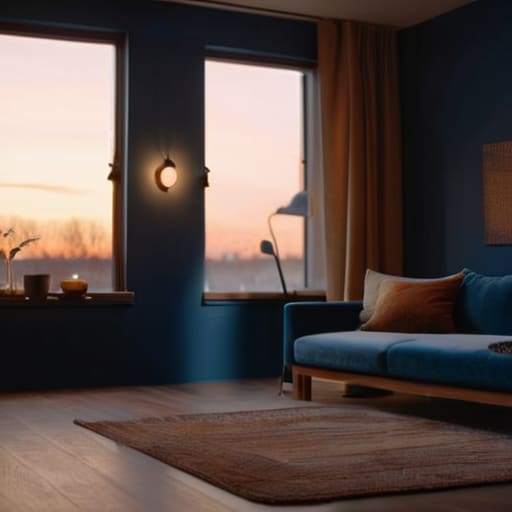
When I was working in the archives, I learned that the most important part of a collection isn’t just what is present, but how the gaps between the records allow the history to breathe. We can apply those same acoustic ecology principles to the way we curate our evening environments. It isn’t about achieving total silence—which can often feel clinical or even unsettling—but about finding a balance where the sounds present feel intentional. Think of it as composing a nocturne rather than just turning down the volume.
To truly master the quiet hours, one must consider psychoacoustics in architecture, or how the very shape of a room dictates our emotional response to sound. A room with too much reverb can feel chaotic, while one that is too dampened can feel stifling. I’ve found that the most restorative spaces are those that allow for a sense of auditory spatial awareness, where a distant piano melody or the soft clinking of glassware feels like it has its own dedicated place in the air. We should aim to create environments that don’t just mask the world, but gently frame it.
Biophilic Sound Design for a Life Well Lived

There is a particular kind of peace found in the way a forest breathes, a rhythmic, unhurried cadence that our modern, concrete jungles often lack. When I sit in a dim corner of a jazz club, I am often struck by how much we crave that connection to the natural world, even when we are surrounded by brick and mortar. This is where biophilic sound design becomes more than just a technical term; it becomes a way to invite the organic back into our structured lives. It isn’t about playing a recording of a brook over a speaker, but rather about layering sounds that mimic the subtle, unpredictable patterns of nature to soothe our frayed nerves.
By integrating these elements, we can move beyond simple noise pollution mitigation and toward something much more profound. We should aim to create spaces that respect our biological need for soft, complex textures—the distant hum of wind or the gentle cadence of water—which help ground us. When we design with these natural rhythms in mind, we aren’t just managing volume; we are crafting an environment that allows the soul to finally settle into the present moment.
Five Ways to Curate the Quiet Moments
- Respect the silence between the notes. In my years archiving old recordings, I learned that the gaps are just as vital as the melody; don’t be afraid to let a room breathe without a constant stream of background noise.
- Layer your sounds like a vintage jazz composition. A good environment needs depth—perhaps the low hum of a distant street, the soft clink of glass, and a melodic anchor—rather than a single, overwhelming wall of sound.
- Match the frequency to the light. Just as I prefer dim, amber lighting for a late-night reading, your audio should feel “warm.” Avoid harsh, high-pitched digital tones that pierce the air; aim for textures that feel soft to the ear.
- Honor the natural rhythm of the hour. A space shouldn’t sound the same at noon as it does at midnight. Allow the soundscape to ebb and flow, mirroring the slow, intentional transition from the bustle of the day to the intimacy of the evening.
- Design for the “afterglow.” When you choose a sound, ask yourself if it will linger in the mind like a good memory or vanish like static. Aim for sounds that invite reflection rather than those that demand immediate, restless attention.
The Echoes We Choose to Keep
Sound should never be an afterthought or a mere distraction; treat it as the invisible architecture of a room that defines how we feel within its walls.
Prioritize the “intentional silence”—the spaces between notes and the quietude of a well-designed environment—as these are the moments where true reflection begins.
Aim for resonance over volume, choosing sounds that mimic the natural world and the textures of history rather than the sterile, repetitive noise of the modern age.
The Architecture of Silence
“A truly great soundscape isn’t about what you add to a room, but how you curate the space between the notes; it’s about creating an atmosphere that feels less like background noise and more like a quiet conversation with the soul.”
Petra Lindgren
The Resonance of a Life Well-Lived
As we’ve explored, designing a soundscape isn’t merely a technical exercise in decibels or frequency ranges; it is an act of stewardship over our most precious resource—our attention. By weaving together the principles of acoustic ecology and the restorative power of biophilic sounds, we move away from the chaotic, jarring noise that defines much of modern life. We have seen how intentionality in our auditory environments can transform a sterile room into a sanctuary, and how even the smallest carefully placed pause can change the way we perceive our surroundings. It is about moving beyond mere background noise and toward a curated experience that respects the quiet sanctity of the evening hours.
In the end, I find myself thinking back to the old jazz cellars I used to catalog—the way the low hum of conversation and the soft clink of glass felt like part of the music itself. That is the goal, isn’t it? To create spaces that don’t just demand to be heard, but invite us to truly listen. Don’t be afraid to embrace the silence or the subtle textures of a room. If we stop rushing and start designing for the soul, we might find that the most beautiful things in life aren’t the loudest, but the ones that linger in our minds long after the music has faded and the lights have gone down.
Frequently Asked Questions
How can I begin to layer sound into my own home without it feeling like mere background noise?
Start with a single, intentional layer rather than a wash of noise. I always find that a dedicated turntable or a small, high-quality speaker works better than a multi-room system that tries to do too much. Pick one element—perhaps the crackle of a needle on a well-loved jazz record—and let it breathe. When you treat sound as a guest you’ve invited in, rather than just something to fill a void, it becomes an atmosphere.
Is there a way to balance the warmth of live acoustic music with the practical need for quiet conversation in a shared space?
It’s a delicate dance, isn’t it? I’ve sat in many a dim corner, nursing a drink, wondering if the music is a companion or an intruder. The secret lies in the “sonic texture.” You want music that breathes—unplugged instruments, perhaps, or a singer whose nuances aren’t lost to a wall of bass. By layering soft, ambient textures beneath the live performance, you create a cushion that allows a whispered secret to still feel intimate.
When we talk about the "soul" of a room, how much of that is truly dictated by the acoustics versus the lighting and atmosphere?
It’s a delicate dance, isn’t it? I’ve spent many evenings in dim jazz clubs where the lighting does the heavy lifting for your eyes, but the acoustics? That’s what holds your spirit. Light sets the stage, certainly, but sound is the heartbeat. You can have the most beautiful amber glow in the world, but if the room rings with a harsh, hollow echo, the soul of the place simply evaporates. They must breathe together.
