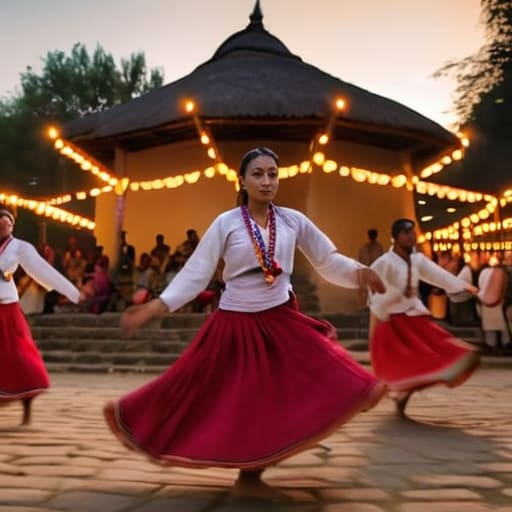
I remember sitting in a drafty community hall in the late seventies, the smell of floor wax and old wool heavy in the air, watching a group of elders move in a circle. There was no polished stage, no expensive lighting, and certainly no choreographed perfection—just the rhythmic thud of boots and the shared breath of a dozen people. People often mistake folk dance traditions for something you find in a dusty museum or a sterile textbook, treating them like fragile artifacts that need to be studied under glass. But that’s a mistake. When you strip away the academic pretension, you realize these dances aren’t about performing for an audience; they are about finding your place in a circle that started long before you arrived.
I’m not here to give you a lecture on the sociological implications of communal movement. Instead, I want to talk about the actual soul of these movements—the way a specific step can anchor you to a landscape or a history. I promise to share what I’ve learned from years of observing these patterns, focusing on the grit and the grace that make them endure. We’re going to look past the spectacle and find the quiet connection that remains when the music finally stops.
Table of Contents
The Quiet Magic of Indigenous Movement Patterns
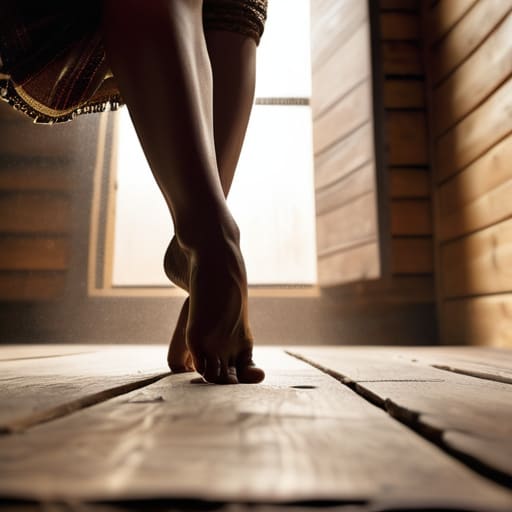
I found myself sitting in the back of a small community hall last Tuesday, watching a group practice a sequence that felt less like a choreographed routine and more like a conversation with the earth itself. There is a profound weight to indigenous movement patterns that you just don’t find in modern, polished performances. It isn’t about the precision of a step; it’s about the way a shoulder dips or a foot strikes the floor to signal a connection to something much older than the building they are standing in.
These movements often serve as a living vessel for the preservation of oral traditions, carrying stories that never made it into the dusty ledgers I used to catalog during my years in the archives. When you watch these ritualistic dance performances, you realize they aren’t just displays of skill. They are rhythmic, breathing histories. You can almost feel the ancestors leaning in to listen, ensuring that the essence of a people isn’t lost to the rush of the modern world, but remains anchored in the very way they move through space.
Uncovering the Deep Ethnic Dance History
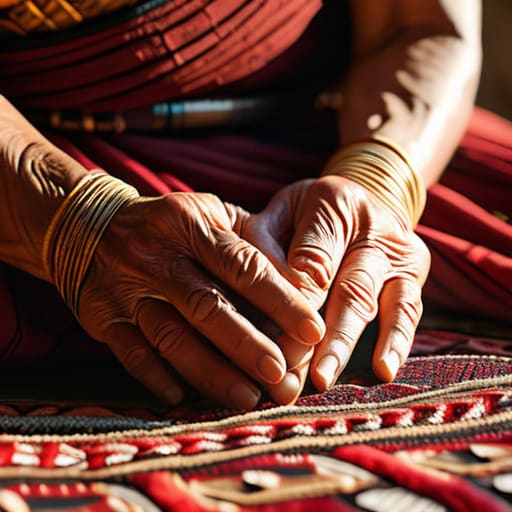
When I spent my years in the archives, I learned that history isn’t just something trapped in dusty ledgers; it’s something that lives in the muscle memory of a community. To truly understand ethnic dance history, you have to look past the spectacle and see the lineage. These movements aren’t just choreography; they are a living map of where a people have been and what they have survived. I often find myself sketching the heavy, intricate embroidery of a dancer’s garment, realizing that the folkloric costume significance goes far deeper than mere decoration—each stitch is a syllable in a story that hasn’t been written down.
There is a profound weight to these ritualistic dance performances that a textbook simply cannot capture. It’s the way a certain step mirrors the seasonal harvest or the way a collective sway mimics the tide. It feels less like a performance and more like a rhythmic community storytelling session, where the history is breathed into the air rather than read from a page. When you stand in the shadows of a dim hall and watch these patterns unfold, you realize you aren’t just watching a dance; you are witnessing the heartbeat of a culture refusing to be forgotten.
Finding the Rhythm in the Quiet Moments
- Don’t just watch the feet; watch the eyes. When you’re observing a traditional dance, look at the connection between the dancers. There is a silent language in how they hold a gaze or a hand that tells you more about their history than any textbook ever could.
- Listen for the instruments that aren’t meant to be loud. Sometimes the most profound part of a folk tradition isn’t the heavy drum, but the subtle scrape of a fiddle or the rhythmic stomp of a boot against wood. It’s in those smaller sounds that the soul of the dance lives.
- Respect the stillness between the movements. In my years in the archives, I learned that the pauses are just as important as the records themselves. In dance, the moment a musician stops or a dancer catches their breath is where you feel the weight of the tradition.
- Look for the imperfections. A polished, stage-ready performance is fine for a theater, but real folk dance is lived. Look for the slight stumble or the unchoreographed laugh; those are the human elements that keep a tradition from becoming a museum piece.
- Carry a sense of patience with you. You can’t rush into understanding a culture’s movement. Sit in the back, let the music wash over you, and wait until the rhythm feels less like a performance and more like a heartbeat you’ve known your whole life.
What Lingers When the Music Stops
Folk dance isn’t just a series of steps; it is a living, breathing archive of a people’s history, carrying the weight of their joys and struggles in every turn.
To truly understand these movements, we have to stop watching them as mere spectacles and start feeling the communal pulse that connects the dancers to those who danced before them.
There is a profound, quiet beauty in the repetition of these traditions—a reminder that some things are worth preserving simply because they anchor us to our shared humanity.
The Living Archive of the Dance Floor
“When I watch a traditional dance, I don’t just see steps or patterns; I see a living archive. It’s as if the dancers are pulling old, dusty records from the air and playing them through their very bones, reminding us that history isn’t just something kept in a climate-controlled box—it’s something that breathes, sweats, and moves right in front of us.”
Petra Lindgren
The Last Note of the Evening
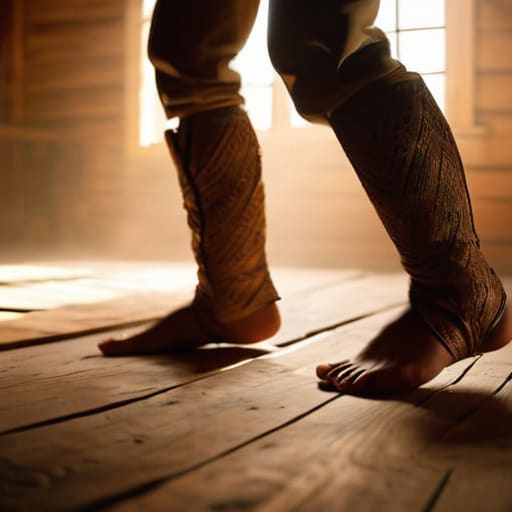
As I sit here in the corner of this dim little cafe, sketching the way the light hits the floorboards, I can’t help but think about how these dances are more than just movement. We’ve looked at how indigenous rhythms preserve a sacred connection to the earth and how ethnic traditions act as a living archive of a people’s struggle and triumph. Whether it is the precise geometry of a village dance or the raw, unbridled energy of a communal celebration, these patterns are the invisible threads that bind our past to our present. They remind us that history isn’t just something tucked away in dusty museum files or silent ledgers; it is something vibrant, breathing, and rhythmic that survives through the soles of our feet.
I hope that the next time you find yourself in a room filled with music, you don’t just listen with your ears, but with your whole spirit. Don’t be in such a hurry to reach the end of the night that you miss the way a simple step can tell a story a thousand years old. Slow down. Notice the dust motes dancing in the spotlight and the way a shared rhythm can make a room full of strangers feel like a family. In a world that demands we move faster every single day, there is a profound, quiet rebellion in choosing to dance to a tempo that honors where we came from.
Frequently Asked Questions
How do these old dance steps manage to survive when the world around them changes so quickly?
It’s a question I find myself pondering often while sketching the worn floorboards of old community halls. I think it’s because these movements aren’t just steps; they are muscle memory for the soul. When the world outside becomes too loud or too fast, people instinctively reach for the rhythms that anchored their grandparents. These dances survive because they offer a sense of continuity—a way to hold onto something solid when everything else feels like it’s shifting beneath our feet.
Is there a way to experience these traditions without them feeling like a museum exhibit?
It’s a valid fear. We don’t want history to feel like something behind glass, frozen and sterile. To find the pulse, you have to look for the living celebrations—the weddings, the community festivals, or even those small, dimly lit social clubs where the steps are passed down through sweat and laughter rather than textbooks. Seek out the places where the dance is a conversation, not a performance. That’s where the soul still breathes.
What happens to the soul of a dance when it moves from a village square to a modern stage?
It’s a bit like moving a vintage record from a crackling turntable to a digital file. You gain clarity, certainly, but you lose the grit. On a modern stage, the dance becomes a spectacle—polished, precise, and breathtakingly beautiful. But in that transition, the communal breath is often lost. In the village square, the dance isn’t a performance for an audience; it’s a conversation between neighbors. On stage, we watch; in the square, we belong.
