I remember sitting in a cramped, velvet-lined booth at a jazz club in Detroit back in ’84, watching a young man spend twenty minutes fumbling with a digital ticket on a phone that wouldn’t hold a charge, while the bassist was already halfway through a sublime solo. He missed the entire opening movement because he was too busy managing the logistics of his own arrival. We’ve turned the simple joy of music into this frantic, technological chore, and frankly, I think our approach to live concert preparation has lost its soul. We spend so much energy on the “stuff”—the perfect outfit, the premium parking, the social media shot—that we forget the most important part is actually being present when the house lights finally dim.
I’m not here to give you a checklist of gear or tell you which VIP package is worth your hard-earned money. Instead, I want to share a more intentional way to approach these evenings. I’ll walk you through how to handle the practicalities so they fade into the background, allowing you to focus on the resonance of the strings and the shared breath of the crowd. Let’s learn how to prepare so that when the music starts, the only thing you’re doing is listening.
Table of Contents
Curating Festival Outfit Ideas for Comfort and Grace
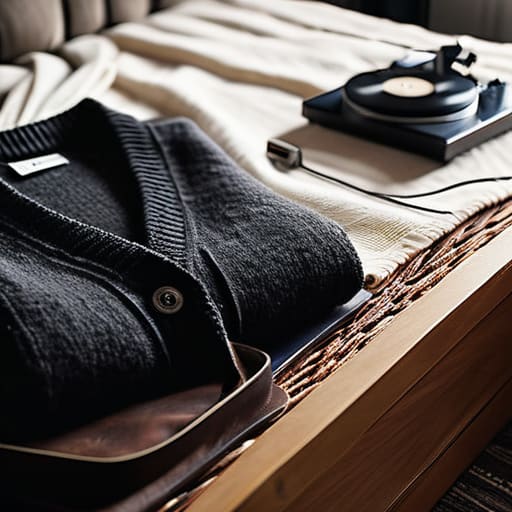
When I think about what to wear to a show, I don’t think about trends; I think about how I want to feel when the music begins. There is a certain dignity in being prepared, and that starts with your attire. You want to find that delicate balance between looking sharp and being able to stand for three hours without a second thought. I often suggest looking into festival outfit ideas that prioritize layers—a well-cut blazer or a soft wool cardigan can be your best friend when the evening air turns brisk.
The goal is to move through the crowd with a sense of ease, not a sense of struggle. Avoid anything too restrictive; you want to be able to lean back and lose yourself in the melody. I always keep a small, discreet pouch tucked away as part of my concert survival kit essentials, containing just the basics to keep me composed. If you can navigate the venue without constantly adjusting your sleeves or worrying about your footwear, you’ve won the battle. After all, the clothes should serve the music, not the other way around.
A Thoughtful Packing List for Music Festivals and Beyond
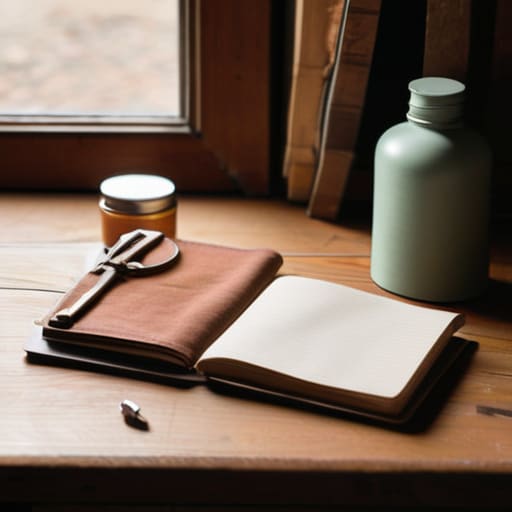
There is a quiet dignity in being prepared, a way of honoring the event before it even begins. When I sit down to assemble my bag, I don’t just think about utility; I think about how to maintain a sense of calm amidst the crowd. A reliable packing list for music festivals should always include the small, tactile comforts that keep you grounded. I never leave without a small notebook for my sketches and a sturdy, reusable water bottle. Beyond the basics, I find that having a few concert survival kit essentials—like a lightweight shawl for when the evening air turns brisk or a small tin of mints—makes a world of difference in how one carries themselves through the night.
Of course, one must also consider the practicalities of modern life without letting them overshadow the art. I always tuck a high-capacity battery into a side pocket; knowing I have the best portable power banks for events tucked away means I won’t be frantically searching for an outlet when the final encore begins. Most importantly, I never forget my earplugs. There is a profound difference between feeling the vibration of a bassline in your chest and the physical strain of a volume that is simply too high. Protecting your hearing at concerts isn’t about being cautious; it’s about ensuring you can still hear the melody in your dreams tomorrow.
The Small Details That Hold the Night Together
- Arrive with time to spare, not to rush the entry, but to let the atmosphere settle. There is a certain magic in sitting with a drink and watching the crowd gather before the stage even comes to life.
- Protect your hearing with more than just caution; bring high-fidelity earplugs. You want to hear the nuance of the bass and the texture of the vocals, not just a wall of distorted noise.
- Keep your phone tucked away for most of the set. I’ve spent too many years looking at archives to realize that a memory captured through a screen often lacks the depth of one captured by the heart.
- Map out your exits and your meeting points before the lights go down. When the music is loud and the crowd is thick, having a quiet plan for your way home provides a necessary sense of calm.
- Carry a little bit of cash and a physical map of the venue if you can. In the digital rush of a concert, there is something grounding about being able to navigate the world without relying on a glowing screen.
The Quiet Essentials for a Night Well Spent
Prioritize the tactile over the trendy; choose fabrics that breathe and shoes that carry you through the night without complaint, so your focus remains on the melody rather than your feet.
Carry only what serves the moment, ensuring your pockets aren’t heavy and your spirit isn’t cluttered, leaving more room for the atmosphere to settle around you.
Arrive with a sense of presence rather than a rush to be seen, allowing yourself the grace to find a vantage point where the music can truly sink in.
The Quiet Before the Crescendo
Preparation isn’t about checking boxes on a list or ensuring you have every gadget; it is about clearing the mental clutter so that when the first note finally breaks the silence, you are actually there to receive it.
Petra Lindgren
The Final Note
As the sun begins to set and the venue lights start to dim, I find that all this preparation—the carefully chosen layers, the essentials tucked into your bag, the practical comforts—serves a singular purpose. It isn’t about being perfect or following a rigid checklist; it is about removing the friction between you and the art. When you aren’t worrying about a dying phone battery or a sudden chill in the air, you are free to actually listen. By handling these small, logistical details ahead of time, you ensure that nothing pulls your attention away from the stage when the first chord finally strikes.
In the end, the gear and the planning are merely the prelude to the real experience. The true magic happens in those unplanned moments: the shared glance with a stranger during a crescendo, or the way a melody seems to hang in the air long after the encore has faded. Don’t let the rush of the modern world rob you of that connection. Approach your next concert not as an event to be managed, but as an evening to be inhabited. Slow down, breathe deeply, and let the music stay with you long after you’ve stepped back out into the cool night air.
Frequently Asked Questions
How do I balance the need for practical gear with the desire to feel elegant and present in the moment?
It’s a delicate dance, isn’t it? I’ve learned that elegance doesn’t come from being precious; it comes from being prepared. If you’re constantly adjusting a heavy bag or shivering in thin fabric, you aren’t present—you’re just uncomfortable. Choose one high-quality, versatile piece—perhaps a well-cut wool coat or a sturdy leather satchel—and let your practical gear be understated. When your needs are met quietly in the background, your spirit is free to actually listen.
What are the best ways to minimize the sensory overwhelm of a loud crowd so I can actually focus on the music?
I’ve learned that the roar of a crowd can often drown out the very melody you came to hear. If the noise feels like it’s pressing in too hard, I suggest investing in a decent pair of high-fidelity earplugs; they lower the volume without stripping away the nuance of the performance. Also, don’t be afraid to step toward the periphery of the crowd. Finding a bit of breathing room allows the music to settle in your soul rather than just battering your senses.
How can I prepare myself mentally to truly experience the performance rather than just documenting it through a lens?
The temptation to witness life through a glass screen is a modern thief. I often tell my friends: put the phone in your pocket and let the music settle into your bones first. Try a small ritual—perhaps a few quiet moments of breathing before the house lights dim. If you feel the urge to capture a photo, remind yourself that your memory is a far more soulful archive than any digital file could ever be.
