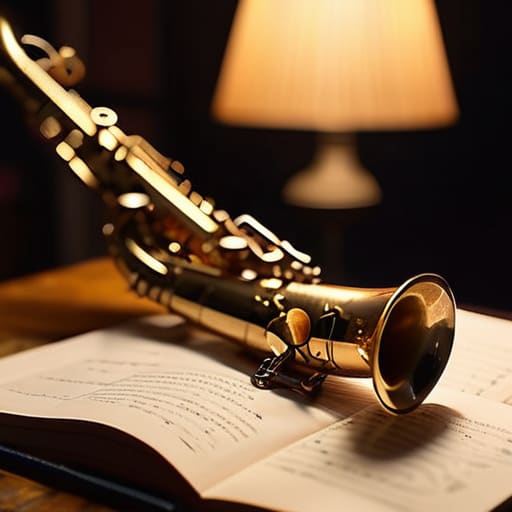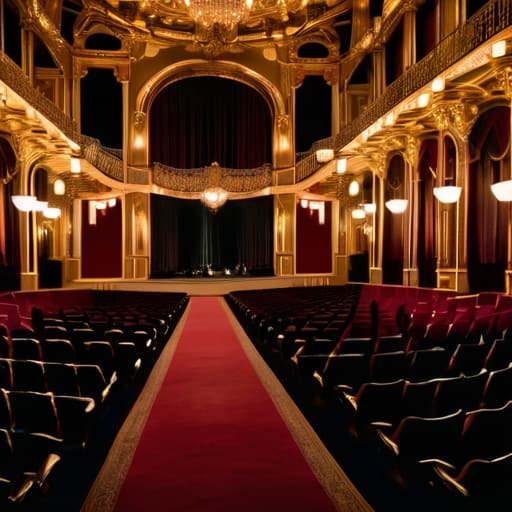
Category: Guides

  • An Introduction to Watching Opera

    An Introduction to Watching Opera

    I remember sitting in the back row of a drafty theater in Ann Arbor decades ago, clutching a program like it was a shield. I felt like an intruder, convinced that I lacked the secret vocabulary or the “correct” pedigree to truly understand what was happening on stage. There is a pervasive, stifling myth that you need a PhD in musicology just to sit through a performance, and frankly, it’s a lie that keeps beautiful art locked behind a gate of pretension. If you’ve been searching for opera for newcomers only to find intimidating lectures and overpriced dress codes, I want you to know that you aren’t the problem.

    I’m not here to give you a dry history lesson or a list of rules on how to behave in a velvet seat. Instead, I want to offer you a way to actually feel the music without the baggage of expectation. I’ll share the practical, unvarnished truths I’ve gathered from years of watching the curtain rise—from how to navigate the libretto to finding the soul beneath the spectacle. Let’s strip away the elitism and focus on what matters: finding those rare, shimmering moments that stay with you long after the house lights come up.

    Table of Contents

    How to Watch Your First Opera Without Rushing

    How to Watch Your First Opera Without Rushing

    The mistake most people make is treating an opera like a film—they sit there waiting for a plot to move at a breakneck pace. But if you approach it with that mindset, you’ve already lost the magic. To truly learn how to watch your first opera, you have to surrender to the tempo. I often tell my friends that an aria isn’t a delay in the story; it is the story. It is the moment where time stands still so we can witness the raw, unvarnished emotion of a character. Don’t check your watch when the singing seems to stretch indefinitely; instead, lean in and let the vibration of the voices fill the space between you and the stage.

    I also suggest doing a little bit of quiet homework before you step into the velvet seats. You don’t need to become a scholar, but a brief glance at the libretto or a quick search for best beginner opera compositions can provide a much-needed anchor. Knowing the basic arc of the evening allows you to stop squinting at the subtitles and start actually feeling the music. When you aren’t struggling to keep up with the “what,” you are finally free to appreciate the “how.”

    Best Beginner Opera Compositions to Soften the Soul
    Best Beginner Opera Compositions to Soften the Soul

    If you are looking for a way to ease into this world, I often suggest starting with something that feels more like a heartbeat than a lecture. Puccini is a wonderful gateway; his melodies in La Bohème have a way of finding the cracks in your armor. There is a raw, human vulnerability in his writing that bridges the gap for those still navigating the best beginner opera compositions. You don’t need to be an expert to feel the chill of a winter morning in Paris or the ache of a lost love; you only need to let the music settle.

    For those who prefer a bit more whimsy, Mozart’s The Marriage of Figaro is a masterclass in rhythm and wit. It’s lighter, certainly, but don’t mistake that for lack of depth. It’s a perfect way to observe the interplay of human folly and grace without feeling overwhelmed by heavy tragedy. As you listen, try not to worry too much about understanding opera terminology or the complex mechanics of the score. Just lean back, let the orchestration wash over you, and see which notes linger in your mind long after the final applause.

    Small Rituals for a Grand Experience

    • Read a brief summary of the plot before you arrive. There is no shame in knowing the story beforehand; in fact, I find it liberates you. Once you aren’t struggling to piece together the narrative, you can finally stop worrying about what is happening and start feeling how it feels.
    • Pay attention to the silence between the notes. In my years in the archives, I learned that what isn’t recorded is often as important as what is. In opera, the tension held in a quiet pause before a soprano hits a high note can be more electric than the aria itself.
    • Ditch the urge to analyze everything immediately. You don’t need to be a musicologist to enjoy a beautiful sound. If a melody moves you, let it sit there. Don’t reach for your phone or your mental checklist; just let the vibration settle in your chest.
    • Dress for the occasion, but do it for yourself. There is a certain dignity in putting on a well-pressed shirt or a favorite scarf when you’re heading to the theater. It signals to your own mind that this evening is different from the rush of a Tuesday afternoon.
    • Find a comfortable seat and stay for the curtain call. The true soul of the performance often reveals itself in those final moments when the singers are breathless and the audience is finally exhaling together. Don’t rush for the exit the moment the music stops.

    A Few Small Reminders for Your Evening

    Forget the urge to understand every single word; instead, let the swell of the orchestra and the raw emotion of the voices tell the story to your heart.

    Treat the experience like a slow-burning jazz record—don’t rush to the end, but rather settle into the texture of the performance and the weight of the atmosphere.

    Allow yourself to be moved by the grandeur without feeling the need to critique it; sometimes the most profound moments come when we simply stop trying to analyze and start letting ourselves feel.

    The Art of Noticing

    Don’t approach an opera like a checklist of things to understand; approach it like a dim room in a jazz club. You don’t need to see everything at once—just let the melody settle in your bones and wait for the moment the music finally finds you.

    Petra Lindgren

    The Echo in the Silence
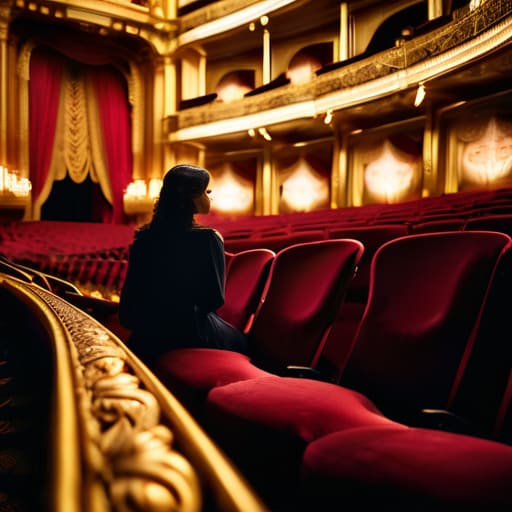
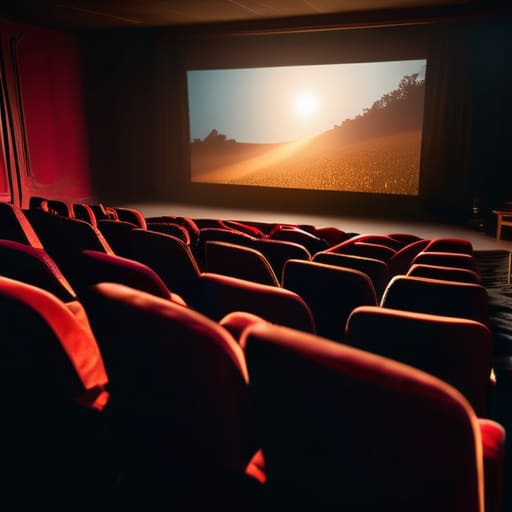
    The Echo in the Silence opera photography.

    As you prepare to step into the world of opera, remember that you don’t need to be an expert to be moved. It isn’t about memorizing the libretto or understanding every complex nuance of the orchestration from the first note. It is about choosing the right entry points—those gentle compositions that invite you in rather than overwhelming you—and, most importantly, giving yourself the grace to sit still. By selecting the right stories and approaching the theater with a sense of patience rather than a checklist of expectations, you turn an intimidating spectacle into a deeply personal encounter. Just remember to breathe, let the scale of the music wash over you, and allow yourself to be a spectator without the pressure of being a scholar.

    When the final note eventually fades and the house lights slowly rise, don’t be in such a hurry to reach the exit. The true magic of opera isn’t found in the applause, but in that quiet, heavy moment of stillness that follows the curtain call. It is in that lingering resonance that you realize the music hasn’t actually stopped; it has simply moved inside you. I’ve spent my life archiving the past, but I’ve learned that the most important things aren’t found in dusty files—they are found in the emotions that stay with us long after we’ve left the building. Go slowly, listen closely, and find what stays with you.

    Frequently Asked Questions

    I'm worried I won't understand the plot; is it necessary to read a synopsis before the curtain rises, or should I just let the music guide me?

    I understand that hesitation; I’ve felt it myself sitting in those velvet seats. Honestly? Read the synopsis. There’s no shame in knowing the shape of the story before you step into the dark. If you spend the whole performance squinting at the subtitles, trying to piece together why a soprano is weeping, you’ll miss the texture of the orchestration. Learn the bones of the plot first, then let the music breathe life into them.

    How do I handle the etiquette of a live performance without feeling stiff or out of place?

    I used to worry about the same thing—feeling like an intruder in such a polished space. But here is my secret: treat the etiquette as a way to respect the silence, not as a set of rigid rules. Arrive early to settle your nerves, keep your phone tucked away, and simply let the atmosphere wash over you. If you focus on the music rather than the people around you, the stiffness tends to melt away.

    If the language being sung isn't my own, how can I truly connect with the emotion of the story?

    I used to worry about this myself, sitting in those velvet seats wondering if I was missing the plot. But here is the secret: don’t get hung up on the literal translation. Music is a universal syntax. When a soprano hits a certain note, or a cello pulls at the air, you don’t need a dictionary to understand grief or longing. Listen to the texture of the voice; the emotion is in the breath, not just the words.

  • How to Curate the Perfect Music Playlist

    How to Curate the Perfect Music Playlist

    I remember sitting in a dim corner of a jazz club in Ann Arbor, the smell of old mahogany and rain-damp wool hanging in the air, watching a man carefully select a single record from a crate. He wasn’t looking for a “vibe” or a trending algorithm; he was looking for a connection. These days, I see people treating the art of curating music playlists like a mathematical equation, frantically shuffling through thousands of tracks in an attempt to find a mood that never quite lands. We’ve traded the intentionality of a well-chosen sequence for the mindless noise of endless, automated streams, and in the process, we’ve lost the ability to truly listen.

    I’m not here to teach you how to manipulate an algorithm or chase the latest digital fad. Instead, I want to share what I’ve learned from decades of handling physical archives and living through the eras of analog sound. I promise to show you how to approach curating music playlists as an act of storytelling—a way to build a sonic landscape that lingers in the room long after the final note has faded. Let’s move away from the clutter and learn to craft something genuinely meaningful.

    Table of Contents

    Mastering Mood Based Playlist Creation and Genre Blending Strategies

    Mastering Mood Based Playlist Creation and Genre Blending Strategies.

    When I was working in the archives, we didn’t just toss papers into boxes; we understood that the order of a collection dictated its story. The same applies to your listening. Effective mood-based playlist creation isn’t about finding songs that match a single emotion, but rather about mapping the subtle shifts in a human evening. You might start with something sparse and contemplative—perhaps a lone upright bass—before gradually introducing textures that build toward a crescendo. It is a slow architecture of sound.

    I’ve found that the most rewarding results come from intentional genre blending strategies rather than letting a computer do the heavy lifting. While music discovery algorithms are marvelously efficient at finding “more of the same,” they often lack the soul required to bridge two disparate worlds. I like to experiment by finding the common thread between a dusty Miles Davis record and a modern ambient piece. It’s about looking for the connective tissue—the shared tempo or the similar warmth in the recording—to ensure the transition feels like a natural evolution rather than a jarring interruption.

    Moving Beyond Music Discovery Algorithms to Find Real Soul

    Moving Beyond Music Discovery Algorithms to Find Real Soul

    I’ve spent many an evening watching people stare at their phones, letting those polished music discovery algorithms dictate exactly what their ears should crave next. There is a certain efficiency to it, I suppose, but it lacks the friction that makes a discovery feel earned. When a machine hands you a perfectly seamless stream of “similar artists,” it often skips the beautiful, jagged edges that give music its character. To find real soul, you have to step away from the predictive math and start looking for the unexpected connections—the way a dusty blues record can suddenly make sense when placed right after a modern ambient track.

    Instead of relying on a software’s logic, try leaning into your own intuition. I often find that the most profound moments come from intentional playlist sequencing techniques that prioritize a narrative over a mere genre. It’s about how one song breathes into the next, creating a tension and release that no line of code can truly replicate. We aren’t just organizing files; we are building a landscape. When you curate with intention, you aren’t just playing songs; you are crafting a memory that lingers long after the silence returns.

    The Small Details That Give a Playlist Its Pulse

    • Think in transitions, not just tracks. A playlist shouldn’t feel like a collection of songs, but a conversation. Pay attention to how one note bleeds into the next; if the jump from a brassy bebop tune to a quiet folk ballad feels like a physical jolt, you haven’t found the bridge yet.
    • Respect the silence between the songs. Sometimes, the most profound part of a listening session is the breath of air before a new movement begins. Don’t feel the need to fill every second with noise; allow the music to settle in the room before you introduce the next layer.
    • Use your physical environment as a compass. When I’m sketching the molding in a dim jazz club, I don’t think about “genres”—I think about the texture of the room. Try building a sequence based on the lighting or the weight of the furniture in your study rather than a digital tag.
    • Avoid the trap of the “perfect” flow. A life lived in a straight line is a sterile one, and music should be the same. A little friction, a sudden shift in tempo, or a surprising vocal timbre can act like a well-placed shadow in an old photograph—it gives the experience depth.
    • Curate for the person you are at midnight, not the person you are at noon. Most algorithms cater to the productive, caffeinated self. I prefer to build lists for the quiet hours, when the world has slowed down and you finally have the patience to hear what a song is actually trying to say.

    The Notes I'm Leaving Behind

    Stop letting an algorithm dictate your emotional landscape; the most meaningful collections are built by following a feeling, not a suggestion from a computer.

    Treat your playlist like a slow-burning evening—it needs a beginning, a middle, and a lingering end that respects the natural ebb and flow of a mood.

    Remember that the space between the songs is just as vital as the music itself; curate with intention so the transitions feel like a conversation rather than a list.

    The Weight of a Sequence

    A playlist shouldn’t just be a collection of songs; it should be a deliberate architecture of sound, built with enough space between the notes to let the silence tell its own story.

    Petra Lindgren

    The Last Note Fades

    Emotional music curation: The Last Note Fades.

    As we draw this to a close, remember that a truly great playlist isn’t just a collection of files on a device; it is a carefully constructed landscape. We have discussed the importance of moving past the cold convenience of algorithms and leaning into the intentionality of mood-based curation. By blending genres with a sense of purpose and seeking out the unseen textures of music that a computer might overlook, you transform a simple background noise into a meaningful experience. Whether you are layering jazz with ambient textures or stitching together a narrative of old soul records, the goal is to create something that feels deliberately human.

    In the end, I hope you take these tools and step away from the shuffle button. Don’t just listen to music; inhabit it. Build those sonic spaces that invite you to sit a little longer, to breathe a little deeper, and to truly notice the shadows in the room. Life moves far too quickly to let the good songs pass us by without a second thought. So, go ahead—curate something that lingers, something that stays with you long after the final track has finished and the lights have dimmed. Let your music be the anchor in the rush.

    Frequently Asked Questions

    How do you decide when a playlist has reached its natural conclusion without it feeling abrupt?

    It’s about the exhale. You’ll know you’ve reached the end when the music stops feeling like a journey and starts feeling like a repetition. I always look for that final, lingering note—a track that doesn’t just end, but settles into the silence. If the next song feels like it’s fighting the previous one for space, you’ve gone too far. Stop there. Let the quiet be the final movement of your evening.

    Is there a way to transition between wildly different genres without breaking the emotional spell of the evening?

    The secret lies in the tempo, not the genre. You can bridge a smoky jazz standard and a soft bossa nova by finding the common thread of rhythm. Don’t jump from a crescendo to a silence; instead, look for the “connective tissue”—a shared instrument or a similar lull in the beat. It’s like walking through an old archive; you don’t leap from one era to another; you find the subtle, overlapping echoes that guide you.

    How can I avoid the temptation to let a streaming service's "autoplay" ruin the intentional atmosphere I've built?

    The “autoplay” feature is the enemy of intention; it’s a digital conveyor belt that never stops, even when the mood demands silence. To protect the atmosphere you’ve built, you must reclaim control. I make it a rule to turn off the autoplay setting entirely. Once the last track of your curated selection fades, let the room go quiet. That silence allows the music to settle in your bones before you decide what comes next.

  • How to Find and Enjoy Independent Cinema

    How to Find and Enjoy Independent Cinema

    I remember sitting in the back row of a drafty, single-screen theater in Ann Arbor back in ’78, the smell of stale popcorn and old velvet upholstery hanging heavy in the air. There was no digital sheen, no aggressive marketing campaign, just a flickering projector and a story that felt like it had been whispered directly into my ear. Nowadays, when people search for an independent cinema guide, they are often met with a dizzying, frantic list of “must-watch” trends that feel more like social media chores than actual art. We’ve lost that sense of quiet discovery in favor of chasing what’s loud and immediate.

    I have no interest in helping you check boxes on a trendy watchlist. Instead, I want to offer you something a bit more substantial. This isn’t a loud manifesto of what’s popular; it is a curated, honest independent cinema guide designed for those who want to find the films that actually linger in the soul long after the credits roll. I’ll share the paths I’ve taken to find the gems hidden beneath the noise, focusing on stories that demand a little patience and offer a lifetime of reflection.

    Table of Contents

    Finding Soul in Arthouse Film Festivals

    Finding Soul in Arthouse Film Festivals.

    There is a particular kind of magic found in the crowded, dimly lit lobbies of arthouse film festivals. Unlike the polished, predictable atmosphere of a multiplex, these gatherings feel alive, fueled by a shared sense of discovery. I’ve always found that the best stories aren’t delivered via a massive marketing campaign, but through the raw, unfiltered energy of underground filmmaking movements that refuse to compromise. When you sit in a room where everyone is leaning forward, waiting for a single frame to shift, you aren’t just watching a movie; you are witnessing a moment of genuine human connection.

    I often find myself sketching the ornate molding of the old theaters that host these events, reminded that the venue is just as much a character as the actors on screen. To truly appreciate this craft, one must make a conscious effort toward supporting local indie theaters that act as the sanctuaries for these works. These spaces are the keepers of our cultural memory. By stepping into them, we ensure that the quiet, contemplative voices of cinema aren’t drowned out by the roar of the mainstream.

    The Magic of Supporting Local Indie Theaters

    The Magic of Supporting Local Indie Theaters.

    There is a specific kind of magic found in the creak of a floorboard in a room that hasn’t been renovated since 1974. While the multiplexes offer comfort and predictability, they often lack the character that makes a movie feel like an event. When I find myself supporting local indie theaters, I’m not just buying a ticket; I’m participating in a ritual. There is something deeply moving about sitting in a dimly lit room with strangers, all of us collectively holding our breath during a quiet, pivotal scene. You can feel the shared heartbeat of the audience in a way that a sterile cinema simply cannot replicate.

    These small venues often serve as the lifeblood for underground filmmaking movements, providing a sanctuary for stories that are too raw or too strange for the big chains. They are the keepers of the flame, preserving a sense of community that is rapidly vanishing in our digital age. I often find myself sketching the ornate molding of these old projection rooms, reminded that the architecture itself is part of the storytelling. It’s in these dusty, beautiful spaces that cinema truly feels alive.

    Small Habits for a Deeper View

    • Embrace the silence of the single-screen house. Don’t be in a rush to check your phone or glance at the clock; let the darkness settle around you until you’re truly part of the room.
    • Read the program notes before the lights dim. As an archivist, I can tell you that the context—the director’s struggle, the era of production, the film’s lineage—is often as beautiful as the celluloid itself.
    • Seek out the “uncomfortable” selections. If a film’s description feels a bit challenging or strange, that’s usually a sign it has something worth saying. The movies that stir us are rarely the ones that make us feel perfectly at ease.
    • Visit the theater alone once in a while. There is a specific kind of intimacy in watching an indie film by yourself; it allows you to process the imagery without the distraction of a companion’s reaction.
    • Keep a small notebook by your seat. I find that jotting down a single striking image or a line of dialogue immediately after the credits roll helps anchor the experience before the rush of the outside world pulls you back.

    The Lasting Impressions of the Small Screen

    Seek out films that challenge your perspective rather than those that merely offer an escape; the stories that stay with us are often the ones that leave us a little unsettled.

    Prioritize the atmosphere of the viewing experience, from the hushed silence of a local cinema to the shared breath of a live audience, as these details anchor the memory.

    View independent cinema not as a hobby, but as a deliberate pause in a rushed world—a way to reclaim your time and notice the nuances of the human condition.

    The Texture of a Story

    “A true guide to independent cinema isn’t a list of titles to check off; it is an invitation to sit in the dark, let the silence settle, and allow a film to leave its fingerprints on your memory long after the projector stops spinning.”

    Petra Lindgren

    The Afterglow of the Screen

    The Afterglow of the Screen in cinema.

    As we look back at the path we’ve traced, it becomes clear that seeking out independent cinema is about more than just watching a movie; it is about a deliberate choice to engage with the world on a deeper level. Whether you are navigating the curated chaos of an arthouse festival or sitting in the velvet-lined stillness of a local indie theater, you are participating in something vital. We have discussed how these spaces serve as the lungs of our culture, breathing life into stories that the massive studios often overlook. By choosing these smaller, more intimate venues, we ensure that the art of the slow burn survives in an era of instant gratification. It is in these quiet, flickering moments that we truly find the connection we’ve been looking for.

    In the end, I hope you leave your home tonight not just looking for entertainment, but looking for a feeling. Don’t settle for the loud, hollow spectacle that vanishes the moment you step back onto the sidewalk. Instead, seek out those films that act like a fine piece of jazz—the kind that settles into your bones and stays with you through the long walk home. Let yourself be moved, let yourself be challenged, and most importantly, let yourself linger in the silence after the credits roll. That is where the real story begins.

    Frequently Asked Questions

    How do I distinguish between a truly meaningful arthouse film and something that's just being difficult for the sake of it?

    It’s a fine line, isn’t it? I often ask myself the same thing while sitting in a darkened theater. To me, the difference lies in the intention. A meaningful film uses silence or abstraction to invite you in, creating a space for reflection. It feels like a conversation, even if it’s a quiet one. If a film feels like it’s merely testing your patience without offering a single moment of genuine connection, it’s likely just being difficult.

    Are there any specific ways to find these smaller, independent screenings if they aren't being advertised on the usual major platforms?

    You won’t find the best gems on a glowing smartphone screen. I’ve learned that the real treasures are often found in the physical world. Keep an eye on the bulletin boards in your local coffee shops or used bookstores. I also suggest frequenting those small, independent cinemas just to look at their printed calendars. Sometimes, the most meaningful screenings are whispered about in jazz clubs or tucked away in the back of a community newsletter.

    For someone used to the polished spectacle of big studios, how do I prepare myself to appreciate the slower, more deliberate pace of indie storytelling?

    It’s a bit like moving from a loud, crowded street into a quiet library. At first, the silence feels heavy, almost uncomfortable. My advice? Stop looking for the fireworks. Instead, lean into the stillness. Let the camera linger on a character’s expression or the way the light hits a room. If you stop hunting for the next big explosion, you’ll start noticing the quiet truths that actually stay with you.

  • How to Choose a Boutique Hotel for a Weekend Getaway

    How to Choose a Boutique Hotel for a Weekend Getaway

    I remember sitting in a lobby last autumn, surrounded by the sterile, polished marble of a high-end chain, feeling more like a barcode being scanned than a guest. There is a particular kind of exhaustion that comes from paying a premium for what I call “luxury theater”—all the gold leaf and scripted politeness, but none of the soul. We’ve been sold this idea that true elegance requires a certain level of coldness, but I’ve always found that the most meaningful boutique hotel stays aren’t about how much you spend on the thread count. They are about the creak of an old floorboard that tells a story, or the way the light hits a velvet armchair just right at dusk.

    I’m not here to give you a curated list of overpriced monuments to vanity. Instead, I want to share how you can find those rare, quiet corners where the atmosphere actually breathes. I’ll guide you through the art of choosing a space that respects your need for stillness and offers something more than just a fancy lobby. We are going to look for the places that value character over clout, ensuring your next getaway feels less like a transaction and more like a well-deserved pause.

    Table of Contents

    Embracing the Independent Hotel Charm and Quiet Corners

    Embracing the Independent Hotel Charm and Quiet Corners.

    There is a particular kind of magic found in the small, creaky floorboards and the heavy velvet curtains of a place that has a story to tell. Unlike the sterile, predictable hallways of the major chains, seeking out independent hotel charm feels more like discovering a hidden track on a well-loved jazz record. You aren’t just a room number in a massive ledger; you are a guest in a space that feels curated by a human hand. I often find myself sitting in these quiet corners, notebook in hand, sketching the way the light hits a brass lamp or the intricate molding of a ceiling, realizing that these details are what truly define a journey.

    It’s about the shift from mere lodging to unique accommodation experiences that linger in your mind long after you’ve checked out. In these smaller establishments, the service doesn’t feel like a practiced script, but rather a genuine, quiet warmth. Whether it’s a handwritten note or a recommendation for a local cellar bar, these moments of personalized hospitality services turn a simple night away into something much more profound. It’s a reminder to slow down and appreciate the texture of the world around us.

    The Gentle Grace of Personalized Hospitality Services

    The Gentle Grace of Personalized Hospitality Services.

    There is a particular kind of magic in being truly seen by a place. In my years working with archives, I learned that the most meaningful stories aren’t found in the grand, sweeping chronicles, but in the small, handwritten notes tucked into the margins. I find the same truth in personalized hospitality services. It is the difference between a sterile, automated check-in and a concierge who remembers you prefer a specific brand of loose-leaf tea or a quiet corner table near the window. It’s that quiet recognition of your presence that transforms a mere room into a sanctuary.

    When you seek out luxury boutique lodging, you aren’t just paying for high-thread-count sheets; you are investing in a sense of belonging. I’ve always felt that the best travel experiences are those that feel less like a transaction and more like a well-orchestrated melody. Whether it’s a staff member suggesting a hidden jazz cellar that isn’t in any guidebook, or the way the lighting is dimmed just as you arrive, these small, intentional gestures create unique accommodation experiences that linger in the mind long after you’ve checked out.

    Small Details for a Grander Evening

    • Seek out the tactile. When you arrive, don’t just drop your bags; run your hand over the grain of the wooden desk or the weight of the linen curtains. These small, physical touches are what separate a curated space from a mere room.
    • Listen to the room’s rhythm. A truly thoughtful boutique hotel won’t drown you in a generic lobby playlist. Look for places that respect the silence or offer a curated selection of vinyl you can actually enjoy in the privacy of your own quarters.
    • Let the concierge be your historian. Instead of asking for the nearest tourist trap, ask them where the locals go to disappear for an hour. They often know the quietest corners and the most storied jazz cellars that don’t make it into the glossy brochures.
    • Observe the architecture from the inside out. I often find myself sketching the molding or the way the light hits a specific corner at dusk. When you choose a boutique stay, choose one with a sense of place—a building that tells a story of the city it inhabits.
    • Practice the art of the slow morning. Avoid the frantic rush to the breakfast buffet. Find a hotel that encourages you to linger over a single cup of coffee while watching the street wake up through a tall, storied window.

    The Quiet Lessons of a Slow Stay

    Seek out the spaces that favor character over convenience; a hotel with a history and a soul will always offer more than a polished, nameless lobby ever could.

    Value the small, human touches—the handwritten note or the staff member who remembers your name—as these are the details that linger long after you’ve checked out.

    Allow yourself the luxury of stillness by choosing accommodations that encourage you to linger in a dim corner with a book or a record, rather than rushing to the next destination.

    The Soul of the Stay

    “A grand hotel is designed to impress the eye, but a boutique hotel is designed to hold the spirit; it’s the difference between being a spectator of luxury and being a guest in someone’s carefully curated story.”

    Petra Lindgren

    The Last Note of the Evening

    Sketchbook writing: The Last Note of the Evening.

    As I sit here, scribbling a few final notes in my sketchbook, I find myself reflecting on why these smaller, more intentional spaces matter so much. We have spent far too long settling for the sterile, predictable efficiency of large hotel chains—places that feel like they could exist anywhere and, therefore, mean nothing. By choosing a boutique stay, you aren’t just booking a room; you are choosing to embrace the unpredictable charm of independent spirit and the warmth of a host who actually remembers your name. It is in those quiet corners and the personalized touches that we truly find the soul of a city, allowing the architecture and the atmosphere to settle deeply into our memories.

    In the end, travel shouldn’t be a checklist of landmarks to be conquered, but a series of moments to be felt. Whether it is the way the light hits a velvet armchair or the low hum of a jazz record playing in the lobby, these are the details that stay with us long after we have checked out. I encourage you to stop rushing through your itineraries and instead, seek out the shadows and the slow rhythms. Let yourself linger in a space that feels curated rather than manufactured. After all, the best part of any journey isn’t where you arrive, but the quiet grace of the places that allow you to simply be.

    Frequently Asked Questions

    How can I tell if a boutique hotel is genuinely curated or just using a fancy name to charge more?

    Look for the fingerprints of a person, not a corporate manual. A truly curated space feels like a collection, not a catalog. I tend to look at the small, unprompted details: Is the jazz playing in the lobby a thoughtful selection, or just generic background noise? Is there a local book on the nightstand that actually tells a story? If the “charm” feels like a polished veneer rather than a lived-in soul, you’re likely just paying for a fancy label.

    Are these smaller, independent spots still reliable when it comes to the quiet, uninterrupted rest I'm looking for?

    It’s a fair question, and one I’ve asked myself many times while clutching my notebook in a new city. The truth is, these smaller spots often guard their silence more fiercely than the grand, sprawling chains ever could. Because they aren’t built on sheer volume, they tend to prioritize the atmosphere. You aren’t just a room number to them; you’re a guest in their home, and they understand that true luxury is a night without interruption.

    What should I look for in a hotel's atmosphere to ensure it actually values character over corporate efficiency?

    Look for the imperfections. A hotel that values character won’t feel like a polished showroom; it will feel lived-in. Seek out spaces where the lighting is intentional—warm, low, and perhaps a bit moody—rather than that sterile, bright efficiency. Notice if the furniture has a story, or if the lobby smells of old books and cedar rather than industrial citrus. If the atmosphere invites you to linger rather than just check in, you’ve found it.

  • A Beginner Guide to Enjoying Classical Music

    A Beginner Guide to Enjoying Classical Music

    I remember sitting in the back of a drafty conservatory hall forty years ago, clutching a notebook and feeling utterly lost. I had this idea that to truly understand the greats, I needed to memorize every composer’s birthdate and master the complex terminology of every movement. It felt like a chore, a heavy academic weight that made the music feel more like a lecture than a living thing. But the truth is, the gatekeepers have made it far too intimidating. Most people approach classical music for beginners as if they’re preparing for a final exam, when they should really just be preparing to feel something.

    I’m not here to give you a syllabus or a list of dates to memorize. Instead, I want to offer you a way to actually listen. My goal is to guide you through the noise and help you find those specific pieces that settle into your bones and stay there long after the final note has faded. We’re going to skip the pretension and focus on the emotional architecture of the sound. I’ll show you how to stop rushing through the movements and finally start noticing the details that make this music worth your time.

    Table of Contents

    Finding Meaning Through Essential Classical Music Pieces

    Finding Meaning Through Essential Classical Music Pieces

    When I first started cataloging the dusty manuscripts in the university archives, I realized that music, much like history, isn’t just a collection of dates and names; it is a living, breathing record of human emotion. To truly begin, I suggest you look past the heavy reputation of the genre and focus on essential classical music pieces that speak directly to the heart. You don’t need a degree to feel the tension in a Mozart symphony or the quiet, aching solace of a Chopin nocturne. These aren’t just exercises in technical skill; they are snapshots of the human soul caught in time.

    As you explore, try to view each composition as a doorway into a different world. One of my favorite classical music appreciation tips is to avoid treating a piece like a puzzle to be solved. Instead, let yourself wander. Whether you are tracing the bright, structured lines of the Baroque period or the stormy, unbridled passion of the Romantics, the goal isn’t to memorize a famous classical composers list, but to let the sound settle into your bones. Listen for the way a single cello melody can pull at your thoughts, much like a well-worn photograph.

    Understanding Musical Eras to Trace the Heartbeat of History

    Understanding Musical Eras to Trace the Heartbeat of History

    I’ve always found that looking at a musical score is much like leafing through an old, dusty ledger in the archives; you aren’t just looking at dates, you are looking at the pulse of a time that no longer exists. Understanding musical eras isn’t about memorizing a dry timeline for a school exam. Instead, think of it as tracing the evolution of human emotion. When you listen to the structured, polite elegance of the Classical period, you are hearing the Enlightenment’s desire for order. But when you shift toward the Romantic era, you are stepping into the shadows of a more turbulent, deeply personal world where the music finally dares to weep and rage.

    As you begin your own journey of classical music appreciation tips, try to view these shifts as a conversation between centuries. You might start with the clarity of Mozart and find yourself, perhaps an hour later, lost in the sweeping, cinematic storms of Beethoven. By recognizing these stylistic shifts, you stop hearing mere noise and start hearing the heartbeat of history itself. It turns a simple evening of listening into a profound act of time travel.

    How to Let the Music In

    • Don’t treat it like a lecture. You don’t need to know the difference between a sonata and a concerto to feel the swell of a violin. Just sit, let the sound fill the room, and see where your mind wanders.
    • Curate your environment. It’s hard to hear the nuance of a cello when the television is humming in the background. Dim the lights, put your phone in another room, and give the music the silence it deserves.
    • Follow your curiosity, not a textbook. If a particular melody haunts you, find more of it. If a certain composer feels too heavy for a Tuesday night, set it aside. There is no “correct” way to enjoy a masterpiece.
    • Listen to the physical details. I often find myself focusing on the scratch of a bow against a string or the way a piano note decays into nothingness. These small, human imperfections are where the soul of the music lives.
    • Use it as a companion to your rituals. I like to put on some Bach while I’m sketching in my notebook or tending to my records. When music becomes part of your quietest moments, it stops being “art” and starts being a part of your life.

    Things to Carry With You

    Don’t feel the need to memorize names or dates; instead, focus on how a particular melody settles in your chest or changes the air in the room.

    Treat each era not as a textbook chapter, but as a different way of breathing—whether it’s the structured elegance of the Baroque or the raw, stormy emotion of the Romantics.

    Let the music be an invitation to slow down, allowing yourself the luxury of a quiet evening where the only goal is to truly listen.

    ## A Note on Listening

    “Don’t approach a symphony like a textbook to be studied or a task to be completed; approach it like an old friend sitting across a dimly lit table from you. You don’t need to know the dates or the technicalities to feel the weight of the melody—you only need to be still enough to let it settle.”

    Petra Lindgren

    The Last Note Lingers

    The Last Note Lingers in classical music.

    As we reach the end of this particular movement, I hope you see that classical music isn’t a daunting mountain to climb, but rather a vast, well-tended garden waiting for your arrival. We have looked at how specific pieces can mirror our own deepest emotions and how the sweeping shifts between musical eras act as a living map of human history. Whether you are drawn to the structured elegance of the Baroque or the raw, turbulent passion of the Romantics, remember that there is no wrong way to listen. You don’t need a degree to feel the weight of a cello or the sudden brightness of a flute; you only need the willingness to be present.

    My advice to you is simple: don’t treat these compositions like items to be checked off a list. Instead, treat them like old friends you are meeting for the first time in a quiet corner of a dim jazz club. Let the music settle into the cracks of your day, and allow it to change the tempo of your thoughts. In a world that constantly demands we move faster, let these melodies be your permission to slow down and breathe. After all, the most beautiful things in life aren’t the ones we rush through, but the ones that stay with us long after the silence returns.

    Frequently Asked Questions

    Where can I find a quiet place to actually sit and listen without feeling like I'm in a stuffy, formal concert hall?

    I often find myself avoiding those cavernous, intimidating halls; they can feel a bit too much like a museum after a long day. Instead, look for local listening rooms or small jazz clubs that host chamber ensembles. Even better, seek out independent bookstores or community centers that hold evening recitals. There’s something special about hearing a cello suite in a room that feels lived-in—it lets the music breathe, and so do you.

    How do I know if I'm actually "getting" the music, or if I'm just sitting there in silence?

    It’s a question I’ve asked myself many times, usually while sitting in a dimly lit hall with my notebook open. Don’t mistake silence for a lack of connection. You aren’t “getting” it by analyzing every note like a scholar; you’re getting it when a particular swell of the strings makes you catch your breath, or when a sudden silence feels heavy. If the music changes your internal weather, even slightly, you are listening.

    Is there a way to enjoy these pieces without having to memorize a thousand years of complicated music theory?

    Please, don’t let the technicalities intimidate you. I spent decades cataloging dusty manuscripts, and I can tell you: the notes on the page matter far less than how they make you feel in the moment. You don’t need to know what a “diminished seventh” is to feel the tension in a cello suite. Just sit, let the sound wash over you, and listen for the emotion. Let the music tell its own story.

  • Finding the Best Cocktail Bars for Your Evening

    Finding the Best Cocktail Bars for Your Evening

    I’ve spent most of my life tucked away in quiet archives, surrounded by the scent of aging paper and the stillness of history. But lately, I’ve found that some of the most profound histories aren’t written in books; they are whispered in the corner of a dimly lit lounge or hummed through the crackle of a spinning jazz record. We live in an age that feels increasingly hurried, where people rush into establishments just to be seen, often missing the very essence of the experience. I find myself searching for the best cocktail bars—not because I am looking for a spectacle, but because I am looking for a sanctuary. We need spaces that demand we slow down and actually taste the complexity of the moment.

    In the following pages, I’ve curated a selection of five places that I believe truly understand the art of the evening. I won’t be guiding you toward the loud, neon-soaked crowds or the places that prioritize volume over soul. Instead, I want to show you where you can find a corner booth, a perfectly balanced drink, and the kind of atmosphere that makes you want to lose track of time. These are the spots where the lighting is low, the music is intentional, and the memories tend to linger long after the final pour.

    Table of Contents

    The Velvet Corner

    Cozy mahogany booths inside The Velvet Corner.

    There is a certain kind of magic in a room that doesn’t try too hard to impress you. When I first stepped into The Velvet Corner, I wasn’t greeted by neon lights or a thumping bassline, but by the low hum of conversation and the scent of aged cedar. It’s the sort of place where the shadows feel intentional, wrapping around the heavy mahogany booths like a well-worn coat.

    Brass and Bourbon

    Polished fixtures at Brass and Bourbon.

    If you are looking for a place that feels like a time capsule, this is it. The Brass and Bourbon feels as though it has been pulled straight from a 1940s noir film, complete with polished brass fixtures that catch the light in just the right way. I spent nearly two hours here last Tuesday, simply watching the way the amber liquid moved in the glass under the flickering candlelight.

    The Archivist's Hideaway

    Library bar interior, The Archivist's Hideaway.

    It’s a bit of a cliché, I suppose, but there is something deeply comforting about a bar that feels like a private library. The Archivist’s Hideaway lives up to its name, lined with floor-to-ceiling shelves of leather-bound books and vintage spirits. I often find myself running my fingers along the spines of the books while I wait for my Old Fashioned, feeling a sense of quiet kinship with the space.

    Midnight on Main

    Some bars are designed to be seen, but Midnight on Main is designed to be felt. Tucked away down a narrow alleyway, it requires a bit of a search, which I find makes the reward all the sweeter. Once you push through the heavy oak doors, the outside world simply ceases to exist, replaced by the warmth of crackling embers in the hearth.

    The Blue Note Lounge

    As someone who has spent a lifetime chasing the perfect melody, I find myself drawn to The Blue Note Lounge more often than I care to admit. The music here isn’t merely background noise; it is the very heartbeat of the establishment. When the pianist begins a slow, melancholic set, the entire room seems to lean in, held captive by the notes.

    The Art of the Evening

    Seek out the shadows; the best conversations and the most soulful music usually happen in the dim corners where the world feels a little smaller.

    Prioritize the atmosphere over the trend; a well-crafted drink is secondary to a space that actually respects the tempo of a slow night.

    Don’t rush the ritual; the true value of a night out isn’t in how many places you visit, but in how deeply you settle into the one you’ve chosen.

    The Soul of the Evening

    A truly great cocktail bar isn’t just about the spirit in the glass; it’s about the way the light hits the mahogany and the way the room seems to exhale the moment you step inside. It’s a sanctuary for those of us who still believe the best conversations happen in the shadows.

    Petra Lindgren

    The Last Call

    As the ice melts in the glass and the final notes of the evening’s jazz set begin to fade, I find myself reflecting on the places we’ve discussed. Whether it was the velvet shadows of a hidden speakeasy or the polished mahogany of a storied institution, these spots share something far more valuable than a well-made drink. They offer a rare, unhurried sanctuary from a world that seems increasingly obsessed with speed. We’ve looked at more than just a list of establishments; we’ve mapped out a few coordinates for intentional living, where the quality of the pour is matched only by the quality of the silence between conversations.

    My advice to you as you head out into the night is simple: don’t just go to a bar to be seen, go to truly see. Find that corner booth where the light is just dim enough to let your thoughts wander, and allow yourself the luxury of staying for one more round. In my years of archiving the past, I’ve learned that the most precious things are rarely the loudest. The best evenings are the ones that leave a lingering warmth in your chest and a quiet sense of peace in your mind. Go find your quiet corner, and let the night unfold at its own gentle pace.

    Frequently Asked Questions

    Do these spots tend to get quite loud on the weekends, or can I still find a quiet corner to sit with my notebook?

    It depends on which one you choose. On a Friday, the energy certainly picks up, and the chatter can become a bit of a hum. However, if you arrive early—say, around 6:00—you’ll find that lull where the light is just right. Most of these places have a particular corner, often tucked away from the main thoroughfare, that remains remarkably still. Find that nook, and your notebook will have plenty of room to breathe.

    Is there a particular dress code I should keep in mind, or is it more of a casual, come-as-you-are atmosphere?

    I’ve never been one for rigid rules, and these places generally reflect that. You won’t find a velvet rope demanding a tuxedo, but there is a certain unspoken respect for the atmosphere. I usually opt for something classic—a well-pressed shirt or a soft sweater. You don’t need to dress to impress the crowd; just dress in a way that makes you feel settled, as if you truly belong in that dim, quiet corner.

    Which of these places would you say has the best selection of jazz or soul music playing in the background?

    If you’re looking for the soul of the city, it’s certainly The Velvet Note. While the others serve a fine drink, they often treat the music as mere wallpaper. At The Velvet Note, the music is the guest of honor. I’ve sat there for hours, notebook in hand, just tracing the way a saxophone line weaves through the dim light. It’s the kind of place where the rhythm actually demands your attention.

  • How to Host a Memorable Dinner Party

    How to Host a Memorable Dinner Party

    I remember sitting in a dimly lit basement jazz club in Chicago decades ago, the air thick with the scent of old wood and expensive bourbon, watching a man host a small gathering around a single, flickering candle. There was no frantic plating of microgreens or a frantic countdown to a perfectly timed soufflé; there was only the steady rhythm of conversation and the warm hum of a Miles Davis record. Somewhere along the way, we lost that. We’ve been told that learning how to host dinner party successfully requires a degree in culinary arts and a budget that would make a museum curator blush. We treat these evenings like high-stakes performances rather than the quiet, human connections they are meant to be.

    I have no interest in teaching you how to perform for your guests. Instead, I want to show you how to curate an atmosphere where people actually feel permitted to linger. My goal is to share the practical, unvarnished ways you can master the art of the slow evening—focusing on the lighting, the soundtrack, and the pacing—so that the night stays with your guests long after the last glass is emptied.

    Table of Contents

    Intentional Dinner Party Menu Planning for Lasting Memories

    Intentional Dinner Party Menu Planning for Lasting Memories

    When I was working in the archives, I learned that the most profound stories aren’t found in the grand gestures, but in the quiet, well-preserved details. The same applies to your kitchen. When it comes to dinner party menu planning, I’ve found that the greatest mistake is attempting a menu that demands your constant presence at the stove. If you are stuck in the kitchen, you aren’t at the table, and the evening loses its rhythm. Instead, aim for dishes that can be prepared in advance—things that benefit from a little time to settle, much like a good jazz record.

    Focus on textures and warmth rather than complexity. A slow-braised ragu or a seasonal tart can be prepared hours before your guests arrive, allowing you to focus on the art of connection rather than the stress of timing. When entertaining guests at home, remember that a menu should feel like a continuous, gentle conversation. Choose flavors that complement one another without shouting, creating a culinary backdrop that invites people to linger over their wine and let the hours slip away unnoticed.

    Small Gatherings and the Magic of Dim Lights

    Small Gatherings and the Magic of Dim Lights

    There is a certain alchemy that happens when the overhead lights are finally clicked off. In my years spent cataloging the quiet corners of city archives, I’ve learned that clarity isn’t always found in bright illumination; sometimes, the most profound truths emerge in the shadows. When you are hosting small gatherings, the light you choose dictates the rhythm of the conversation. Harsh, clinical lighting forces people to stay alert and perform, but a few well-placed candles or a low-wattage lamp invite them to lean in. It creates a sanctuary where the outside world—and its relentless pace—simply ceases to exist.

    As you move through your dinner party preparation checklist, I urge you to treat lighting not as an afterthought, but as a primary guest. It is the invisible thread that weaves the evening together. I often find myself sketching the way light hits a linen tablecloth or a half-empty wine glass, noting how the soft glow softens the edges of the room. By prioritizing a dim, amber atmosphere, you aren’t just decorating; you are signaling to your friends that it is finally safe to slow down and stay a while.

    The Subtle Details That Keep the Evening Alive

    • Curate a sonic backdrop. I never host without a record spinning; the crackle of a vintage jazz pressing does more to set a relaxed mood than any high-tech speaker ever could.
    • Choose tactile textures. There is a quiet joy in the weight of a linen napkin or the cool surface of a ceramic plate; these small, physical sensations ground your guests in the moment.
    • Embrace the beauty of imperfection. Don’t stress over matching sets; a mismatched collection of vintage glassware often tells a much better story and makes the room feel lived-in rather than staged.
    • Mind the flow of conversation. Arrange your seating to encourage intimacy rather than a formal line; sometimes a slight shift in chair placement can turn a polite gathering into a deep, meaningful connection.
    • Leave room for the unplanned. The best part of a night is often the hour spent lingering over coffee long after the plates are cleared; don’t be so focused on the schedule that you forget to let the evening breathe.

    The Essence of a Night Well Spent

    Prioritize the atmosphere over the perfection of the plate; a warm glow and a soft melody will always do more for your guests than a complicated dish that keeps you stuck in the kitchen.

    Curate your evening with intention, choosing elements like vintage vinyl or thoughtful conversation starters that encourage people to linger and truly settle into the moment.

    Remember that the most successful gatherings aren’t about grand gestures, but about the quiet details—the way the light hits the table and the slow, unhurried rhythm of a night that refuses to rush.

    The Soul of the Table

    A dinner party shouldn’t feel like an item checked off a list; it should feel like a soft landing. When you stop worrying about the perfect centerpiece and start focusing on the warmth of the light and the rhythm of the conversation, that is when the evening truly begins to live.

    Petra Lindgren

    The Last Note of the Evening

    The Last Note of the Evening atmosphere.

    As the evening begins to wind down and the last of the wine is poured, I find that the most successful gatherings aren’t defined by the complexity of the menu or the perfection of the table setting. Instead, they are built upon the intentionality of the atmosphere—the way the light hits the glassware, the warmth of a well-chosen record, and the way a thoughtfully planned meal allows conversation to breathe. By focusing on these small, sensory details rather than the stress of flawless execution, you transform a simple dinner into a curated experience that guests can actually feel. It is about creating a space where the rhythm of the night dictates the pace, not the clock on the wall.

    Ultimately, my time spent in dusty archives has taught me that the things we preserve are rarely the grand gestures; they are the quiet, textured moments that linger in our minds. When you host, don’t aim for a spectacle. Aim for a pause in the chaos. Aim to give your friends a reason to sit a little longer, to speak a little softer, and to truly notice one another. If you can manage to pull your guests out of their rushing lives and into a slow, dim-lit sanctuary for just a few hours, then you haven’t just hosted a dinner party—you have crafted a memory that will endure long after the candles have burned down to the wick.

    Frequently Asked Questions

    How do I select a record or playlist that complements the conversation without overpowering it?

    The secret is to treat music like a soft-focus lens, not the main subject. I always look for something textural—think Miles Davis’s Kind of Blue or some mellow Bossa Nova. You want melodies that fill the gaps between sentences without demanding attention. If you find yourself leaning in to hear a lyric, the volume is too high or the track is too busy. Aim for a steady, rhythmic hum that lets the voices breathe.

    What are some simple ways to set a thoughtful table without it feeling overly formal or stiff?

    Don’t reach for the heavy silver or those stiff, starched linens that make a guest feel like they’re under inspection. Instead, think of the table as a canvas for connection. A few mismatched ceramic plates, some sprigs of rosemary tucked into a linen napkin, or even a handful of smooth stones from a walk can ground the space. It’s about texture and warmth—creating a setting that invites people to lean in, rather than sit up straight.

    How can I balance being a gracious host with actually sitting down to enjoy the meal and the company?

    The secret is to stop treating the evening like a performance and start treating it like a shared experience. I’ve learned that if you try to orchestrate every single detail in real-time, you’ll end up stuck in the kitchen while the soul of the party happens in the dining room. Prepare what you can ahead of time—the braises, the salads, the music. When the guests arrive, your only job is to be present. A slightly imperfect meal served with a relaxed host is far more memorable than a perfect one served by a stranger.

  • Finding the Best Jazz Clubs in London

    Finding the Best Jazz Clubs in London

    I’ve spent much of my life tucked away in quiet archives, surrounded by the preserved echoes of the past, but I’ve always found that history is best felt in the present—specifically, in the low hum of a crowded room and the sudden, sharp trill of a saxophone. Lately, I’ve noticed how much of our modern life is spent in a frantic, neon-lit blur, rushing from one obligation to the next without ever truly settling into the night. We often overlook the sanctuaries where time actually seems to slow down, missing out on the soul of the city. Finding the best jazz clubs london has to offer shouldn’t feel like a chore or a race against a clock; it should feel like a homecoming to a place where the music is the only thing that matters.

    In the following pages, I want to guide you away from the tourist traps and toward the shadows where the real magic happens. I have selected five specific venues that I believe capture that rare, intentional stillness we all crave. You won’t just find a list of locations here; you will discover the corners of this city where the dim lights and deep notes stay with you long after you’ve walked back out into the street.

    Table of Contents

    The Hallowed Basement of Ronnie Scott's

    The Hallowed Basement of Ronnie Scott's.

    There is a certain weight to the air when you descend those stairs in Soho. It isn’t just the lack of oxygen in a crowded room; it’s the sheer gravitas of the history etched into the walls. I’ve spent much of my life cataloging the past, and walking into Ronnie Scott’s feels like stepping into a living archive where the ghosts of Coltrane and Davis still linger in the shadows of the booths.

    Intimacy at the 606 Club

    Saxophone light showing Intimacy at the 606 Club.

    If Ronnie’s is the grand institution, then the 606 in Chelsea feels more like a well-kept secret shared between old friends. It’s a smaller, tighter space that demands your attention, not through spectacle, but through the sheer purity of the sound. I often find myself pulling out my notebook here, not to sketch the room, but to try and capture the way the light hits the brass of a saxophone.

    The Sophisticated Echo of Wigmore Hall

    The Sophisticated Echo of Wigmore Hall.

    Now, I know what you might be thinking—is a concert hall really a jazz club? Perhaps not in the traditional sense, but for those evenings when I seek a more contemplative experience, Wigmore Hall is unparalleled. The acoustics are so precise that you can hear the softest brush of a drumstick against a snare, a detail that often gets lost in the more boisterous venues.

    Hidden Grooves at Nightjar

    For those who believe that a good drink should be treated with the same respect as a good melody, Nightjar is a revelation. Tucked away and draped in a sort of velvet mystery, it feels less like a club and more like a curated dream. The decor is meticulous, leaning into that vintage aesthetic that makes you feel as though you’ve slipped through a crack in time.

    The Raw Energy of Total Refreshment

    There is a grit to some of the smaller, more experimental spots in East London that I find deeply moving. These venues don’t offer the polished comfort of a Soho establishment, but they offer something perhaps more honest: unfiltered creative energy. It is music in its most primal, evolving state, stripped of the need to please a casual passerby.

    A Few Final Thoughts Before You Step Out

    Don’t be afraid of the dark corners; the best music usually finds you in the shadows of a basement, far away from the glare of the streetlights.

    Let the tempo dictate your evening, not your phone; a true jazz club is a place to trade the rush of the city for the slow, deliberate pulse of a double bass.

    Listen for the details—the way the brass rings against the brickwork or the quiet hush between sets—because those are the moments that truly linger once you’ve returned home.

    The Soul of the City

    “You don’t go to a London jazz club to be seen; you go to disappear into the notes, to let the rhythm slow your pulse, and to remember that some things are meant to be felt, not rushed.”

    Petra Lindgren

    The Final Note

    Whether you find yourself tucked into a velvet booth at Ronnie Scott’s or catching the raw, unfiltered energy of a basement set in Soho, these spaces all share a common thread. They offer something far more valuable than mere entertainment; they provide a sanctuary from the relentless pace of the modern world. From the legendary stages that have hosted the greats to the smaller, more intimate corners where the air feels heavy with history, these clubs represent the true heartbeat of London’s cultural landscape. Each venue invites you to sit, listen, and let the rhythm guide your thoughts away from the distractions of the day.

    As you head out into the cool London night, I hope you don’t just rush to your next destination. I hope you carry the resonance of those brass notes with you, letting them linger in your mind like a well-preserved memory. We spend so much of our lives hurrying toward the next thing that we often forget to inhabit the moment we are actually in. So, take your time. Find a quiet street, listen to the city breathe, and remember that the best parts of life are often found in the pauses between the notes.

    Frequently Asked Questions

    Should I bother with a reservation, or is there still room for a bit of spontaneity in these places?

    It depends on the night you’re chasing. If you’re eyeing a marquee name on a Friday, don’t be a martyr—book a table. There’s no romance in standing awkwardly in a drafty doorway when you could be settled with a drink. But for those smaller, dimly lit corners? I often find that arriving without a plan allows the evening to unfold more naturally. Sometimes, the best seats are the ones you stumble upon by chance.

    Is there a particular dress code I should keep in mind, or can I just show up in my usual quiet attire?

    Don’t worry about being overly formal; these spaces are more about the soul than the suit. I usually stick to my usual quiet attire—a well-worn blazer or a simple sweater. Most clubs appreciate a bit of respect for the atmosphere, so avoid anything too loud or distracting. As long as you aren’t wearing neon or anything that disrupts the dim, contemplative mood, you’ll find yourself perfectly at home in the shadows.

    When is the best time of night to arrive if I want to truly soak in the atmosphere without the crowd?

    If you want to truly inhabit the space before the room fills with the restless energy of the crowd, aim to arrive about thirty minutes before the first set begins. There is a particular magic in those quiet moments—the clink of a single glass, the dimming of the lights, and the way the shadows settle into the architecture. It allows you to settle in, find your corner, and simply breathe before the music takes over.