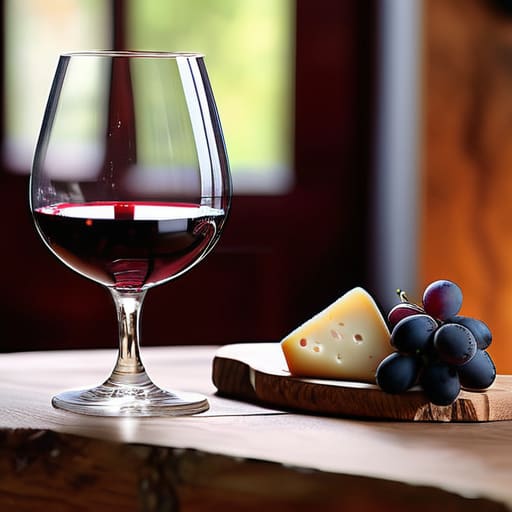
I remember sitting in a dimly lit bistro in Chicago years ago, watching a sommelier swirl a glass with such practiced, performative intensity that it felt more like a stage play than a meal. He began rattling off notes of “wet slate” and “stolen summer rain,” and I found myself looking at my companion, wondering if we were actually tasting the wine or just participating in a high-priced ritual of pretension. Most people approach wine tasting basics as if they’re studying for a history exam, terrified that if they don’t identify the exact vintage or soil composition, they’ll be found wanting. But that’s not why we drink; we drink to find a moment of quiet connection in a world that never stops shouting.
I’m not here to teach you how to sound like a textbook or how to impress a waiter with hollow vocabulary. Instead, I want to strip away the ceremony and get back to the soul of the glass. I promise to share the honest, unvarnished essentials of wine tasting basics—the kind of knowledge that focuses on what you actually feel and smell, rather than what you’re supposed to say. We’re going to learn how to slow down, lean in, and find the genuine character in every sip.
Table of Contents
Unlocking the Senses Through Wine Tasting Sensory Evaluation
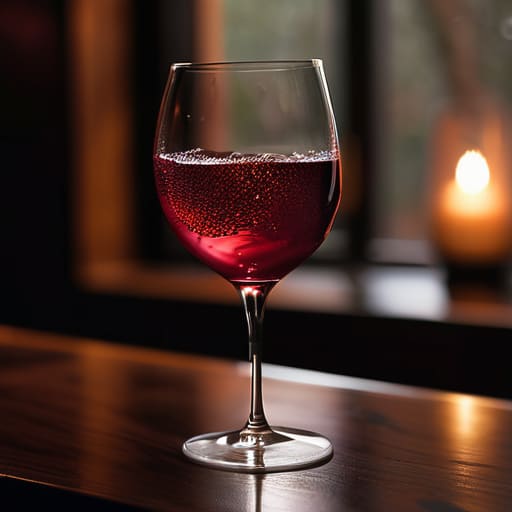
When I sit down at a small table in a dimly lit corner, I find that the ritual begins long before the first sip. To truly engage in a wine tasting sensory evaluation, you have to treat the glass like a piece of sheet music—you don’t just hear the notes; you feel the composition. Start by swirling the liquid gently, watching how it clings to the sides of the glass. This isn’t just for show; it’s about releasing those hidden scents. As you lift the glass, try to catch the subtle shifts in the air. I often find myself wondering how to identify wine aromas that aren’t immediately obvious, like a hint of damp earth after a rain or a fleeting note of dried rose petals.
Once you finally take a sip, don’t rush to swallow. Let the wine coat your tongue and explore the architecture of the flavor. This is where you begin understanding wine tannins and acidity, noticing how that slight dryness grips your palate or how a bright citrus note dances across the tip of your tongue. It’s a slow, deliberate process of discovery that rewards the patient observer.
How to Identify Wine Aromas Before the First Sip
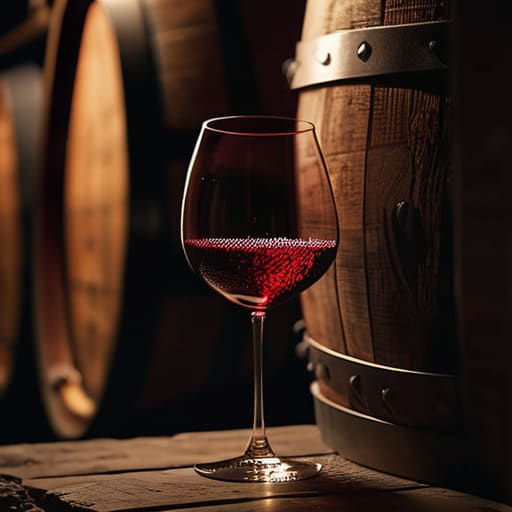
Before the glass even touches your lips, there is a quiet, almost sacred moment of anticipation. I often find myself sitting in these dimly lit corners, swirling a bit of Cabernet in my glass, and simply waiting. To truly master how to identify wine aromas, you must first learn to silence the noise of the room. Don’t rush to find a specific fruit; instead, let the scent drift up to you like a distant melody. I like to start by thinking about the earth—is there a hint of damp soil after a rain, or perhaps something more floral, like a garden in late May?
As you get more comfortable, you can begin to categorize these scents using basic wine tasting terminology for beginners. You might notice bright, citrusy notes in a crisp Sauvignon Blanc, or perhaps deep, dark berries in a heavier red. If you find yourself stuck, try to think of it as an archival process: you are searching for layers. Is the scent sharp and immediate, or does it settle into something more complex and woody? Take your time. The scent is the soul of the wine, and it deserves your full attention.
Small Rituals for a Deeper Pour
- Don’t rush the glass. When you first pour, let the wine sit for a moment. Much like a good jazz record needs a second to find its groove, wine needs a moment to breathe and settle before you try to make sense of it.
- Watch the light play. Before you even lift the glass to your nose, hold it up against a bit of candlelight or a dim lamp. Notice the color—is it a pale, translucent gold or a deep, brooding crimson? The visual tells a story before the liquid even touches your lips.
- Swirl with intention, not haste. A gentle swirl isn’t just for show; it’s about waking the wine up. You’re inviting the aromas to rise to the surface, much like the way a dusty old archive comes to life once you start turning the pages.
- Take a sip, then let it rest. When the wine hits your tongue, don’t just swallow and move on. Let it sit there. Notice where it feels heavy or light, where it feels warm or crisp. Let the flavors linger in your mouth while the rest of the room fades into the background.
- Keep a quiet record. I always keep my notebook handy, and I suggest you do the same—even if it’s just a mental note. Write down one word that describes the feeling of the wine. It helps you move past the technicalities and into what the wine actually means to you in that moment.
The Essence of the Evening
Slow down your pace; wine tasting isn’t a race to the bottom of the glass, but a quiet exercise in noticing how the world settles around you.
Trust your instincts over the technical jargon; whether it’s a hint of oak or a dash of dark fruit, the most important notes are the ones that actually speak to you.
Let the experience linger in your memory like a good jazz melody, focusing more on the feeling the wine evokes than on memorizing a textbook list of characteristics.
## The Rhythm of the Glass
“Wine tasting isn’t a technical exam to be passed; it’s more like listening to a jazz solo. You don’t need to name every note to feel the soul of the performance—you just need to be quiet enough to let the story unfold on your palate.”
Petra Lindgren
The Last Note of the Evening
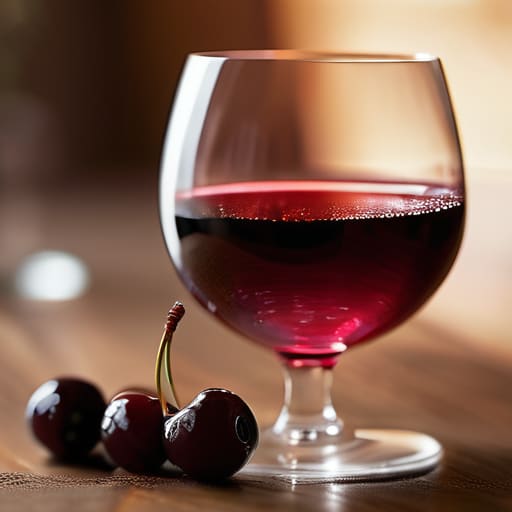
As we draw this evening to a close, remember that wine tasting isn’t a test you pass or fail; it is simply a way of paying attention. We have moved from the initial visual cues of the glass to the complex layers of aroma, and finally to the way the texture dances against your palate. By slowing down to identify those subtle notes—the hint of dark cherry or the whisper of toasted oak—you are doing more than just judging a beverage. You are practicing the art of intentional presence, ensuring that you aren’t just consuming, but truly experiencing the craft behind the bottle.
I often find myself sitting in dimly lit corners of old jazz clubs, watching the way the light catches the rim of a glass, and I realize that life is much like a fine vintage. It requires patience, a bit of stillness, and the willingness to let the complexities unfold at their own pace. Don’t rush toward the bottom of the glass or the end of the night. Instead, I hope you take these lessons home and use them to find the beauty in the small, quiet moments. After all, the most profound things in life are rarely found in the rush, but in the grace of the pause.
Frequently Asked Questions
Is there a specific order I should follow when tasting, or can I just let my curiosity lead me?
While curiosity is a wonderful companion, I’ve found that a little structure helps you notice the finer details before they slip away. I usually follow the classic sequence: sight, scent, then sip. It’s like reading a good book; you don’t just jump to the final chapter. Start with the visual clarity, let the aromas settle, and then finally, let the flavor linger. Follow the rhythm, but don’t be afraid to linger where the wine speaks to you.
Do I really need to use those fancy professional glasses, or will a standard wine glass do the job?
To be honest, I’ve spent many evenings in dimly lit jazz clubs where the glassware was anything but professional. If you’re sitting at a kitchen table, don’t let the lack of a crystal tulip stop you. A standard glass will do, provided it isn’t too narrow. The goal isn’t to mimic a sommelier; it’s to let the wine breathe and the aromas reach your nose. Focus on the experience, not the equipment.
How can I tell if a wine is actually "good" versus just being something I personally enjoy?
It’s a distinction worth making. Personal preference is about what makes you smile, but quality is found in the architecture of the wine. When I’m looking at a glass, I look for balance—is there a harmony between the acidity, the tannins, and the fruit? A “good” wine has a sense of purpose and a lingering finish that stays with you, much like a well-composed jazz standard that continues to resonate long after the final note.
