I spent forty years in archives, surrounded by the scent of aging parchment and the weight of physical history, so I have a bit of a low tolerance for the frantic, hollow noise of the modern world. Lately, it seems like everyone is shouting about the latest digital art trends as if they were some kind of divine revelation, treating every flickering pixel and algorithmic shift like a revolution that demands your immediate, breathless attention. It’s exhausting, isn’t it? We are told that if we aren’t chasing the newest software or the most complex generative glitch, we are somehow falling behind. But I’ve learned that true artistry doesn’t live in the speed of the tool; it lives in the intention behind the stroke, even if that stroke is made of light rather than ink.
I’m not here to give you a frantic roadmap to the next big thing or a list of tools you’ll forget by next Tuesday. Instead, I want to help you find the quiet substance beneath the hype. We are going to look past the superficial flash of current digital art trends to find the movements that actually possess a soul worth preserving. My promise to you is simple: no empty jargon, no manufactured urgency—just a thoughtful look at what is actually worth your time.
Table of Contents
The Quiet Rhythm of Ai Driven Creative Processes
I spent decades handling brittle parchment and fading ink, where every stroke of a pen was a deliberate, physical act. Now, watching the way people engage with AI-driven creative processes, I find myself searching for that same sense of intentionality. There is a common misconception that these tools are merely shortcuts, a way to bypass the labor of thought. But if you sit with a piece long enough, you begin to see the ghost in the machine—the way a creator guides the algorithm, much like a conductor shaping a swell of strings in a late-night jazz set.
It isn’t about the speed of the output; it is about the dialogue between human intent and mathematical chance. When I look at the shifting landscape of digital illustration styles 2024, I don’t see a replacement for the hand, but rather a new kind of brush. There is a strange, quiet rhythm to it—a cadence of trial and error that feels surprisingly familiar to the old archivists I used to work alongside. We are all just trying to find the soul within the structure.
Digital Illustration Styles 2024 Finding Beauty in the Lines
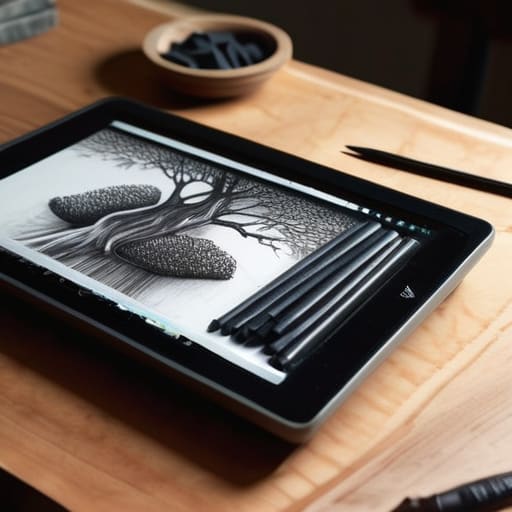
I find myself looking at these new digital illustration styles 2024 with the same curiosity I used to reserve for old, hand-drawn maps in the archives. There is a certain movement toward tactile imperfection—a deliberate rejection of the sterile, overly polished look that once defined the medium. We are seeing a resurgence of textures that mimic the grit of charcoal or the bleeding edge of watercolor, as if artists are trying to reclaim the physical soul of the canvas within a digital space.
It isn’t just about the aesthetic, though; it is about the way these lines feel. Many creators are now blending these traditional sensibilities with augmented reality art techniques, allowing a simple sketch to breathe and shift when viewed through a lens. It reminds me of how a well-worn jazz record has a certain crackle that makes the music feel more alive. There is a beautiful tension here between the precision of the machine and the unpredictable warmth of the human hand, proving that even in a world of code, we are still searching for something that feels deeply, tangibly real.
Finding Your Own Frequency Amidst the Digital Noise
- Don’t let the speed of the trend cycle dictate your pulse; it’s easy to get swept up in what’s “viral,” but the most enduring art usually comes from a place of stillness, not a race to be first.
- Look for the human touch in the machine—even when exploring AI-driven tools, try to find where the software’s perfection clashes with your own intentional imperfections, for that is where the soul resides.
- Treat your digital canvas like a well-worn vinyl record; don’t be afraid of a little texture or a bit of “grit” in your pixels, as too much smoothness can sometimes leave a piece feeling hollow.
- Observe the architecture of a composition rather than just the surface level; whether it’s a 3D render or a flat vector, understand the structural bones that keep the viewer’s eye from wandering aimlessly.
- Curate your influences with the same care an archivist handles a rare manuscript—seek out the old masters and the forgotten textures to inform your new digital work, ensuring your style has roots deep enough to weather the changing seasons.
What Remains When the Screen Fades
Don’t let the speed of new tools blind you to the intent behind them; even in a digital landscape, the soul of a piece lies in the deliberate choices of the creator.
Look past the initial flash of novelty to find the textures and rhythms that actually resonate, much like finding a familiar melody in a crowded room.
Embrace the evolution of these digital mediums not as a replacement for tradition, but as a new way to capture the same fleeting beauty we’ve always sought.
The Soul Beneath the Screen
We shouldn’t fear the new tools of the digital age; we should simply ask if they are helping us capture that same fleeting, quiet ache that a brushstroke or a crackle on a vinyl record once did.
Petra Lindgren
The Texture of Tomorrow
As we look back at these shifting currents, it becomes clear that the digital landscape is far more than just a collection of new tools or fleeting aesthetics. Whether we are navigating the rhythmic, almost meditative flow of AI-driven creation or finding solace in the deliberate, hand-drawn precision of new digital illustration styles, we are witnessing a profound evolution of how we express the human condition. These trends aren’t just technical milestones; they are the new brushstrokes of our era, blending the mathematical with the emotional to create something entirely unique. We have seen that even in a world of infinite pixels, the desire for intentionality and soul remains our most vital compass.
I often find myself sitting in those quiet, dim-lit jazz clubs, thinking about how a melody can feel both ancient and brand new at the same time. Digital art is finding its own version of that timelessness. My advice to you is simple: don’t let the sheer speed of these technological shifts overwhelm your senses. Instead, lean in. Take a moment to observe the way a digital light hits a simulated surface or how an algorithm can mimic the fragile imperfection of a human hand. In the end, the most important trend isn’t the software we use, but the quiet moments of connection we find within the art itself.
Frequently Asked Questions
How do we keep the human soul in these pieces when so much of the heavy lifting is done by an algorithm?
It’s a question that weighs on me, much like the heavy bass in a late-night jazz set. The algorithm provides the rhythm, certainly, but it cannot provide the intention. To keep the soul intact, we must treat the tool like a well-worn instrument rather than a replacement for the player. The magic happens in the imperfections—the deliberate choices, the slight deviations, and the way we guide the machine toward a feeling rather than just a pattern.
Is there a way to appreciate these new digital textures without losing touch with the tactile, messy beauty of traditional media?
I often find myself sketching in my notebook, feeling the grain of the paper, and wondering if a screen can ever truly mimic that resistance. To appreciate these digital textures, don’t look for perfection; look for the “glitch,” the intentional imperfection. Treat the stylus like a charcoal stick. If you approach the digital canvas with the same reverence for light and shadow that you’d give an oil painting, the medium matters far less than the soul behind the stroke.
In this rush toward the next big trend, how can we tell which digital styles will actually stand the test of time?
I’ve spent a lifetime looking at how history preserves what matters, and the principle remains the same. To find what lasts, look past the frantic novelty. Don’t ask what’s trending on a feed; ask what evokes a feeling. A style stands the test of time when it possesses an intentionality—a sense that a soul, even a digital one, was behind the brushstroke. We must look for the resonance, not just the polish.
