Category: Culture

  • Discovering the Depth of World Music

    Discovering the Depth of World Music

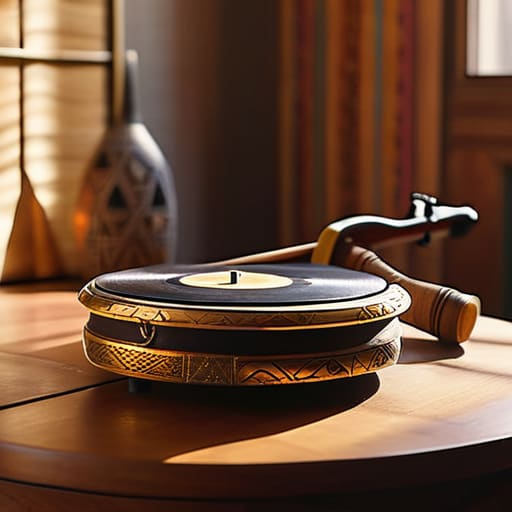
    I remember sitting in a cramped, dimly lit basement archive in Ann Arbor, the air thick with the scent of decaying paper and old glue, when I first stumbled upon a dusty field recording from the Sahel. It wasn’t some polished, high-fidelity studio production meant for a lounge; it was raw, rhythmic, and strangely intimate. That moment changed how I viewed world music exploration forever. Most people treat it like a checkbox on a cultural checklist or a way to sound sophisticated at a dinner party, but they miss the point entirely. They chase the “exotic” labels without ever actually listening to the soul behind the sound.

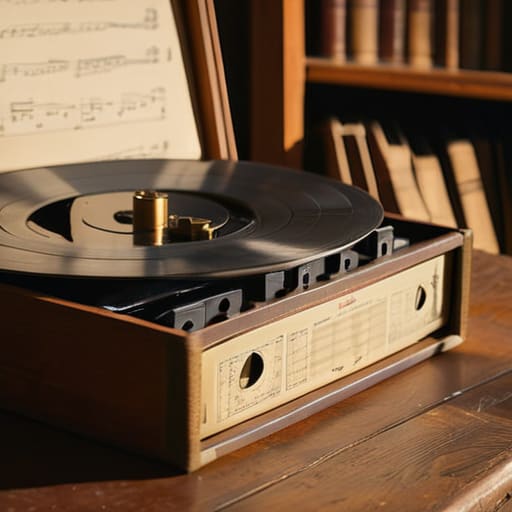
    I’m not here to give you a curated list of trendy tracks that will be forgotten by next Tuesday. Instead, I want to show you how to truly settle into a melody so that it stays with you long after the needle lifts from the vinyl. We are going to move past the superficial hype and focus on the textures and histories that make these sounds meaningful. My promise to you is simple: no pretension, no academic jargon, just a guide to finding the music that actually makes the world feel a little larger and a lot more beautiful.

    Table of Contents

    Tracing Cultural Heritage Through Sound

    Tracing Cultural Heritage Through Sound in archives.

    When I was working in the archives, I learned that a single handwritten ledger could tell the story of an entire decade. Music functions in much the same way, though its ink is made of air and vibration. To truly understand cultural heritage through sound, one must listen past the catchy rhythms and look for the ghosts of the past. I often find myself sitting in the back of a dimly lit club, trying to discern how traditional folk melodies have been woven into modern arrangements, acting as a stubborn thread that refuses to be unraveled by time.

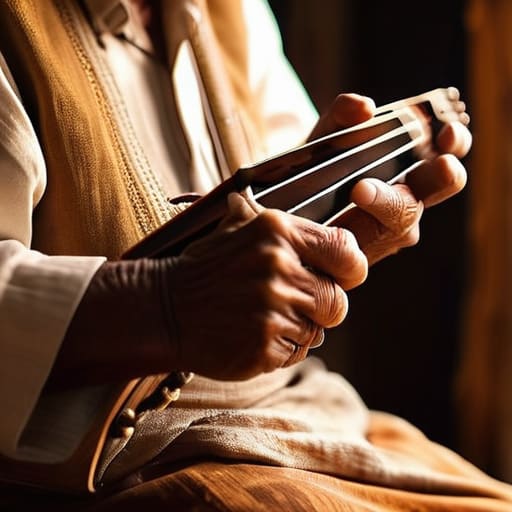
    It isn’t just about the notes, though; it’s about the weight of the instruments. There is a profound, grounding difference when you hear indigenous musical traditions played on instruments carved from the very earth they represent. You can feel the history in the resonance. I’ve spent many evenings sketching the heavy timber of stage ceilings while trying to map out how a specific beat travels from a village ceremony to a crowded city street. It is a slow, deliberate process of listening, but that is where the real discovery begins.

    Listening for Traditional Folk Melodies

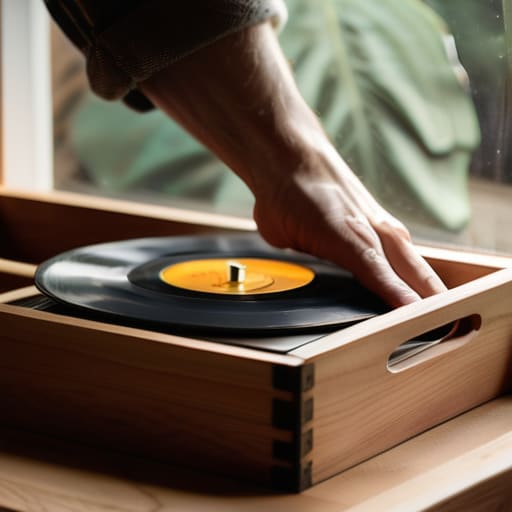
    Listening for Traditional Folk Melodies on records.

    There is a particular kind of magic in sitting quietly with a record of traditional folk melodies from a land you’ve never stepped foot in. When I was working in the archives, I often handled field recordings that felt less like mere data and more like whispered secrets from the past. You can hear it in the slight tremor of a singer’s voice or the way a flute note hangs in the air just a second too long. These aren’t just songs; they are the blueprints of a people’s survival and their joy, preserved in a way that a digital file can never quite capture.

    I find that if you stop trying to categorize everything, you begin to hear the unspoken connections between distant shores. You might notice a rhythmic pattern in a West African drum circle that mirrors the cadence of a mountain ballad from the Appalachians. It isn’t about studying ethnomusicology basics or checking boxes on a map; it’s about letting those indigenous musical traditions settle into your spirit. It’s a reminder that, despite our modern rush, the human heart has been beating to the same fundamental rhythms for centuries.

    How to Truly Listen When the World Comes Calling

    • Stop the shuffle. When you decide to explore a new corner of the globe through sound, pick one artist or one specific region and stay there for a while. You can’t understand the architecture of a culture if you’re only glancing at the facade through a moving car window.
    • Seek out the imperfections. There is a certain magic in the slight crackle of a field recording or the raw, unpolished breath of a singer in a small village. It’s those human textures—the things a studio might try to scrub away—that tell the real story of a people.
    • Read the liner notes, or find the story behind the song. As an archivist, I can tell you that a melody is only half the history; the other half is the context. Knowing why a certain drum pattern is played during a harvest or a mourning ritual changes how that rhythm sits in your chest.
    • Create a dedicated space for the experience. Don’t just have this as background noise while you’re folding laundry or scrolling through your phone. Dim the lamps, pour something slow, and give the music the respect of your undivided attention.
    • Follow the lineage. If a particular track moves you, don’t just move on to the next thing on your algorithm. Look for the instruments they used or the era they come from. Music is a long, winding thread, and the joy is in following that thread back to its source.

    Lessons from the Long Listening

    Stop treating music like background noise for your chores; give a new melody the same respect you’d give a quiet conversation in a dim room.

    Listen for the history tucked between the notes, because a song is rarely just a song—it is a living record of a people’s survival and joy.

    Let the music settle into your bones rather than just your ears; the best sounds are the ones that stay with you long after you’ve walked back out into the street.

    The Weight of a Foreign Note

    “When you truly listen to a song from a land you’ve never stepped foot in, you aren’t just hearing a melody; you’re feeling the heartbeat of a history that refuses to be forgotten. It’s a quiet, profound way of realizing that while our languages differ, the ache and the joy in a minor key are universal.”

    Petra Lindgren

    The Echoes That Remain

    Musical heritage and The Echoes That Remain.

    As we’ve wandered through these sonic landscapes, from the heavy pull of traditional folk to the intricate tapestries of cultural heritage, I hope you’ve begun to see that world music isn’t just a category on a streaming service. It is a living, breathing archive of human experience. We have looked at how a single melody can act as a bridge to a distant history and how certain rhythms serve as the very heartbeat of a community. To truly listen is to do more than just hear; it is to trace the lineage of a song back to the hands that first played it. When we take the time to study these sounds, we aren’t just consuming entertainment—we are witnessing the endurance of the human spirit through every pluck of a string and every drumbeat.

    So, as you close this chapter and perhaps turn toward your own turntable or headphones, I urge you to resist the urge to rush. Don’t treat these melodies like background noise for a busy evening. Instead, find a quiet corner, let the room grow dim, and allow a new sound to truly settle into your bones. The world is far too vast and its stories far too beautiful to be skimmed like a headline. Let the music linger. Let it change the way you see the shadows in your own room. After all, the most profound journeys don’t require a passport—they only require a willingness to be still and listen deeply.

    Frequently Asked Questions

    How can I distinguish between a genuine traditional recording and a commercialized version made just for tourists?

    It’s a question I’ve often pondered while leafing through dusty field recordings. To find the truth, listen for the imperfections. A commercial track is often too polished, too rhythmic, stripped of its grit to suit a casual ear. Genuine tradition lives in the spaces between the notes—the slight hesitation of a singer, the unpolished resonance of a local instrument, or a melody that feels less like a performance and more like a conversation.

    Where can I find high-quality vinyl pressings of these international artists to truly hear the depth of the instrumentation?

    You won’t find that kind of depth in a digital stream, no matter how high the bitrate claims to be. If you’re serious, you have to hunt. I usually start with specialized boutique labels like Analog Africa or Soundway; they treat these pressings like the historical artifacts they are. Otherwise, you’ll need to spend a few slow Saturday afternoons digging through the back bins of independent shops. It takes patience, but the warmth is worth it.

    When exploring a new genre, how do I avoid the feeling of being an outsider and instead truly connect with the soul of the music?

    Don’t approach it like a researcher cataloging a specimen; approach it like a guest in a friend’s home. If you listen with the intent to judge or categorize, you’ll always feel like a stranger. Instead, sit with the rhythm. Let the unfamiliar scales settle in your chest before you try to name them. When you stop trying to “understand” and simply start feeling, the barrier between you and the music begins to dissolve.

  • The Fundamentals of Improv Comedy

    The Fundamentals of Improv Comedy

    I remember sitting in a cramped, dimly lit basement club last Tuesday, the air thick with the scent of stale beer and old velvet. I wasn’t there for a polished set or a scripted punchline; I was there to witness the terrifying, beautiful friction of improv comedy happening in real-time. There is a specific kind of silence that falls over a room right before a performer makes a choice—a collective holding of breath—that you just don’t find in a rehearsed play. It’s a raw, unscripted vulnerability that reminds me of the old jazz sessions I used to frequent, where the magic wasn’t in the notes played, but in the spaces between them.

    I’m not here to give you a textbook definition or a list of “tricks” to become a comedic genius overnight. Instead, I want to share what I’ve gathered from years of watching people lean into the chaos. We are going to look past the frantic energy and the loud jokes to find the intentionality behind the art. I’ll show you why embracing the unexpected is less about being funny and more about the profound courage of being truly present.

    Table of Contents

    Embracing the Yes and Principle in Improv

    Embracing the Yes and Principle in Improv.

    At the heart of every spontaneous performance lies a simple, almost meditative philosophy: the yes and principle in improv. In my years spent archiving the steady, predictable rhythms of history, I’ve learned that we often spend too much energy trying to correct the course of a conversation or steer a moment toward a predetermined conclusion. But in a dimly lit club, watching performers navigate the unknown, you realize that true magic happens when you stop resisting. To say “yes, and” is to accept the reality presented to you by your partner and then add your own layer of truth to it. It is an act of radical acceptance.

    This isn’t just a trick; it is one of the most vital improv comedy techniques for beginners to master if they wish to find the flow. When you stop fighting the unexpected and instead lean into it, the tension in the room shifts. You aren’t just reacting; you are building a world together, brick by unplanned brick. It requires a certain level of vulnerability to let go of the script, but that is exactly where the beauty resides—in the unscripted connection between people.

    Improvisational Acting Exercises for the Quiet Soul

    Improvisational Acting Exercises for the Quiet Soul

    For those of us who prefer the quiet corners of a room to the center of a spotlight, the idea of stepping onto a stage can feel a bit daunting. You don’t need to be a loud, boisterous personality to find joy in this craft. In fact, some of the most effective improvisational acting exercises are rooted in stillness and listening rather than frantic movement. I often find that the most profound moments come when we stop trying to “be funny” and instead focus on simply being present with our partner.

    Try practicing a simple mirror exercise in your own living room—not to perfect a movement, but to learn the art of true observation. When you eventually move toward more formal improv comedy techniques for beginners, remember that your greatest tool is your ability to notice the small, unsaid details. It’s about catching the slight tilt of a head or a hesitant breath. By leaning into these subtle cues, you aren’t just performing; you are participating in a shared, living moment that requires nothing more than your unwavering attention.

    Lessons from the Stage: How to Live More Like an Improviser

    • Listen with your whole self. In improv, you can’t plan your next line while your partner is speaking; you have to truly hear them. I find that if we applied that same level of presence to our dinners or our walks, the world would feel much less rushed.
    • Learn to love the mistake. We spend so much of our lives trying to curate a perfect record, but the most beautiful moments usually happen when the script falls apart. In a comedy set, a stumble is just an invitation to see where the laughter goes next.
    • Stop trying to be the funniest person in the room. The best improvisers aren’t the ones cracking jokes every second; they are the ones who are brave enough to be vulnerable. There is a quiet dignity in simply being present with whatever happens.
    • Trust your instincts over your intellect. My years in the archives taught me that sometimes you have to stop over-analyzing the data and just feel the weight of the history. Improv is the same—it’s about that gut reaction, not a rehearsed thought.
    • Build something together. Improv is never a solo act; it’s a delicate dance of support. It reminds me that the best evenings aren’t about individual performance, but about how we lean into each other to create a shared moment.

    The Quiet Lessons of the Unscripted

    Learning to say “yes” isn’t just about stagecraft; it’s about approaching life with a bit more grace and a lot less resistance when the unexpected happens.

    There is a profound, meditative beauty in letting go of the need to control the outcome, much like sitting through a jazz set where you simply let the notes land where they may.

    Real connection happens in the pauses and the unplanned moments, teaching us that the most meaningful parts of an evening are often the ones we didn’t prepare for.

    The Beauty of the Unplanned

    The Beauty of the Unplanned improv moment.

    “In my years among the archives, I learned that the most precious things are often the ones we didn’t intend to preserve—the spontaneous laughter in a crowded room, the sudden, unscripted connection between strangers. Improv comedy is much the same; it’s a reminder that if we stop trying to control the melody, we might actually hear the music.”

    Petra Lindgren

    The Beauty of the Unplanned

    As I sit here in the dim light of this corner booth, reflecting on everything we’ve discussed, it strikes me that improv is so much more than just a series of jokes or a way to kill an hour. It is about the discipline of the “yes and,” the courage to engage in those quiet exercises that stretch our comfort zones, and the willingness to let go of a rigid script. We have explored how these tools allow us to embrace the unexpected rather than fearing it. By practicing these techniques, we aren’t just learning to be funny; we are learning how to truly listen to one another and to the rhythm of the room. It is about finding the steady pulse beneath the chaos of an unscripted moment.

    Ultimately, I think we can take a piece of the improv stage back into our everyday lives. We spend so much time trying to archive our futures and organize our days into neat, predictable rows, much like the dusty files I used to manage. But there is a profound, quiet grace in allowing life to be a little bit messy. I hope you find the courage to step into the unknown, to accept the unexpected hand life deals you, and to dance with the uncertainty. After all, the most beautiful parts of our lives are rarely the ones we planned; they are the unscripted melodies that catch us by surprise when we finally stop rushing and just listen.

    Frequently Asked Questions

    Is improv something I can truly enjoy as a spectator, or does it require a certain level of participation to be meaningful?

    I’ve often sat in the back of dimly lit clubs, wondering if I was merely a ghost in the room. But I’ve found that you don’t need to be on stage to participate. The magic happens in the shared breath between the performer and the audience. When you allow yourself to lean in—to laugh when it’s earned and sit in the silence when it’s needed—you aren’t just watching. You are part of the rhythm.

    How does one find the courage to step into such a vulnerable, unscripted space without feeling overwhelmed?

    It’s a daunting thought, isn’t it? Standing there without a script to lean on. I’ve found that the courage doesn’t come from knowing what you’ll say, but from accepting that you don’t have to be perfect. It’s like stepping into a dimly lit jazz club; you don’t need to master the saxophone immediately, you just need to listen. Focus on the person in front of you. When you truly listen, the fear tends to quiet down.

    Can the lessons learned on an improv stage actually be applied to the way we navigate our everyday, structured lives?

    I often find myself thinking about this while sitting in a dimly lit jazz club. Life, much like a good set of improv, is rarely the rigid script we try to write for ourselves. When we lean into that “yes, and” mindset outside of a theater, we stop fighting the unexpected turns of a conversation or a sudden change in plans. We start seeing life’s interruptions not as disruptions, but as new melodies to play along with.

  • Exploring the Beauty of Renaissance Art

    Exploring the Beauty of Renaissance Art

    I remember sitting in a drafty university lecture hall decades ago, watching a professor drone on about the mathematical precision of perspective as if it were a sterile science. He spoke of renaissance art as if it were a series of equations to be solved rather than a collection of human heartbeats captured in oil and pigment. It’s a common frustration, isn’t it? We are taught to dissect the technique—the sfumato, the proportions, the geometry—until the actual soul of the work is smothered under a layer of academic dust. We spend so much time analyzing the mechanics that we forget to actually look at the person staring back at us from the canvas.

    I’m not here to give you a dry syllabus or a list of dates to memorize for a test. Instead, I want to pull you away from the crowded museum gift shops and the heavy textbooks to find the quiet, intentional beauty that these masters were actually chasing. We are going to look past the hype and the complex jargon to discover why these works still resonate in the dim light of a modern evening. My promise is simple: we will explore the human stories behind the masterpieces, focusing on the details that actually stay with you long after you’ve left the gallery.

    Table of Contents

    Finding the Human Pulse Through Humanism in Art

    Finding the Human Pulse Through Humanism in Art.

    When I look at a canvas from that era, I’m not just looking at pigment on wood; I’m looking at the moment we decided to look ourselves in the eye again. Before this shift, much of our visual history felt distant, almost untouchable. But with the rise of humanism in art, the divine began to wear a human face. You can see it in the way a shoulder turns or the slight, weary tilt of a head. It’s the transition from the symbolic to the felt, where the subjects finally seem to breathe the same heavy air we do.

    The masters of the time weren’t just painting figures; they were capturing the weight of existence. Through the sophisticated use of the chiaroscuro technique, they taught us how light doesn’t just reveal a shape, but how it creates a mood—a sense of presence that lingers in the dim corners of a room. It reminds me of sitting in a quiet jazz club at midnight, where the shadows are just as important as the melody. We aren’t just observing a scene; we are witnessing the quiet dignity of being alive.

    The Florentine Art Movement a Lesson in Noticing Detail

    The Florentine Art Movement a Lesson in Noticing Detail.

    I often find myself sitting in the back of a quiet gallery, much like I used to sit in the corner of a dim jazz club, just watching how the light hits a surface. When you look closely at the Florentine art movement, you realize it wasn’t just about grand gestures or massive frescoes; it was a meticulous study of how we actually inhabit space. These artists weren’t content with flat, symbolic representations. They were obsessed with the way a shadow falls across a cheekbone or how a heavy velvet cloak settles against a stone floor.

    To truly understand their work, you have to embrace the patience of an archivist. You see it most clearly in the way they mastered perspective in classical painting, creating a window into a world that felt as tangible as the street outside. They weren’t just painting scenes; they were constructing realities. It reminds me of a well-pressed vinyl record—there is a depth to the layers that you only catch if you stop rushing and actually listen to the nuances of the composition.

    Five Ways to Truly See the Renaissance

    • Don’t rush toward the subject. When you stand before a canvas, give yourself a moment to settle into the space. Let your eyes wander to the edges of the frame—sometimes the most profound stories are tucked away in the shadows of a background figure.
    • Look for the hands. In the Renaissance, a gesture wasn’t just a movement; it was a language. Watch how a finger rests against a chin or how a palm is turned upward; these small, human tells are where the soul of the piece actually lives.
    • Chase the light, not just the color. Instead of looking at what is painted, look at how the light seems to fall. Notice how the chiaroscuro creates a sense of weight and presence, making the figures feel less like paint and more like people you could almost reach out and touch.
    • Practice the art of the pause. We live in a world of constant motion, but these works were meant for contemplation. If a particular detail catches your eye—the texture of a velvet sleeve or the weary look in a saint’s eyes—stay with it. Don’t move on until that detail has left a mark on you.
    • Connect the geometry to the emotion. There is a quiet rhythm in the way Renaissance masters used composition to guide your gaze. Don’t just see the shapes; feel the balance they create. A stable, triangular composition isn’t just math; it’s an attempt to find order and peace in a chaotic world.

    Don’t just look for the subject of a painting; look for the human intention behind the brushstroke. Much like a well-played jazz solo, the real magic of Renaissance art lies in the subtle, intentional choices that make a figure feel alive rather than merely depicted.

    Practice the art of the slow gaze. We spend so much of our modern lives rushing from one screen to the next that we forget how to truly sit with something. Give yourself permission to linger on a single shadow or a fold of fabric until it starts to tell you its own story.

    Remember that beauty is often found in the tension between light and dark. Just as a dim jazz club provides the perfect backdrop for a soulful melody, the chiaroscuro of the Renaissance teaches us that the shadows are just as essential to the soul of a piece as the light itself.

    The Weight of a Single Stroke

    “We often mistake the Renaissance for a mere collection of grand monuments and gilded frames, but the real magic lies in the quiet intention—the way a painter captures the specific, heavy stillness of a moment, reminding us that even in a world of constant motion, there is profound dignity in simply stopping to look.”

    Petra Lindgren

    The Lingering Echo of the Renaissance

    The Lingering Echo of the Renaissance sketches.

    As I sit here in the dim light of my study, looking over my sketches, I find myself returning to the same realization: the Renaissance wasn’t just a collection of technical breakthroughs or a sudden surge in Florentine wealth. It was a profound shift in how we chose to see ourselves. We’ve explored how humanism breathed life into the stiff figures of the past, turning them into beings with weight, breath, and unmistakable emotion. We’ve looked at how the mastery of light and shadow taught us that there is as much truth in the darkness as there is in the sun. To study this era is to realize that art is the mirror we hold up to our own humanity, capturing the messy, beautiful complexity of being alive.

    My advice to you, as you move from these pages back into the rush of your own evening, is this: don’t let the world move too fast. Whether you are standing before a canvas in a quiet museum or simply watching the way the streetlamps hit the pavement outside a jazz club, learn to notice. The Renaissance masters understood that the smallest detail—the curve of a hand, the tilt of a head—holds the weight of a soul. Stop rushing toward your next destination and allow yourself a moment to sit with the shadows. After all, it is in those slow, intentional pauses that we truly begin to see.

    Frequently Asked Questions

    How can we learn to see the subtle interplay of light and shadow in a painting rather than just looking at the subject?

    Stop looking for the face or the fruit; instead, look for where the light decides to rest. I often find that if I squint, the subject blurs and the shadows begin to breathe. Don’t rush to identify the object. Instead, trace the soft gradient where a cheekbone meets the dark. It’s much like listening to a jazz solo—don’t just wait for the melody; listen to the silence between the notes.

    Is there a way to connect the slow, intentional spirit of the Renaissance to our own frantic, modern lives?

    It’s a question I find myself sketching in my notebook quite often. We live in a world of frantic scrolling and instant gratification, but the Renaissance teaches us the value of the “long gaze.” To bridge that gap, you must practice intentionality. Don’t just consume; observe. Treat a piece of music or a painting like a conversation. When we slow down to notice the deliberate stroke of a brush, we reclaim our own time.

    Beyond the grandest cathedrals, where might one find the smaller, more intimate traces of this era's soul today?

    You won’t find them in the crowded gift shops or the grand, echoing naves. Instead, look for the quiet corners—the small, family-run trattorias in Florence where the stone walls seem to hold the weight of centuries, or a dusty, local chapel tucked away in a side street. It’s in those dim, unhurried spaces, where the light hits a worn fresco just right, that the era’s true intimacy still breathes.

  • The Art of Culinary Fusion

    The Art of Culinary Fusion

    I remember sitting in a dimly lit corner of a jazz club in Detroit back in the late seventies, the air thick with saxophone notes and the scent of rain on pavement. I wasn’t looking for a culinary revolution; I just wanted a meal that felt as honest as the music. Lately, however, I see culinary fusion being treated like some high-concept laboratory experiment—all foam, tweezers, and pretension designed to confuse rather than comfort. Too often, these “innovative” dishes feel like they were assembled by someone looking at a spreadsheet instead of a soul, stripping away the history that makes food worth eating in the first place.

    I have no interest in chasing the next expensive trend or decoding a menu that reads like a technical manual. Instead, I want to talk about the moments where different cultures actually meet on a plate with grace and intention. In the following pages, I’ll share my thoughts on how to find the true heart of culinary fusion, focusing on the flavors that actually linger in your memory long after the candles have burned down. We are going to look past the hype and find the dishes that truly deserve a seat at your table.

    Table of Contents

    Tracing the Quiet Evolution of Fusion Cuisine

    Tracing the Quiet Evolution of Fusion Cuisine.

    I remember sitting in a cramped, dimly lit bistro in the late seventies, watching a chef carefully balance miso with a reduction that felt entirely too French for the setting. Back then, it felt like a quiet rebellion. We weren’t calling it a trend; we were simply witnessing the evolution of fusion cuisine in its most unpolished, honest form. It wasn’t about the spectacle of a social media post, but rather a slow, rhythmic dialogue between traditions that had traveled oceans to finally meet on a single plate.

    Today, that dialogue has grown much more sophisticated. As I sit in these modern spaces, sketching the way the light hits a polished mahogany bar, I notice how the conversation has deepened. It isn’t just about throwing disparate elements together anymore; it’s about the nuance of cross-cultural flavor profiles that respect their origins while daring to dream of something new. We are seeing a shift away from the loud, jarring combinations of the past toward a more intentional, soulful way of eating—one where the history of an ingredient is just as important as the bite itself.

    Finding Soul in Cross Cultural Flavor Profiles

    Finding Soul in Cross Cultural Flavor Profiles

    When I sit in a corner booth, watching the steam rise from a plate, I’m not just looking for a meal; I’m looking for a story. There is a certain magic in cross-cultural flavor profiles that feels less like a gimmick and more like a conversation between distant shores. It’s the way a sharp, citrusy note from a Southeast Asian lime can suddenly find its home alongside the deep, earthy richness of a French reduction. These aren’t just accidents of the kitchen; they are the result of a slow, beautiful cultural culinary exchange that happens when we stop viewing borders as walls and start seeing them as meeting places.

    I find myself sketching the way these dishes are composed, much like the architecture of the jazz clubs I frequent. There is a rhythm to it. You have the foundational bass notes of traditional spices, layered with the improvisational melody of innovative ingredient pairings that shouldn’t work on paper, yet sing on the palate. It’s in these unexpected harmonies that the true soul of a dish resides—the kind of depth that lingers in your memory long after the restaurant has dimmed its lights and the night has grown quiet.

    How to Taste the Story, Not Just the Dish

    • Look for the common thread. Just as a jazz standard can be reimagined through different lenses without losing its heart, a good fusion dish relies on a shared foundation—perhaps a specific spice or a cooking technique—that allows two cultures to shake hands rather than collide.
    • Respect the history of the ingredients. As an archivist, I know that every element has a lineage. When you encounter a dish that blends traditions, take a moment to consider where those flavors traveled from; it makes the meal feel less like a trend and more like a conversation.
    • Favor the subtle over the loud. A truly memorable fusion isn’t a shouting match of competing spices. It should be like a well-mixed vinyl record, where the unexpected notes sit just beneath the surface, inviting you to lean in closer rather than overwhelming your senses.
    • Seek out the intentional imperfections. Don’t look for the polished, mass-produced fusion found in bright, hurried eateries. The best pairings are often found in small, dim-lit corners where a chef is experimenting with a single, soulful marriage of flavors that feels lived-in and real.
    • Slow down your palate. You cannot rush a complex melody, and you certainly cannot rush a dish that is trying to tell you two stories at once. Give yourself permission to linger over a single bite, letting the different cultural layers unfold one by one.

    The Lingering Notes of a Shared Table

    True fusion isn’t about a frantic collision of ingredients, but a slow, respectful conversation between two different histories.

    Look for the small, intentional details in a dish—the way a single spice can bridge the gap between distant shores—rather than just the novelty of the mix.

    When we embrace these blended flavors, we aren’t just eating; we are participating in a living archive of human connection that stays with us long after the meal ends.

    The Alchemy of the Unlikely

    Fusion isn’t about the cleverness of a chef’s technique; it’s about that quiet, unexpected moment when two distant histories meet on a single plate and suddenly, they make perfect sense together.

    Petra Lindgren

    The Lingering Aftertaste

    Steaming fusion dish, The Lingering Aftertaste.

    As I sit here in the corner of this dimly lit bistro, watching the steam rise from a plate that defies simple categorization, I am reminded that fusion is rarely about the cleverness of a recipe. It is about the history we carry with us. We have traced how these flavors evolved not through sudden bursts of trendiness, but through the slow, quiet movement of people and their traditions. Whether it is the unexpected warmth of a spice meeting a local grain or the way a sauce bridges two distant continents, these dishes are living archives. They tell a story of adaptation and survival, proving that when we blend our worlds, we don’t lose our identity; we simply expand our horizons.

    So, the next time you find yourself sitting before a dish that seems to belong to two places at once, I ask you to do more than just eat. Slow down. Notice the way the textures play against one another and how the scents evoke memories you didn’t know you held. In a world that demands we consume everything at a frantic pace, let these complex flavors be your reason to pause. Let the meal be a meditation on connection. After all, the most beautiful things in life—much like a great jazz solo or a well-preserved record—are the ones that take a moment to truly understand, leaving a lasting resonance long after the table is cleared.

    Frequently Asked Questions

    How can we tell the difference between a dish that truly honors its roots and one that simply uses culture as a trend?

    It comes down to the intention behind the plate. When I look at an old record, I can tell if it’s a masterwork or just a cheap imitation; food is no different. A dish that honors its roots feels intentional, respecting the history of the ingredients even as they dance together. A trend, however, feels loud and hollow—it’s all flash and no substance. Look for the nuance, the quiet respect for the source.

    Is there a way to find these fusion experiences without the noise and rush of the more popular, modern dining spots?

    You have to look for the places that don’t shout. Avoid the neon signs and the frantic energy of the downtown hubs. Instead, follow the scent of spices into the older, quieter neighborhoods—the kind of spots where the menu is handwritten and the lighting is low enough to make you lean in. Look for the family-run kitchens tucked between jazz clubs. There, the fusion isn’t a trend; it’s just a quiet, delicious history.

    When two distinct culinary traditions meet, how do we ensure the soul of the original flavors isn't lost in the blend?

    It’s a delicate balance, much like a well-composed jazz standard. You don’t want the instruments to drown one another out; you want them to converse. To keep the soul intact, a chef must respect the “anchor” of the dish—that one foundational spice or technique that defines the heritage. When you treat the new ingredient as a guest rather than an intruder, the flavors don’t clash; they find a way to linger together.

  • A Look at the History of Photography

    A Look at the History of Photography

    I remember sitting in the basement of the municipal archives back in the late seventies, surrounded by the heavy, metallic scent of silver nitrate and the muffled silence of dust-covered boxes. I was tasked with cataloging a collection of daguerreotypes, and as I wiped a smudge from a glass plate, I realized that most people treat the history of photography like it’s just a dry timeline of inventions and patents. They focus on the chemistry and the gear, but they miss the human heartbeat trapped behind the lens. We tend to get so caught up in the technical evolution of the medium that we forget these images were once desperate, beautiful attempts to stop time from slipping through our fingers.

    I’m not here to bore you with a lecture on shutter speeds or the commercialization of the digital age. Instead, I want to walk you through this journey by looking at the soul of the image—the way light and shadow have been used to capture the things that actually matter. We’ll skip the academic fluff and focus on the moments that stayed with me during my forty years in the archives. My promise to you is a thoughtful, unhurried look at how we learned to see the world, one frame at a time.

    Table of Contents

    The Daguerreotype Invention and Impact Capturing the Unseen

    The Daguerreotype Invention and Impact Capturing the Unseen

    I remember sitting in the archives last autumn, turning a small, silver-plated sheet in my hands. It was a daguerreotype, and even after a century, the image felt less like a picture and more like a captured ghost. Before this, if you wanted to remember a face, you had to rely on the shaky hand of a painter. But the daguerreotype invention and impact changed our relationship with time itself. Suddenly, the world wasn’t just something we moved through; it was something we could freeze, hold, and study in the dim light of a quiet afternoon.

    These early pioneers of early photography weren’t just technicians; they were more like alchemists, working with silver, iodine, and mercury in a desperate attempt to pull light from the shadows. There was a heavy, almost sacred stillness required during those long exposures. You couldn’t just snap a photo while walking to a jazz club; you had to sit, perfectly still, and wait for the image to emerge from the plate. It forced a level of patience that I think we’ve lost in our modern, hurried world.

    Pioneers of Early Photography and the Magic of Light

    Pioneers of Early Photography and the Magic of Light.

    It wasn’t just about the chemistry or the metal plates; it was about the sheer audacity of trying to pin down a moment in time. When I look back at the work of the pioneers of early photography, I don’t just see technical milestones. I see men and women standing in the blistering sun or shivering in drafty studios, waiting for the light to behave. They were essentially chasing ghosts, trying to coax a permanent image out of nothing but silver and shadow.

    There was a certain reverence in those early days that we’ve largely lost. To capture an image, one had to understand the delicate dance of the history of optical lenses and the temperament of the light itself. It wasn’t a matter of clicking a button; it was a slow, deliberate ritual. You had to respect the medium, or it simply wouldn’t yield its secrets. There is a profound, quiet magic in realizing that these early creators weren’t just making pictures—they were teaching us how to truly see the world around us for the very first time.

    Lessons from the Lens: What the Old Masters Taught Me About Seeing

    • Learn to embrace the imperfection. When I look at those early silver plates, I don’t see the flaws; I see the struggle to catch a fleeting moment. Modern cameras make it too easy to be perfect, but perfection often lacks a soul.
    • Chase the light, don’t just record it. The pioneers understood that photography isn’t about the subject as much as it is about how the light kisses the edges of that subject. Always look for the shadows; they tell the real story.
    • Slow your pulse. In the days of heavy tripods and long exposures, you had to wait for the world to settle. We should treat our shutter clicks like we treat a good jazz solo—with patience and intention.
    • Study the composition of the past. I often find myself sketching the framing of 19th-century portraits in my notebook. There is a deliberate geometry in those old images that we’ve lost in our rush to take a thousand snapshots a day.
    • Value the physical artifact. A digital file is a ghost, but a print is a piece of history you can actually hold. There is a profound weight to a photograph that has been touched by hands and aged by time.

    The Lessons Left in the Developing Fluid

    We must remember that photography was never just about the technical precision of a lens, but about the human desire to freeze a moment of grace before it slips away into the shadows.

    The early pioneers taught us that light is a temperamental collaborator, one that requires patience and a certain stillness of spirit to truly master.

    As we move from silver plates to digital screens, we shouldn’t lose sight of that original magic—the quiet, intentional act of looking closely at the world around us.

    ## The Ghost in the Silver Nitrate

    “When I look at those early plates, I don’t just see a technical breakthrough; I see the first time we learned how to tether a fleeting moment to the earth, catching the light before it had the chance to slip away into the dark.”

    Petra Lindgren

    The Echo in the Frame

    The Echo in the Frame: capturing time.

    Looking back at how we moved from those heavy, silver-plated daguerreotypes to the pioneers who learned to dance with the sun, it’s clear that photography was never just about the chemistry. It was about our desperate, beautiful need to stop time. We’ve traveled from the stiff, formal portraits of the nineteenth century to a world where an image can be captured in a heartbeat, yet the core remains the same. Whether it is a grainy glass plate or a digital sensor, we are always searching for that specific alignment of light and shadow that tells a truth words often fail to reach. It is a long, winding history of trying to hold onto the ephemeral.

    As I sit here in this dim corner of the club, watching the light catch the rim of a glass, I realize that the evolution of the image isn’t a race toward perfection, but a journey toward connection. We don’t need more megapixels; we need more intentionality. The next time you lift a camera—or even just pause to look through your own eyes—don’t just look for a subject. Look for the feeling that lingers in the quiet spaces between the light. After all, the best photographs aren’t the ones that show us exactly what happened, but the ones that remind us how it felt to be there.

    Frequently Asked Questions

    How did the transition from these heavy, singular plates to flexible film change the way we actually experience a moment?

    It changed everything. Before, photography was a ceremony—a heavy, static ritual where you had to hold perfectly still, almost like a prayer. But when film arrived, the world finally began to move. We stopped capturing monuments and started capturing life: the way a laugh breaks across a face or a sudden shadow stretching down an alley. It turned the camera from a pedestal into a witness, allowing us to catch the fleeting, unscripted grace of a single second.

    I wonder, as the technology became faster and more accessible, did we lose some of that intentionality that the early pioneers had to cultivate?

    I think that’s the heart of the matter, isn’t it? When you have to wait minutes for a single exposure, you don’t just take a picture; you inhabit the moment. You wait for the light to settle. Today, we capture everything and notice very little. We’ve traded that slow, deliberate communion with the subject for a frantic sort of abundance. We have more images than ever, but perhaps fewer memories.

    Beyond the technical milestones, how did the shift from studio portraits to candid street photography change our relationship with the people in the frames?

    It felt like the world suddenly stopped posing. In those early studio days, a portrait was a formal contract—stiff, deliberate, and almost sacred. But when the camera moved into the streets, the mask slipped. We stopped looking at subjects as icons and started seeing them as humans: caught mid-laugh, lost in thought, or simply passing through. It turned the viewer from a distant observer into a quiet witness to the beautiful, messy truth of living.

  • The Delicate Art of Musical Instrument Making

    The Delicate Art of Musical Instrument Making

    I remember sitting in the back of a dusty workshop in Ann Arbor, the air thick with the scent of cedar shavings and aged lacquer. I wasn’t there to play; I was there to observe the quiet, methodical rhythm of a man who treated wood like a living thing. He didn’t care about the high-tech machinery or the expensive, branded kits that the modern industry tries to shove down our throats. To him, musical instrument making wasn’t about chasing a perfect, sterile factory sound, but about the patient dialogue between the grain of the wood and the curve of a hand plane.

    I’ve spent far too long watching people get lost in the technical jargon and the overwhelming cost of entry, thinking they need a laboratory to create something beautiful. That isn’t the case. In this space, I want to strip away the noise and focus on the soul of the craft. I’m going to share what I’ve learned about the essential, tactile realities of the process—the parts that actually matter when the music begins. We won’t be rushing through tutorials; we are going to look at how to build something that truly lasts.

    Table of Contents

    The Reverence of a Careful Tonewood Selection Process

    The Reverence of a Careful Tonewood Selection Process.

    I’ve spent a lifetime looking at old documents, but there is a different kind of history found in the grain of a piece of spruce or maple. When a maker begins their work, they aren’t just picking lumber; they are engaging in a deeply intuitive tonewood selection process that feels almost spiritual. I often find myself wondering how a craftsman knows, simply by the weight in their hand or the way the light catches a ring, which piece of wood possesses the soul required to sing. It isn’t just about aesthetics; it is about understanding the unseen potential held within the fibers.

    In the quiet of a luthier workshop setup, this stage feels remarkably like an archival search. You are looking for a specific resonance, a lineage of growth that will eventually translate into sound. One must respect the marriage between instrument acoustics physics and the raw, stubborn reality of nature. You cannot rush this. To force a piece of wood that isn’t ready is to invite a hollow, lifeless tone. Instead, you must wait, listen, and select with a patience that our modern, hurried world has largely forgotten.

    Mastering Traditional Woodworking Techniques in the Dim Light

    Mastering Traditional Woodworking Techniques in the Dim Light

    There is a particular kind of stillness that settles over a luthier workshop setup once the sun dips below the skyline. When the harsh glare of midday fades, you stop fighting the wood and start listening to it. I’ve often found that the most profound work happens in this twilight, where the shadows soften the edges of the workbench and allow for a deeper focus. It isn’t about speed; it is about the rhythmic, almost meditative application of traditional woodworking techniques that have remained unchanged for centuries.

    In this low light, you learn to rely less on your eyes and more on the tactile feedback of your fine woodworking tools. You feel the grain resisting the plane, or the way a chisel bites into a spruce top with a certain melodic resistance. It is a slow, deliberate dance of hand and timber. There is no room for the frantic energy of the modern world here—only the patient, steady pursuit of a shape that will eventually breathe life into sound.

    The Quiet Disciplines: Five Lessons from the Workbench

    • Listen to the wood before you touch it. A piece of spruce or maple has a voice of its own; spend a few minutes just tapping it, feeling the vibration against your palm, to understand its temperament before you ever reach for a chisel.
    • Respect the patience of the grain. There is a temptation to rush through the sanding or the carving when your hands are tired, but a rushed stroke leaves a scar that no amount of varnish can truly hide.
    • Curate your workspace for focus, not just utility. I find that a cluttered bench leads to a cluttered mind; keep only what is essential within reach, and let the rest of the room fade into the shadows so you can focus entirely on the curve of the neck.
    • Embrace the imperfections of the hand. A machine can produce a perfect line, but it lacks the soul of a slight, intentional variation made by a human eye. Those tiny “errors” are often where the music actually breathes.
    • Honor the tools that have seen years of use. Whether it is a well-worn plane or a set of calipers, treat them with the same reverence you would an old friend; a tool that is cared for will, in turn, care for the instrument you are building.

    The Soul in the Small Details

    True craftsmanship isn’t found in the speed of the work, but in the patience to let the wood tell you its own story before a single cut is made.

    There is a profound connection between the maker and the music; when we respect the slow, traditional methods, we imbue the instrument with a spirit that no machine can replicate.

    To build something that lasts, one must learn to value the quiet, unhurried moments of creation—the parts that happen in the shadows, away from the rush of the modern world.

    The Soul in the Grain

    “To build an instrument is not merely to assemble wood and glue, but to enter into a quiet conversation with the material, waiting patiently until the grain reveals the song it has been holding for a hundred years.”

    Petra Lindgren

    The Resonance That Remains

    Luthier crafting The Resonance That Remains.

    As I sit here in the quiet of my study, looking over my sketches of various workshop layouts, I am struck by how much of the soul is embedded in the making. We have traveled from the initial, almost sacred selection of the tonewood to those long, patient hours spent mastering the grain under the soft glow of a workbench lamp. It is a journey of unwavering patience and immense respect for the material. To build an instrument is not merely to assemble parts; it is to engage in a dialogue with the wood, ensuring that every shave of the plane and every careful joint serves the eventual song. It is the slow accumulation of intention that transforms a mere object into a vessel for sound.

    In our modern world, where everything is designed to be fast, disposable, and loud, there is a profound rebellion in the act of making something meant to last a century. When you finally hold a finished instrument, you aren’t just holding wood and varnish; you are holding a captured moment of stillness. I hope you find your own version of that stillness, whether you are the one carving the spruce or the one sitting in a dim jazz club, listening to the echoes of a master’s work. Let us remember that the most beautiful things in life are rarely rushed; they are crafted with care in the quiet spaces between the noise.

    Frequently Asked Questions

    How does the aging of the wood over decades change the way an instrument actually speaks to the player?

    It’s a bit like a person, really. When wood is young, it’s often stubborn, tight, and perhaps a little too bright in its voice. But as the decades pass, the cellular structure settles; it breathes differently. The resins crystallize, and the wood loses that youthful tension. To a player, it feels as though the instrument has finally stopped fighting the air and started dancing with it, offering a resonance that only comes with patience.

    Is there a certain soul lost when we move from these traditional, slow methods to modern, precision-machined manufacturing?

    I often find myself wondering the same thing while sketching the silhouettes of old workshops. There is a certain ghost in the machine, isn’t there? Precision is a marvel, certainly, but it lacks the “beautiful error”—that tiny, intentional imperfection where a craftsman’s intuition met the grain of the wood. When we trade the slow, rhythmic shave of a plane for the cold efficiency of a laser, we risk losing the very breath that makes an instrument feel alive.

    Beyond the technical skill, how does a maker learn to listen to the wood to know when it's truly ready to be shaped?

    It isn’t something you find in a manual; it’s a conversation. I’ve often found that a master luthier doesn’t just look at the grain, they listen to its resistance. You tap the timber, feeling for that specific, resonant ring that tells you the fibers are settled. It’s a patience born of silence. You have to stop thinking about the tool and start feeling for when the wood stops fighting you and begins to sing.

  • The Impact of Street Art Movements

    The Impact of Street Art Movements

    I remember sitting in a dim corner of a jazz club in Detroit back in the late seventies, the air thick with the scent of old wood and rain, when I first noticed how the city was beginning to speak to us through its walls. It wasn’t in the polished galleries or the expensive auction catalogs, but in the raw, unscripted energy of the alleys. People often mistake street art movements for mere vandalism or, conversely, for some high-priced trend meant for tourists to snap photos of before moving on to the next brunch spot. But if you look closely enough—really look, with your eyes instead of just your lens—you’ll see that these markings are the unfiltered heartbeat of a neighborhood, a way for the voiceless to etch their existence into the very stone of the city.

    I have no interest in lecturing you on art theory or reciting dry, academic timelines that strip the life out of the paint. Instead, I want to walk beside you through the shadows and show you how to recognize the difference between a passing fad and a movement that actually matters. My promise to you is simple: we will bypass the hype and focus on the stories, the textures, and the quiet revolutions happening right under our noses.

    Table of Contents

    From Spray Paint Graffiti to Contemporary Urban Aesthetics

    From Spray Paint Graffiti to Contemporary Urban Aesthetics

    I remember sitting in my small office at the archives, surrounded by dusty ledgers, and thinking about how much we overlook the layers of a city. When you look closely at a brick wall, you aren’t just seeing paint; you are witnessing the history of spray paint graffiti unfolding in real-time. It began as a raw, urgent language scrawled in the dark—a way for voices to claim space in a world that often feels indifferent to them. There was a certain grit to it, a frantic energy that demanded you look, even if you didn’t want to.

    As the decades turned, that jagged edge began to soften into something more intentional. We saw the evolution of stencil art, where artists moved from simple tags to intricate, layered images that felt almost like fine etchings on a metropolitan scale. This shift changed how we perceive our surroundings, moving us toward a new era of contemporary urban aesthetics. It’s no longer just about rebellion; it’s about how a carefully placed piece can turn a crumbling alleyway into a moment of profound, quiet reflection.

    The Evolution of Stencil Art in Dim City Lights

    The Evolution of Stencil Art in Dim City Lights.

    There is a particular kind of magic that happens when you’re walking home late, the streetlamps casting long, amber shadows across the brickwork. It was in these quiet, dimly lit corners that I first noticed the shift from the frantic energy of early tags to something more deliberate. The evolution of stencil art changed the way I look at our city walls; it turned a quick act of rebellion into a moment of quiet contemplation. Instead of the sweeping, chaotic lines of traditional spray paint, stencils offer a precision that demands you slow down.

    When I sit in a corner booth of a jazz club, thinking about how melodies are layered, I see a similar complexity in these works. A stencil isn’t just a mark; it’s a calculated shadow, a way for an artist to leave a permanent, intricate thought on a transient surface. There is a profound political street art significance in these sharp edges, often delivering a message with a quietness that a massive mural simply cannot achieve. It’s the difference between a shout and a well-placed whisper in a crowded room.

    How to Listen to the Walls

    • Slow your pace. You can’t catch the nuance of a mural if you’re power-walking to your next appointment. Stop, lean against a brick wall, and let your eyes adjust to the scale of what’s been left behind.
    • Look for the layers. Much like the old records I collect, street art is often built on what came before. Look for where one artist’s work meets another’s; those intersections tell the real story of the neighborhood’s shifting soul.
    • Pay attention to the light. A piece of art looks entirely different under the harsh glare of noon than it does under the amber glow of a streetlamp. The shadows can change a stencil from a simple image into something much more haunting.
    • Seek the ephemeral. Some of the best pieces are meant to fade, weathered by rain or covered by the next hand. Don’t get frustrated when a piece is gone; instead, appreciate the fact that you were there to witness its brief moment in the sun.
    • Carry a sense of curiosity, not judgment. Rather than deciding if a tag is “art” or “vandalism,” ask yourself what the person was trying to say to the street. Every mark is a heartbeat in the city’s long, complicated history.

    What Remains When the Night Fades

    Street art is more than just pigment on a wall; it is a living, breathing archive of a city’s unspoken history and its shifting moods.

    To truly see the art, one must slow down and look past the initial flash of color to find the quiet intentions hidden in the layers of stencil and spray.

    These urban markings serve as a reminder that even in our most concrete spaces, there is a persistent, human need to leave a mark that says, “I was here.”

    The Silent Dialogue of the Walls

    “We often mistake these murals for mere decoration, but if you stand still long enough, you realize they are actually the city’s diary—a collection of whispered truths left on brick and concrete for anyone willing to slow down and actually listen.”

    Petra Lindgren

    The Lasting Echo of the Painted Wall

    The Lasting Echo of the Painted Wall.

    Looking back at how we’ve moved from the raw, urgent energy of early graffiti to the meticulous, almost poetic precision of modern stencil work, it’s clear that these movements are more than just marks on a wall. They are the layers of a city’s memory, much like the dusty records I keep in my collection. We have seen urban aesthetics shift from simple rebellion to a complex, sophisticated dialogue between the artist and the architecture. Whether it is a sprawling mural that commands a whole block or a small, whispered stencil tucked away in a narrow alleyway, these pieces represent a persistent human need to be seen and to leave a mark upon the cold, indifferent concrete.

    As you walk home tonight, I encourage you to slow your pace. Don’t just hurry past the brickwork and the shadows; instead, let your eyes linger on the edges of the frame. There is a profound, quiet beauty in realizing that the city is constantly rewriting itself right before our eyes. These colors may fade under the rain or be covered by the next hand, but the spirit of the movement remains etched in the very bones of our streets. Stop, breathe, and find the story hidden in the paint. It is often in these small, unscripted details that we find the most enduring parts of our shared history.

    Frequently Asked Questions

    How do we tell the difference between a piece that’s meant to be a fleeting moment of rebellion and one that’s truly meant to endure like the architecture around it?

    It’s a question of intention, isn’t it? I often find myself leaning against a brick wall, notebook in hand, looking for that distinction. Rebellion is often a sudden, frantic burst—a quick strike against the silence. But the pieces meant to endure? They possess a certain weight. They respect the grain of the stone and the rhythm of the street. One shouts to be heard now; the other whispers to stay forever.

    Is there a way to appreciate these works without feeling like we’re intruding on a space that wasn't meant for an audience?

    I think of it like listening to a late-night jazz set in a basement club. You aren’t there to interrupt the musician; you’re there to witness the moment. These walls weren’t built for galleries, but that’s exactly why they matter. Don’t feel like a trespasser. Just linger quietly, like a shadow. If you approach with respect—not as a critic, but as a quiet observer—you aren’t intruding. You’re simply part of the city’s breathing history.

    When does a mural stop being a part of the city's soul and start becoming just another commercial backdrop?

    It’s a thin line, isn’t it? A mural loses its soul the moment it stops being a conversation with the street and starts being a prop for a brand. When the art is commissioned solely to make a coffee shop “Instagrammable” rather than to honor the neighborhood’s history, the heartbeat fades. Real street art feels like a secret shared between the artist and the sidewalk; commercial art feels like a polite, hollow handshake.

  • The Evolution of Contemporary Sculpture

    The Evolution of Contemporary Sculpture

    I was sitting in a drafty gallery last Tuesday, nursing a lukewarm coffee, when I found myself staring at a massive, jagged heap of rusted steel that someone had labeled as a profound piece of contemporary sculpture. Around me, people were nodding with practiced gravity, pretending to decipher a meaning that simply wasn’t there. It felt like a performance—a hollow ritual where the pretension outweighed the actual art. I’ve spent forty years in archives, handling objects that were built to endure and tell a story, and it frustrates me to see how often we mistake complexity for depth.

    I’m not here to teach you how to decode high-concept jargon or how to impress a curator at a cocktail party. Instead, I want to help you find the pieces that actually speak to you when the room goes quiet. We’re going to strip away the hype and look at contemporary sculpture through a different lens—one that values texture, weight, and that rare, lingering feeling an object leaves in your chest. I promise to show you how to stop merely looking and start truly noticing the soul of the work.

    Table of Contents

    Finding Stillness Within Abstract Sculptural Forms

    Finding Stillness Within Abstract Sculptural Forms

    I’ve always found that the most profound conversations happen in the silences between notes. It is much the same when you stand before abstract sculptural forms in a quiet gallery. There is a temptation, especially in our frantic age, to try and “solve” a piece—to demand it tell us exactly what it represents. But I’ve learned through years of archival work that some things are meant to be felt rather than decoded. When a shape doesn’t mimic a human limb or a recognizable object, it forces you to stop searching for a definition and start noticing the way the light catches a curve or how a shadow stretches across the floor.

    It is often the sculptural materiality and texture that anchors these moments of stillness. I find myself leaning in closer, much like I would to a well-worn jazz record, to see how the artist has manipulated the medium. Whether it is the grit of unpolished stone or the cold, smooth defiance of steel, these tactile details demand our presence. When we stop trying to categorize the work, we finally allow the art to breathe, creating a space where we can simply be alongside it.

    The Intimacy of Sculptural Materiality and Texture

    The Intimacy of Sculptural Materiality and Texture

    There is a specific kind of magic that happens when you stop looking at a piece as a whole and start looking at its skin. In my years among the archives, I learned that the most profound stories aren’t found in the grand headings, but in the grain of the paper or the fraying of a binding. The same holds true here. When I stand before a piece, I find myself drawn to the way light catches a rough-hewn edge or how a smooth, polished surface seems to swallow the room’s dim glow. It is in this sculptural materiality and texture that the artist truly begins to speak to you, bypassing the intellect and going straight for the senses.

    I’ve noticed a shift in recent sculpture exhibition trends; there is less interest in the pristine and more in the tactile. Artists are increasingly leaning into mixed media art techniques, layering rusted steel against delicate silk or heavy stone against porous wood. It forces you to slow down. You can’t just glance; you have to lean in, almost as if you’re trying to feel the temperature of the material through your eyes alone. It’s a reminder that the most lasting impressions often come from the smallest, most physical details.

    How to Truly Sit With a Piece

    • Don’t treat the gallery like a checklist. It’s tempting to move from one pedestal to the next just to say you’ve seen it all, but I’ve found the real magic happens when you pick one piece and stay with it long enough for the silence to settle.
    • Watch how the light plays across the surface. Whether it’s the way a shadow pools in a bronze crevice or how sunlight catches a polished edge, sculpture is a dance between the object and the room around it.
    • Move your body, not just your eyes. A sculpture isn’t a painting; it demands that you walk around it, crouch low, or look up from a different angle. You can’t understand its weight or its presence if you stay standing in one spot.
    • Listen to the silence the piece creates. Sometimes a large, heavy installation seems to swallow the ambient noise of the room, creating a pocket of stillness that is just as much a part of the art as the material itself.
    • Ask yourself what remains when you look away. After you’ve left the room, does the shape of that curve or the tension of that metal still sit in the back of your mind? If it lingers, that’s when you know you’ve actually encountered something worth remembering.

    Lessons from the Shadows

    Don’t rush through the gallery as if you’re checking items off a list; instead, allow yourself the luxury of time to see how a single form changes as you move around it.

    Pay attention to the way light and shadow play across a surface, for it is often in the dim, quiet corners of a piece that its true character is revealed.

    Seek out the textures that demand a moment of stillness, letting the physical weight and grain of the material anchor you in the present moment.

    ## The Weight of a Shadow

    “A great piece of sculpture doesn’t demand your attention with a shout; it waits for you to quiet your mind, offering itself up only when you finally stop rushing and allow its shadows to settle against the light.”

    Petra Lindgren

    The Echo of the Form

    Abstract sculpture: The Echo of the Form.

    As we step back from these works, it becomes clear that contemporary sculpture is far more than just an arrangement of weight and volume in a room. We have explored how the quietude of abstract shapes can offer a rare moment of stillness, and how the raw, tactile honesty of stone, steel, or glass invites us to connect with the physical world in an increasingly digital age. It isn’t just about the object itself, but about how that object commands the space around it and how it demands our presence. When we truly look—not just glance—we begin to understand that the artist isn’t just shaping material, but is actually sculpting our perception of time and space.

    My advice to you, as you wander through your next gallery or public plaza, is to resist the urge to move on to the next piece the moment you think you’ve “seen” it. Stay a little longer. Let the shadows move across the surface; let the scale of the work settle into your bones. In a world that insists on constant movement and loud distractions, there is a profound, quiet rebellion in simply standing still before a piece of art. Don’t just observe the sculpture; allow it to linger in your mind long after you have left the building. That is where the real conversation begins.

    Frequently Asked Questions

    How can I tell the difference between a piece that is truly meaningful and one that is just trying to be loud or provocative?

    It’s a question I often ask myself when I’m standing in a quiet gallery. The loud pieces—the ones shouting for your attention with sheer scale or shock value—usually leave you feeling exhausted rather than moved. To find the meaningful ones, look for the resonance. A truly profound piece doesn’t demand you look at it; it waits for you to notice it. If the work lingers in your mind like a soft jazz melody long after you’ve left, you’ve found something real.

    Is there a way to appreciate these works without feeling like I need a degree in art history to understand them?

    You don’t need a degree; you just need to be present. When I look at a piece, I don’t reach for a textbook; I reach for my senses. Forget the dates and the movements for a moment. Instead, ask yourself how the light hits the curve of the metal, or how the weight of the stone makes the room feel. If a shape makes you pause or feel a sudden, quiet tug in your chest, that’s enough.

    Where can I find spaces that allow for this kind of quiet, slow observation rather than the usual rushed gallery experience?

    I’ve found that the best way to escape the gallery rush is to seek out smaller, non-traditional spaces. Look for boutique sculpture gardens tucked away in residential neighborhoods, or local university halls where the halls are quiet and the lighting is dim. Even a small, independent museum on a weekday afternoon can offer that necessary pause. Avoid the grand, high-traffic institutions; instead, find those quiet corners where the art is allowed to breathe.

  • Understanding the Science of Soundscape Ecology

    Understanding the Science of Soundscape Ecology

    Last Tuesday, I found myself sitting in the back corner of a dim jazz club in Ann Arbor, the kind of place where the air feels heavy with history and the scent of old wood. As the saxophonist leaned into a particularly mournful blue note, I realized I wasn’t just listening to a melody; I was listening to the way the room breathed, the subtle hum of the refrigerator in the corner, and the rhythmic clink of ice against glass. This is the heart of what academics call soundscape ecology, but to me, it has always been about something much more intimate. It isn’t just a scientific study of acoustic environments; it is the art of truly hearing the world we inhabit before the noise of modern life drowns it all out.

    I have no interest in lecturing you with dry, textbook definitions or complex diagrams that strip the soul out of the experience. Instead, I want to share how you can begin to reclaim your senses by noticing the hidden layers of sound in your own backyard or favorite city street. My promise to you is simple: we are going to explore this field through a lens of quiet observation and genuine curiosity. I’ll show you how to slow down, listen closer, and find the beauty in the unseen rhythms that make a place feel like home.

    Table of Contents

    Listening for Life Using Auditory Biodiversity Assessment

    Listening for Life Using Auditory Biodiversity Assessment

    Listening for Life: Using Auditory Biodiversity Assessment

    When I was working in the archives, we looked for the truth in the margins of old ledgers—the tiny, overlooked notes that told the real story. I find that same principle applies when we look at the natural world through sound. Using auditory biodiversity assessment isn’t just about recording noise; it’s about learning to read the symphony of an environment. By studying the specific frequencies used by different species, we can see how they carve out their own space. This is what scientists call the acoustic niche hypothesis, the idea that every creature has its own “slot” in the orchestra to ensure its song is heard.

    Of course, this delicate balance is under constant pressure. We can’t ignore the heavy anthropogenic noise impact—the constant, low-frequency hum of our highways and machinery that threatens to drown out the subtle calls of the wild. When we monitor these sounds, we aren’t just collecting data; we are looking for ecosystem health indicators. If the birds fall silent or the insects lose their rhythm, it tells us something profound is wrong. It’s a reminder that even the smallest shift in the background can change the entire melody of a place.

    The Hidden Rhythms of the Acoustic Niche Hypothesis

    The Hidden Rhythms of the Acoustic Niche Hypothesis.

    I’ve always found a certain comfort in the way a well-curated jazz club operates. There is a delicate balance in the room; the upright bass doesn’t fight the piano, and the brushwork on the snare finds its own pocket of space. This isn’t just good musicianship; it is a living example of the acoustic niche hypothesis. In nature, much like in a smoky basement club, every creature has evolved to “sing” at a specific frequency or time of day to avoid overlapping with its neighbors. It is a masterful way of sharing the air without stepping on anyone’s toes.

    When we look at a forest or a meadow through this lens, we realize that silence isn’t actually empty. Instead, it is a complex, layered arrangement where every species has claimed its own unique corner of the spectrum. However, I worry that we are losing this intricate harmony. The creeping anthropogenic noise impact from our highways and cities acts like a loud, uninvited guest at a private concert, drowning out these subtle signals. If we want to truly understand the pulse of a place, we have to protect these narrow, precious windows of sound.

    A Few Ways to Tune Your Ears to the World

    • Find a pocket of stillness. It’s hard to hear the subtle layers of a city or a forest if you’re walking with a purpose. Sit on a bench, lean against a brick wall, and let your momentum fade until the environment starts to speak back to you.
    • Learn the difference between noise and sound. Most of what we hear is just “noise”—the mechanical hum of traffic or the drone of an air conditioner. Real sound requires intention. Try to filter out the static until you can pick out the singular note of a bird or the rhythmic click of a pedestrian crossing.
    • Watch the shadows while you listen. Sound and sight are old friends. When I’m sketching a building, I often find that the way a sound bounces off a stone facade tells me more about the space than the architecture itself. Let your eyes guide your ears.
    • Pay attention to the gaps. In my years in the archives, I learned that what isn’t there is often as important as what is. In a soundscape, the silence between the notes—the pauses in the wind or the momentary hush before a storm—is where the true character of a place resides.
    • Carry a way to remember. I always keep my notebook close. If a particular sequence of sounds strikes you—a specific melody of evening bells or the way the wind whistles through an alley—jot it down. Don’t just let it pass; give it a place to live so you can revisit it later.

    What to Carry With You After the Music Fades

    True listening isn’t just about hearing a melody; it’s about recognizing the delicate balance of every sound in a space, much like how a well-composed jazz standard relies on the silence between the notes.

    We must learn to view the world not as a chaotic wall of noise, but as a complex, living tapestry where every creature and every rustle has its own rightful place and purpose.

    To truly understand our environment, we have to slow down and stop rushing—only when we are still can we begin to hear the subtle, vital rhythms that tell us whether a place is truly alive.

    ## The Texture of Silence

    “We often mistake silence for an absence, but if you sit still long enough, you realize it’s actually a presence—a complex, layered tapestry of life that only reveals itself when we finally stop trying to outrun the noise.”

    Petra Lindgren

    The Last Note of the Night

    The Last Note of the Night soundscape.

    As we’ve explored, soundscape ecology is far more than a technical measurement of decibels or a catalog of species; it is a way of understanding the very heartbeat of our world. By looking through the lens of auditory biodiversity and respecting the delicate balance of the acoustic niche, we begin to see how every chirp, hum, and rustle plays a vital role in the larger composition. We realize that when a soundscape falls silent, or becomes a chaotic blur of mechanical noise, we aren’t just losing a melody—we are losing a fundamental piece of our ecological history. It is a reminder that every environment has a unique, fragile signature that deserves our respect and our protection.

    I often find myself sitting in the back corner of a dimly lit jazz club, watching the way the light catches the dust motes in the air, and I realize that life works much the same way. We spend so much time rushing toward the next thing that we forget to listen to the song that is currently playing. I hope you’ll take a moment tonight, perhaps when the house is quiet, to simply stop and listen. Don’t just hear the noise; try to find the rhythm beneath it. In those small, intentional pauses, you might just find that the world has much more to tell you if you are patient enough to listen.

    Frequently Asked Questions

    How can we tell the difference between the natural rhythms of a place and the persistent, artificial hum of the modern city?

    It’s a matter of texture, really. The city has a relentless, flat drone—a heavy, mechanical hum that feels like it’s pressing against your ears without ever truly resolving. Nature, however, breathes. It’s a series of distinct, interlocking layers: the sudden trill of a bird, the rhythmic rustle of leaves, or the way wind catches a corner. If the sound feels like a single, unyielding weight, it’s the city. If it feels like a conversation, it’s the earth.

    If we start paying more attention to these sounds, does it actually change the way we experience our surroundings, or is it just a fleeting moment of mindfulness?

    It’s more than a fleeting moment, though it often starts that way. When you truly lean in, the world stops being a background blur and starts becoming a composition. I’ve found that once you recognize the specific cadence of a city street or the way a room breathes during a jazz set, you can’t “un-hear” it. It changes your relationship to the space; you aren’t just passing through anymore—you’re finally present.

    Is there a way to preserve the unique "sonic character" of a neighborhood before it gets drowned out by development and noise?

    It’s a question that keeps me up some nights, especially when I see a familiar corner replaced by glass and steel. We can preserve it through “sonic archiving”—recording the specific hum of a local bodega or the way wind whistles through a particular alleyway. But more than just files on a hard drive, we preserve it by slowing down. If we don’t stop to listen to our neighborhoods today, we lose their soul forever.

  • The Influence of Minimalism in Design

    The Influence of Minimalism in Design

    I was sitting in a dimly lit jazz club in Chicago last Tuesday, watching a young designer struggle with a tabletop menu that felt more like a mathematical equation than an invitation to eat. It was cluttered with unnecessary flourishes and heavy, aggressive fonts that seemed to shout over the soft bassline of the quartet. This is the great misconception of our modern era: that minimalism in design is merely about stripping things away until they feel cold, sterile, or—heaven forbid—expensive. People mistake emptiness for elegance, forgetting that true restraint isn’t about having nothing; it’s about making sure everything that remains actually has a reason to be there.

    I’m not here to sell you on a trend or a way to make your living room look like a high-end hospital wing. Instead, I want to share what forty years of preserving history has taught me about the power of the unspoken detail. We are going to look at how to use space to create room for the soul to breathe, focusing on how intentionality can turn a cluttered existence into a curated one. I promise to skip the jargon and focus on the quiet, meaningful bones of how we shape the world around us.

    Table of Contents

    Embracing the Less Is More Philosophy

    Embracing the Less Is More Philosophy.

    I’ve often found that the most profound moments in a jazz club don’t happen during the frantic crescendos, but in those quiet, suspended notes where the silence itself becomes part of the music. That is the essence of the less is more philosophy. In my years as an archivist, I learned that a collection isn’t defined by how much you can cram into a drawer, but by the significance of what you choose to keep. When we apply this to our surroundings, we aren’t just throwing things away; we are making room for the things that actually matter.

    It’s about moving away from the noise and toward a sense of intentionality. When I look at a room through the lens of minimalist interior design principles, I don’t see emptiness; I see breathing room. I see the way light hits a single wooden chair or how a vast, unadorned wall allows a single piece of art to finally speak. By embracing the concept of negative space, we stop fighting for our attention and start allowing our environment to offer us a moment of genuine peace.

    Finding Stillness Through Negative Space in Visual Design

    Finding Stillness Through Negative Space in Visual Design

    I’ve always found that the most profound moments in an old jazz club aren’t found in the crescendo, but in the breath a musician takes between notes. There is a certain tension, a beautiful sort of waiting, that gives the melody its meaning. I see the exact same principle at work when we look at negative space in visual design. It isn’t merely “empty” territory or wasted real estate; rather, it is the silent partner that allows the subject to actually speak. Without those margins, a composition becomes a cluttered room where no one can hear themselves think.

    When a designer understands how to use this emptiness, they aren’t just stripping things away; they are creating a sanctuary for the eye. It reminds me of the way a single, well-placed piece of furniture can anchor a room, much like how a single, clear line of sight can define an entire architectural hall. By embracing the form follows function concept, we allow the essential elements to breathe. We stop trying to fill every corner with noise and instead start valuing the quiet, intentional gaps that give a piece its soul.

    The Quiet Details: Five Ways to Let Design Breathe

    • Focus on the single note. In jazz, the most powerful moment isn’t the frantic solo; it’s the silence between the notes. In design, try to identify the one element that actually matters and let everything else fade into the background.
    • Choose quality over clutter. I’ve spent a lifetime handling fragile, beautiful manuscripts; you learn quickly that one well-preserved page is worth more than a stack of junk. Don’t fill a space just to fill it; select pieces that have a reason to exist.
    • Respect the shadows. We often feel the need to light every corner, but there is a profound dignity in what remains unseen. Use contrast and depth to guide the eye, rather than shouting for attention with bright, unnecessary colors.
    • Prioritize the tactile feeling. A good design should feel like a heavy linen shirt or the weight of a well-worn vinyl sleeve. Even in a digital space, the “texture”—the rhythm of the layout and the balance of the lines—should feel intentional and grounded.
    • Practice the art of the edit. My best work in the archives wasn’t about what I added to the collection, but what I carefully curated to ensure the story remained clear. If an element doesn’t serve the soul of the piece, have the courage to let it go.

    Lessons for a Quieter Life

    Minimalism isn’t about emptiness; it’s about making sure every single thing you choose to keep actually deserves its place in the room.

    We must learn to value the “negative space”—the pauses between the notes—because that is where the real meaning begins to settle.

    True design should act like a well-worn jazz record: it shouldn’t demand your attention with noise, but rather invite you to lean in and listen.

    The Weight of What We Leave Out

    “True design shouldn’t feel like a crowded room where everyone is shouting to be heard; it should feel like that first, quiet note of a Miles Davis trumpet solo—the kind that gives you permission to finally sit down and just breathe.”

    Petra Lindgren

    The Quiet After the Music

    Minimalist design: The Quiet After the Music.

    As we’ve explored, minimalism isn’t about stripping a room or a design until it feels cold or hollow; it is about the intentionality of what we choose to leave behind. By embracing the “less is more” philosophy and understanding the profound weight of negative space, we aren’t just cleaning up a visual field—we are creating a sanctuary. We have seen how removing the unnecessary noise allows the essential elements to finally speak their truth, much like how a single, well-placed note in a jazz solo can carry more emotional weight than a frantic crescendo. It is about finding that delicate balance where the design stops competing for our attention and starts offering us a place to rest.

    In my years spent among dusty archives and old records, I’ve learned that the most meaningful things are rarely the loudest. The beauty of a minimalist approach lies in its ability to foster a sense of purposeful stillness in an increasingly cluttered world. I encourage you to look at your own surroundings, your digital spaces, and even your schedules, and ask yourself what truly serves the soul. Don’t be afraid of the empty spaces or the quiet moments. It is in those very gaps that we often find the room to breathe, to think, and to truly notice the world around us.

    Frequently Asked Questions

    How do we keep a minimalist space from feeling cold or uninviting, like a room that’s forgotten its soul?

    It’s a common fear, isn’t it? That a clean room might end up feeling more like a gallery than a home. To keep the soul intact, you have to lean into texture and warmth. Think of it like a jazz record; the silence between the notes is vital, but it’s the grain of the vinyl and the warmth of the brass that makes it feel alive. Add a worn leather chair or a soft lamp, and the space breathes.

    Is there a way to apply these principles to our busy daily lives without losing the textures and memories that make us who we are?

    It’s a delicate balance, isn’t it? I often worry that in our rush to declutter, we might accidentally sweep away the very things that give our lives their grain and character. To me, it isn’t about stripping everything bare; it’s about curation. Keep the worn leather journal or the cracked vinyl record—the things that hold a story—but let go of the digital noise. Minimalism should be the frame, not the painting itself.

    Where is the line between intentional simplicity and just having nothing worth looking at?

    It’s the difference between a well-curated record collection and an empty shelf. Intentionality lives in the purpose behind the choice. When I walk into a jazz club, the dim lighting and sparse decor aren’t there because they ran out of budget; they’re there to direct your soul toward the music. Simplicity becomes emptiness when it lacks a heartbeat. If a design doesn’t leave you with a sense of warmth or a specific feeling, it’s just vacant.