Category: Culture

  • The Role of Coffee House Culture in Society

    The Role of Coffee House Culture in Society

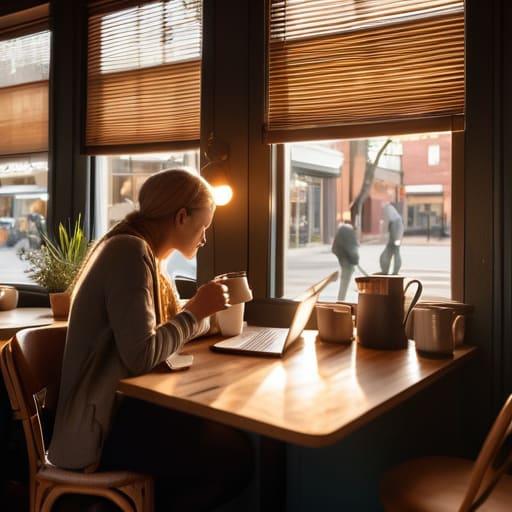
    I was sitting in a modern, glass-fronted shop downtown yesterday, watching a young man tap furiously at a laptop while sipping a drink that looked more like a chemistry experiment than a beverage. It struck me how much we’ve lost. People talk about coffee house culture as if it’s a frantic race to find the fastest Wi-Fi or the most Instagrammable foam, but that isn’t culture at all; it’s just efficient consumption. To me, a true cafe shouldn’t feel like a sterile office or a high-speed transit hub. It should feel like a sanctuary where the steam from your cup carries a bit of magic and the world outside is allowed to fade into a soft, distant blur.

    I’m not here to give you a list of the trendiest spots or tell you which bean was harvested by moonlight. Instead, I want to share how to find those rare, quiet corners where the light is low and the conversation is meaningful. I’ll guide you through the art of reclaiming your time, teaching you how to seek out spaces that actually honor the ritual of a slow afternoon. Let’s rediscover what it means to truly sit, listen, and stay a while.

    Table of Contents

    The Third Place Concept Finding Solace in Shared Spaces

    The Third Place Concept Finding Solace in Shared Spaces

    I’ve always been fascinated by how certain rooms seem to hold more than just furniture and patrons; they hold a specific kind of energy. In my years working with archives, I learned that every space has a history, but it’s the social dynamics of coffee shops that truly breathe life into them. Sociologists often refer to this as the third place concept, a vital sanctuary that exists between the demands of the office and the solitude of the home. It is that rare, neutral ground where the hierarchy of the world seems to soften just a little.

    When I sit in a corner booth, I’m not just looking for a caffeine fix; I’m looking for a sense of belonging without the obligation of conversation. There is a profound comfort in being “alone together”—surrounded by the soft clinking of ceramic and the low murmur of neighbors, yet perfectly content in one’s own company. Whether it’s the shared nod between regulars or the quiet rhythm of a stranger reading the paper, these spaces provide a communal heartbeat that keeps our modern, isolated lives from feeling quite so hollow.

    Specialty Coffee Movement Savoring the Details in Every Cup

    Specialty Coffee Movement Savoring the Details in Every Cup

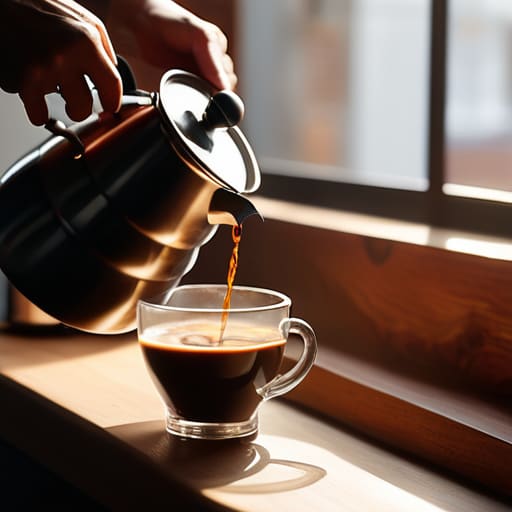
    I remember when a cup of coffee was merely a bitter, steaming necessity to get through a morning of filing records. But lately, I’ve found myself drawn to the quiet revolution of the specialty coffee movement, where the process is treated with the same reverence I once gave to preserving a delicate manuscript. There is a deliberate, almost meditative quality to watching a barista weigh beans or monitor a pour-over. It isn’t just about the caffeine; it’s about the intentionality of the craft.

    When I sit in these modern spaces, I notice how the focus has shifted from mere consumption to a deep appreciation of origin and nuance. You can almost taste the history of the soil in a single sip. This shift has subtly influenced the neighborhood cafe atmosphere, moving away from the frantic energy of old diners toward something much more composed. I find myself pulling out my notebook, not just to sketch the window frames, but to linger over the complex notes of jasmine or stone fruit that a well-made brew reveals. It’s a reminder that some things simply cannot be rushed.

    The Art of Lingering: Five Ways to Truly Inhabit a Space

    • Leave the frantic pace at the door. When you step inside, resist the urge to pull out your phone immediately. Instead, take a moment to let your eyes adjust to the lighting and let the room settle around you.
    • Seek out the corners. There is a particular kind of peace found in a booth tucked away from the main thoroughfare. Find a spot where you can observe the ebb and flow of the room without feeling like part of the current.
    • Listen to the room’s rhythm. Every cafe has its own soundtrack, whether it’s the rhythmic hiss of the milk steamer or a soft jazz record spinning in the background. Treat these sounds as the texture of your evening rather than mere noise.
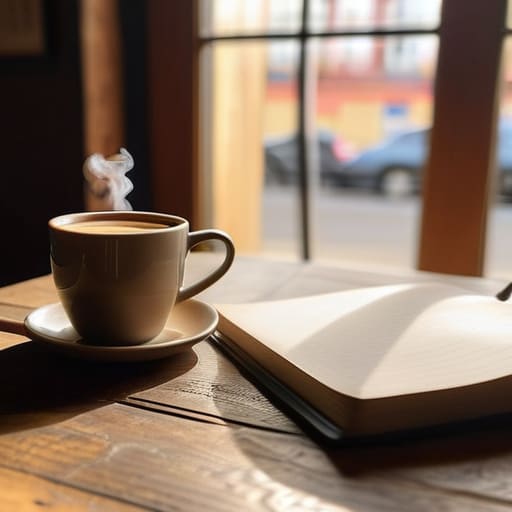
    • Carry something tactile. I always bring my notebook to sketch the molding or the way the light hits a ceramic mug. Having something in your hands that isn’t a screen invites you to engage more deeply with your surroundings.
    • Practice the slow sip. Don’t treat your coffee as fuel to be consumed on the way to something else. Treat it as a companion. Let the warmth of the cup and the complexity of the roast be the centerpiece of your pause.

    The Quiet Lessons of the Cafe

    Real connection isn’t found in the rush of a transaction, but in the shared stillness of a space that allows you to simply exist alongside others.

    True quality requires a willingness to slow down; whether it is the notes in a roast or the melody in the background, the best things reveal themselves only to those who linger.

    A coffee house serves as a vital sanctuary for the soul, offering a necessary pause from the noise of the world to help us reclaim our own sense of rhythm.

    The Rhythm of the Room

    “A coffee house isn’t just a place to fuel up for the morning rush; it’s a sanctuary of soft edges, where the clink of a ceramic spoon and the low murmur of strangers create a sort of communal stillness that the modern world has all but forgotten.”

    Petra Lindgren

    The Quiet After the Last Sip

    The Quiet After the Last Sip coffee.

    As I sit here, closing my notebook and watching the steam rise from my cooling mug, I’m reminded that coffee houses offer us much more than a simple caffeine fix. We’ve talked about the necessity of these “third places” to anchor our social lives, and how the craft of the specialty movement forces us to slow down and respect the nuance of a single bean. Whether it is the communal warmth of a shared table or the solitary peace found in a corner booth, these spaces act as a vital buffer between the rush of our responsibilities and the stillness of our homes. They are, quite simply, the anchors of our urban rhythm.

    My advice to you is this: don’t just walk through these doors to check a box or grab something to go. Instead, leave your phone in your pocket and allow yourself to truly inhabit the space. Listen to the hiss of the milk steamer, watch the way the afternoon light hits the wood grain, and let the atmosphere settle into your bones. In a world that demands we move faster every single day, there is a profound, quiet rebellion in choosing to stay a while. Go find a dim corner, order something made with care, and just be present.

    Frequently Asked Questions

    How can one find a truly quiet corner in a busy shop when the world seems to be getting louder and faster every day?

    It’s a challenge, isn’t it? I’ve found that the secret lies in the periphery. Don’t aim for the center of the room where the steam wand screams and the chatter peaks. Instead, look for the alcoves—the small, shadowed nooks near the back or tucked behind a bookshelf. I often bring my notebook and seek out those slightly worn, velvet chairs in the corners. If you find a spot where the light is soft and the hum becomes a melody rather than a roar, you’ve found your sanctuary.

    Is there a way to support these local sanctuaries without feeling like I'm intruding on someone else's solitude?

    It’s a delicate balance, isn’t it? I often feel the same way, sitting with my notebook in a corner. My rule is simple: treat the space with the same reverence you’d give a quiet library. Buy your drink, find your nook, and let the atmosphere do the rest. You aren’t an intruder; you’re part of the living texture of the room. Your quiet presence, as long as it’s respectful, actually helps sustain the very stillness you’re seeking.

    Beyond the caffeine, what can we do to preserve the character of these spaces as they become more polished and modern?

    We must resist the urge to smooth over the cracks. As these spaces modernize, we should champion the “imperfect” elements—the creaky floorboards, the mismatched chairs, and the local art that hasn’t been curated by a corporate committee. I find that patronage is our best tool; choose the shop that values a lingering conversation over a high turnover rate. Let’s protect the soul of the room, not just the efficiency of the service.

  • The Impact of Live Theatrical Performances

    The Impact of Live Theatrical Performances

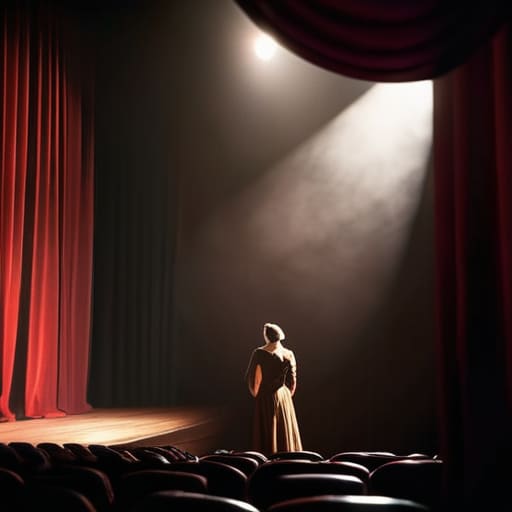
    I remember sitting in the back row of a drafty community playhouse thirty years ago, the smell of floor wax and old velvet heavy in the air, watching a single spotlight catch a performer’s tear. It wasn’t a grand Broadway spectacle; it was just a moment of raw, unpolished truth. Nowadays, I see people treating theatrical performances like a checkbox on a social calendar—something to be rushed through, photographed for a quick thrill, and forgotten before the intermission. We’ve lost the ability to simply sit in the dark and let a story settle into our bones, trading genuine connection for the hollow prestige of a high price tag.

    I’m not here to sell you on the glitz or the overpriced programs. My goal is to help you find the soul beneath the stagecraft, focusing on the experiences that actually stay with you long after the house lights come up. I’ll share what to look for in a production, how to appreciate the quiet nuances of a set, and how to turn an evening at the theater into a meaningful pause in a world that refuses to slow down.

    Table of Contents

    The Quiet Soul of Stagecraft and Scenography

    The Quiet Soul of Stagecraft and Scenography.

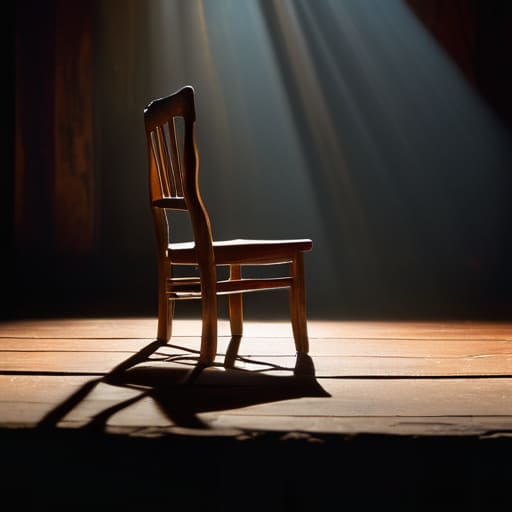
    I’ve spent a lifetime cataloging the tangible—ink on parchment, the weight of a heavy ledger—but nothing quite compares to the ephemeral magic of a well-crafted set. When I sit in a darkened house, I find myself less interested in the grand spectacle and more drawn to the quiet soul of stagecraft and scenography. It is in the way a single, amber spotlight catches the grain of a weathered wooden chair, or how a shifting shadow suggests a world far larger than the stage itself. These aren’t just decorations; they are the silent narrators of the evening.

    To truly appreciate the depth of a production, one must look past the actors and notice the intricate elements of dramatic production working in the periphery. There is a profound, almost sacred discipline in how light and texture collaborate to build an atmosphere. I often find myself sketching the geometry of a set, trying to capture how a simple tilt of a backdrop can alter the entire emotional temperature of a scene. It’s a reminder that the most moving stories are often told through the subtle textures of the world we build for them to inhabit.

    Unfolding the Heart of Theatrical Storytelling Methods

    Unfolding the Heart of Theatrical Storytelling Methods.

    When I look back at the archives of the great houses, I realize that a play is never just the words spoken by the actors. It is a delicate, breathing organism built from various theatre arts disciplines that must work in perfect, silent unison. There is a specific kind of magic that happens when a performer’s breath meets the precise moment a spotlight shifts, or when the silence between lines becomes heavy with unspoken meaning. These theatrical storytelling methods aren’t just technical choices; they are the ways we bridge the gap between the scripted page and the raw, beating heart of the audience.

    To truly understand the weight of a scene, one must appreciate how the different elements of dramatic production weave together to create an atmosphere. It’s in the way a costume carries the history of a character, or how the pacing of a movement can make time itself feel like it’s slowing down. I often find myself sketching the way a shadow falls across the stage, realizing that the unseen layers of craft are often what stay with us long after the final bow. It is this intentionality that turns a simple evening into something profound.

    How to Truly Listen When the House Lights Dim

    • Arrive early enough to sit in the stillness of the empty house. There is a specific, heavy kind of magic in a theater before the actors arrive; it’s a moment to settle your own thoughts so you don’t bring the rush of the street into the performance.
    • Put the phone away—and I don’t just mean on silent. The blue light of a screen is a thief that steals the atmosphere. Let the darkness be absolute so that your eyes can learn to find the actors in the shadows, just as they intended.
    • Watch the hands, not just the faces. In my years archiving old films and plays, I’ve learned that a person’s soul often reveals itself in the way they hold a prop or the tension in their fingers, long before they ever utter a line of dialogue.
    • Don’t be afraid to feel the discomfort. The best theater isn’t always a warm embrace; sometimes it’s a sharp, cold realization. If a scene makes you want to look away, stay seated. That friction is often where the most profound truths reside.
    • Stay for the silence after the final curtain. Don’t rush for the exit the moment the lights come up. Sit for a minute in that collective exhale of the audience; that shared, quiet resonance is the part of the evening that actually stays with you.

    The Lessons We Carry Home

    Don’t look at a play as a mere distraction; look at it as a study of how light and shadow can tell a story more deeply than any spoken word.

    True connection happens in the pauses—the moments where the silence between the actors allows the weight of the story to actually settle in your chest.

    Allow yourself the luxury of being moved; in a world that demands we always move faster, the theater is our permission to finally sit still and feel.

    The Weight of the Final Bow

    “A truly great performance isn’t found in the loud crescendos or the grand gestures; it’s found in that heavy, breathless silence right before the curtain falls, when you realize you’ve forgotten the world outside the theater entirely.”

    Petra Lindgren

    The Echo in the Silence

    The Echo in the Silence on stage.

    As the house lights slowly rise and the final notes of the orchestra fade into the rafters, we are left with more than just a memory of a plot or a clever line of dialogue. We carry away the weight of the scenography, the intentionality of the lighting, and the raw, unscripted breath of the actors. To truly appreciate a performance is to recognize that it is a delicate tapestry woven from both the grandest gestures and the smallest, most quiet details. Whether it is the way a shadow falls across a lonely stage or the rhythmic cadence of a monologue, these elements work in concert to build something that transcends the mere spectacle of the night.

    I often find myself sitting in my study long after I’ve returned home, staring at my sketches and wondering why certain moments refuse to leave my mind. It is because theater, at its best, demands that we stop rushing through our lives and simply exist alongside the story. It asks us to be present, to be still, and to let the art settle into our bones. So, the next time you find yourself drawn to the curtain call, don’t just watch the play—let it change the way you see the world once you step back out into the streetlights.

    Frequently Asked Questions

    How can one truly appreciate the subtle nuances of a performance when the theater itself feels so overwhelming or loud?

    I understand that feeling—the sheer scale of a theater can sometimes feel like it’s shouting at you. When the room feels too vast or the energy too loud, I find it helps to find a small, fixed point. Don’t try to swallow the whole production at once. Instead, pick one thing: the way a single spotlight catches a character’s hand, or the texture of a costume. Focus on that small detail, and the noise will eventually fade into the background.

    Is there a way to find the deeper meaning in a play without having to study the history behind it beforehand?

    You don’t need a library card to feel a play’s pulse. Honestly, sometimes too much research can act like a veil between you and the raw emotion on stage. Instead, just lean into the silence between the lines. Watch how the light catches a character’s expression, or listen to the rhythm of their breathing. If you let yourself simply sit in the darkness and observe, the meaning will find you. Trust your own senses.

    Where does one go to find those smaller, more intimate performances that allow for a bit of quiet reflection?

    You won’t find these moments in the grand, gilded halls of the major playhouses. Instead, look for the basement theaters and the converted storefronts—the places where the air feels heavy with history and the seating is cramped. I often find myself drawn to those small, independent black-box spaces tucked away on side streets. They lack the polish of a Broadway stage, but they offer something much more precious: a sense of shared, quiet breathing.

  • Exploring Significant Architectural Landmarks

    Exploring Significant Architectural Landmarks

    I remember sitting in the back corner of a dim jazz club in Detroit last autumn, the smell of old mahogany and rain-dampened wool hanging in the air. I wasn’t looking at the stage; I was tracing the heavy, Art Deco molding above the bar with my eyes, feeling the weight of the decades pressed into the plaster. People often treat architectural landmarks like items on a checklist—something to be photographed in a hurry and checked off a digital list—but that’s a hollow way to live. When we rush past these structures just to say we’ve seen them, we miss the quiet conversation between the stone and the city.

    I’m not here to give you a dry lecture on blueprints or a list of overpriced tourist traps that lack a soul. Instead, I want to show you how to actually see these places. I’ll be sharing my personal observations on how to find the character in the shadows and the history in the textures that most people walk right past. We’re going to look for the landmarks that actually demand a moment of your time, focusing on the intentional beauty that lingers long after you’ve stepped back out into the street.

    Table of Contents

    Tracing the Monumental Building Significance in Quiet Moments

    Tracing the Monumental Building Significance in Quiet Moments.

    I’ve often found that the true weight of a structure isn’t felt when you’re rushing past it on your way to a meeting, but in those solitary moments when the city finally begins to settle. I remember sitting on a weathered bench near the old district last Tuesday, watching the way the streetlamps caught the limestone edges of a nearby library. It’s in these pauses that you truly grasp the monumental building significance of our surroundings. These aren’t just piles of stone and steel; they are the anchors of our collective memory, standing firm while the frantic pace of the world shifts around them.

    When I look at the way our skyline has changed, I see more than just an urban landscape evolution. I see the layers of human ambition and the quiet struggle to make something permanent. Sometimes, I find myself sketching the heavy cornices of a pre-war building, thinking about the hands that carved them. There is a profound, quiet dignity in how these old giants hold their ground, reminding us that even in a world obsessed with the “new,” there is a sacred necessity in honoring the bones of the past.

    Where Modernist Architectural Movements Meet the Dim Light

    Where Modernist Architectural Movements Meet the Dim Light

    I often find myself standing at the edge of the glass-and-steel canyons just as the sun dips below the horizon. There is a specific, almost melancholic grace in how modernist architectural movements transition from the harsh clarity of daylight to the soft, amber glow of evening. When the shadows stretch, the rigid lines of a structure seem to soften, losing their clinical edge and gaining something much more soulful. It’s in these moments that the urban landscape evolution becomes visible; you can see the layers of history breathing through the concrete.

    I remember sketching a particularly sharp-angled facade last Tuesday, trying to capture how the light caught the edge of a cantilevered balcony. It wasn’t just about the geometry, though. It was about how the building seemed to hold the quiet of the street within its very frame. We often talk about the sheer scale of an iconic skyscraper design, but we rarely discuss how these giants dictate the rhythm of our nights. When the streetlamps flicker on, these monuments stop being mere obstacles of glass and start becoming silent sentinels of our shared history.

    How to Truly Listen to the Stones

    • Leave the map in your pocket for an hour. The best way to understand a landmark isn’t by checking off a list of dates, but by letting your feet find the rhythm of the street and seeing where the shadows naturally pull you.
    • Look up, but don’t just stare. I always find that the most profound stories are hidden in the cornices and the way a gargoyle catches the evening light; it’s in those small, intentional details that the architect’s soul actually resides.
    • Seek out the “blue hour.” There is a specific, fleeting moment just after sunset when the stone seems to lose its weight and begins to glow from within. It’s the perfect time to sit on a nearby bench and simply exist alongside the structure.
    • Bring a small notebook, even if you aren’t an artist. Sketching the curve of an archway or the texture of a column forces your eyes to slow down and actually process the geometry of the space rather than just glancing at it.
    • Find the quietest corner of the site. Every great landmark has a side street or a courtyard that the crowds overlook. That is where you’ll find the true character of the building, away from the noise and the rush of the modern world.

    The Lessons Left Behind in the Stone

    True architectural beauty isn’t found in a textbook or a guidebook, but in those quiet, unscripted moments when a building’s shadow catches your eye just right.

    We must learn to look past the grand scale of a monument and instead find the intimacy in its details—the texture of the brick, the way the light hits a corner, the soul of the craftsmanship.

    Slowing down to observe our surroundings allows us to connect with the layers of history that modern life so often tries to rush right past.

    The Soul Within the Stone

    “A landmark isn’t merely a triumph of engineering or a landmark on a map; it is a vessel for the quiet, collective memory of a city, standing still while the rest of the world rushes past in a blur.”

    Petra Lindgren

    The Last Note of the Evening
    The Last Note of the Evening cityscape.

    As the sun dips below the skyline and the shadows stretch long across the pavement, we see these landmarks for what they truly are. They aren’t just feats of engineering or mere collections of stone and glass; they are the silent witnesses to our shared history. Whether it is the heavy, rhythmic weight of a neoclassical facade or the sharp, intentional lines of a modernist masterpiece, these structures provide a stage for our lives to unfold. We have explored how they hold the light and how they anchor our cities, reminding us that true permanence is found in the way a building makes us feel when the world finally slows down.

    I often find myself sitting on a weathered bench near a great archway, sketching the curves in my notebook while the city hums around me. It is in these quiet intervals that I realize we don’t need to rush toward the next destination. The beauty of an architectural landmark isn’t found in a guidebook or a quick photograph, but in the slow, intentional observation of its soul. So, the next time you find yourself walking through a familiar street, I urge you to look up. Stop, breathe, and let the architecture tell you its story. After all, the things that truly stay with us are the ones we took the time to actually notice.

    Frequently Asked Questions

    How can we learn to appreciate the history of a building without needing a formal degree in architecture?

    You don’t need a degree; you just need to stop rushing. When I walk past an old facade, I don’t look for technical terms. Instead, I look for the human traces—the way a stone step has been worn smooth by a century of footsteps, or how the light catches a hand-carved lintel. Approach a building like a piece of music. Listen to its rhythm, notice its texture, and let it tell you its story.

    Are there specific times of day or lighting conditions that truly reveal the soul of these older structures?

    It’s always the blue hour for me—that fleeting moment just after sunset when the sky turns a deep, bruised indigo. The shadows stretch long and soft, blurring the harsh edges of the stone. Or, if you’re feeling particularly patient, try the early morning fog. There’s something about the way a damp, gray light clings to old masonry; it makes the buildings feel less like static objects and more like living, breathing witnesses.

    How do we balance the need to preserve these historic landmarks with the constant, rushing demand for modern development?

    It’s the great tension of our time, isn’t it? We’re so hungry for the new that we often treat the old as mere obstacles. But preservation shouldn’t be about freezing a city in amber; it’s about integration. We must find ways to weave the new into the existing fabric, ensuring a glass tower doesn’t silence the history of the brickwork beside it. We owe it to our future selves to keep the soul intact.

  • The Rise of Poetry Slams and Spoken Word

    The Rise of Poetry Slams and Spoken Word

    I remember sitting in the back of a dimly lit basement lounge last Tuesday, the air thick with the scent of old paper and damp brick, watching a young woman step up to a microphone that looked far too large for her. There is a specific, heavy kind of silence that precedes poetry slams—a tension that hangs in the air like the pause between jazz notes. It isn’t the polished, sterile performance you see on television, and it certainly isn’t the academic, stuffy recitation I used to encounter in the university archives. It is raw, sometimes uncomfortably so, and it carries a visceral weight that most modern entertainment seems to have forgotten how to replicate.

    I’m not here to give you a lecture on meter or rhyme schemes, nor am I interested in the pretension that often clings to the literary world. Instead, I want to share what I’ve learned from years of observing these quiet, electric gatherings from the shadows of the room. I promise to guide you through the real soul of the experience, helping you navigate the noise to find those rare moments of genuine connection that stay with you long after the last poet has left the stage.

    Table of Contents

    Mastering Rhythmic Verse Delivery in the Dim Light

    Mastering Rhythmic Verse Delivery in the Dim Light

    Watching a poet navigate the stage is much like watching a jazz soloist find their pocket; it isn’t just about the words, but the space between them. To truly master rhythmic verse delivery, one must learn to treat silence as an instrument. I’ve sat in many dimly lit basements watching performers struggle because they rushed to fill every second with sound. But the greats? They understand that a well-timed pause can carry more weight than a shouted stanza. It’s about finding that internal metronome that breathes with the room, allowing the cadence to settle into the listener’s chest.

    This mastery often comes down to subtle slam poetry performance techniques that have more to do with the body than the voice. It’s in the way a hand rests on a table or how a gaze lingers on a single face in the crowd. You see, a strong stage presence isn’t about being the loudest person in the room; it’s about commanding the stillness. When a performer aligns their breath with the natural pulse of their poem, the distinction between the speaker and the listener begins to blur, leaving only the resonance of the story behind.

    The Art of Stage Presence for Poets

    The Art of Stage Presence for Poets.

    It isn’t just about the words on the page, though those are the foundation. When a poet steps into that narrow circle of light, they are engaging in a form of oral tradition in modern literature that feels as ancient as the stories told around a campfire. I’ve sat in many dim rooms watching this unfold, and I’ve learned that the most captivating performers aren’t necessarily the loudest. They are the ones who understand that stage presence for poets is built in the silences—the way they hold a gaze or let a heavy line settle into the room before moving on.

    There is a certain vulnerability required to stand there, stripped of the safety of a desk or a screen. You see it in the way a seasoned performer uses their hands to shape the air, or how they lean into the microphone to create an intimacy that feels almost private, despite the crowd. While some might focus solely on the strict spoken word competition rules, the true masters focus on the connection. They aren’t just reciting; they are inviting us to inhabit their world for a few fleeting minutes.

    Small Truths for the Quiet Observer

    • Don’t fear the silence. In my years among the archives, I learned that the space between the records is just as important as the records themselves; in a slam, let your words breathe, and don’t rush to fill every gap just because the room feels heavy.
    • Listen with more than your ears. A true poet isn’t just reciting; they are reading the room, feeling the shift in the air when a line hits home, and adjusting their tempo to the collective heartbeat of the crowd.
    • Honor the vulnerability. It’s easy to hide behind clever metaphors, but the poets who truly stay with me are the ones who step into the light with nothing but a raw, unvarnished truth and the courage to let it be seen.
    • Respect the ritual of the mic. Treat the stage like a sacred space—not with stiffness, but with a quiet reverence for the fact that for a few minutes, you are the only voice that matters in that dim, smoky corner of the world.
    • Find the rhythm in the imperfection. Some of the most moving performances I’ve witnessed weren’t the ones that were technically flawless, but the ones where the poet’s voice cracked or stumbled, proving that the human element is far more vital than a polished delivery.

    The Echoes That Remain

    Don’t just recite words; find the rhythm in the silence between them, allowing the weight of a phrase to settle in the room before moving on.

    Presence isn’t about grand gestures, but about the quiet, steady connection you forge with the shadows and the souls listening in the dark.

    Approach the stage with the same reverence one might bring to a vintage record—treat every syllable as a deliberate choice that deserves to be heard.

    The Weight of a Single Word

    A poetry slam isn’t just a competition; it’s that breathless moment when the room stops being a collection of strangers and becomes a single, listening heart, waiting to see if the next line will finally give voice to something we’ve all been too busy to say.

    Petra Lindgren

    The Resonance After the Mic Drops

    The Resonance After the Mic Drops.

    As I sit here in the back of the room, watching the last few shadows stretch across the floor, I’m reminded that a great slam isn’t just about the technicalities we discussed. It isn’t merely the precision of a rhythmic cadence or the calculated command of a stage; it is the way those elements coalesce to create a moment of unfiltered truth. We’ve looked at how the delivery and the presence work together, but the real magic happens in the space between the words. When a poet masters that delicate balance, they aren’t just performing; they are inviting us into a shared, vulnerable silence that most of our modern, hurried lives simply don’t allow for.

    I often find myself sketching the way the light hits the podium long after the poets have gone home, thinking about what actually remains. We spend so much of our lives rushing toward the next thing, but these evenings teach us the value of staying put. Whether you are the one holding the microphone or the one sitting quietly in the dim light with a notebook, I hope you remember to listen with your whole heart. Don’t just walk away when the applause fades; carry the echo with you. After all, the most beautiful things in this life are the ones that refuse to be rushed.

    Frequently Asked Questions

    How do you find the courage to step into that spotlight when the room is so heavy with expectation?

    It’s a heavy feeling, isn’t it? That weight in the air right before you speak. I’ve found that the secret isn’t to fight the expectation, but to lean into it. I usually take a moment to look at the grain of the wooden stage or the way the light catches a glass on a nearby table. Ground yourself in the physical room. Once you realize the audience is just looking for a connection, the spotlight feels less like a judge and more like a shared warmth.

    Is there a way to appreciate the raw emotion of a performance without losing oneself in the noise of the crowd?

    It’s a delicate balance, isn’t it? I’ve found that the trick is to find a single anchor—a particular cadence in the poet’s voice or the way the light catches the dust motes in the room. If you focus on the breath between the words rather than the roar of the applause, the crowd becomes mere texture. Let the noise be the ocean, but keep your eyes on the lighthouse. That’s where the truth lives.

    For those of us who prefer the quiet of a library, how do we transition into the more visceral, loud energy of a slam?

    I understand that hesitation. For someone used to the hallowed, dust-mote stillness of an archive, a slam can feel like a physical assault. Don’t try to fight the noise; instead, treat it like a new kind of text. Look for the rhythm in the shouting, the meter in the applause. Find one person in the crowd whose energy mirrors your own, and let their pulse guide you. You aren’t losing the quiet; you’re just finding its louder cousin.

  • How to Enjoy Visiting Museums

    How to Enjoy Visiting Museums

    I remember standing in the middle of a grand gallery last autumn, surrounded by a crowd that seemed more interested in capturing the perfect, filtered photograph than actually looking at the art. There was a frantic, buzzing energy in the air—people checking their watches, rushing from one masterpiece to the next as if they were completing a grocery list. It felt less like a cultural pilgrimage and more like a race. Most of the standard museum visiting tips you’ll find online tell you how to optimize your route or save a few dollars on admission, but they completely ignore the most important part: how to actually feel the weight of the history standing right in front of you.

    I’m not here to help you “conquer” an exhibit or check off a list of famous names. Instead, I want to share a few quiet, practical ways to reclaim your time and your attention. My goal is to offer you a different set of museum visiting tips—the kind born from forty years of handling delicate archives and wandering through silent halls. We’re going to talk about how to find the soul of a collection and how to ensure that when you finally walk out those heavy doors, the experience actually stays with you.

    Table of Contents

    Finding Stillness Best Times to Visit Museums

    Finding Stillness Best Times to Visit Museums

    There is a particular kind of loneliness in a crowded gallery that I’ve always found quite jarring. When you are shoulder-to-shoulder with a tour group, the art becomes mere background noise to the shuffle of feet and the hum of chatter. If you want to truly connect with a piece, you have to seek out the quiet. I’ve found that the best times to visit museums are almost always during the first hour of opening or, if the institution allows, the final hour before the doors close. There is a certain magic in that early morning stillness, where the light hits the marble just right and the air feels expectant.

    When the crowds do arrive, I suggest finding a bench in a less-traversed wing. It’s in these peripheral spaces that you can truly focus on maximizing your museum experience without feeling rushed. I often pull out my notebook during these lulls, sketching the way a shadow falls across a sculpture. It forces me to slow down and observe the nuances that most people miss in their hurry to check off a list.

    Maximizing Museum Experience Through Quiet Observation

    Maximizing Museum Experience Through Quiet Observation.

    Once you’ve found that quiet corner, the real work begins. I often find that people treat a gallery like a checklist, rushing from one masterpiece to the next as if they’re racing against a clock. But if you truly want to focus on maximizing your museum experience, you have to learn the art of the long stare. I like to pick a single piece—perhaps a landscape with heavy brushwork or a portrait with a haunting gaze—and simply sit with it. Don’t worry about what the plaque says right away. Let the colors settle into your eyes first.

    When you finally do turn to the text, don’t just skim for dates and names. I’ve spent years learning how to read museum labels as a way to deepen the conversation with the artist, rather than just collecting facts. Look for the small details the curator highlighted—the choice of pigment or the historical context of a single gesture. It’s a slow, deliberate process, much like listening to a complex jazz composition. If you rush, you miss the nuance; if you linger, the art starts to speak back.

    The Art of Noticing: How to Truly Engage with a Collection

    • Leave the map in your pocket for a while. It is far too easy to treat a museum like a checklist to be completed, but the real magic happens when you allow yourself to get lost. Pick a wing that calls to you and let your feet decide where the evening goes.
    • Bring a small notebook, much like the one I carry. When a particular sculpture or a stroke of oil paint catches your eye, don’t just snap a hurried photo on your phone. Sit for a moment and try to sketch the lines or jot down how the light hits the surface. It forces a level of intimacy that a digital lens simply cannot capture.
    • Listen to the silence between the footsteps. Museums have a specific acoustic—a heavy, respectful hush that most people ignore in their rush to the next exhibit. If you stop moving and just listen, you begin to feel the weight of the history surrounding you.
    • Don’t be afraid to stand in front of a single piece for ten minutes. There is a strange, modern pressure to see everything, but I have always found that seeing one thing deeply is worth more than seeing a thousand things superficially. Let the details sink in until the image stays with you.
    • Read the labels, but read them slowly. I used to spend my days archiving these very records, and I can tell you that the stories tucked into those small placards are the soul of the collection. Treat each description like a short story, and let it color your perception of the object before you.

    The Quiet Essentials for a Meaningful Visit

    Resist the urge to see everything; it is far better to let three pieces truly speak to you than to skim a hundred without feeling a thing.

    Bring a small notebook to jot down a single thought or a quick sketch, as the act of writing helps anchor a fleeting moment into a lasting memory.

    Treat the museum like a jazz set—don’t rush to the crescendo, but instead find the rhythm in the silence and the beauty in the slow transitions between rooms.

    The Art of Lingering

    A museum isn’t a checklist to be completed before the doors lock; it’s a conversation with the past. If you find yourself rushing to see every room, you aren’t really seeing anything at all. Stop, find a bench, and let one single piece of history tell you its story.

    Petra Lindgren

    The Quiet After the Gallery Lights Dim

    As you prepare to step back out into the rush of the city, I hope you carry these small rituals with you. Remember that a museum isn’t a checklist to be completed or a series of boxes to be ticked off; it is a conversation between you and the past. By choosing the right hours to visit, seeking out the stillness of a quiet corner, and refusing to rush through the corridors, you transform a simple outing into something much more profound. We have spent so much of our lives trying to see everything at once, but true understanding only comes when we allow ourselves to linger on a single brushstroke or the way the light falls across a marble bust.

    Ultimately, the goal of a visit shouldn’t be to say you saw every room, but to find that one piece of history that makes your heart skip a beat. Life is often too loud and far too fast, but these spaces offer us a rare chance to reclaim our attention. Don’t be afraid to sit on a wooden bench for twenty minutes just to watch the shadows shift. In the end, it isn’t the scale of the collection that matters, but the depth of your connection to the details. Go slowly, stay curious, and let the beauty of the quiet things stay with you long after you’ve walked through the exit.

    Frequently Asked Questions

    Is it better to wander aimlessly or should I follow a specific map to avoid feeling overwhelmed?

    I’ve always found that a rigid map is just another way of rushing. When I was archiving, I learned that the most important details often hide in the margins, not the highlights. If you follow a strict itinerary, you’re just checking boxes. Instead, give yourself a loose direction, then allow yourself to wander. Follow a thread that catches your eye—a certain shade of blue or a curious silhouette—and let that lead you.

    How do I find those quiet, hidden corners when a museum is feeling a bit too crowded?

    When the crowds begin to press in, look toward the periphery. Most people gravitate toward the “star” exhibits in the center of the galleries, creating a sort of frantic orbit. I’ve found that if you slip into the smaller, secondary rooms—the ones tucked away behind the grand staircases—the air changes instantly. Seek out the alcoves or the dimly lit corners near the exits. That’s where the museum finally begins to breathe.

    Are there certain types of exhibits or galleries where I should spend more time sitting and reflecting?

    I’ve always found that the grand, sweeping landscapes or those heavy, textured oil portraits demand a bit more patience. Don’t just glance and move on. Find a bench near the works that feel “heavy” to you—the ones where the lighting seems to pull you in. Sit there. Let your eyes wander from the brushstrokes to the shadows. Some pieces aren’t meant to be seen; they’re meant to be felt, slowly.

  • The Importance of Traditional Folk Music

    The Importance of Traditional Folk Music

    I remember sitting in a drafty basement archive back in the nineties, surrounded by nothing but the scent of decaying paper and the low hum of a radiator. I had just pulled a collection of field recordings from a dusty crate, and as the needle hit the wax, the raw, unpolished sound of traditional folk music filled the small space. It wasn’t the clean, autotuned perfection you hear on the radio today; it was something much more visceral. It felt like a direct line to a person who had lived, suffered, and breathed a hundred years before I was even a thought.

    I’m not here to give you a dry lecture on musicology or a list of dates to memorize for a test. Instead, I want to share what these songs actually do to a person when you stop rushing and truly listen. I’ll guide you through the grit and the grace of the genre, helping you find the human heartbeat hidden within the melodies. We aren’t just looking for background noise here; we are looking for the songs that stay with you long after the lights go down.

    Table of Contents

    Indigenous Melodies and Rhythms That Stay With Us

    Indigenous Melodies and Rhythms That Stay With Us

    When I sit in a quiet corner of a dim club, listening to the low hum of the city outside, I often find myself thinking about the songs that existed long before the electricity arrived. There is a profound weight to indigenous melodies and rhythms that don’t just entertain, but seem to pull at something ancient buried deep in our bones. These aren’t just tunes; they are the echoes of people who understood that storytelling through song was the only way to make the fleeting moments of life permanent.

    I remember sketching the intricate woodwork of a small venue in the North, only to be interrupted by the sudden, haunting pull of a flute melody that felt like it was being exhaled by the building itself. It reminded me that much of our unplugged musical heritage survives not in textbooks, but in the breath and the hands of those who refuse to let the rhythm fade. There is a certain reverence required when these sounds fill a room—a necessity to put down the phone, stop the clock, and simply allow the history to settle around you like dust in a shaft of moonlight.

    Unplugged Musical Heritage in a Rushing World

    Unplugged Musical Heritage in a Rushing World

    In my years spent tucked away in archives, I’ve noticed how we tend to treat history like something that belongs behind glass—static and untouchable. But when you sit in a dimly lit room and hear a single acoustic guitar or a hand-carved flute, you realize that unplugged musical heritage isn’t a relic; it’s a living, breathing pulse. In a world that feels increasingly digitized and frantic, there is a profound, almost defiant power in these unadorned sounds. They demand that we stop scrolling and start listening to the space between the notes.

    There is a specific kind of magic in storytelling through song that a polished studio recording simply cannot replicate. It’s the slight crack in a singer’s voice or the rhythmic thrum of a wooden instrument that connects us to something primal. As we witness the constant evolution of folk genres, I find myself returning to these raw roots to find my bearings. We often forget that these melodies were once the only way a community held its memories together. To hear them now is to witness a quiet, beautiful resistance against the rush of the modern age.

    How to Truly Listen: Finding the Heart Beneath the Strings

    • Seek out the imperfections. In my years archiving old field recordings, I learned that the most beautiful moments aren’t the ones where the singer is pitch-perfect, but where you can hear the slight catch in their throat or the creak of a wooden chair. That’s where the humanity lives.
    • Put the phone in your pocket and let the room settle. Folk music isn’t background noise for a scrolling thumb; it’s a conversation. If you’re at a local session, try to just sit with the silence between the songs before the next melody begins.
    • Trace the lineage, not just the tune. When a melody strikes a chord in you, don’t just hum it—look into where it traveled. Understanding that a song migrated from a mountain valley to a coastal port adds a layer of weight to every note.
    • Pay attention to the instruments, not just the sound. There is a tactile reality to folk—the way a hand moves over a lute or the specific resonance of a hand-carved fiddle. If you can, find a venue where you can actually see the craftsmanship of the tools being used.
    • Listen for the stories being told, even if you don’t know the language. Even if the lyrics are foreign to your ears, the cadence of a lament or the driving rhythm of a dance tells a story of survival and joy that transcends words.

    The Echoes We Carry Home

    Folk music: The Echoes We Carry Home.

    Traditional folk isn’t just a collection of old songs; it is a living, breathing map of where we have been and the hands that shaped us.

    In an age of digital noise, the deliberate imperfection of an acoustic instrument serves as a necessary anchor for the soul.

    To truly listen to folk music is to practice the art of presence, finding beauty in the slow, unhurried spaces between the notes.

    The Echo in the Grain

    “Traditional folk music isn’t just a collection of old songs; it’s the sound of a community breathing through the centuries, a way of holding onto the truth of who we were before the world got so loud and hurried.”

    Petra Lindgren

    The Echoes We Carry Home

    As I sit here in the quiet of my study, the scratchy warmth of a worn record still humming in the background, I find myself thinking about how these melodies act as a thread through time. We’ve looked at how the deep, rhythmic pulse of indigenous songs keeps ancient spirits alive, and how the simple, unplugged nature of folk music offers a much-needed sanctuary from the relentless noise of our modern lives. These aren’t just songs; they are vessels of human memory, carrying the weight of our ancestors’ joys and sorrows directly into the present moment. To listen to folk music is to engage in a quiet act of preservation, ensuring that the raw, unvarnished truth of our shared history isn’t lost to the digital blur.

    I often wonder if we realize how much we need these pauses. In a world that demands we move faster, produce more, and consume instantly, traditional folk music asks us to do the opposite: to sit still, to listen closely, and to let the notes settle in our bones. My advice to you is simple—don’t just hear the music, let it change your tempo. Find a small corner, dim the lights, and allow yourself to be truly present with a melody that has survived centuries. When the music finally fades, I hope you find that you aren’t just left with silence, but with a deeper sense of belonging to something much larger than yourself.

    Frequently Asked Questions

    How can we tell the difference between a song that is truly part of a culture's heritage and one that has been polished too much for modern ears?

    It’s the friction that tells the story. When a song is polished for modern ears, the edges are sanded down; it becomes smooth, predictable, and perhaps a bit hollow. But true heritage? It carries a certain grit. You can hear it in the slight hesitation of a singer’s breath or a rhythm that doesn’t quite align with a metronome. If it feels a little uncomfortable, a little raw, or even a bit unpredictable, you’ve likely found the soul.

    Is there a way to support these musical traditions without turning them into something commercial or losing their original soul?

    It’s a delicate balance, isn’t it? To me, the answer lies in how we show up as listeners. We support these traditions best when we seek out the small, unpolished venues—the places where the music isn’t a product, but a conversation. Buy the record from the artist directly, sit in the front row, and listen with your eyes open. When we value the story behind the song more than the polish of the production, the soul stays intact.

    Where can a person go to find these sounds today without them feeling like a museum exhibit?

    You won’t find these sounds in a sterile gallery or behind a velvet rope. Instead, look for the dim corners of local listening rooms or small, independent folk festivals that prioritize the performer over the spectacle. Sometimes, it’s as simple as finding a neighborhood pub where a solo guitarist isn’t playing for a crowd, but for the room itself. Seek out the places where the music is allowed to breathe, uninterrupted and unpolished.

  • The Resurgence of Vinyl Record Collecting

    The Resurgence of Vinyl Record Collecting

    I remember sitting in a cramped, dust-moted basement in Ann Arbor back in ’78, the air thick with the scent of old paper and ozone. I wasn’t looking for a status symbol or a pristine investment piece; I was just looking for a way to make the world stop spinning so fast. There is a specific, heavy magic in the way a sleeve feels in your hands—a tactile connection to the artist that a digital file simply cannot replicate. To me, vinyl record collecting has never been about the pursuit of the rarest pressing or the most expensive gear to impress a stranger. It has always been about that singular, quiet moment when the needle finds the groove and the room finally settles into silence.

    I’m not here to sell you on some overpriced, audiophile-grade fantasy that requires a mortgage to maintain. Instead, I want to share what I’ve learned from decades of digging through crates and preserving the echoes of the past. I promise to guide you through the honest, unvarnished reality of building a collection that actually means something. We won’t focus on the hype, but on the soul of the sound and the joy of the hunt.

    Table of Contents

    Finding Your Sound Best Turntables for Beginners

    Finding Your Sound Best Turntables for Beginners

    When I first began my journey, I thought the most important thing was the music itself, but I quickly learned that the vessel matters just as much. You don’t need a sprawling, professional-grade analog audio equipment setup to start, but you do need something that respects the grooves. For those just stepping into this world, I often suggest looking toward something like an Audio-Technica LP60X. It’s reliable, straightforward, and won’t require a degree in engineering to operate. It allows you to focus on the texture of the sound rather than the frustration of a malfunctioning belt.

    If you find yourself with a bit more room in the budget, perhaps a Pro-Ject Debut Carbon might be your next step. It feels more substantial in the hands—a piece of machinery that demands a certain level of respect. As you begin finding the best turntables for beginners, remember that the goal isn’t to own the most expensive gear, but to find a machine that treats your records with care. After all, once you start grading vinyl records condition with your own ears, you’ll realize that a steady, well-calibrated needle is the difference between noise and true atmosphere.

    The Quiet Hunt Essential Record Store Hunting Tips

    The Quiet Hunt Essential Record Store Hunting Tips

    There is a specific kind of quiet that exists only in the aisles of a well-loved, dusty record shop. It isn’t a void of sound, but rather a heavy, expectant stillness. When I go out searching, I try to leave my internal clock at the door. You cannot rush a hunt like this; if you move too quickly, you’ll miss the subtle shimmer of a sleeve or the way a specific spine catches the light. My best record store hunting tips usually boil down to one thing: patience. Let your fingers do the work, flipping through the crates with a rhythmic, steady pace, feeling for the weight of a heavy press versus a flimsy reissue.

    As you dig, you must learn to look past the cover art. I often find myself pulling a sleeve out just to inspect the edges, practicing the art of grading vinyl records condition by eye before I even commit to the price. Is there ring wear? Are the corners softened by decades of improper storage? It is a tactile investigation. Sometimes, the most profound discoveries aren’t the flashy hits, but the worn, soulful copies that tell a story of a thousand previous listens.

    The Archivist’s Care: Preserving the Soul of the Groove

    • Treat your sleeves with respect. I’ve seen too many beautiful pressings ruined by paper sleeves that scratch the surface every time you pull them out. Invest in a pack of high-quality, anti-static inner sleeves; it’s a small cost to protect the history you’re holding.
    • Learn the art of the gentle clean. You’ll find dust and old fingerprints on almost everything you pull from a bargain bin. A dedicated carbon fiber brush is your best friend for daily maintenance, but for those deeper, grimy finds, a bit of specialized cleaning solution can bring a dead record back to life.
    • Mind your storage geometry. Records are heavy, and they have a memory. Never stack them vertically like a pile of loose papers—this leads to warping and “ring wear” on the jackets. Store them upright, side-by-side, like books on a shelf, to let them breathe and stay true.
    • Listen to the silence between the tracks. When you’re evaluating a used record, don’t just listen to the music. Listen to the surface noise. Is it a light, comforting hiss, or is it a rhythmic thumping that tells you the disc is gouged? Knowing the difference helps you decide if a find is a treasure or a heartbreak.
    • Avoid the temptation of the “quick fix.” It’s easy to get caught up in the rush of a new acquisition, but I’ve learned that a record deserves a moment of stillness. Don’t just toss it on the platter and walk away. Set the needle, dim the lights, and let the physical presence of the music settle into the room.

    The Lessons Left in the Grooves

    Don’t let the pursuit of perfection ruin the experience; a few scratches on a well-loved sleeve often hold more character than a pristine, untouched pressing.

    Invest in your ears before your wallet, learning to listen to the nuances of the music so you can recognize a true treasure when it finally surfaces in a dusty bin.

    Treat the ritual as a sanctuary, remembering that the goal isn’t just to own a collection, but to create a space where time actually feels like it’s standing still.

    The Weight of a Moment

    A digital file is a ghost that vanishes the moment you close your eyes, but a record is a physical presence; it demands you sit, it demands you listen, and it rewards you with the beautiful, imperfect crackle of a life actually being lived.

    Petra Lindgren

    The Last Groove

    Finding music through The Last Groove.

    As you begin this journey, remember that it isn’t merely about the hardware or the hunt. We have talked about selecting a turntable that respects the integrity of the sound and the patience required to sift through the dusty bins of a local shop, but those are just the mechanics of the craft. The true essence lies in the connection you build between the sleeve in your hands and the music in the air. Whether you are chasing a rare jazz pressing or simply building a library of the songs that shaped your youth, focus on the quality of the experience rather than the size of the collection. It is about finding those specific pieces that make the room feel a little more complete.

    In a world that seems increasingly determined to move faster, to digitize everything into a seamless and soulless stream, choosing vinyl is a quiet act of rebellion. It is a commitment to slowing down and honoring the physical weight of art. I often find myself sitting in the dark, watching the shadows dance against the wall as a record spins, and I realize that these are the moments that actually endure. Don’t just collect records; collect moments of stillness. Let the music breathe, let the needle find its way, and most importantly, allow yourself the grace to truly listen.

    Frequently Asked Questions

    How do I tell the difference between a well-preserved vintage pressing and one that's been played too many times?

    You have to rely on more than just your eyes; you must use your hands and your ears. When you’re browsing, hold the disc up to a soft light—look for those deep, spiderweb scratches that catch the glare. But the real truth is in the silence between tracks. If you hear a constant, rhythmic “pop” or a surface hiss that drowns out the delicate brushwork of a drum kit, that record has lived too much life.

    Is it worth investing in high-end cleaning kits right away, or should I start with something simpler?

    Don’t rush into the expensive, specialized machinery just yet. When I first started, I thought I needed every gadget known to man, but truth be told, a gentle carbon fiber brush and a bit of patience go a long way. Start with the basics to keep the dust at bay. Once you’ve fallen in love with a particular pressing—the kind that makes you sit still for an hour—then you can justify the heavy-duty cleaning.

    How much space should I actually set aside for a collection before it starts feeling like clutter rather than a curated archive?

    It’s a delicate balance, much like the archives I used to manage. A collection becomes clutter when you stop listening to the music and start merely managing the inventory. I’ve found that if you can’t glance at a sleeve and feel a specific connection to the artist or the moment, you’ve crossed the line. Curate for the soul, not the shelf; keep only what demands your attention when the needle drops.

  • Understanding Modern Art Movements

    Understanding Modern Art Movements

    I remember sitting in a drafty gallery in Chicago back in the late seventies, staring at a canvas that appeared to be nothing more than a series of aggressive, accidental splatters. A man in a sharp suit stood beside me, whispering grand theories about how these modern art movements were redefining the very fabric of human consciousness, but all I felt was a profound sense of being left out in the cold. It felt like a private club where the entry fee wasn’t money, but a specific, pretentious vocabulary that no one actually used in real life.

    I’m not here to feed you that academic jargon or tell you that a blank canvas is a spiritual epiphany simply because a critic said so. Instead, I want to strip away the noise and look at these shifts through a much clearer lens. We are going to explore the actual soul of the movement—the why and the how—without the exhausting pretension. My promise to you is simple: we will find the genuine beauty in these transitions, focusing on what actually stays with you once you’ve stepped back out into the evening air.

    Table of Contents

    The Impact of Industrialization on Art and Pace

    The Impact of Industrialization on Art and Pace.

    I remember sitting in a small cafe in Chicago last autumn, watching the frantic, mechanical pulse of the city rush past the window. It struck me how much our collective rhythm changed when the steam engine and the assembly line took hold. The impact of industrialization on art wasn’t just about new subject matter; it was a fundamental shift in how we perceived time itself. Suddenly, the world wasn’t moving at the pace of a walking man or a horse-drawn carriage, but at the speed of steel and coal.

    As an archivist, I’ve spent years handling documents that trace this frantic acceleration. You can see it in the way artists began to react against the rigid, manufactured lines of the factory. There was a desperate need to reclaim something tactile and human. This tension eventually paved the way for the evolution of abstract expressionism, where the raw, unbridled movement of the artist’s hand served as a necessary rebellion against the cold precision of the machine. We moved from capturing the world as it looked to capturing how it felt to be caught in such a whirlwind.

    Post Impressionist Techniques for Finding Quiet Moments

    Post Impressionist Techniques for Finding Quiet Moments

    When I look at a Gauguin or a Van Gogh, I don’t see mere pigment on canvas; I see an attempt to capture the weight of a feeling. Unlike the fleeting glances of the Impressionists, the post-impressionist techniques of this era sought something more permanent, more structural. They weren’t just painting light; they were building a world out of color and deliberate, heavy strokes. There is a profound lesson there for us—a reminder that we don’t have to capture everything at once. Sometimes, you only need a few bold, intentional colors to convey the entire essence of a sunset or a quiet street corner.

    I often find myself sketching in my notebook, trying to mimic that sense of deliberate placement. It’s a way of practicing minimalism in modern aesthetics before the term even existed. By stripping away the unnecessary noise and focusing on the core emotional truth of a scene, these artists taught us how to find stillness. It’s about learning to see the geometry in a shadow or the rhythm in a landscape, allowing the details to settle in your mind long after you’ve turned out the lights.

    Lessons from the Canvas: How to Truly See Modern Art

    • Stop looking for a story and start looking for a feeling. When you stand before a piece of abstract expressionism, don’t ask “what is this supposed to be?” Instead, let the colors and the scale of the brushstrokes settle in your chest. Some things aren’t meant to be decoded; they are meant to be felt.
    • Give yourself the gift of the long stare. In my years in the archives, I learned that the most important details are often buried under layers of dust and time. The same goes for a complex canvas. Don’t just glance and move on; find a corner of the painting, a single line or a smudge of texture, and stay there for five minutes.
    • Embrace the tension of the unfinished. Much of modern art moved away from the polished perfection of the old masters, leaning instead into the raw and the spontaneous. Learn to appreciate the sketch, the visible stroke, and the intentional imperfection. There is a profound honesty in a work that doesn’t try to hide its own making.
    • Notice how the light plays against the medium. Whether it’s the thick, heavy impasto of a Fauvist painting or the translucent layers of a Cubist study, the way light hits the surface changes the entire conversation. If you can, visit a gallery during the “blue hour” of late afternoon; the shifting shadows can reveal a whole new dimension to the work.
    • Let the art dictate your pace, not the museum’s exit sign. We are often conditioned to treat galleries like grocery stores—efficiently ticking off boxes. I suggest you do the opposite. If a particular movement or a single painting makes you want to sit on the bench and just breathe, then stay. The most meaningful encounters with art happen when we finally stop rushing.

    Lessons from the Canvas

    Stop treating art like a checklist of movements to memorize; instead, look for the moments where the artist slowed down enough to capture something real.

    Use the bold, intentional strokes of the masters as a reminder to add more weight and presence to our own rushed, everyday lives.

    True appreciation requires a bit of stillness—you can’t feel the rhythm of a painting if you’re already halfway out the door.

    The Soul Beneath the Surface

    We often mistake the frantic energy of modern movements for a lack of depth, but if you sit with a canvas long enough—truly sit with it, past the initial shock of the color or the chaos of the line—you’ll find that these artists weren’t just breaking rules; they were trying to capture the same fleeting, fractured stillness that we all struggle to find in our own rushing lives.

    Petra Lindgren

    The Last Note of the Evening

    The Last Note of the Evening painting.

    As we look back at how these movements reshaped our world, it becomes clear that modern art wasn’t just about changing how we see a canvas, but about how we respond to a changing life. We’ve seen how the frantic pulse of industrialization pushed artists to react, and how the Post-Impressionists taught us to find a certain quietude within the chaos by focusing on light and emotion rather than mere accuracy. These movements serve as a reminder that even when the world feels like it is moving too fast, there is a way to anchor ourselves through the lens of intentionality and expression.

    I often find myself sitting in a dimly lit corner of a club, watching the way the shadows dance against the brickwork, and I realize that art is doing the exact same thing in our daily lives. It isn’t something you simply observe from a distance; it is something you inhabit. My hope is that you don’t just walk away from these history lessons with facts and dates, but with a renewed desire to notice the small, beautiful details that most people rush past. So, take your time tonight. Let the world blur at the edges, find your own rhythm, and see what truly lingers in your mind once the lights finally go down.

    Frequently Asked Questions

    How do we find the human element in art that feels so intentionally fragmented or abstract?

    It’s easy to feel alienated by a canvas that looks like a shattered mirror, but I’ve learned that abstraction isn’t an absence of humanity—it’s an invitation. Don’t look for a recognizable face; look for the tremor in a line or the weight of a color. Much like a jazz solo that wanders far from the melody, the “human” part is in the tension and the intent. Find the heartbeat in the chaos.

    Is it possible to appreciate the chaos of movements like Futurism without losing that sense of inner stillness I value so much?

    It’s a fair question. I often find myself staring at a Futurist canvas—all that frantic, jagged energy—and feeling a bit breathless. But I’ve learned that you don’t have to join the race to understand it. Think of it like a sudden, loud crescendo in a jazz set; the music is chaotic, yes, but you can remain the steady observer in the corner booth. Observe the movement, let it wash over you, but keep your footing.

    When looking at a piece of modern art, how do I know when to stop analyzing the technique and just let the feeling settle in?

    You’ll know you’ve reached that point when the “how” stops being louder than the “what.” If you find yourself mentally cataloging brushstrokes or debating color theory while the actual emotion of the piece begins to hum in your chest, stop. Close your notebook. Put down the mental magnifying glass. When the technique fades into the background and a specific memory or a quiet ache takes its place, that’s when the art has finally found you.

  • The Significance of Independent Film Festivals

    The Significance of Independent Film Festivals

    I remember sitting in a cramped, velvet-seated theater in a basement in Ann Arbor, the air smelling faintly of old dust and spilled popcorn. There was no red carpet, no flashing lights, and certainly no celebrity handlers—just the low hum of a projector and the collective breath of a crowd waiting to see something real. That is the true soul of indie film festivals, a feeling that seems to be getting lost under the weight of modern marketing and overpriced VIP passes. We’ve turned these celebrations of raw storytelling into polished, high-priced spectacles, forgetting that the magic usually happens in the shadows, not the spotlights.

    I’m not here to give you a glossy guide to the most expensive screenings or the trendiest after-parties. Instead, I want to help you navigate these festivals with a bit more intentionality. I’ll share what I’ve learned from years of seeking out the quiet corners of the arts, focusing on how to find the films that actually linger in your mind long after the credits roll. Let’s skip the hype and find the stories that are actually worth your evening.

    Table of Contents

    Finding Meaning in Cinematography and Storytelling

    Finding Meaning in Cinematography and Storytelling.

    There is a particular kind of stillness that settles over a room when a film truly begins to breathe. Unlike the polished, loud spectacle of a summer blockbuster, these smaller works rely on the delicate interplay of cinematography and storytelling to hold your gaze. I often find myself leaning forward in my seat, not because of a sudden explosion, but because of the way a single shadow falls across a character’s face or the intentional rhythm of a long, unbroken shot. It is in these quiet, unhurried moments that the real soul of a story resides.

    Watching these films feels like peering into a private journal. You aren’t just a spectator; you are a witness to a specific, unfiltered vision. By supporting underground cinema, we aren’t just consuming content—we are participating in a cultural exchange that honors the human condition in all its messy, unscripted glory. It’s a reminder that the most profound truths don’t need a massive budget to be felt; they just need a lens that isn’t afraid to look closely at the details we usually rush past.

    A Soulful Film Festival Circuit Guide

    A Soulful Film Festival Circuit Guide.

    If you’re looking to navigate the landscape, don’t treat it like a checklist of cities to conquer. Instead, think of it as a map of quiet, intentional gatherings. When I look for my next destination, I look for those smaller, regional hubs that prioritize intimacy over spectacle. These venues often serve as the primary heartbeat for supporting underground cinema, offering a space where the air feels thick with anticipation rather than the polished, hollow sheen of a Hollywood premiere. It’s in these smaller rooms that you truly feel the pulse of a new movement.

    As you plan your journey, keep an eye on the shifting arthouse cinema trends that define each season. Some festivals lean into the avant-garde, while others celebrate the grit of neo-realism. I find that the most rewarding experiences come from following the trail of emerging filmmakers who aren’t afraid to break the rules of traditional structure. It isn’t about seeing the most films; it’s about finding the one that makes the room go silent, leaving you with something to ponder long after you’ve stepped back out into the cool night air.

    Small Notes for a Slower Cinema Experience

    • Don’t chase the marquee names. The real magic usually happens in the smallest screening rooms, where the air feels heavy with anticipation and the film is something no one has ever heard of before.
    • Bring a physical notebook. There is something about the scratch of a pen on paper that helps you process a scene much better than a digital note ever could; I find it helps me remember the lighting long after the credits roll.
    • Embrace the silence of the crowd. In an age of constant noise, there is a profound, shared intimacy in sitting with strangers in a dark room, all of us breathing in sync as a story unfolds.
    • Stay for the Q&A, even if you’re tired. These are the moments where the art becomes human—where you hear the director speak about their struggles and realize that every frame was a labor of love.
    • Treat the festival like a ritual, not a checklist. Don’t rush from one screening to the next just to say you saw them; find a quiet corner, a good cup of coffee, and let the atmosphere of the festival settle into your bones.

    The Quiet Lessons of the Festival Circuit

    Don’t just watch the film; let the atmosphere settle. The magic of an indie festival isn’t just on the screen, but in the hum of the lobby and the shared silence of a crowd that actually cares about the story.

    Seek out the small, local screenings over the massive, commercial ones. It’s in those cramped, dimly lit independent theaters where you find the real heartbeat of cinema and the stories that stick to your ribs.

    Treat the experience as a slow ritual rather than a checklist. The goal isn’t to see every movie on the program, but to find the one film that makes you want to sit in a quiet corner afterward and just… think.

    The Texture of the Frame

    “A big-budget spectacle is designed to overwhelm you, but an indie film? That’s designed to meet you where you are. It’s in those quiet, unpolished moments—a flicker of light in a dark room or a silence that lingers just a second too long—that you actually find a piece of yourself reflected back.”

    Petra Lindgren

    The Afterglow of the Screen

    The Afterglow of the Screen at cinema.

    As the credits roll and the house lights slowly rise, you realize that an indie film festival is about much more than just a series of screenings. It is a deliberate gathering of stories that refuse to be polished away by a studio machine. We have looked at how the raw texture of cinematography can stir the soul and how choosing the right circuit can turn a weekend into a true cultural pilgrimage. Whether it is the way a single, unadorned shot lingers on a character’s face or the shared silence of a room full of strangers, these moments are the connective tissue of our shared human experience. It is in these small, unscripted details that we find the true heartbeat of cinema.

    I often find myself sitting in a darkened theater long after the film has ended, just letting the echoes settle. In a world that demands we move faster and consume more, there is a quiet rebellion in sitting still and truly witnessing someone else’s vision. Don’t just go to a festival to check a box or see what’s trending; go to be moved, to be challenged, and perhaps even to be a little bit lost. Let the films stay with you like a well-worn melody on a vintage record. After all, the most important part of the evening isn’t the movie itself, but the lingering shadow it leaves on your mind.

    Frequently Asked Questions

    How do I find the smaller, more intimate festivals that aren't overwhelmed by the industry crowds?

    You have to look past the glossy brochures. The big names are for the suits and the networking; I prefer the festivals tucked into university towns or coastal villages. Look for those listed in niche film journals or local arts councils rather than the major industry calendars. Often, it’s the ones with a modest website and a handful of local sponsors that offer the most honest connection between the screen and the soul.

    Is it worth attending these festivals alone, or is there a certain magic to experiencing them in a group?

    There is a particular kind of grace in going alone. I’ve often found that sitting in a darkened theater by myself allows the film to settle into my bones without the distraction of whispered commentary. You become a silent observer, much like when I’m archiving old records. However, there is a different, communal magic in the lobby afterward—that shared, electric hum of strangers debating a scene. Both have their place; it just depends on how much you want to talk.

    How can I best prepare myself to truly appreciate the pacing and nuance of independent films without feeling rushed?

    It’s about setting the stage before the projector even hums to life. Don’t treat a screening like a task to be checked off. Arrive early, find a seat where the light hits just right, and perhaps sit with a notebook for a moment. Most importantly, leave your phone in your pocket. To catch the nuance, you have to give the film your stillness. Let the silence settle in first.

  • An Introduction to Classical Music Appreciation

    An Introduction to Classical Music Appreciation

    I remember sitting in the back of a drafty conservatory hall forty years ago, clutching a program like it was a shield, terrified that I wouldn’t “get it.” There is this persistent, stifling myth that classical music appreciation requires a PhD or a certain pedigree of stiff-collared etiquette. People treat it like a museum exhibit—something to be studied through glass rather than felt in the chest. I spent my career archiving the past, but I learned early on that if you approach a symphony with the mindset of a scholar taking notes, you’ve already missed the point. You aren’t there to pass a test; you’re there to actually feel something.

    I’m not here to give you a lecture on music theory or a list of dates to memorize. My promise to you is much simpler: I want to show you how to stop rushing and start listening. We are going to strip away the pretension and focus on the intentional pause. I’ll share how to find the soul within the notes, helping you turn a simple evening at home into a meaningful encounter with sound that stays with you long after the final movement has faded.

    Table of Contents

    Finding Stillness in the History of Western Classical Music

    Finding Stillness in the History of Western Classical Music

    When I was working in the archives, I learned that a document is never just a piece of paper; it is a survivor of its time. The same holds true for the history of western classical music. To truly sit with a piece, you have to realize you aren’t just hearing notes, but the echoes of the centuries that shaped them. I find that understanding musical eras—the rigid elegance of the Baroque or the sweeping, turbulent emotions of the Romantic period—acts like a lens. It allows you to see the shadows behind the sound, turning a simple melody into a conversation with the past.

    I often find myself sketching the heavy molding of a concert hall while waiting for the conductor to take the podium. There is a specific kind of quiet that precedes a performance, a heavy, expectant stillness. When the musicians finally begin listening to orchestral compositions, they aren’t just playing; they are reconstructing a world. It isn’t about technical perfection for me anymore. It’s about finding that singular moment where the weight of history meets the present, and for a few minutes, the modern world simply ceases to exist.

    Learning the Art of Listening to Orchestral Compositions

    Learning the Art of Listening to Orchestral Compositions.

    I’ve often found that people approach a symphony much like they approach a crowded museum: they rush from one masterpiece to the next, glancing at the labels but never truly looking. To truly master the art of listening to orchestral compositions, you must learn to abandon that frantic pace. Instead of trying to grasp everything at once, try to isolate a single thread. Listen for the way the woodwinds dance around a heavy cello line, or notice how the brass swells like a tide. It isn’t about academic mastery; it’s about developing a sense of attentive presence.

    As you settle in, you might find it helpful to consider the instrumentation in symphonic works. There is a profound, tactile joy in hearing the friction of horsehair against string or the sharp, sudden breath of a flute. Don’t worry about how to analyze musical structures with mathematical precision; that’s a task for the textbooks. For us, the goal is simpler. We are looking for the way a melody carries the weight of a moment, turning a mere collection of sounds into something that lingers in the quiet long after the final note has faded.

    Small Rituals for a Deeper Listen

    • Put away the distractions. I’ve found that the music loses its teeth when we’re glancing at a glowing screen; give yourself the grace of a phone-free hour so the melody can actually take root.
    • Let yourself follow a single thread. Don’t feel pressured to understand the whole architecture at once—just pick one instrument, perhaps the cello or a lone oboe, and follow its journey through the piece like a character in a novel.
    • Create the right atmosphere. Just as I wouldn’t listen to a Coltrane record in a bright kitchen, don’t approach a symphony in harsh light; dim the lamps, settle into a comfortable chair, and let the room soften around you.
    • Keep a notebook nearby. I often find myself sketching the curves of a violin or jotting down a single word that a movement evokes; writing things down helps transform passive hearing into an active, tactile memory.
    • Embrace the silence between the notes. The pauses are just as vital as the crescendos, and if you rush to the next track, you miss the chance to let the weight of what you just heard truly settle into your bones.

    The Essentials of a Slow Listening

    Treat a symphony not as background noise, but as a conversation; give it your full attention and let the melodies unfold without the distraction of a screen.

    Connect the notes to the era they were born in, understanding that a piece of music is a living artifact of the world that shaped it.

    Allow yourself the luxury of silence between movements, letting the echoes of the orchestra settle in your mind before the next movement begins.

    The Weight of a Single Note

    “Classical music isn’t something you simply play in the background while you tend to your chores; it is an invitation to sit still, to let the silence between the notes hold as much weight as the melody itself, and to finally listen to what the world sounds like when we stop rushing through it.”

    Petra Lindgren

    The Final Note

    Experiencing classical music through The Final Note.

    As we pull back from the complexities of the score and the grand sweep of history, it becomes clear that appreciating classical music isn’t about mastering a textbook or memorizing every composer’s birthdate. It is about the transition from merely hearing a sound to truly experiencing a movement. We have looked at how these compositions bridge the gap between the past and the present, and how the simple act of slowing down allows the layers of an orchestra to finally reveal themselves to us. When you stop trying to “solve” the music and instead allow it to wash over you, you realize that the technicalities are just the scaffolding for something much deeper.

    I often find myself sitting in the back of a dim hall, notebook resting forgotten on my lap, realizing that the most profound moments aren’t found in the crescendos, but in the intentional silences between them. My hope for you is that you don’t treat this music as background noise for a busy life, but as an invitation to step out of the rush. Let the strings pull you into a different tempo. Go home, dim the lamps, and give yourself the gift of a quiet hour. In a world that demands we move faster every single day, perhaps the most radical thing we can do is simply sit still and listen.

    Frequently Asked Questions

    How do I stop my mind from wandering toward my to-do list when a piece feels too long or slow?

    I know that feeling well—the itch to check the clock or mentally sort tomorrow’s errands. When a movement feels endless, stop trying to “conquer” the piece. Instead, treat it like a walk through an old archive. Don’t look for the finish line; just look for one small detail. Follow a single cello line or the way a flute interacts with the silence. If you chase the melody rather than the time, the list fades.

    Is it necessary to study the technical history of a composer to truly feel the emotion in their work?

    Not at all. In my years in the archives, I learned that a document tells one story, but its soul tells another. You don’t need to know the exact year a composer lost their sight or the precise mathematical structure of a sonata to feel the ache in a cello suite. Knowledge is a fine companion, but don’t let it become a barrier. Just sit, let the melody breathe, and let it move you.

    Where can I find the right atmosphere to listen, since most modern spaces feel too loud and rushed for something so delicate?

    I find myself seeking out the corners of the city that time seems to have forgotten. Avoid the bright, glass-walled lobbies or the bustling coffee chains; they’re far too frantic. Instead, look for those dim, wood-paneled libraries, old hotel lounges, or even a quiet corner of a botanical garden. I often find that a small, independent bookstore with a comfortable armchair is the perfect sanctuary. You need a space that respects the silence as much as the sound.