Category: Culture

  • The Aesthetic of Folk Horror Cinema

    The Aesthetic of Folk Horror Cinema

    I remember sitting in a cramped, velvet-seated theater back in the late seventies, the air thick with the scent of damp wool and stale tobacco. There was no jump scare to startle me, no loud orchestral swell to tell me I should be afraid; instead, there was just a low, rhythmic humming and the sight of a sun-drenched field that felt wrong in a way I couldn’t quite name. That was my first real encounter with folk horror cinema, and it taught me that the most profound terrors don’t scream at you—they whisper from the shadows of the trees. It’s a quiet, unsettling ache that stays with you long after the credits roll, far more potent than any modern digital spectacle.

    I’m not here to give you a clinical breakdown of subgenre tropes or a list of high-budget blockbusters that rely on cheap thrills. Instead, I want to walk you through the films that actually possess a soul—the ones that use landscape, ritual, and the weight of tradition to create something truly haunting. We are going to look past the hype and find the quietly devastating beauty in these stories, focusing on the films that demand you slow down, dim the lights, and truly notice the dread.

    Table of Contents

    The Landscape as a Character and Its Lingering Shadows

    The Landscape as a Character and Its Lingering Shadows

    In my years spent cataloging dusty municipal records, I learned that a place always holds onto its secrets, no matter how much we try to pave over them. In this genre, the setting isn’t just a backdrop; it functions as a landscape as a character, breathing with a heavy, silent intent. Whether it’s the jagged cliffs of a coastal village or the suffocating embrace of a dense, ancient forest, the environment feels less like scenery and more like an unblinking eye watching the protagonists stumble through their mistakes.

    There is a particular weight to rural isolation in cinema that I find deeply moving, even when it’s meant to unsettle. It’s the feeling of being miles away from the nearest paved road, where the only thing keeping you company is the wind whistling through dead grass. This sense of solitude strips away the modern distractions we usually rely on, leaving us vulnerable to the old, quiet things. When the world shrinks down to just a few acres of untamed earth, you begin to realize that the land doesn’t care about our progress—it only remembers the ancient rhythms that were here long before us.

    Ancient Rituals on Screen and the Weight of History

    Ancient Rituals on Screen and the Weight of History.

    There is a particular kind of heaviness that settles in when a film begins to tap into the old ways. It isn’t just about the scares; it’s the way ancient rituals on screen seem to pull at something primal tucked away in our own DNA. When I watch these films, I don’t just see actors in costumes; I see the terrifying persistence of belief. There is a weight to it—a sense that the modern world, with all its bright lights and certainties, is merely a thin veil stretched over something much older and far more indifferent to our progress.

    I often find myself thinking about the folk horror aesthetic and atmosphere that defines this subgenre. It’s found in the rhythmic, almost hypnotic repetition of a ceremony or the unsettling stillness of a crowd that moves as one. It reminds me of the dusty, forgotten ledgers I used to catalog in the archives—records of lives lived by seasons and superstitions rather than clocks and calendars. When a film leans into paganism in horror films, it isn’t just providing a plot point; it is inviting us to confront the idea that some traditions refuse to stay buried, no matter how much we try to outrun them.

    How to Listen to the Silence: A Guide to Watching Folk Horror

    • Don’t look for the monster in the shadows; look for it in the way the sunlight hits a field of wheat. In folk horror, the dread isn’t in a jump scare, but in the unsettling realization that the landscape itself has been watching you all along.
    • Pay attention to the rhythm of the soundscape. The most effective films in this genre don’t rely on heavy orchestral swells, but on the intrusive sounds of nature—the wind through dry grass or a distant, rhythmic drum—that make the silence feel heavy and intentional.
    • Watch for the tension between the old ways and the new. There is a profound, quiet terror in seeing modern sensibilities clash with ancient, unyielding traditions. It’s the friction of a person trying to apply logic to a world that only understands ritual.
    • Lean into the slow burn. These stories aren’t meant to be consumed like a fast-food meal; they require you to sit with the discomfort. Let the atmosphere settle in your bones. If you find yourself feeling a bit restless or uneasy, the film is doing exactly what it was designed to do.
    • Keep an eye on the eyes of the community. Folk horror often thrives on the “uncanny valley” of human behavior—the way a group of villagers might smile just a little too broadly, or how their collective gaze can feel more suffocating than any physical threat.

    The Echoes That Remain

    Folk horror landscape, The Echoes That Remain.

    Folk horror succeeds when it moves beyond mere jumpscares, instead cultivating a quiet, atmospheric dread that lives in the periphery of your vision long after the film ends.

    The genre reminds us that history is never truly buried; it breathes through the landscape and the ancient, unyielding rituals that continue to shape our modern shadows.

    To truly experience these films, one must embrace the slow burn, allowing the tension to settle like dust in an old archive, finding beauty in the unsettling connection between man and the earth.

    The Echo of the Unseen

    “Folk horror isn’t really about the monsters in the woods; it’s about that sudden, cold realization that the earth beneath our feet has a much longer memory than we do, and it doesn’t particularly care for our modern ways.”

    Petra Lindgren

    The Echoes That Remain

    When we step away from the screen, we realize that folk horror isn’t merely about the jump scares or the frightening imagery of a pagan rite. It is about the realization that the earth beneath our feet holds more memory than we care to admit. We’ve seen how the landscape can turn from a sanctuary into a predator, and how the weight of ancient, unyielding traditions can crush the modern spirit. These films remind us that history is never truly buried; it simply waits in the tall grass or the quiet corners of a village, ready to assert its presence when the light begins to fade.

    I often find myself sitting in the quiet of my study after a long evening of watching these shadows unfold, wondering why such darkness feels so deeply resonant. Perhaps it is because, in our rush toward a polished and predictable future, we have forgotten how to respect the unseen mysteries of the past. I encourage you, the next time you find yourself drawn to these unsettling tales, don’t just watch for the fright. Watch for the texture of the world they build. Let the chill settle in. After all, there is a certain kind of grace in acknowledging that some things are meant to remain unexplained.

    Frequently Asked Questions

    Is there a specific difference between the atmospheric dread of folk horror and the more visceral jump-scares found in modern slashers?

    It’s the difference between a sudden sting and a slow-growing fever. A slasher relies on the sharp, adrenaline-fueled shock of the moment—a jump-scare that makes you gasp and then, quite quickly, lets you breathe again. But folk horror? That’s a different beast entirely. It’s an atmospheric dread that settles into your bones. It doesn’t shout at you; it whispers, building a quiet, heavy tension that lingers long after the screen goes dark.

    How much does the actual historical accuracy of the rituals depicted matter, or is it more about the feeling of something ancient being awakened?

    To be honest, I couldn’t care less if the ritual follows a textbook precisely. As an archivist, I know that history is often messy and lost to time. In film, it’s the atmosphere that counts—that heavy, primal sense that something old and indifferent has finally woken up. It isn’t about academic accuracy; it’s about that visceral chill when you realize the modern world is just a thin veil over something much older.

    Are there certain landscapes or types of natural settings that inherently lend themselves better to this kind of storytelling?

    It’s rarely about the specific geography and more about the isolation. I’ve always found that landscapes which feel indifferent to human presence—vast, ancient moorlands or dense, claustrophobic forests—work best. There is a particular tension in a setting that feels like it was there long before us and will remain long after we’re gone. When the earth itself seems to be watching, you don’t need much more to tell a story.

  • The Grace and History of Classical Ballet

    The Grace and History of Classical Ballet

    I remember sitting in the back row of a drafty theater in Ann Arbor, the air smelling faintly of floor wax and old velvet, watching a dancer execute a sequence so precise it felt less like movement and more like a silent conversation with gravity. Most people approach classical ballet with a certain kind of apprehension, expecting it to be an elitist, impenetrable ritual reserved for those who can afford the right silk scarf or a seat in the front row. They see the rigid geometry and the high tutus and think it’s all about cold, mechanical perfection. But they’re missing the point entirely.

    I’m not here to lecture you on the technical nuances of a grand jeté or the complex lineage of the Imperial Russian style. Instead, I want to pull back the curtain on what actually makes this art form endure. I promise to share the quiet, human truths of classical ballet—the grit behind the grace and the way a single, well-timed movement can make the rest of the world simply fall away. We aren’t looking for spectacle here; we are looking for the soul of the movement.

    Table of Contents

    Tracing Shadows Through the History of Romantic Ballet

    Tracing Shadows Through the History of Romantic Ballet

    Tracing Shadows Through the History of Romantic Ballet

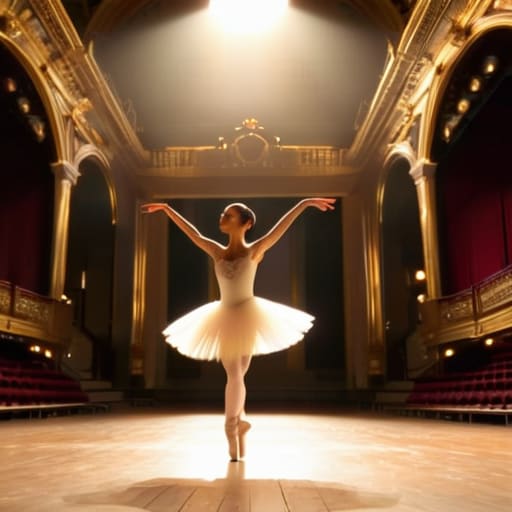
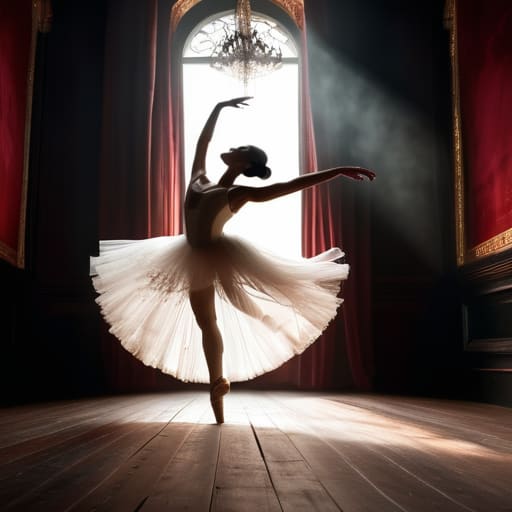
    When I look back through the archives of the mid-19th century, I don’t just see dates and names; I see the shift in how we perceive the ethereal. The history of romantic ballet isn’t merely a timeline of performances, but a transition from the rigid, courtly displays of the past toward something much more elusive. It was a period where the stage began to favor the supernatural—sylphs and spirits that seemed to defy gravity. You can almost feel the change in the air of those old theaters, a move away from pure athleticism toward a sense of longing and unrequited love.

    This era fundamentally reshaped the evolution of ballet costumes, moving away from heavy, structured garments to the soft, flowing tulle of the romantic tutu. This wasn’t just a stylistic choice; it was a necessity to capture that sense of weightlessness. As a man who spent his life cataloging the tangible, I find it fascinating how these dancers used movement to represent the intangible. They weren’t just performing steps; they were weaving a dreamscape out of light and shadow, leaving us to wonder if they were truly touching the floor at all.

    The Quiet Language of Ballet Terminology and Positions

    The Quiet Language of Ballet Terminology and Positions.

    I’ve always found that there is a certain dignity in the way a dancer approaches the floor, a sort of silent conversation between the body and the earth. When you look closely at the ballet terminology and positions, you realize they aren’t just rigid rules or technical hurdles meant to test one’s discipline. Instead, they are a vocabulary of grace. Each plié or tendu feels like a deliberate sentence being spoken in a language that requires no sound to be understood. To the untrained eye, it might look like mere geometry, but to me, it looks like a search for perfect equilibrium.

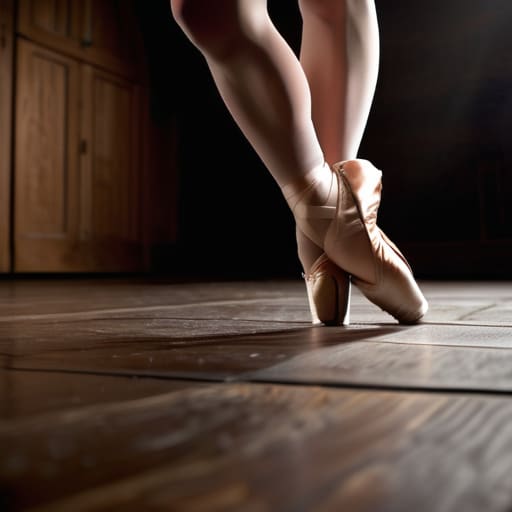
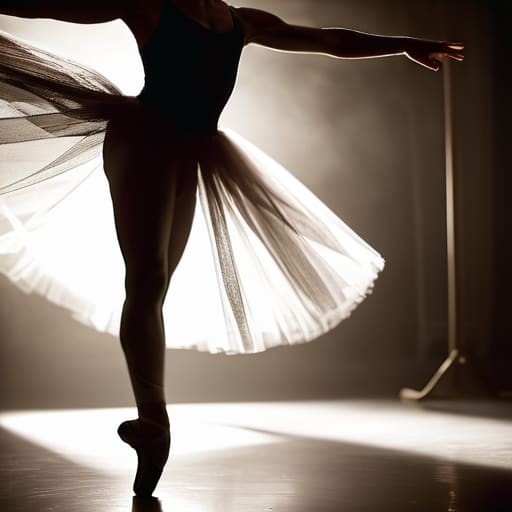
    As I sit in the back of the darkened theater, sketching the lines of a dancer’s silhouette, I am struck by how much intention is packed into a single movement. The principles of pointe work, for instance, aren’t just about defying gravity; they are about the quiet strength required to make the impossible look effortless. It is a beautiful, taxing paradox. There is a profound stillness found within the most complex movements, a reminder that even in a world that demands constant motion, there is immense power in knowing exactly where you stand.

    How to Watch the Dance: A Few Notes for the Intentional Observer

    • Don’t look for the spectacle; look for the breath. If you watch closely, you’ll see the dancers take a quiet, sharp intake of air right before a leap. It is in those tiny, human moments of preparation that the magic truly lives.
    • Let your eyes wander to the periphery. While the soloist is the sun, the corps de ballet provides the atmosphere—the shadows and the movement that make the stage feel like an entire world rather than just a wooden floor.
    • Listen to the silence between the notes. In a well-choreographed piece, the music doesn’t just accompany the movement; it breathes with it. Pay attention to how a dancer holds a pose just as the orchestra fades, letting the stillness settle over the room.
    • Forget the technical perfection for a moment. You don’t need to know the difference between a tendu and a dégagé to feel the emotion. Instead, ask yourself what the movement is trying to say, rather than how perfectly the foot is pointed.
    • Allow yourself to be moved by the lighting. Much like the dim corners of my favorite jazz clubs, the way a spotlight catches the dust or the curve of a limb can change the entire mood of a scene. Watch how the light creates the story as much as the dancers do.

    The Quiet Lessons of the Dance

    Ballet is less about the spectacle of athleticism and more about the intentionality of every movement, teaching us to find grace in the smallest, most controlled gestures.

    To truly appreciate the art, one must look past the bright stage lights and observe the history and the shadows that give the performance its soul.

    There is a profound value in slowing down to learn the language of the dancers, allowing us to connect with a tradition that has been preserved through centuries of discipline.

    The Weight of a Moment

    “In my years spent among dusty archives, I’ve learned that history isn’t just found in ink and parchment; sometimes, it is written in the fleeting tension of a dancer’s fingertips or the way a single leap seems to suspend time itself, just long enough for you to remember how to breathe.”

    Petra Lindgren

    The Lasting Echo of the Dance

    The Lasting Echo of the Dance.

    As I sit here in the quiet of my study, looking over my sketches of the stage, I find myself returning to the sheer weight of what we have discussed. We have traveled from the ethereal, misty shadows of the Romantic era to the precise, almost mathematical beauty of the technical vocabulary that governs every movement. It is easy to get lost in the history or the rigid geometry of a perfect arabesque, but to truly understand ballet is to recognize the tension between that strict discipline and the raw, human emotion it seeks to release. It is a delicate balance of structure and soul, a way of organizing chaos into something profoundly graceful.

    My advice to you, as you move through your own busy week, is to seek out that same intentionality. You don’t need to be a dancer to appreciate the way a single, well-placed movement can command the silence of a room. In a world that constantly demands we move faster, there is a quiet rebellion in slowing down to witness something that requires such immense patience and poise. Let the music settle in your bones and let the elegance of the performance remind you that some things are worth the wait. After all, the most beautiful moments are often the ones that linger in the stillness long after the curtain has fallen.

    Frequently Asked Questions

    How does the music change as the dancer moves from the technical precision of the classical era into something more modern and expressive?

    It’s like moving from a well-pressed suit into something more fluid and lived-in. In the classical era, the music is a rigid architecture—think Tchaikovsky—where every crescendo meets a precise leap. But as we drift toward the modern, that structure softens. The rhythm becomes less of a metronome and more of a heartbeat. It’s less about counting beats and more about feeling the breath between them, allowing the melody to swell with raw, unscripted emotion.

    Is there a way to truly appreciate the nuance of a performance if I don't understand the underlying history of the movements?

    You don’t need a degree in dance history to feel the weight of a performance. Think of it like listening to a jazz standard; you don’t need to know the theory to feel the ache in a saxophone solo. Let the movements wash over you first. If a gesture pulls at something inside you, pay attention to that. The history is just the foundation; the emotion is the house you actually live in.

    Where can one find those quiet, intimate performances that feel more like a shared secret than a grand spectacle?

    You won’t find those moments in the massive, gilded opera houses where the applause feels a bit too rehearsed. Instead, look toward the smaller, independent studios or the fringe festivals that tuck themselves into converted warehouses and old theaters. Seek out the “black box” spaces. There is a certain magic in a room where you can hear the dancers’ breath and the floorboards creak; it turns the performance into something deeply, beautifully private.

  • The Power of Documentary Filmmaking

    The Power of Documentary Filmmaking

    I remember sitting in a cramped, dimly lit basement archive back in the nineties, surrounded by the scent of decaying paper and the steady hum of an old microfilm reader. I wasn’t looking for a grand cinematic spectacle; I was just trying to find the truth hidden in the margins of a ledger. It struck me then that most people approach documentary filmmaking as if it were a race to acquire the most expensive lenses or the flashiest lighting rigs. They treat it like a technical conquest, forgetting that the most profound stories don’t demand a massive budget—they demand patience.

    I’m not here to sell you on the latest gear or the industry’s obsession with polished perfection. Instead, I want to talk about the quiet art of observation and how to capture the soul of a subject without getting in the way. I promise to share what I’ve learned about finding the human heartbeat within a frame, focusing on the substance that actually endures once the screen goes dark. We’re going to strip away the pretension and look at how you can tell a story that feels as real and unvarnished as a late-night jazz session.

    Table of Contents

    Mastering Observational Cinema Styles in the Quiet Moments

    Mastering Observational Cinema Styles in the Quiet Moments

    When I was working in the archives, I learned that the most profound truths aren’t usually found in the grand, sweeping ledgers, but in the marginalia—the tiny, handwritten notes left in the corners of a page. I think of observational cinema styles in much the same way. It isn’t about orchestrating a scene or forcing a person to perform; it is about the discipline of sitting still. You have to learn to become part of the furniture, a quiet shadow in the room, waiting for the moment when the subject forgets the lens is even there.

    There is a delicate dance involved in this kind of work. You aren’t just managing a technical documentary production process; you are managing a relationship. It requires a certain level of patience to let the silence stretch just a little longer than is comfortable. Often, it is in that heavy, unscripted quiet that the real story begins to breathe. If you rush to fill the gap with a question or a sudden movement, you might miss the very thing that makes the film feel human and alive.

    Refining Cinematography Techniques for Documentaries and Light

    Refining Cinematography Techniques for Documentaries and Light.

    When I look at a frame, I’m rarely looking for the grand spectacle; I’m looking for how the light settles into the creases of a person’s face. In the realm of cinematography techniques for documentaries, there is a profound difference between merely illuminating a subject and actually honoring them. I’ve often found that the most honest images emerge when you stop fighting the shadows and start working with them. If you’re chasing a perfect, sterile glow, you’ll likely miss the texture of the truth. It’s in that soft, natural fall of light—the kind you find in a dim jazz club at midnight—that the real story begins to breathe.

    This approach requires a certain patience that modern life seems to have forgotten. You have to sit with your equipment and wait for the light to tell you where it wants to go. It isn’t just a technical hurdle within the documentary production process; it is a way of being present. When you master the interplay between what is seen and what is obscured, you stop being a mere observer and start becoming a witness to the quiet, unscripted rhythms of life.

    The Small Truths: Five Ways to Capture the Soul of a Story

    • Learn to sit in the stillness. In my years in the archives, I learned that the most important details aren’t the ones shouting for attention; they are the quiet shifts in a subject’s expression when they think no one is watching. Don’t rush to cut the scene just because the action has paused. Sometimes, the truth lives in that heavy, unspoken silence.
    • Listen with more than just your ears. Documentary filmmaking is as much about the rhythm of a room as it is about the dialogue. Pay attention to the ambient hum of the city or the way a floorboard creaks. If you can capture the texture of the sound, you give your audience a way to actually inhabit the space you’ve built.
    • Respect the dignity of your subject. There is a fine line between observing a life and intruding upon it. I’ve always believed that a filmmaker should be a guest in someone else’s world. If you approach your subject with genuine reverence rather than a desire to “get the shot,” they will eventually stop performing for the lens and start simply being.
    • Embrace the imperfections of the light. We spend so much time chasing technical perfection that we often forget that beauty is frequently found in the shadows. A harsh, natural light hitting a weathered face or the way a streetlamp flickers in a dark alleyway can tell a much deeper story than a perfectly lit studio setup ever could.
    • Keep a notebook by your side. Even if you aren’t sketching the architecture, write down the things the camera might miss—the scent of old paper, the sudden chill in the air, or the way a person’s hands tremble. These sensory details won’t appear on your footage, but they will guide your intuition when you are sitting in the edit suite, trying to find the heart of the film.

    The Lessons Left in the Shadows

    Don’t be afraid of the silence; sometimes the most profound truths of a person’s story are found in the pauses between their words, rather than the words themselves.

    Treat light not as a tool for visibility, but as a way to direct the soul of the scene, letting the shadows hold as much weight as the highlights.

    Patience is your most vital piece of equipment, because you cannot force a moment to be honest; you can only wait, quietly, until it decides to reveal itself to you.

    The Weight of a Single Frame

    “Documentary filmmaking isn’t about the grand spectacle or the loud, sweeping declarations; it’s about the patience to sit in a room until the truth finally feels comfortable enough to show itself in the shadows.”

    Petra Lindgren

    The Last Note of the Evening

    The Last Note of the Evening photograph.

    As we pull back the curtain on these techniques, it becomes clear that documentary filmmaking is less about the technical mastery of a lens and more about the discipline of presence. We have talked at length about the nuances of observational styles and the delicate dance of light and shadow, but those are merely tools in a craftsman’s kit. The real work lies in the patience required to wait for a subject to reveal themselves and the restraint to not interfere when the truth begins to breathe. Whether you are adjusting your aperture or simply holding your breath in a crowded room, remember that the most profound stories often live in the periphery, in those unscripted seconds that occur when the camera feels almost invisible.

    In the end, I find myself thinking back to the old archives I used to tend—the most valuable records weren’t the grand proclamations, but the handwritten notes in the margins. Your film should be much the same. Don’t get so caught up in the pursuit of a polished, cinematic perfection that you forget to look for the soul of the moment. Aim to create something that lingers in the mind like a low bass note in a dim jazz club, something that stays with the viewer long after the screen goes dark. Go out there, slow down, and listen to what the silence is trying to tell you.

    Frequently Asked Questions

    How do you manage to keep the camera steady without it feeling like a clinical, detached observation of the subject?

    It’s a delicate balance, isn’t it? If the frame is too rigid, you lose the heartbeat of the room. I’ve always found that the best way to avoid that clinical chill is to breathe with the subject. Don’t just use a tripod to freeze time; use your hands to feel the rhythm. A slight, natural sway or a gentle handheld movement can make the viewer feel like a guest in the room, rather than a scientist behind glass.

    Is there a way to capture the true atmosphere of a room—the shadows and the mood—without letting the equipment get in the way of the moment?

    It’s the oldest struggle in the book, isn’t it? We want to witness the soul of a room, yet we end up cluttering it with tripods and heavy lights. I’ve found that the best way to stay invisible is to embrace the limitations of what’s already there. Don’t fight the shadows; use them. Small, handheld setups and natural light allow you to sit in the corner like a guest, rather than an intruder.

    When you're filming someone, how do you find that delicate balance between being a witness to their life and being an intruder in their space?

    It’s a heavy realization, isn’t it? The moment you realize your presence has altered the very thing you came to see. I’ve found that the best way to navigate that tension is to stop acting like a hunter and start acting like a guest. Sit quietly. Let the room settle around you. If you respect their rhythm and wait for the natural pauses, you aren’t an intruder—you’re simply a witness sitting in the corner, waiting for the truth to emerge.

  • Exploring Philosophy in Art

    Exploring Philosophy in Art

    I was sitting in a dimly lit jazz cellar last Tuesday, the kind of place where the air smells of old wood and spilled bourbon, watching a man struggle to explain a single charcoal sketch. He was using these heavy, academic terms, dissecting the “metaphysical implications” as if he were reading from a textbook rather than looking at a piece of soul on paper. It’s a common frustration, isn’t it? People tend to treat philosophy in art like some gated community of intellect, a complex puzzle that requires a PhD to even approach. They wrap it in layers of jargon that only serve to distance us from the actual feeling of the work.

    I’m not here to give you a lecture or a list of names to memorize for a seminar. Instead, I want to pull back the curtain and show you how to find the meaning for yourself, without the pretension. We are going to look at how ideas actually breathe within a frame or a melody, focusing on the quiet connections that stay with you long after you’ve left the gallery. My promise is simple: no fluff, no academic posturing—just a way to help you truly see.

    Table of Contents

    The Ontology of Art and Its Lasting Echoes

    The Ontology of Art and Its Lasting Echoes.

    When I sit in a dimly lit corner of a jazz club, watching the light catch the brass of a saxophone, I’m not just watching a performance; I’m witnessing an arrival. There is a profound ontology of art at play here—the question of what these sounds actually are once they leave the instrument. Is the music merely vibrations in the air, or does it exist in that shared space between the player’s intent and my own memory? I’ve found that a piece of art isn’t a static object sitting on a shelf; it is a living thing that only truly breathes when it encounters a human soul.

    This brings me to the way we perceive these moments. Through the phenomenology of art perception, we realize that a painting or a melody isn’t just something we see or hear—it is something we undergo. It settles into our bones like the evening chill. We don’t just observe the beauty; we inhabit it. I often find myself sketching the heavy mahogany of a stage or the curve of a cello, trying to capture not just the shape, but the way the object seems to hold the very essence of the silence surrounding it.

    Deciphering the Metaphysics of Beauty in Dim Light

    Deciphering the Metaphysics of Beauty in Dim Light

    I often find that the most profound truths aren’t found under the harsh glare of a midday sun, but in the soft, amber glow of a basement jazz club or a quiet gallery at dusk. There is a certain phenomenology of art perception that shifts when the shadows lengthen. In the dim light, the edges of a painting or the silhouette of a sculpture seem to breathe. You aren’t just observing an object; you are experiencing its presence in a way that feels almost tactile.

    When we sit in these quiet spaces, we begin to grapple with the metaphysics of beauty without even realizing it. It isn’t about the technical precision of a brushstroke or the mathematical perfection of a chord, but rather the way a piece of art occupies the space between the seen and the felt. I’ve spent many evenings sketching the heavy velvet curtains of old theaters, realizing that the atmosphere itself is part of the work. We must allow ourselves the grace to stop analyzing and simply let the stillness settle into our bones.

    Five Ways to Listen to the Silence Between the Brushstrokes

    • Slow your pace. We live in an era of frantic scrolling, but art demands a different tempo. Don’t rush from one piece to the next like you’re checking items off a grocery list; give yourself permission to sit with a single work until the initial noise of your day begins to fade.
    • Look for the intention, not just the image. When I’m looking at an old photograph or a piece of sculpture, I find myself asking what the creator was trying to preserve. Philosophy in art isn’t about finding a hidden code, but about understanding the human impulse to leave a mark behind.
    • Embrace the shadows. Just as a good jazz set needs the quiet moments between the notes to breathe, art needs its ambiguity. You don’t need to solve a painting like a math equation. Sometimes, the most profound truths are found in the parts of the work that remain beautifully unclear.
    • Connect the texture to the thought. I often find myself sketching the heavy cornices of old buildings or the way light hits a canvas. Pay attention to the physical reality of the medium—the grit, the oil, the weight of it. The philosophy is often etched right into the very substance of the thing.
    • Let the art change you, rather than trying to change the art. We often approach culture with a desire to categorize or judge it. Instead, try approaching it with a sense of receptivity. Let a melody or a landscape settle into your bones and see what it reveals about your own quiet corners.

    The Quiet Lessons Left Behind

    Art isn’t a puzzle to be solved with a quick glance; it’s an experience that requires us to sit still, let the brushstrokes and the shadows settle, much like waiting for the first notes of a jazz set to find their rhythm.

    True beauty often lives in the tension between what is seen and what is felt, reminding us that the most profound truths aren’t found in the bright lights of the obvious, but in the nuanced, dim corners of our perception.

    To truly engage with a piece of work is to honor the pause, recognizing that the value of an evening—or a masterpiece—lies in the lingering resonance it leaves in your soul long after the music has stopped.

    The Weight of a Single Note

    We often mistake art for something to be observed, like a specimen under glass, but true philosophy in art is felt in the way a certain chord lingers in a smoky room long after the musician has put down his instrument—it is the quiet realization that the beauty wasn’t in the sound itself, but in the space it carved out in your soul.

    Petra Lindgren

    The Quiet Resonance of the Aftermath

    The Quiet Resonance of the Aftermath.

    As we pull back from the heavy lifting of ontology and the complex layers of metaphysics, we find that philosophy in art isn’t really about solving a puzzle. It’s more about what remains when the performance ends and the room goes quiet. We’ve looked at how art asserts its own existence and how beauty reveals itself in the soft, unhurried corners of our perception. Ultimately, these concepts serve as a bridge, connecting the physical object—be it a canvas or a scratched vinyl record—to the intangible weight it leaves on the human spirit. It is in this connection, this lingering echo, that the true purpose of the aesthetic experience is realized.

    I often find myself sitting in a darkened jazz club long after the last note has faded, just watching the shadows dance on the brickwork. It’s in those moments of stillness that I realize we shouldn’t seek to master art, but rather to let it master us. Don’t rush to the next thing; don’t treat a masterpiece like a checklist to be completed. Instead, I invite you to slow down your gaze and allow the philosophy of the work to settle into your bones. After all, the most profound truths aren’t found in the bright lights of the stage, but in the quiet spaces we carry home with us.

    Frequently Asked Questions

    How can we distinguish between a piece of art that is merely technically proficient and one that actually possesses a philosophical soul?

    Technical proficiency is just the architecture; it’s the sturdy bones of a building. You can admire the precision of a perfectly executed brushstroke or a flawless jazz solo, but that isn’t the soul. To find the soul, look for the friction—the places where the artist’s hand trembles or where the silence between notes feels heavy with intention. If a piece leaves you sitting in stillness long after you’ve walked away, it has a soul.

    Does the meaning of a work change as we age, or is the truth of the art fixed the moment the artist finishes it?

    I’ve often wondered this while flipping through old jazz records. To my mind, the artist provides the vessel, but we provide the wine. A painting or a melody might be “finished” in a studio, but it remains dormant until it meets a human soul. As we age, our scars and joys act as new lenses. The art doesn’t change, but we do—and that shifting perspective is where the real magic happens.

    In our modern, fast-paced world, is it even possible to find the stillness required to truly engage with the deeper questions an artwork is asking?

    It’s a struggle, I’ll admit. We’ve become a generation of skimmers, rushing through life like a frantic bebop solo without ever hitting the pocket. But stillness isn’t something you find; it’s something you carve out. You have to treat an encounter with art like a slow walk through a jazz club—leave the phone in your pocket, find a corner, and let the silence settle. Only then can you actually hear what it’s saying.

  • Understanding Fine Dining Etiquette

    Understanding Fine Dining Etiquette

    I remember sitting in a dimly lit corner of a jazz club in Chicago years ago, watching a man struggle so intensely with a heavy silver fork that he completely missed the subtle, melancholic swell of the saxophone playing just feet away. He was so paralyzed by the fear of breaking some invisible rule of fine dining etiquette that he had forgotten to actually exist in the room. It’s a tragedy, really. We’ve turned the simple grace of a shared meal into a high-stakes exam, layering on so much unnecessary complexity that the soul of the evening gets lost in the shuffle of polished silverware and rigid posture.

    I’m not here to teach you which fork to use for your salad or how to navigate a complicated wine list like a textbook. Instead, I want to share what I’ve learned from decades of observing the quiet elegance of a well-lived life. I’ll offer you a way to navigate these spaces with quiet confidence, focusing on the manners that actually matter—the kind that show respect to your companions and the craft of the kitchen. Let’s strip away the pretension and find the true rhythm of a perfect evening.

    Table of Contents

    Navigating Table Setting Protocols With Ease.

    When I first sat down at a linen-draped table in my twenties, I felt as though I were staring at a complex map of a country I hadn’t yet visited. The sheer number of forks and spoons can feel intimidating, almost like a test you didn’t study for. But I’ve learned that table setting protocols aren’t meant to be a barrier; they are simply a guide to help you stay present. If you find yourself staring at a silver array and feeling lost, just remember the simplest rule of thumb: work from the outside in. There is a certain quiet rhythm to it that, once mastered, allows you to stop worrying about the tools and start focusing on the conversation.

    I often find that people get so caught up in the mechanics of silverware usage rules that they forget to actually enjoy the meal. We shouldn’t let the geometry of the plate distract us from the warmth of the company. Think of the arrangement as a silent choreography designed to facilitate a seamless experience. Once you understand the basic flow, the ceremony fades into the background, leaving you free to lean into the candlelight and truly savor the moment.

    Mastering Silverware Usage Rules in the Dim Light

    Mastering Silverware Usage Rules in the Dim Light

    There is a certain quiet grace in the weight of a heavy silver fork, a tactile reminder that we are participating in something older than the frantic pace of the modern world. When the lights go low and the candlelight begins to dance against the polished surfaces, the complexity of the arrangement can feel daunting. However, I’ve always found that the best way to approach silverware usage rules is to simply listen to the rhythm of the table. Work from the outside in, moving toward the plate as each course arrives, much like how one might flip through the pages of a well-loved history book.

    Don’t let a misplaced spoon pull you out of the moment. If you find yourself momentarily lost in the geometry of the setting, take a breath and focus on your companion instead. True formal dining social graces aren’t about performing a mechanical task with surgical precision; they are about ensuring your movements are fluid and unobtrusive. When you handle your utensils with a gentle, deliberate touch, you aren’t just eating—you are honoring the slow, intentional ceremony of the meal.

    The Quiet Rhythms of the Table

    • Listen to the room before you speak. Fine dining isn’t about being loud or commanding attention; it’s about finding the frequency of the space. Wait for a natural lull in the conversation or the music before you offer your own thoughts, allowing the atmosphere to settle around you first.
    • Treat the service staff like the curators they are. Just as I would treat a fellow archivist with respect, view your server as the person guiding you through an experience. A quiet “thank you” or a small nod of acknowledgment goes much further than any grand gesture of tipping.
    • Keep your phone tucked away, ideally out of sight entirely. There is nothing that breaks the spell of a dim-lit room faster than the blue glare of a screen. If you must check it, step away; don’t let a digital notification interrupt a moment that was meant to be analog.
    • Pace your movements with the meal. There is a certain grace in not rushing to finish. Watch how the others around you move, and try to mirror that unhurried cadence. We aren’t here to fuel up; we are here to linger in the transition between courses.
    • Master the art of the subtle signal. If you need to step away or require something small, use gentle gestures rather than calling out. A slight inclination of the head or a quiet word ensures that the elegance of the evening remains undisturbed for everyone at the table.

    The Soul of the Table: Three Reminders for Your Next Evening Out

    Remember that the tools of the meal—the heavy silver and the fine linen—are not hurdles to jump through, but invitations to slow down and appreciate the craftsmanship of the moment.

    Let the rules of the table serve as a quiet rhythm rather than a rigid script; the goal isn’t to perform perfectly, but to move through the evening with a grace that allows you to focus on your company.

    True elegance is found in the details you notice when you aren’t rushing; lean into the candlelight and the weight of the glass, and let the ceremony remind you that some things are worth the extra care.

    Beyond the Rules of the Table

    We often mistake etiquette for a rigid set of hurdles to jump through, but true grace isn’t about memorizing which fork to use; it’s about the quiet respect we show to the moment, the meal, and the person sitting across from us in the candlelight.

    Petra Lindgren

    The Soul Beneath the Surface

    The Soul Beneath the Surface of etiquette.

    As we pull back the curtain on these various protocols, it becomes clear that knowing which fork to use or how to navigate a complex table setting isn’t about performing for the sake of vanity. It is about removing the friction that distracts us from the moment. When you understand the rhythm of the service and the unspoken language of the silverware, you stop worrying about making a mistake and start actually listening to the conversation across the table. These rules are merely the scaffolding designed to support a seamless experience, allowing the food, the wine, and the company to take center stage without the interruption of unnecessary hesitation.

    Ultimately, I hope you view these customs not as a rigid cage, but as an invitation to slow down. In a world that demands we move faster and consume more, a well-orchestrated dinner is a rare chance to practice the art of being present. Don’t let the fear of a misplaced spoon keep you from the magic of the evening. Instead, lean into the candlelight, embrace the ceremony, and remember that the most important etiquette of all is simply showing up with intention. Let the details fade into the background so that the memories—the laughter, the shared stories, and the warmth of the room—are the only things that truly remain when you finally step back out into the night.

    Frequently Asked Questions

    How do I handle a moment of clumsiness, like dropping a fork, without feeling like I've ruined the entire evening's rhythm?

    We’ve all been there—that sudden, sharp clatter that feels loud enough to stop the orchestra mid-measure. When it happens, don’t let the panic turn it into a spectacle. A quiet apology and a calm signal to your server is all it takes. The rhythm isn’t ruined by a dropped fork; it’s ruined by the frantic, embarrassed energy we bring to it. Just breathe, let them replace it, and return to the conversation.

    When the conversation turns lively, how much of the formal etiquette should I set aside to actually enjoy the company of my guests?

    The moment a conversation truly takes flight, the etiquette should become the background music, not the soloist. If you find yourself staring at your fork instead of your friend’s eyes, you’ve missed the point entirely. Use the rules as a quiet scaffolding to support the evening, but never let them stifle the spirit. Lean in, let the laughter rise, and remember: we come to the table for the connection, not the choreography.

    If I find myself unsure of which glass to reach for in a dimly lit room, what is the most graceful way to find my bearings?

    If the shadows feel a bit too heavy and the crystal looks like a blur, don’t panic. There is no need to fumble blindly like a stranger in the dark. Simply take a moment—a quiet, intentional pause—to trace the rim of the glass with your fingertips or glance toward your companion. If you must ask, do so with a soft smile and a low voice. It isn’t a lapse in grace; it’s just part of the evening’s rhythm.

  • The Benefits of Urban Gardening

    The Benefits of Urban Gardening

    I remember sitting on my small, fire-escape balcony last July, the scent of damp earth clashing with the heavy, metallic tang of the city evening. I was staring at a row of wilted basil plants that had cost me far too much at a boutique nursery, feeling a strange sense of failure amidst the concrete. There is this modern, frantic obsession with high-tech hydroponic setups and expensive, designer planters that makes urban gardening feel more like a luxury hobby for the elite than a way to connect with the ground beneath us. We’ve been told we need a laboratory to grow a tomato, but I’ve always found that the most meaningful growth happens in the simplest of vessels.

    I’m not here to sell you on a lifestyle of polished perfection or complicated gadgets that will only gather dust. Instead, I want to share the quiet, unvarnished reality of coaxing life from a few pots on a windowsill. I will guide you through the practical, low-stakes rhythms of tending to a small patch of green, focusing on what actually works when you’re short on space and even shorter on time. Let’s skip the hype and focus on the slow, steady joy of watching something bloom.

    Table of Contents

    Small Space Vegetable Gardening as a Quiet Ritual

    Small Space Vegetable Gardening as a Quiet Ritual

    I’ve always found that the most profound histories aren’t just found in dusty archives, but in the slow, rhythmic cycles of growth. There is a particular kind of solace in small space vegetable gardening; it demands a level of presence that our modern, frantic world rarely asks of us. When I sit on my small terrace, watching a single heirloom tomato vine stretch toward the evening light, the city’s roar seems to soften. It becomes a private dialogue between my hands and the soil.

    You don’t need an estate to practice this quiet discipline. I’ve seen neighbors master vertical gardening techniques on narrow fire escapes, turning mere strips of brick into lush, edible tapestries. There is something deeply grounding about the tactile reality of it—the weight of a ceramic pot, the scent of damp earth, and the patience required to wait for a harvest. It isn’t about maximizing yield or efficiency; it is about the intentional pause that occurs when you stop to check a leaf for new growth, finding a moment of stillness amidst the concrete.

    The Gentle Rhythm of Apartment Balcony Plant Care

    The Gentle Rhythm of Apartment Balcony Plant Care

    There is a particular kind of grace found in the way a single basil plant reaches toward the afternoon sun on a narrow ledge. For those of us living tucked away in the higher floors of the city, apartment balcony plant care becomes less of a chore and more of a rhythmic dialogue with the elements. You learn to read the wind as it whistles between the glass towers, and you begin to understand the subtle language of soil moisture and leaf tilt. It isn’t about grand landscapes; it is about the quiet satisfaction of seeing a sprig of mint thrive in a ceramic pot.

    When the space is tight, one must become a bit of an architect. I often find myself sketching out different vertical gardening techniques in my notebook, trying to visualize how a trellis might transform a cramped railing into a living curtain of greenery. It’s a slow, deliberate process of layering life where there was once only concrete. There is something deeply grounding about tending to these small, elevated sanctuaries, finding a sense of continuity even when the city below is rushing toward tomorrow.

    The Subtle Art of Tending to Your Greenery

    • Start small, perhaps with a single pot of basil or mint on a windowsill; there is no need to rush into a full-scale harvest when the goal is simply to find a moment of connection with the earth.
    • Pay close attention to the way the light shifts across your floor throughout the afternoon, as understanding the sun’s slow dance is the only way to truly know where your plants will thrive.
    • Invest in quality soil that feels rich and honest between your fingers, for even in a ceramic pot, the foundation of life requires a certain depth and character.
    • Embrace the patience of the growing season, resisting the urge to constantly fuss or overwater, and instead learn to appreciate the quiet, invisible progress that happens in the stillness.
    • Keep a small notebook, much like the one I use for my sketches, to jot down when the first sprout appears or how the leaves react to a sudden rain; these small observations turn a hobby into a lasting memory.

    The Lasting Harvest of a Slow Evening

    Gardening isn’t about the yield in the basket, but the way the cool soil under your fingernails forces you to finally stop rushing and simply exist in the present moment.

    Even the smallest window box offers a chance to witness the quiet, stubborn persistence of life, reminding us that beauty doesn’t require a vast estate to take root.

    By tending to these living things, we cultivate a sense of rhythm that carries us through the noise of the city, leaving us with a stillness that lingers long after the sun goes down.

    ## The Slow Harvest of the Soul

    “There is a certain kind of grace in tending to a single tomato plant on a fire escape; it forces you to abandon the frantic pace of the sidewalk and finally listen to the slow, patient breathing of the earth, even amidst the roar of the city.”

    Petra Lindgren

    The Harvest of a Quiet Life

    The Harvest of a Quiet Life plants.

    As we’ve discussed, tending to a few pots of basil on a windowsill or a handful of tomatoes on a balcony isn’t merely about the food we might eventually harvest. It is about the deliberate slowing down that occurs when you commit to the needs of something living. Whether you are managing the limited real estate of a small apartment or finding a rhythm in the repetitive task of watering, you are participating in a ritual that resists the frantic pace of the modern world. These small patches of green serve as our own private archives, documenting the passing of seasons and the steady, unhurried growth that happens even amidst the concrete and the noise.

    In the end, I find that the true value of urban gardening lies in what it teaches us about patience. We live in an era of instant gratification, but a seed does not care about our schedules; it moves at its own ancient, soulful tempo. By making space for these living things, we make space for ourselves to breathe. I encourage you to find your own small corner of earth, however modest it may be, and let it remind you that beauty persists in the smallest cracks. Don’t just rush through your evening; stay a while, watch the leaves turn toward the light, and notice how much more vivid the world becomes when we finally stop to look.

    Frequently Asked Questions

    How do I know if my small balcony gets enough light to actually keep something alive, or am I just chasing a dream?

    It’s a question I’ve often asked myself when eyeing a particularly stubborn patch of ivy. Don’t let doubt stop you, but do be honest with the sun. Spend a Saturday observing your balcony through the hours; notice where the light lingers and where the shadows stretch long and heavy. If you get six hours of direct warmth, you’re golden. If not, we simply choose plants that thrive in the soft, dappled shade.

    What are the best ways to manage soil and water in a tiny space without making my apartment feel like a swamp?

    The secret is to treat your plants like a well-curated collection—intentional, not overflowing. I’ve found that using terracotta pots is a lovely way to let the soil breathe; they have a certain tactile honesty that plastic lacks. To avoid that damp, heavy feeling, I stick to small, high-quality saucers to catch the runoff. It’s about finding that delicate balance between nourishment and order, ensuring your sanctuary remains a place of peace, not a swamp.

    Are there specific herbs or greens that don't require much fuss, especially for someone who isn't used to the constant attention plants demand?

    If you’re looking to avoid the stress of constant monitoring, I’d suggest starting with mint or rosemary. Mint is almost stubbornly resilient—it finds a way to thrive even if you forget it for a few days. Rosemary, with its woody stems, handles a bit of neglect quite gracefully. Both offer a lovely, sensory reward; there is something deeply grounding about bruising a leaf between your fingers to release that scent after a long day.

  • The Artistry of Traditional Textile Arts

    The Artistry of Traditional Textile Arts

    I remember sitting in the back of a dusty archive in Ann Arbor, surrounded by the scent of aging paper and cedar, when I first realized that history isn’t just written in ink. It’s woven. I was looking at a collection of hand-loomed fragments from the late nineteenth century, and as I traced the uneven tension of the threads, I felt a sudden, sharp connection to the person who sat in a quiet room decades ago, simply making something real. There is a profound, tactile weight to the textile arts that our modern, disposable world seems determined to forget. We’ve traded the rhythmic, meditative pull of a needle for the frantic, hollow buzz of a screen, and in doing so, we’ve lost our grip on the beauty of the slow build.

    I’m not here to sell you on expensive, high-tech looms or the latest complicated trends that demand a degree to understand. Instead, I want to talk about the soul of the craft. I promise to share what I’ve learned about finding quietude through the texture of thread and fabric—advice rooted in patience rather than perfection. We are going to explore how these ancient methods can help us reclaim our evenings and find a sense of permanence in a world that is constantly rushing past us.

    Table of Contents

    Tracing the Soul Through Textile Design History

    Tracing the Soul Through Textile Design History

    In my years spent tucked away in the basement of the municipal archives, I learned that history isn’t just written in ink; it is woven into the very fabric of our lives. When I look at a piece of aged linen or a fragment of heavy wool, I don’t just see cloth. I see the ghosts of the hands that made it. To truly understand textile design history, one must look past the pattern and consider the rhythm of the maker. There is a profound, quiet dignity in the way a person once sat before a frame, surrendered to the repetitive cadence of the work.

    I often find myself tracing the imperfections in an old tapestry, realizing that those very “flaws” are where the humanity resides. Whether it was the meticulous application of natural dye processes using crushed berries or bark, or the intentional tension of a thread, these pieces were born from a slow, deliberate relationship with the earth. We live in such a hurried age, yet these artifacts remind us that the most enduring things—the things that actually stay with us—are often those that required the most patience to create.

    The Slow Magic of Natural Dye Processes

    The Slow Magic of Natural Dye Processes.

    There is a specific kind of patience required when you step away from the digital hum of the modern world and into the quiet alchemy of natural dye processes. I remember sitting in a small workshop in the hills of Tuscany years ago, watching a master artisan steep pomegranate skins in a copper pot. There was no instant gratification, no clicking a button to see a result. Instead, there was only the slow, rhythmic simmer and the anticipation of how the sunlight might eventually catch those earthy hues. It reminded me that the most beautiful things in life aren’t manufactured; they are nurtured over time.

    When you work with pigments derived from roots, barks, or fallen leaves, you aren’t just coloring a thread; you are capturing a moment of the seasons. This connection to the earth lends a depth to the material that synthetic dyes simply cannot replicate. As I often note in my little sketchbook, the way a hand-dyed indigo settles into the crevices of a weave creates a living landscape. It forces a certain stillness upon you, a realization that true craftsmanship requires us to match the pace of the natural world.

    The Quiet Discipline: Five Ways to Find Your Rhythm in the Thread

    • Embrace the imperfection of the hand. In my years archiving old tapestries, I’ve noticed that the most soulful pieces aren’t the ones with mathematically perfect stitches, but the ones where you can see the human heartbeat in a slightly uneven line. Don’t chase a machine’s precision; chase the character of your own touch.
    • Let the materials dictate the pace. Much like the way a jazz soloist responds to the room, let your fiber guide you. If you are working with heavy, coarse linen, accept that it demands a slower, more deliberate movement. Don’t fight the tension; listen to what the fabric is telling you it needs.
    • Curate a sensory workspace. I find it difficult to create when the world outside is too loud or too bright. Dim the overheads, perhaps put on a Miles Davis record, and treat your crafting not as a chore to be finished, but as a ritual to be inhabited. The environment is just as important as the needle.
    • Document the small victories. I still carry my little notebook, and I suggest you do the same. Sketch a particularly interesting weave or jot down how a certain shade of indigo looked in the morning light. These tiny observations turn a hobby into a personal history.
    • Resist the urge to rush toward the finish. The modern world is obsessed with the “completed project,” but the true value of textile art lies in the middle of the process—the repetitive, meditative pull of the thread. If you focus only on the end, you miss the quietude that happens while you’re actually living it.

    Lessons in the Slow Craft

    We must learn to value the friction of the process; just as a well-worn record has more character than a digital file, a fabric shaped by hand carries a history that machine-made perfection simply cannot replicate.

    There is a profound necessity in slowing down to observe the subtle shifts in color and texture, reminding us that the most meaningful things in life aren’t captured in a frantic rush, but in the quiet moments of creation.

    To engage with textile arts is to engage with human continuity, connecting our own restless hands to the rhythmic, ancestral patterns that have offered comfort and beauty for generations.

    The Rhythm of the Loom

    “In a world that insists on moving at a breakneck pace, there is a profound, quiet rebellion in the act of weaving—a way to tether ourselves back to the steady, rhythmic heartbeat of something made by hand, one deliberate thread at a time.”

    Petra Lindgren

    The Thread That Binds Us

    Textile arts: The Thread That Binds Us.

    As I sit here, looking over my sketches and thinking back through the history of these crafts, I am struck by how much we have to learn from the loom and the dye vat. We’ve traced the lineage of design from the hands of ancient artisans to the patient, rhythmic pull of a modern needle, and we’ve seen how the slow alchemy of natural pigments can turn a simple fiber into something profound. These aren’t just technical processes or mere hobbies; they are vessels of human memory. When we engage with textile arts, we aren’t just making fabric—we are participating in a long, unbroken conversation with those who came before us, honoring a pace of life that refuses to be hurried.

    My advice to you, as the evening settles in, is to find your own way to slow down. Perhaps it is picking up a piece of embroidery or simply running your fingers over a well-worn tapestry and noticing the intentionality of every single stitch. We live in a world that demands we move faster, louder, and more efficiently, but there is a quiet, rebellious dignity in choosing the slow path. Let the textures ground you. Let the patterns invite you to linger. In the end, it is these small, tactile connections to the world around us that truly stay with us long after the lights go up and the music fades.

    Frequently Asked Questions

    How can someone begin to appreciate the subtle history behind the fabrics we encounter in our everyday lives?

    I’ve found that it begins with a simple, intentional pause. Next time you’re wearing a linen shirt or draped in a heavy wool throw, don’t just feel the warmth—look closer. Notice the irregularities in the weave or the way the light catches a specific texture. Ask yourself where that fiber might have grown or whose hands guided the loom. When you stop rushing, the fabric stops being just “stuff” and starts telling a story.

    Is it possible to find a sense of meditative calm through these crafts in our modern, fast-paced world?

    It isn’t just possible; I think it’s becoming a necessity. In my years archiving, I saw how quickly we discard the tangible for the digital. When I sit with a piece of fabric, the world stops rushing. There is a profound, rhythmic stillness in the repetition—the steady pull of thread or the slow soak of a dye bath. It forces you to breathe, to linger, and to finally inhabit the present moment.

    What are the best ways to preserve or care for vintage textiles so their stories aren't lost to time?

    It’s a bit like handling a fragile, original press of a jazz record; you must treat the history with reverence. I always suggest avoiding sunlight—it’s a thief of color. Instead, store your pieces in acid-free tissue, tucked away in a cool, dark place. Never hang heavy garments; the weight eventually pulls the life right out of the fibers. Let them breathe, let them rest, and treat them with the patience they deserve.

  • Exploring Contemporary Digital Art Trends

    Exploring Contemporary Digital Art Trends

    I spent forty years in archives, surrounded by the scent of aging parchment and the weight of physical history, so I have a bit of a low tolerance for the frantic, hollow noise of the modern world. Lately, it seems like everyone is shouting about the latest digital art trends as if they were some kind of divine revelation, treating every flickering pixel and algorithmic shift like a revolution that demands your immediate, breathless attention. It’s exhausting, isn’t it? We are told that if we aren’t chasing the newest software or the most complex generative glitch, we are somehow falling behind. But I’ve learned that true artistry doesn’t live in the speed of the tool; it lives in the intention behind the stroke, even if that stroke is made of light rather than ink.

    I’m not here to give you a frantic roadmap to the next big thing or a list of tools you’ll forget by next Tuesday. Instead, I want to help you find the quiet substance beneath the hype. We are going to look past the superficial flash of current digital art trends to find the movements that actually possess a soul worth preserving. My promise to you is simple: no empty jargon, no manufactured urgency—just a thoughtful look at what is actually worth your time.

    Table of Contents

    The Quiet Rhythm of Ai Driven Creative Processes

    The Quiet Rhythm of Ai Driven Creative Processes

    I spent decades handling brittle parchment and fading ink, where every stroke of a pen was a deliberate, physical act. Now, watching the way people engage with AI-driven creative processes, I find myself searching for that same sense of intentionality. There is a common misconception that these tools are merely shortcuts, a way to bypass the labor of thought. But if you sit with a piece long enough, you begin to see the ghost in the machine—the way a creator guides the algorithm, much like a conductor shaping a swell of strings in a late-night jazz set.

    It isn’t about the speed of the output; it is about the dialogue between human intent and mathematical chance. When I look at the shifting landscape of digital illustration styles 2024, I don’t see a replacement for the hand, but rather a new kind of brush. There is a strange, quiet rhythm to it—a cadence of trial and error that feels surprisingly familiar to the old archivists I used to work alongside. We are all just trying to find the soul within the structure.

    Digital Illustration Styles 2024 Finding Beauty in the Lines

    Digital Illustration Styles 2024 Finding Beauty in the Lines

    I find myself looking at these new digital illustration styles 2024 with the same curiosity I used to reserve for old, hand-drawn maps in the archives. There is a certain movement toward tactile imperfection—a deliberate rejection of the sterile, overly polished look that once defined the medium. We are seeing a resurgence of textures that mimic the grit of charcoal or the bleeding edge of watercolor, as if artists are trying to reclaim the physical soul of the canvas within a digital space.

    It isn’t just about the aesthetic, though; it is about the way these lines feel. Many creators are now blending these traditional sensibilities with augmented reality art techniques, allowing a simple sketch to breathe and shift when viewed through a lens. It reminds me of how a well-worn jazz record has a certain crackle that makes the music feel more alive. There is a beautiful tension here between the precision of the machine and the unpredictable warmth of the human hand, proving that even in a world of code, we are still searching for something that feels deeply, tangibly real.

    Finding Your Own Frequency Amidst the Digital Noise

    • Don’t let the speed of the trend cycle dictate your pulse; it’s easy to get swept up in what’s “viral,” but the most enduring art usually comes from a place of stillness, not a race to be first.
    • Look for the human touch in the machine—even when exploring AI-driven tools, try to find where the software’s perfection clashes with your own intentional imperfections, for that is where the soul resides.
    • Treat your digital canvas like a well-worn vinyl record; don’t be afraid of a little texture or a bit of “grit” in your pixels, as too much smoothness can sometimes leave a piece feeling hollow.
    • Observe the architecture of a composition rather than just the surface level; whether it’s a 3D render or a flat vector, understand the structural bones that keep the viewer’s eye from wandering aimlessly.
    • Curate your influences with the same care an archivist handles a rare manuscript—seek out the old masters and the forgotten textures to inform your new digital work, ensuring your style has roots deep enough to weather the changing seasons.

    What Remains When the Screen Fades

    Don’t let the speed of new tools blind you to the intent behind them; even in a digital landscape, the soul of a piece lies in the deliberate choices of the creator.

    Look past the initial flash of novelty to find the textures and rhythms that actually resonate, much like finding a familiar melody in a crowded room.

    Embrace the evolution of these digital mediums not as a replacement for tradition, but as a new way to capture the same fleeting beauty we’ve always sought.

    The Soul Beneath the Screen

    We shouldn’t fear the new tools of the digital age; we should simply ask if they are helping us capture that same fleeting, quiet ache that a brushstroke or a crackle on a vinyl record once did.

    Petra Lindgren

    The Texture of Tomorrow

    The Texture of Tomorrow in digital art.

    As we look back at these shifting currents, it becomes clear that the digital landscape is far more than just a collection of new tools or fleeting aesthetics. Whether we are navigating the rhythmic, almost meditative flow of AI-driven creation or finding solace in the deliberate, hand-drawn precision of new digital illustration styles, we are witnessing a profound evolution of how we express the human condition. These trends aren’t just technical milestones; they are the new brushstrokes of our era, blending the mathematical with the emotional to create something entirely unique. We have seen that even in a world of infinite pixels, the desire for intentionality and soul remains our most vital compass.

    I often find myself sitting in those quiet, dim-lit jazz clubs, thinking about how a melody can feel both ancient and brand new at the same time. Digital art is finding its own version of that timelessness. My advice to you is simple: don’t let the sheer speed of these technological shifts overwhelm your senses. Instead, lean in. Take a moment to observe the way a digital light hits a simulated surface or how an algorithm can mimic the fragile imperfection of a human hand. In the end, the most important trend isn’t the software we use, but the quiet moments of connection we find within the art itself.

    Frequently Asked Questions

    How do we keep the human soul in these pieces when so much of the heavy lifting is done by an algorithm?

    It’s a question that weighs on me, much like the heavy bass in a late-night jazz set. The algorithm provides the rhythm, certainly, but it cannot provide the intention. To keep the soul intact, we must treat the tool like a well-worn instrument rather than a replacement for the player. The magic happens in the imperfections—the deliberate choices, the slight deviations, and the way we guide the machine toward a feeling rather than just a pattern.

    Is there a way to appreciate these new digital textures without losing touch with the tactile, messy beauty of traditional media?

    I often find myself sketching in my notebook, feeling the grain of the paper, and wondering if a screen can ever truly mimic that resistance. To appreciate these digital textures, don’t look for perfection; look for the “glitch,” the intentional imperfection. Treat the stylus like a charcoal stick. If you approach the digital canvas with the same reverence for light and shadow that you’d give an oil painting, the medium matters far less than the soul behind the stroke.

    In this rush toward the next big trend, how can we tell which digital styles will actually stand the test of time?

    I’ve spent a lifetime looking at how history preserves what matters, and the principle remains the same. To find what lasts, look past the frantic novelty. Don’t ask what’s trending on a feed; ask what evokes a feeling. A style stands the test of time when it possesses an intentionality—a sense that a soul, even a digital one, was behind the brushstroke. We must look for the resonance, not just the polish.

  • A Journey Through Opera History

    A Journey Through Opera History

    I remember sitting in the back of a drafty conservatory hall thirty years ago, clutching a notebook and feeling utterly lost amidst the high-society pretense. People often treat opera history as if it’s some gated garden, a collection of dusty dates and impenetrable scores meant only for those with the right pedigree or a massive bank account. They make it feel heavy, academic, and—frankly—exhausting. But as I sat there, watching the light catch the gold leaf on the ceiling, I realized the history isn’t in the textbooks; it’s in the raw, human ache of the melodies that have survived centuries of change.

    I’m not here to lecture you on dry timelines or force-feed you a list of names you’ll forget by morning. Instead, I want to pull back the velvet curtain and show you the real heartbeat of the art form. We’re going to skip the pretension and look at the passion, the scandals, and the sweeping emotions that actually make these stories endure. My goal is to help you find your own way into the music, so that when the final note fades, you feel something that truly stays with you.

    Table of Contents

    Baroque Opera Origins When the First Notes Woke the Night

    Baroque Opera Origins When the First Notes Woke the Night

    To understand where this all began, you have to imagine a Florence that was less about the frantic pace of modern life and more about the heavy, deliberate pursuit of beauty. In those late sixteenth-century salons, a small group of intellectuals—the Florentine Camerata—began to tinker with the idea that music shouldn’t just accompany a story, but should become the story itself. They weren’t looking for spectacle initially; they were looking for a way to breathe life back into the ancient Greek tragedies they so admired. This era marked the true baroque opera origins, a time when the monody—a single melodic line supported by simple chords—allowed the human voice to finally step out from behind the thick, complex textures of Renaissance polyphony.

    It was a delicate, almost fragile beginning. As these performances moved from private chambers to public theaters, we see the first real glimpses of the evolution of operatic composition. The music began to stretch, finding new ways to mirror the jagged edges of human emotion, from the sharp sting of betrayal to the slow ache of longing. It wasn’t just about singing notes; it was about capturing the heartbeat of the drama before the curtain even rose.

    The Evolution of Operatic Composition in Dimly Lit Halls

    The Evolution of Operatic Composition in Dimly Lit Halls.

    As the centuries turned, the music began to breathe with a different kind of intensity. We moved away from the rigid structures of the early days into something far more fluid and emotive. I often think about how the evolution of operatic composition mirrors the way a city changes—moving from the structured, stone-faced streets of the old town into the winding, passionate alleys of a more modern era. It wasn’t just about the notes anymore; it was about the weight of the human experience held within a single, sustained breath.

    By the time we reached the height of the 19th century, the focus had shifted toward the sheer, breathtaking capability of the human voice. The rise of the bel canto singing technique transformed the stage into a place of profound intimacy. It wasn’t enough to simply tell a story; the singers had to weave a tapestry of sound that could pierce through the heavy velvet curtains and reach the very back of a darkened hall. It was in these moments, when the orchestra swelled and the soloist seemed to hover between earth and sky, that I truly understood why we seek out these dim lights in the first place.

    How to Listen Between the Lines of History

    • Don’t just listen for the melody; listen for the tension. When you study the transition from the Baroque era to the Classical, pay attention to how the music began to breathe with human emotion rather than just mathematical precision. It’s in those small, restless shifts that you find the heartbeat of the era.
    • Visit the archives, or at least the digital ones. As a former archivist, I can tell you that reading a composer’s handwritten notes on a score tells a much more intimate story than any textbook. Seeing where they scratched out a note or sighed in the margins makes the history feel less like a timeline and more like a conversation.
    • Pay attention to the architecture of the venues. An opera isn’t just sound; it’s the way that sound interacts with velvet, gold leaf, and heavy wood. To truly understand why certain compositions feel so grand, you have to imagine them filling a room designed specifically to carry a single soprano’s breath to the very back row.
    • Contextualize the scandal. Every great movement in opera history was fueled by something—political upheaval, social defiance, or a breaking of taboos. If you want to understand why a piece sounds the way it does, look at what the people in the audience were forbidden from saying out loud at the time.
    • Slow down your study. You can’t rush through the history of an art form that took centuries to refine. Pick one era, sit with a single recording, and let the atmosphere settle in your bones before you move on to the next. The real meaning is found in the lingering notes, not the rapid-fire facts.

    What Remains After the Final Note

    Don’t look at opera as a dry timeline of dates, but as a living, breathing map of how we’ve learned to express our deepest, most private aches and joys through song.

    Notice how the shift from the grand, structured Baroque era to more intimate compositions mirrors our own human journey toward finding beauty in the smaller, more personal details.

    The true value of these centuries-old performances isn’t found in the technical perfection, but in that rare, quiet moment when the music forces the world to stand still.

    ## The Weight of a Single Note

    “When you study the history of opera, don’t look for dates or grand movements in a textbook; look for the moments where the music forced a room full of strangers to hold their breath in unison. That is where the real history lives—not in the scores, but in the shared silence between the notes.”

    Petra Lindgren

    The Final Note

    Historical opera scores, The Final Note.

    Looking back through the centuries, it is clear that opera has never been just about the spectacle or the sheer volume of a soprano’s high note. We have traced its journey from those early, experimental Baroque gatherings to the grand, sweeping orchestrations that eventually filled the great halls of Europe. Each era—whether it was the structured elegance of the Classical period or the raw, unbridled emotion of the Romantics—was a response to the shifting heartbeat of society. We see in these scores a mirror of our own struggles, our triumphs, and our deepest longings, all preserved within the ink and parchment of history.

    As I sit here tonight, sketching the heavy velvet curtains of this theater, I am reminded that we shouldn’t just listen to opera; we should let it settle into our bones. In a world that demands we move faster every single day, these long, dramatic arcs offer us a rare permission to simply be still. Don’t just rush through the performance to get to the applause. Instead, linger in the silence between the movements and let the echoes of the past remind you that some things are meant to be felt slowly. After all, the most beautiful melodies are the ones that stay with you long after the house lights have come up.

    Frequently Asked Questions

    How did the shift from private aristocratic courts to public opera houses change the actual feeling of the music?

    When the music moved from the velvet-lined silence of a prince’s private salon into the boisterous energy of a public house, the soul of the sound shifted. It lost that polite, whispered intimacy and gained a certain grit. Composers began writing for the crowd, not just the crown. The melodies had to reach the back row, becoming bolder and more dramatic—designed to cut through the rustle of silk and the low hum of a living, breathing audience.

    Are there specific, forgotten compositions that capture the intimacy of those early, candlelit performances?

    I often find myself returning to Monteverdi’s L’Orfeo. It isn’t just the music; it’s the way those early melodies seem to breathe in the stillness. If you want that true, flickering-candle intimacy, look toward the smaller chamber cantatas of the late Baroque. They weren’t meant for grand, echoing cathedrals, but for quiet rooms where a single voice could hold the weight of the world. They demand you sit still and simply listen.

    Beyond the grand spectacle, how did the role of the orchestra evolve to help tell these deeply human stories?

    It wasn’t always about the sheer volume of the sound. In those early days, the orchestra was little more than a rhythmic heartbeat, supporting the singer. But as the years drifted by, the instruments began to find their own voices. They started to whisper the things the characters couldn’t say—the sudden ache of a heartbreak or the quiet tension in a room. The orchestra became the subtext, the very soul of the story.

  • The Growing Popularity of Craft Beer Culture

    The Growing Popularity of Craft Beer Culture

    I’ve spent most of my life in archives, surrounded by the quiet weight of history, so I have a low tolerance for anything that feels performative. Lately, I’ve noticed that much of what passes for craft beer culture has become more about the pretension than the pour. I’m tired of seeing people treat a pint like a science experiment, reciting endless lists of hops and chemical compounds as if they’re reading a technical manual rather than enjoying a drink. It’s become a frantic race to find the next “exclusive” release, leaving very little room for the simple, quiet joy of a well-made brew in a comfortable chair.

    I’m not here to teach you how to score a rare IPA or how to impress your friends with jargon you don’t actually care about. Instead, I want to strip away the noise and get back to the basics of what makes a good evening. I promise to share my thoughts on how to navigate this landscape with a bit of intention, focusing on the small, authentic moments that actually matter. We’re going to find the places where the beer is honest, the lights are dim, and the experience is something that actually stays with you.

    Table of Contents

    Small Batch Brewing Processes and Quiet Intentions

    Small Batch Brewing Processes and Quiet Intentions.

    There is a certain reverence in watching a brewer work, much like the quiet focus I used to see in the archives. Unlike the frantic pace of modern manufacturing, the small-batch brewing process demands a level of patience that feels almost rebellious these days. You can see it in the way they handle the grain or the meticulous way they track the temperature. It isn’t about sheer volume; it’s about the intention behind every single kettle.

    When you sit at a wooden bar and peel back the layers of a well-crafted ale, you aren’t just drinking; you are experiencing a study in detail. I’ve found that understanding different hop varieties and flavor profiles changes the way you sit with your glass. One moment you’re catching a bright, citrusy note that cuts through the evening air, and the next, you’re grounded by a deep, earthy bitterness. It’s a slow conversation between the brewer and the ingredients, a quiet dialogue that rewards those of us who aren’t in a hurry to get anywhere else.

    Finding Soul in the Independent Brewery Movement

    Finding Soul in the Independent Brewery Movement.

    There is a certain kind of magic in walking into a space that wasn’t designed for mass production. When I wander into one of these local taprooms, I’m not looking for the bright lights or the frantic energy of a stadium; I’m looking for the fingerprints of the people behind the counter. The independent brewery movement has always felt more like a collection of shared secrets than a commercial industry. You can sense it in the way the air smells of toasted malt and the way the brewer might actually stop to explain a specific batch to a curious stranger.

    It’s about the intention behind the glass. Instead of the relentless rush to scale up, these places seem to embrace the slow, deliberate rhythm of the craft. I find myself lingering over the nuanced hop varieties and flavor profiles that define a seasonal release, letting the complexity settle before I even take a sip. It’s a reminder that when we support these smaller outfits, we aren’t just buying a drink; we are participating in a quiet rebellion against the disposable and the hurried. There is a profound, steady dignity in doing something small, and doing it well.

    The Art of the Slow Pour: Five Ways to Truly Experience a Brew

    • Seek out the quiet corners. Instead of heading for the high-top tables in the center of a crowded taproom, find a small booth or a stool tucked away in a dim nook. It’s much easier to appreciate the amber hue of a seasonal ale when you aren’t fighting the glare of a neon sign.
    • Listen to the room. A good brewery often has a rhythm of its own—the low hum of conversation, the clinking of heavy glassware, maybe even a well-curated jazz record playing in the background. Don’t just drink; let the atmosphere settle around you.
    • Read the story behind the label. I’ve learned that every small-batch pour has a lineage. Take a moment to look at the name of the brewery or the notes on the tap handle. Understanding the hands that brewed it makes the first sip feel a bit more like a conversation and less like a transaction.
    • Let it breathe. Much like a vintage record needs the right needle, a complex stout or a heavy porter needs time. Don’t rush the glass. Let the temperature settle and the aromas rise; the best flavors usually reveal themselves once you’ve stopped rushing.
    • Carry a notebook, even if you aren’t sketching. There is something to be said for jotting down a single word or a fleeting thought about a particular hop profile. It turns a simple evening out into a small, personal archive of things worth remembering.

    The Quiet Lessons in a Glass

    Seek out the places that prioritize patience over profit, where the brewer’s hands are as visible as the ingredients.

    Trade the neon-lit rush of the modern pub for the steady, intentional rhythm of a local taproom.

    Remember that the best way to experience a new brew is to sit still, listen to the room, and let the flavors tell their own story.

    The Quiet Ritual of the Pour

    “A truly great craft beer isn’t just about the hops or the grain; it’s about that momentary pause when the world stops rushing, the light dims just right, and you finally take the time to actually taste the intention behind the glass.”

    Petra Lindgren

    The Last Drop

    Craft beer pouring The Last Drop.

    At the end of the day, understanding craft beer isn’t about memorizing an endless list of hops or the technicalities of a fermentation tank. It’s about recognizing the quiet intention behind the glass. We’ve looked at how the meticulous, small-batch processes mirror the care of a master archivist, and how the independent brewery movement serves as a vital heartbeat for our local communities. When we choose a pint from a neighborhood brewer over a mass-produced lager, we aren’t just buying a drink; we are participating in a deliberate act of preservation for a culture that values craftsmanship over convenience.

    So, the next time you find yourself standing before a crowded bar, I encourage you to step back from the noise. Find that dim corner, perhaps near a window where the streetlights catch the amber glow of your glass, and just sit for a moment. Let the complexity of the brew unfold at its own pace, much like a well-worn jazz record. Life moves far too quickly to rush through the things that actually matter. Instead, let us find beauty in the slow, intentional pour and remember that the most meaningful evenings are often found in the smallest of details.

    Frequently Asked Questions

    How can I tell the difference between a brewery that's just following a trend and one that actually has a soul?

    You look at the details. A trend-follower chases the latest hype, usually with a flashy taproom and a menu that reads like a checklist of what’s popular on social media. But a brewery with soul? They have a sense of continuity. Look for the subtle imperfections—the way the staff knows the story behind a specific hop, or a cellar that feels lived-in rather than staged. Soul isn’t found in a trend; it’s found in the patience of the pour.

    Are there specific styles of beer that pair better with a quiet, contemplative evening than others?

    If you’re looking to settle in, I’d steer clear of anything too bright or aggressive. For a quiet evening, I find myself reaching for a stout or a porter; there’s a certain weight to them, a dark, roasted comfort that demands you slow down. Alternatively, a well-aged barleywine can be a wonderful companion to a dim room. They aren’t drinks you rush through—they are meant to be sipped alongside a good book or a soft melody.

    Where can I find these smaller, independent taprooms without getting caught up in the usual loud, crowded crowds?

    You won’t find them on the neon-lit main drags. To find the real quiet, look for the taprooms tucked into old industrial districts or tucked behind unassuming storefronts in residential neighborhoods. I usually look for places that don’t bother with flashy signage—the ones that feel more like a neighbor’s living room than a commercial hub. If the lighting is low and the seating isn’t arranged for a crowd, you’ve likely found your sanctuary.