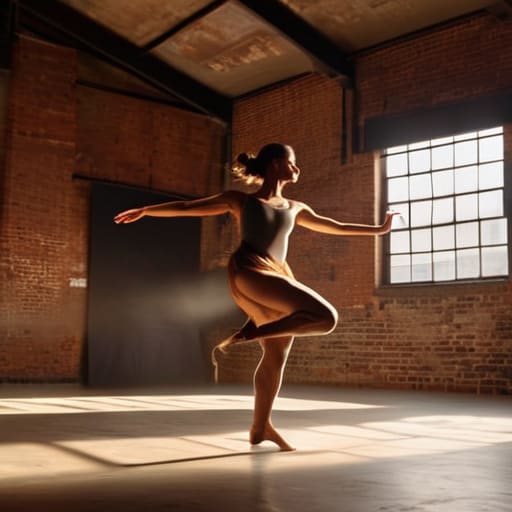
I remember sitting in a drafty, converted warehouse in Chicago last autumn, the kind of place where the scent of floor wax and old brick hangs heavy in the air. I wasn’t there for a polished ballet, but for a piece of modern dance that felt more like a conversation than a performance. There was no rigid geometry, just the raw, rhythmic sound of bare feet hitting the wood and the heavy, intentional breath of a dancer lost in a moment of pure, unscripted tension. It wasn’t “pretty” in the traditional sense, but it was profoundly human, and it stayed with me long after I walked back out into the cool night air.
I’m not interested in the academic jargon or the pretension that often surrounds this art form. My goal here isn’t to teach you the technical terminology that keeps people at arm’s length; rather, I want to help you actually feel the movement. I promise to share my observations on how to look past the abstraction to find the soul beneath the motion. We are going to explore how to appreciate the weight, the silence, and the quiet beauty of a body in motion, without any of the unnecessary hype.
Table of Contents
Tracing the History of Modern Dance Techniques
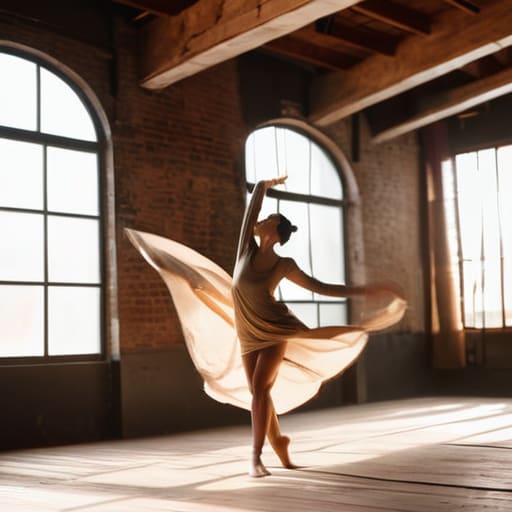
I remember sitting in the archives back in Ann Arbor, flipping through old, grainy photographs of dancers from the early twentieth century. There was a certain weight to those images, a sense that something fundamental was shifting. To understand the history of modern dance techniques, you have to look past the polished grace of the ballet stage and see the rebellion. It wasn’t just about new steps; it was a rejection of the rigid, artificial structures that had governed the body for centuries. Dancers like Isadora Duncan weren’t looking for perfection; they were looking for truth.
They sought artistic expression through movement that felt as raw and unpredictable as a sudden downpour. Instead of the gravity-defying leaps of the classical era, these pioneers embraced the floor, the breath, and the heavy, beautiful reality of weight. They traded silk slippers for bare feet, finding a new language in the tension between stillness and sudden, explosive energy. It was a transition from performing a role to inhabiting a feeling, a shift that turned the stage into a space for something much more deeply human.
The Art of Artistic Expression Through Movement
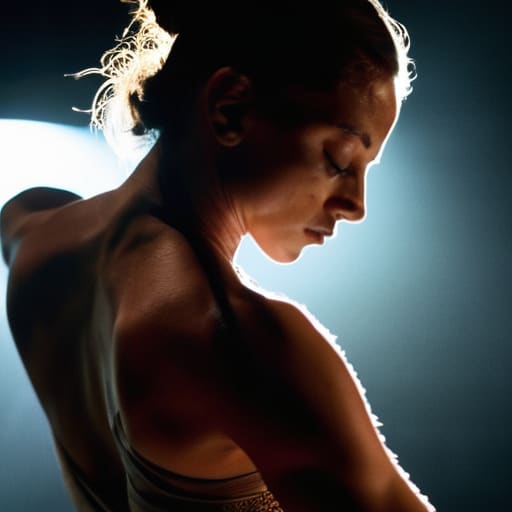
When I sit in the corner of a darkened theater, watching a performer navigate the stage, I’m not looking for perfect geometry or the rigid precision of a ballet corps. I’m looking for that heavy, unspoken tension in a dancer’s shoulders—the kind that tells a story without a single word being uttered. This is where the true essence of artistic expression through movement resides. It isn’t about the athletic feat of a leap, but rather the way a body yields to gravity or resists it, creating a visual language that feels as intimate as a whispered secret in a jazz club.
To truly appreciate this, one has to look past the spectacle and observe the intentionality of every gesture. It’s a delicate balance of breath and muscle, where the dancer uses their entire being to channel an emotion that words often fail to capture. While many focus on the technicalities of expressive movement styles, I find myself drawn to the pauses—the stillness between the motions. It is in those quiet, suspended moments that the dancer connects with the audience on a visceral level, leaving us with a feeling that lingers long after the curtain falls.
How to Truly Listen When the Body Starts to Speak
- Stop looking for the perfection of a line. In my years archiving old films, I’ve learned that the most profound moments aren’t in the flawless extension, but in the slight, trembling hesitation before a leap. Look for the breath, not just the limb.
- Pay attention to the silence between the movements. Just as a jazz soloist uses the space between notes to build tension, a dancer uses the stillness to ground the room. Don’t rush to the next big motion; let the quiet settle in your bones first.
- Watch the relationship between the dancer and the floor. Modern dance isn’t about defying gravity like a ballerina; it’s about a heavy, honest conversation with the earth. Notice how they use their weight to find gravity, rather than fighting it.
- Seek out the grit beneath the grace. There is a certain beauty in the sweat and the visible effort of a body pushed to its limit. It reminds me of a worn vinyl record—there’s a soul in the imperfections that a pristine digital file simply can’t replicate.
- Let yourself feel the rhythm of the emotion, not just the tempo of the music. Sometimes the most moving modern pieces move against the beat entirely. Don’t try to count the steps in your head; instead, try to find where the movement lives in your own chest.
What Lingers After the Music Fades
Modern dance isn’t a set of rules to memorize, but a rebellion against them—a way to find truth in the raw, unpolished movements that ballet often polishes away.
To truly appreciate the craft, you have to stop looking for perfect symmetry and start looking for the intention behind a single, heavy breath or a sudden, sharp stillness.
The history of the form is a map of human emotion; every technique we see on stage is just a way of making the invisible, internal struggles of the soul visible to the rest of us.
The Weight of a Single Gesture
“Modern dance isn’t about the spectacle of a leap or the precision of a turn; it’s about that heavy, quiet moment when a dancer stops fighting the gravity of the room and finally starts breathing with it. It’s the movement that happens in the pauses, the kind that lingers in your mind long after the music has faded into the shadows.”
Petra Lindgren
The Final Bow
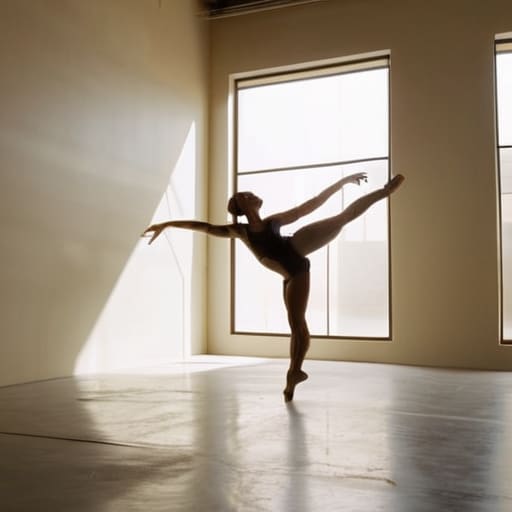
As I sit here in the quiet of my study, looking over my sketches of the stage architecture, I find myself reflecting on how much we have covered. We have traced the evolution of these movements from their rebellious, structured beginnings to the raw, uninhibited expression that defines the genre today. Modern dance isn’t just a collection of technical shifts or a timeline of historical milestones; it is a living, breathing dialogue between the human body and the space it occupies. It is the way a dancer uses gravity to tell a story of struggle, or how a sudden, sharp movement can pierce the silence of a room just as effectively as a trumpet blast in a jazz club. It is about the intentionality of every breath taken before the music even begins.
I hope that the next time you find yourself in a darkened theater, you don’t just watch the dancers—I hope you feel them. Don’t rush to check your watch or think about tomorrow’s errands. Instead, allow yourself to sink into the shadows and notice the way a single gesture can linger in your mind long after the curtain falls. Life moves far too quickly for us to miss these moments of profound, quiet beauty. Let the movement remind you to slow down and notice the details, for it is in those unscripted, breathless moments that we truly find what stays with us.
Frequently Asked Questions
How can I begin to appreciate the subtle storytelling in a piece if I don't understand the specific movement vocabulary being used?
Don’t worry about the terminology; you don’t need a glossary to feel a heartbeat. When I sit in a darkened theater, I stop trying to “read” the steps and start looking for the intention behind them. Watch the tension in a dancer’s hands or the way a sudden stillness breaks the rhythm. If you focus on the breath and the weight of the movement, the story will find you. Just let yourself feel it.
Is there a way to experience modern dance that feels more intimate, perhaps away from the grand, polished stages of the major companies?
I often find myself seeking exactly that. The grand stages have their majesty, certainly, but they can feel a bit distant, almost untouchable. If you want to feel the pulse of the movement, look toward the basement studios and the small, unpolished black-box theaters. There is something profoundly moving about seeing a dancer’s breath in a cramped room, where the grit of the floor meets the sweat of the effort. That’s where the real soul lives.
Where is the line between raw, uninhibited expression and something that feels too abstract to truly connect with?
It’s a delicate thing, isn’t it? I often think of it like a jazz solo. If it’s all technical scales, it’s cold; if it’s pure chaos, it’s just noise. The line is found in the intention. When a dancer moves, I’m not looking for a storybook plot, but for a recognizable human impulse—a reach, a recoil, a heavy breath. If I can feel the weight of their emotion, the abstraction doesn’t matter.
