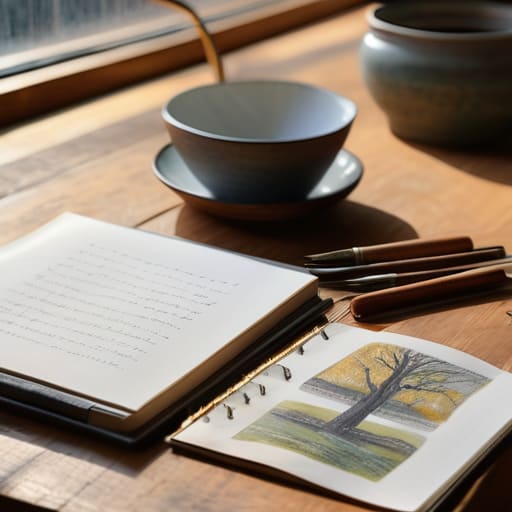
I remember sitting in the basement of the municipal archives back in ’84, surrounded by the scent of vanilla-scented decay and dust motes dancing in the dim light of a single desk lamp. I spent months meticulously cataloging a single collection of handwritten letters, realizing then that curating collections isn’t about the sheer volume of what you possess, but about the weight of the stories those objects carry. Most people today seem to think that curation is just another word for “hoarding” or “organizing,” a frantic attempt to manage the endless digital clutter that floods our lives. They mistake quantity for quality, filling their shelves and hard drives with noise that ultimately says absolutely nothing.
I’m not here to teach you how to build a massive, impressive inventory or how to use some complex software to track your acquisitions. Instead, I want to share what forty years of handling history has taught me about the art of the intentional choice. I promise to show you how to strip away the excess and focus on the few things—be it music, books, or memories—that actually possess the soul to stay with you long after the lights go up.
Table of Contents
Museum Curation Techniques for the Quiet Soul
In my years spent among the dust and silence of the archives, I learned that a collection is never just a pile of things; it is a conversation. When we apply professional museum curation techniques to our own lives—whether that is a shelf of jazz records or a small stack of old postcards—we aren’t just organizing. We are selecting the voices that deserve to be heard. It requires a certain discipline to look at an object and ask if it truly holds a piece of the story you want to tell, or if it is merely occupying space.
True curation is about intentionality over volume. Just as a professional follows strict archival preservation standards to ensure a document survives the century, we must treat our personal treasures with a similar reverence. Don’t just accumulate; choose pieces that possess a certain weight, a certain resonance. If a song or a photograph doesn’t make you pause and catch your breath, it might not belong in the inner sanctum of your evening. We should aim to build a life that feels less like a cluttered attic and more like a carefully lit gallery.
Building a Private Art Collection With Intention
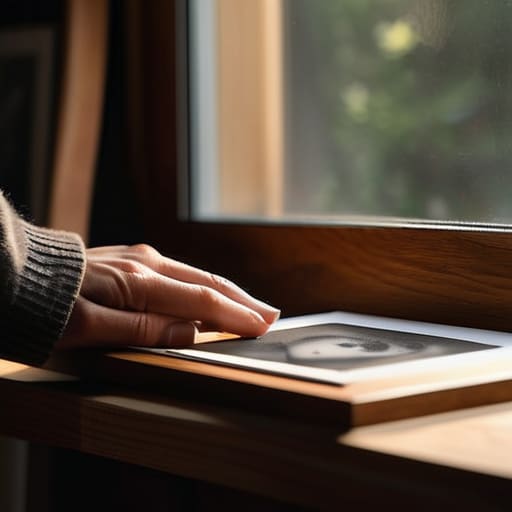
When I first stepped away from the archives, I realized that the impulse to collect didn’t leave me; it simply changed its shape. In my professional life, I followed strict archival preservation standards to protect the integrity of the past. Now, when I look at a piece of art—perhaps a charcoal sketch found in a dusty corner of a gallery or a print that catches the evening light just right—I find myself applying those same principles, but with a much softer heart. Building a private art collection shouldn’t feel like an accumulation of assets or a race to own something expensive. Instead, it should be a slow, deliberate process of finding pieces that speak to your own quietest moments.
I’ve found that the most meaningful way to approach this is through curatorial storytelling methods. Rather than buying things simply because they are “good,” ask yourself what story they tell when they sit together on your wall. Does a particular landscape evoke the same melancholy as a specific jazz record? When you curate with intention, you aren’t just decorating a room; you are mapping the landscape of your own soul.
The Small Rituals of a Thoughtful Collection
- Listen for the resonance, not just the sound. When you’re adding a new record or a piece of pottery to your shelves, don’t ask if it fits the space; ask if it holds a memory or a feeling that you want to revisit on a rainy Tuesday. A collection should be a map of your internal landscape, not just a display of things you bought.
- Respect the gaps. In my years in the archives, I learned that the empty spaces between artifacts are just as important as the objects themselves. Don’t feel the need to fill every corner of your life immediately. A collection needs room to breathe, allowing each piece its own moment of dignity.
- Prioritize the tactile over the digital. There is a profound, quiet joy in the weight of a heavy book or the slight scratch of a needle hitting vinyl. We live in such a frictionless world now; I find that the most meaningful collections are those that demand something of our hands and our patience.
- Trace the lineage. I often find myself sketching the cornices of old buildings just to understand how they were built. Do the same with your things. Learn where your objects came from—the maker, the era, the history. When you know the story behind a piece, it ceases to be an object and becomes a companion.
- Curate for the shadows. We often design our lives for the bright, midday sun, but our collections should be meant for the dim lights of a late evening. Choose things that look beautiful in the soft glow of a lamp or the flicker of a candle. If an object doesn’t invite you to slow down and settle in, it probably doesn’t belong in your inner sanctum.
The Quiet Essentials of a Life Well-Curated
Stop collecting for the sake of volume; instead, look for the single record or the worn photograph that actually demands your attention when the room goes quiet.
Treat your personal space like a living archive, where every object has a story worth telling and a rightful place among the shadows.
Prioritize the atmosphere over the inventory, remembering that a collection is only as good as the mood it helps you cultivate.
The Weight of What We Keep
A collection shouldn’t be a tally of things we’ve acquired, but a map of the moments that actually moved us. It’s not about filling a shelf; it’s about finding those few, quiet pieces that make a room feel like it has a heartbeat.
Petra Lindgren
The Resonance of a Life Curated
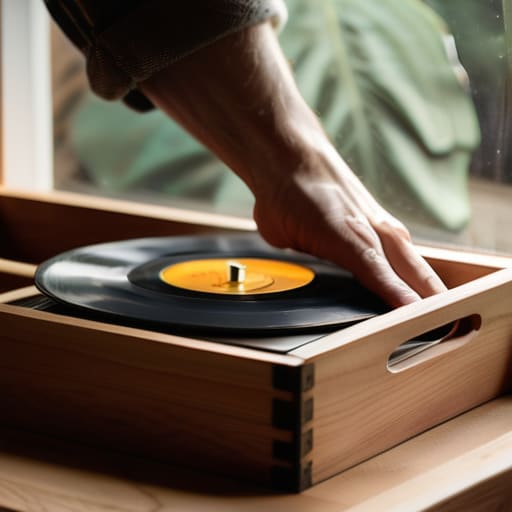
At the end of the day, whether you are organizing a vast archive of historical documents or simply deciding which records to spin on a rainy Tuesday, the principle remains the same. It isn’t about the sheer volume of what we possess, but about the intentionality of the selection. We have explored how the meticulous eye of a museum professional can guide our personal tastes, and how treating our surroundings like a private gallery allows us to live with more purpose. By applying these methods, we move away from the clutter of the modern world and toward a life where every object and every melody serves a specific, soulful function. We are not just collecting things; we are building an environment that reflects who we truly are.
As I sit here in the dim light of my study, listening to the soft crackle of a Miles Davis pressing, I am reminded that the best collections are never truly finished. They are living, breathing things that grow as we grow. Don’t feel pressured to fill every empty shelf or every silent corner of your home immediately. Instead, allow your collection to breathe, to evolve, and to surprise you. Let us stop chasing the new and start cherishing the enduring. After all, the most beautiful things in life aren’t the ones that shout the loudest, but the ones that whisper to us long after the music has stopped and the lights have dimmed.
Frequently Asked Questions
How do I know when a collection has become too crowded and lost its sense of purpose?
It’s a quiet realization, usually felt before it’s seen. You know a collection has lost its way when you stop looking at the individual pieces and start seeing only the mass. When you find yourself tidying things just to clear space, rather than arranging them to tell a story, you’ve crossed the line. If the objects no longer spark a specific memory or a sense of wonder, they’ve become mere clutter. It’s time to let some go.
Is there a way to curate an atmosphere for a home without it feeling like a museum?
The secret is to let the objects breathe. A museum is a place of stillness and untouchable perfection, but a home should feel lived-in. Don’t aim for a pristine display; aim for a conversation. Place that heavy ceramic bowl near the record player where you’ll actually use it, or let a stack of books lean casually against a lamp. Curate for the senses—the warmth of a lamp, the texture of a rug—rather than just for the eyes.
How do I begin finding those rare, meaningful pieces when I'm used to the convenience of modern shopping?
It’s a hard habit to break, isn’t it? That instant gratification of a click can feel like a shortcut, but it rarely leads to a discovery. To find the real treasures, you have to embrace the friction. Start by visiting the places that require a bit of patience—those dusty corner shops or estate sales where the history isn’t labeled. You have to learn to look, not just scan. The best pieces aren’t found; they’re unearthed.
