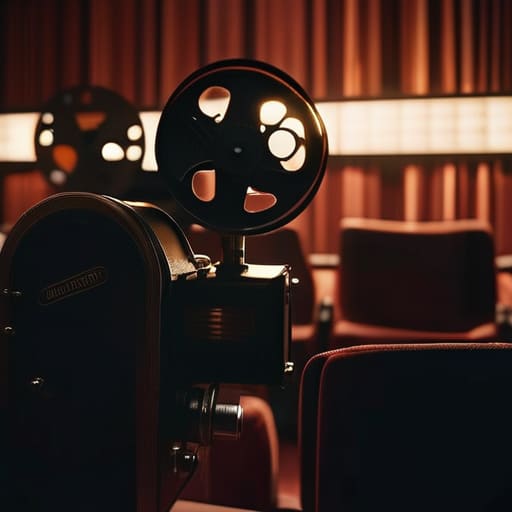
I remember sitting in a cramped, velvet-seated theater in Ann Arbor back in the late seventies, the air thick with the scent of stale popcorn and old floor wax. There was no digital sheen, no booming surround sound designed to rattle your teeth—just a single, flickering projector and a story that felt uncomfortably real. That was my introduction to the raw, unvarnished power of indie cinema. It wasn’t about the spectacle or the star power; it was about that quiet, heavy moment when the screen goes dark and you realize you aren’t quite the same person you were two hours ago.
I’m not here to give you a list of trendy festival winners or tell you which streaming service is currently “trending.” Instead, I want to help you navigate the noise to find the films that actually possess a soul. We are going to look past the marketing fluff and focus on the directors who aren’t afraid of silence or shadows. My promise to you is simple: I will guide you toward the stories that demand you slow down, sit still, and truly notice the details before the credits roll.
Table of Contents
Chasing Shadows Cinematography in Arthouse Films
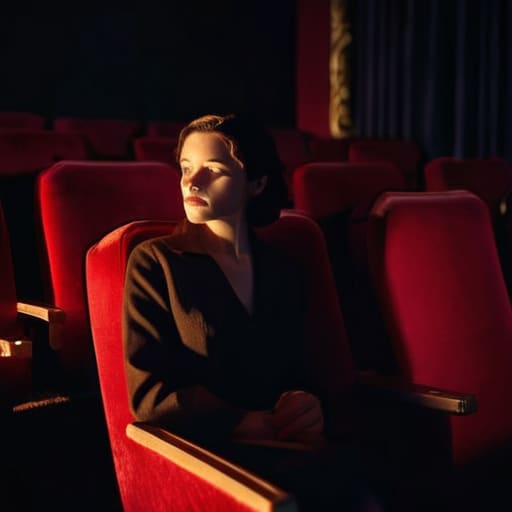
There is a specific kind of magic that happens when a director stops trying to illuminate everything and instead learns to embrace the dark. In the world of cinematography in arthouse films, shadows aren’t just the absence of light; they are a narrative tool used to pull the viewer into the character’s internal solitude. I often find myself sitting in those cramped, velvet-seated theaters, watching how a single, flickering lamp can say more about a protagonist’s grief than a page of dialogue ever could.
It’s a stark departure from the polished, over-lit spectacle of modern blockbusters. Instead, we see the raw beauty of low budget filmmaking techniques, where the limitations of the gear actually force a deeper sense of intimacy. When a filmmaker works with limited resources, they can’t hide behind digital sheen. They have to rely on the texture of a grain, the way light hits a weathered face, or the deliberate use of negative space. It’s in these intentional, unpolished moments that I find the true soul of the medium—the kind of visual poetry that lingers in your mind long after you’ve stepped back out into the streetlights.
The Soul of Independent Film Production
There is a specific kind of magic that happens when a film is born not from a boardroom, but from a shared obsession. When I look at the most enduring works, I don’t see the polished, sterile perfection of a studio lot; instead, I see the grit and the beautiful imperfections of low budget filmmaking techniques. There is a certain honesty in a shot that feels slightly handheld or a scene lit by nothing more than a single window. It reminds me of the old jazz clubs I frequent—the music is better when you can hear the slight creak of the floorboards beneath the performer.
This raw energy is the heartbeat of independent film production. It’s where the director’s singular vision isn’t diluted by a committee trying to please everyone. You can see the fingerprints of the creator in every frame, a concept we often call auteur theory in indie movies. It’s about that relentless pursuit of a feeling, often fueled by nothing more than passion and a few good friends. When you strip away the excess, you’re left with the pure, unadulterated soul of the story.
How to Truly Watch a Film (Without Checking Your Phone)
- Seek out the small, velvet-seated theaters. There is a particular kind of magic in a room that smells slightly of old dust and popcorn, where the screen is the only thing that matters.
- Embrace the silence. In an age of constant noise, an indie film asks you to sit with the quiet moments. Don’t rush to fill the gaps; let the stillness tell you something about the characters.
- Look for the imperfections. A slight grain in the film or a shadow that lingers a second too long isn’t a technical flaw—it’s the fingerprint of a human being behind the lens.
- Read the credits, but slowly. Instead of rushing to the exit, stay for a moment to appreciate the names of the people who built that world with nothing but passion and a limited budget.
- Discuss it over something slow. A film shouldn’t end when the lights come up. Take it to a quiet corner of a bar or a late-night diner and let the images settle into your bones before you try to make sense of them.
The Quiet Lessons of the Independent Lens
Seek out the imperfections; it is often in the grain of the film and the unpolished edges of a performance that we find a reflection of our own messy, beautiful lives.
Resist the urge to check your watch; true cinema demands a certain stillness, asking you to trade the frantic pace of the modern world for the slow burn of a story told with intention.
Look beyond the plot to the atmosphere; the most enduring films aren’t just stories we watch, but moods that settle into our bones and stay with us long after the credits roll.
The Quiet Resonance of the Frame
“Mainstream films are designed to be consumed like a quick meal, but indie cinema is more like a slow jazz improvisation; it doesn’t demand your immediate attention, but if you sit still long enough in the dark, it begins to settle into your bones.”
Petra Lindgren
The Last Frame
As we’ve seen, indie cinema is far more than just a budget constraint or a lack of marketing; it is a deliberate choice to prioritize texture over spectacle. From the way a single shadow can tell a story more effectively than a thousand digital explosions, to the raw, unpolished heartbeat of a production made on a shoestring, these films demand something of us. They require us to look closer, to sit through the silences, and to appreciate the humanity found in the imperfections. When we strip away the gloss of the studio machine, we are left with the bones of true storytelling—the parts that actually linger in the mind long after the projector has hummed to a stop.
So, the next time you find yourself scrolling through endless streaming menus, I urge you to stop. Turn off the bright lights, find a small corner of a quiet theater, or simply settle into a comfortable chair with a film that promises nothing but unfiltered truth. Don’t just watch a movie; let it settle into your bones. In a world that is constantly shouting for our attention, there is a profound, quiet rebellion in choosing to listen to the whispers. Find those stories that make the world feel a little more intimate, and let them remind you why we bother to look for beauty in the dark in the first place.
Frequently Asked Questions
Where can one find these small, independent theaters that haven't been swallowed up by the big multiplexes?
You won’t find them on a flashy billboard or a crowded shopping mall directory. You have to look closer. Start by wandering the older districts, the ones with the weathered brick and the history written in the cornices. Look for the single-screen houses tucked between cafes or the repurposed old libraries. Often, the best way is through word of mouth or local arts bulletins. They aren’t trying to be loud; they’re just waiting to be found.
How do I begin to distinguish a truly meaningful arthouse film from something that is simply trying too hard to be obscure?
It’s a fine line, isn’t it? I often find myself leaning forward in my seat, notebook in hand, asking if the silence is heavy with meaning or just empty. A truly meaningful film doesn’t demand your attention through confusion; it earns it through intention. If the abstraction feels like a mask for a lack of substance, it’s likely just posturing. But if the stillness makes you look closer at the light hitting a glass, you’ve found something real.
Is there a way to support these filmmakers directly, rather than just being a passive observer in the dark?
It’s a valid question, and frankly, one I’ve pondered while sitting in those nearly empty rows. If you want to do more than just watch, start by showing up. Buy the physical media—those boutique Blu-ray releases are lifelines for small studios. Attend local screenings, join a film society, or even look into crowdfunding. When we move from being mere spectators to active patrons, we ensure these quiet, essential voices aren’t lost to the noise.
