I was sitting in a dimly lit jazz club in Chicago last Tuesday, watching a young designer struggle with a tabletop menu that felt more like a mathematical equation than an invitation to eat. It was cluttered with unnecessary flourishes and heavy, aggressive fonts that seemed to shout over the soft bassline of the quartet. This is the great misconception of our modern era: that minimalism in design is merely about stripping things away until they feel cold, sterile, or—heaven forbid—expensive. People mistake emptiness for elegance, forgetting that true restraint isn’t about having nothing; it’s about making sure everything that remains actually has a reason to be there.
I’m not here to sell you on a trend or a way to make your living room look like a high-end hospital wing. Instead, I want to share what forty years of preserving history has taught me about the power of the unspoken detail. We are going to look at how to use space to create room for the soul to breathe, focusing on how intentionality can turn a cluttered existence into a curated one. I promise to skip the jargon and focus on the quiet, meaningful bones of how we shape the world around us.
Table of Contents
Embracing the Less Is More Philosophy
I’ve often found that the most profound moments in a jazz club don’t happen during the frantic crescendos, but in those quiet, suspended notes where the silence itself becomes part of the music. That is the essence of the less is more philosophy. In my years as an archivist, I learned that a collection isn’t defined by how much you can cram into a drawer, but by the significance of what you choose to keep. When we apply this to our surroundings, we aren’t just throwing things away; we are making room for the things that actually matter.
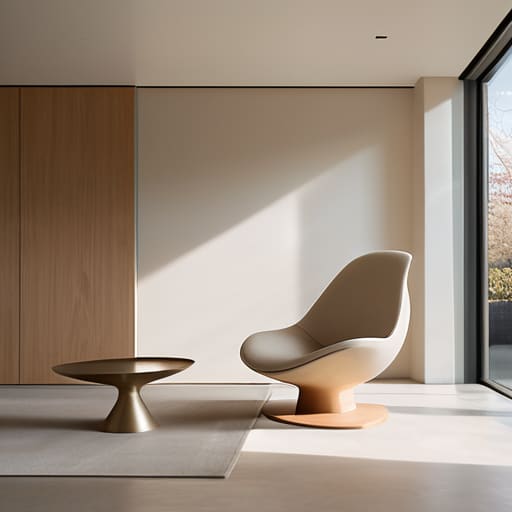
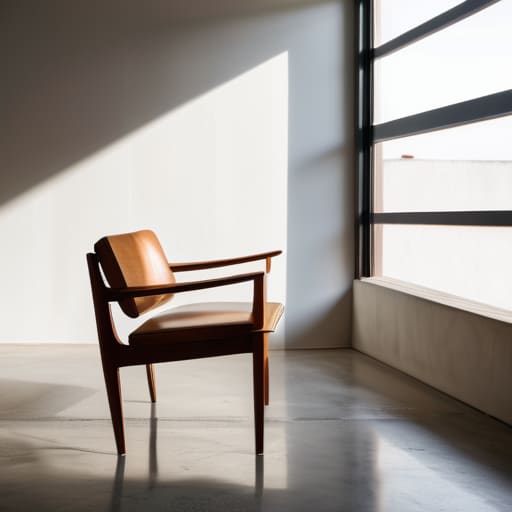
It’s about moving away from the noise and toward a sense of intentionality. When I look at a room through the lens of minimalist interior design principles, I don’t see emptiness; I see breathing room. I see the way light hits a single wooden chair or how a vast, unadorned wall allows a single piece of art to finally speak. By embracing the concept of negative space, we stop fighting for our attention and start allowing our environment to offer us a moment of genuine peace.
Finding Stillness Through Negative Space in Visual Design
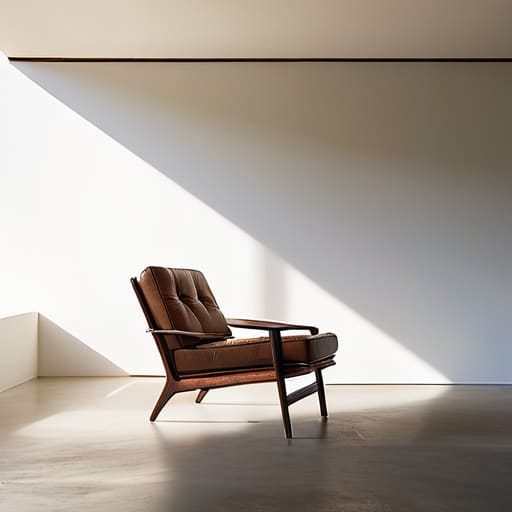
I’ve always found that the most profound moments in an old jazz club aren’t found in the crescendo, but in the breath a musician takes between notes. There is a certain tension, a beautiful sort of waiting, that gives the melody its meaning. I see the exact same principle at work when we look at negative space in visual design. It isn’t merely “empty” territory or wasted real estate; rather, it is the silent partner that allows the subject to actually speak. Without those margins, a composition becomes a cluttered room where no one can hear themselves think.
When a designer understands how to use this emptiness, they aren’t just stripping things away; they are creating a sanctuary for the eye. It reminds me of the way a single, well-placed piece of furniture can anchor a room, much like how a single, clear line of sight can define an entire architectural hall. By embracing the form follows function concept, we allow the essential elements to breathe. We stop trying to fill every corner with noise and instead start valuing the quiet, intentional gaps that give a piece its soul.
The Quiet Details: Five Ways to Let Design Breathe
- Focus on the single note. In jazz, the most powerful moment isn’t the frantic solo; it’s the silence between the notes. In design, try to identify the one element that actually matters and let everything else fade into the background.
- Choose quality over clutter. I’ve spent a lifetime handling fragile, beautiful manuscripts; you learn quickly that one well-preserved page is worth more than a stack of junk. Don’t fill a space just to fill it; select pieces that have a reason to exist.
- Respect the shadows. We often feel the need to light every corner, but there is a profound dignity in what remains unseen. Use contrast and depth to guide the eye, rather than shouting for attention with bright, unnecessary colors.
- Prioritize the tactile feeling. A good design should feel like a heavy linen shirt or the weight of a well-worn vinyl sleeve. Even in a digital space, the “texture”—the rhythm of the layout and the balance of the lines—should feel intentional and grounded.
- Practice the art of the edit. My best work in the archives wasn’t about what I added to the collection, but what I carefully curated to ensure the story remained clear. If an element doesn’t serve the soul of the piece, have the courage to let it go.
Lessons for a Quieter Life
Minimalism isn’t about emptiness; it’s about making sure every single thing you choose to keep actually deserves its place in the room.
We must learn to value the “negative space”—the pauses between the notes—because that is where the real meaning begins to settle.
True design should act like a well-worn jazz record: it shouldn’t demand your attention with noise, but rather invite you to lean in and listen.
The Weight of What We Leave Out
“True design shouldn’t feel like a crowded room where everyone is shouting to be heard; it should feel like that first, quiet note of a Miles Davis trumpet solo—the kind that gives you permission to finally sit down and just breathe.”
Petra Lindgren
The Quiet After the Music
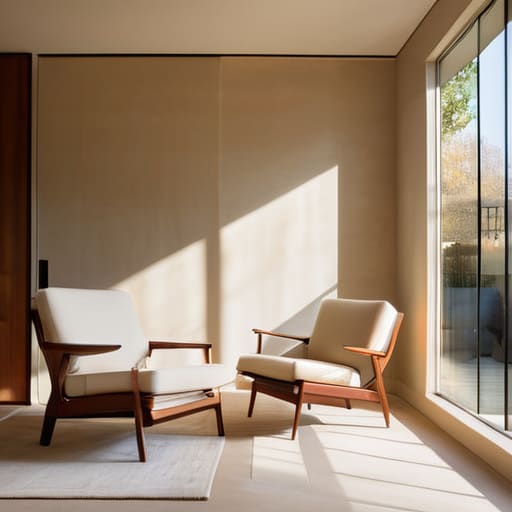
As we’ve explored, minimalism isn’t about stripping a room or a design until it feels cold or hollow; it is about the intentionality of what we choose to leave behind. By embracing the “less is more” philosophy and understanding the profound weight of negative space, we aren’t just cleaning up a visual field—we are creating a sanctuary. We have seen how removing the unnecessary noise allows the essential elements to finally speak their truth, much like how a single, well-placed note in a jazz solo can carry more emotional weight than a frantic crescendo. It is about finding that delicate balance where the design stops competing for our attention and starts offering us a place to rest.
In my years spent among dusty archives and old records, I’ve learned that the most meaningful things are rarely the loudest. The beauty of a minimalist approach lies in its ability to foster a sense of purposeful stillness in an increasingly cluttered world. I encourage you to look at your own surroundings, your digital spaces, and even your schedules, and ask yourself what truly serves the soul. Don’t be afraid of the empty spaces or the quiet moments. It is in those very gaps that we often find the room to breathe, to think, and to truly notice the world around us.
Frequently Asked Questions
How do we keep a minimalist space from feeling cold or uninviting, like a room that’s forgotten its soul?
It’s a common fear, isn’t it? That a clean room might end up feeling more like a gallery than a home. To keep the soul intact, you have to lean into texture and warmth. Think of it like a jazz record; the silence between the notes is vital, but it’s the grain of the vinyl and the warmth of the brass that makes it feel alive. Add a worn leather chair or a soft lamp, and the space breathes.
Is there a way to apply these principles to our busy daily lives without losing the textures and memories that make us who we are?
It’s a delicate balance, isn’t it? I often worry that in our rush to declutter, we might accidentally sweep away the very things that give our lives their grain and character. To me, it isn’t about stripping everything bare; it’s about curation. Keep the worn leather journal or the cracked vinyl record—the things that hold a story—but let go of the digital noise. Minimalism should be the frame, not the painting itself.
Where is the line between intentional simplicity and just having nothing worth looking at?
It’s the difference between a well-curated record collection and an empty shelf. Intentionality lives in the purpose behind the choice. When I walk into a jazz club, the dim lighting and sparse decor aren’t there because they ran out of budget; they’re there to direct your soul toward the music. Simplicity becomes emptiness when it lacks a heartbeat. If a design doesn’t leave you with a sense of warmth or a specific feeling, it’s just vacant.
