
Last Tuesday, I found myself sitting in the back corner of a dim jazz club in Ann Arbor, the kind of place where the air feels heavy with history and the scent of old wood. As the saxophonist leaned into a particularly mournful blue note, I realized I wasn’t just listening to a melody; I was listening to the way the room breathed, the subtle hum of the refrigerator in the corner, and the rhythmic clink of ice against glass. This is the heart of what academics call soundscape ecology, but to me, it has always been about something much more intimate. It isn’t just a scientific study of acoustic environments; it is the art of truly hearing the world we inhabit before the noise of modern life drowns it all out.
I have no interest in lecturing you with dry, textbook definitions or complex diagrams that strip the soul out of the experience. Instead, I want to share how you can begin to reclaim your senses by noticing the hidden layers of sound in your own backyard or favorite city street. My promise to you is simple: we are going to explore this field through a lens of quiet observation and genuine curiosity. I’ll show you how to slow down, listen closer, and find the beauty in the unseen rhythms that make a place feel like home.
Table of Contents
Listening for Life Using Auditory Biodiversity Assessment
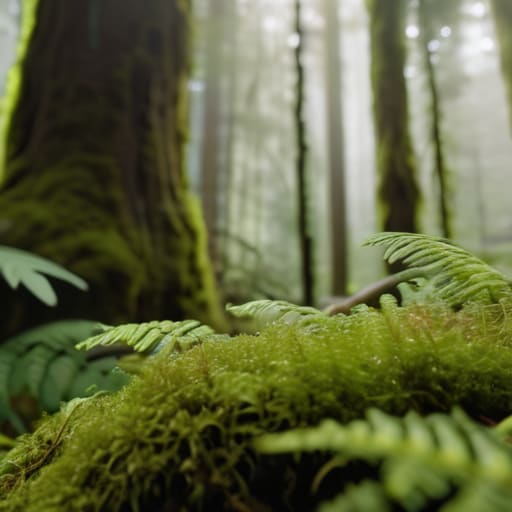
Listening for Life: Using Auditory Biodiversity Assessment
When I was working in the archives, we looked for the truth in the margins of old ledgers—the tiny, overlooked notes that told the real story. I find that same principle applies when we look at the natural world through sound. Using auditory biodiversity assessment isn’t just about recording noise; it’s about learning to read the symphony of an environment. By studying the specific frequencies used by different species, we can see how they carve out their own space. This is what scientists call the acoustic niche hypothesis, the idea that every creature has its own “slot” in the orchestra to ensure its song is heard.
Of course, this delicate balance is under constant pressure. We can’t ignore the heavy anthropogenic noise impact—the constant, low-frequency hum of our highways and machinery that threatens to drown out the subtle calls of the wild. When we monitor these sounds, we aren’t just collecting data; we are looking for ecosystem health indicators. If the birds fall silent or the insects lose their rhythm, it tells us something profound is wrong. It’s a reminder that even the smallest shift in the background can change the entire melody of a place.
The Hidden Rhythms of the Acoustic Niche Hypothesis
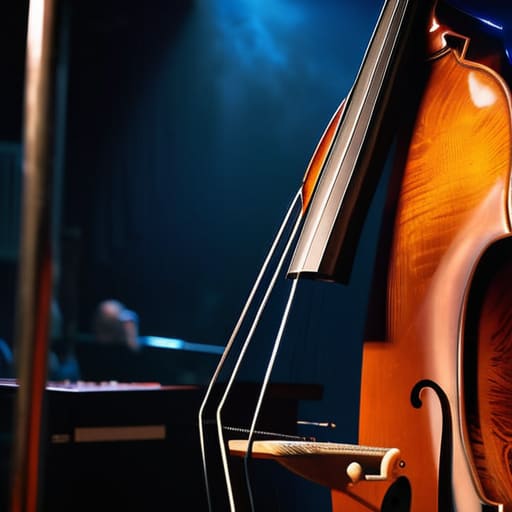
I’ve always found a certain comfort in the way a well-curated jazz club operates. There is a delicate balance in the room; the upright bass doesn’t fight the piano, and the brushwork on the snare finds its own pocket of space. This isn’t just good musicianship; it is a living example of the acoustic niche hypothesis. In nature, much like in a smoky basement club, every creature has evolved to “sing” at a specific frequency or time of day to avoid overlapping with its neighbors. It is a masterful way of sharing the air without stepping on anyone’s toes.
When we look at a forest or a meadow through this lens, we realize that silence isn’t actually empty. Instead, it is a complex, layered arrangement where every species has claimed its own unique corner of the spectrum. However, I worry that we are losing this intricate harmony. The creeping anthropogenic noise impact from our highways and cities acts like a loud, uninvited guest at a private concert, drowning out these subtle signals. If we want to truly understand the pulse of a place, we have to protect these narrow, precious windows of sound.
A Few Ways to Tune Your Ears to the World
- Find a pocket of stillness. It’s hard to hear the subtle layers of a city or a forest if you’re walking with a purpose. Sit on a bench, lean against a brick wall, and let your momentum fade until the environment starts to speak back to you.
- Learn the difference between noise and sound. Most of what we hear is just “noise”—the mechanical hum of traffic or the drone of an air conditioner. Real sound requires intention. Try to filter out the static until you can pick out the singular note of a bird or the rhythmic click of a pedestrian crossing.
- Watch the shadows while you listen. Sound and sight are old friends. When I’m sketching a building, I often find that the way a sound bounces off a stone facade tells me more about the space than the architecture itself. Let your eyes guide your ears.
- Pay attention to the gaps. In my years in the archives, I learned that what isn’t there is often as important as what is. In a soundscape, the silence between the notes—the pauses in the wind or the momentary hush before a storm—is where the true character of a place resides.
- Carry a way to remember. I always keep my notebook close. If a particular sequence of sounds strikes you—a specific melody of evening bells or the way the wind whistles through an alley—jot it down. Don’t just let it pass; give it a place to live so you can revisit it later.
What to Carry With You After the Music Fades
True listening isn’t just about hearing a melody; it’s about recognizing the delicate balance of every sound in a space, much like how a well-composed jazz standard relies on the silence between the notes.
We must learn to view the world not as a chaotic wall of noise, but as a complex, living tapestry where every creature and every rustle has its own rightful place and purpose.
To truly understand our environment, we have to slow down and stop rushing—only when we are still can we begin to hear the subtle, vital rhythms that tell us whether a place is truly alive.
## The Texture of Silence
“We often mistake silence for an absence, but if you sit still long enough, you realize it’s actually a presence—a complex, layered tapestry of life that only reveals itself when we finally stop trying to outrun the noise.”
Petra Lindgren
The Last Note of the Night

As we’ve explored, soundscape ecology is far more than a technical measurement of decibels or a catalog of species; it is a way of understanding the very heartbeat of our world. By looking through the lens of auditory biodiversity and respecting the delicate balance of the acoustic niche, we begin to see how every chirp, hum, and rustle plays a vital role in the larger composition. We realize that when a soundscape falls silent, or becomes a chaotic blur of mechanical noise, we aren’t just losing a melody—we are losing a fundamental piece of our ecological history. It is a reminder that every environment has a unique, fragile signature that deserves our respect and our protection.
I often find myself sitting in the back corner of a dimly lit jazz club, watching the way the light catches the dust motes in the air, and I realize that life works much the same way. We spend so much time rushing toward the next thing that we forget to listen to the song that is currently playing. I hope you’ll take a moment tonight, perhaps when the house is quiet, to simply stop and listen. Don’t just hear the noise; try to find the rhythm beneath it. In those small, intentional pauses, you might just find that the world has much more to tell you if you are patient enough to listen.
Frequently Asked Questions
How can we tell the difference between the natural rhythms of a place and the persistent, artificial hum of the modern city?
It’s a matter of texture, really. The city has a relentless, flat drone—a heavy, mechanical hum that feels like it’s pressing against your ears without ever truly resolving. Nature, however, breathes. It’s a series of distinct, interlocking layers: the sudden trill of a bird, the rhythmic rustle of leaves, or the way wind catches a corner. If the sound feels like a single, unyielding weight, it’s the city. If it feels like a conversation, it’s the earth.
If we start paying more attention to these sounds, does it actually change the way we experience our surroundings, or is it just a fleeting moment of mindfulness?
It’s more than a fleeting moment, though it often starts that way. When you truly lean in, the world stops being a background blur and starts becoming a composition. I’ve found that once you recognize the specific cadence of a city street or the way a room breathes during a jazz set, you can’t “un-hear” it. It changes your relationship to the space; you aren’t just passing through anymore—you’re finally present.
Is there a way to preserve the unique "sonic character" of a neighborhood before it gets drowned out by development and noise?
It’s a question that keeps me up some nights, especially when I see a familiar corner replaced by glass and steel. We can preserve it through “sonic archiving”—recording the specific hum of a local bodega or the way wind whistles through a particular alleyway. But more than just files on a hard drive, we preserve it by slowing down. If we don’t stop to listen to our neighborhoods today, we lose their soul forever.
