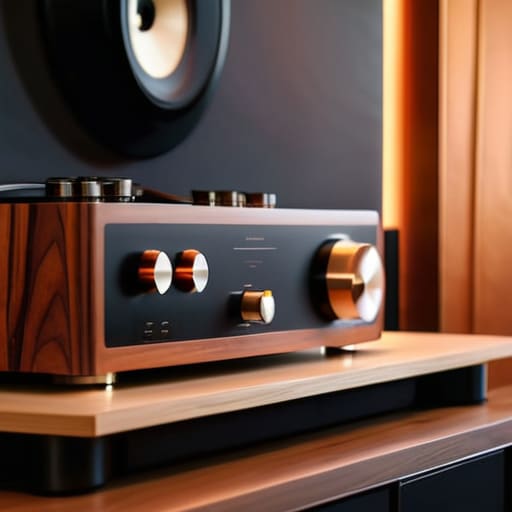
I remember sitting in a cramped, dimly lit basement apartment in Ann Arbor back in ’74, the smell of old paper and stale coffee hanging in the air. I had just acquired my first decent turntable, and for the first time, I wasn’t just hearing music; I was feeling the space between the notes. There is a profound difference between having sound fill a room and truly listening to hi-fi audio with intention. Most people today treat music like background noise, a mere utility to mask the silence of a lonely evening or the hum of a refrigerator, but they are missing the very soul of the performance.
I’m not here to sell you on some impossible, gold-plated dream or a list of gear that costs more than a mid-sized sedan. My goal is much simpler: I want to help you strip away the technical jargon and the marketing nonsense so you can find that same sensory connection I found decades ago. I’ll share what I’ve learned about finding the right balance, focusing on how to cultivate an environment where the music can actually breathe. We aren’t just chasing specs; we are chasing the feeling of a song that stays with you long after the needle lifts.
Table of Contents
Finding Stillness Through Lossless Audio Formats
I remember the first time I truly understood the difference between hearing a song and actually inhabiting it. It wasn’t in a sterile testing lab, but in my small apartment, late one Tuesday, after a long day of sorting through dusty municipal records. I had finally moved away from those compressed, convenient files that seem to strip the life out of every melody. When you commit to lossless audio formats, you aren’t just upgrading a file type; you are reclaiming the breath between the notes. There is a certain stillness that settles over a room when the music no longer feels like it’s being squeezed through a narrow straw.
It’s about the textures—the slight rasp of a singer’s intake of air or the way a cello string vibrates against the wood. To get there, you have to respect the journey from the digital file to the physical air. A clean digital to analog conversion acts like a bridge, allowing that raw, unvarnished emotion to cross over into your living space. When the signal is pure, the world outside the door seems to fade, leaving only the quiet dignity of a perfectly captured performance.
The Magic of Perfect Digital to Analog Conversion
I remember sitting in a cramped basement archive in Ann Arbor, surrounded by the smell of aging paper, thinking about how much we lose when we try to compress time. Digital files are much the same—they are efficient, certainly, but they often strip away the very breath of a performance. The true alchemy happens during digital to analog conversion, that delicate moment where a string of cold numbers is breathed back into life. When that process is done with care, the music ceases to be a mere signal and begins to feel like a physical presence in the room.
It isn’t just about the technical specifications, though I do appreciate a well-calibrated system. It’s about the way a skilled conversion allows for a sense of stereo imaging and soundstage that places you right in the center of the band. You aren’t just hearing a recording; you are feeling the distance between the snare and the upright bass. When the conversion is seamless, the technology disappears entirely, leaving you with nothing but the raw, unvarnished emotion of the artist.
The Ritual of the Listen: Five Ways to Truly Hear
- Clear your table of everything but the essentials. A cluttered space leads to a cluttered mind, and it’s hard to settle into a symphony when you’re staring at a stack of unpaid bills or a half-finished crossword. Give the music its own dedicated territory.
- Respect the physical presence of the record. If you’re spinning vinyl, don’t just drop the needle and walk away. Take a moment to feel the weight of the sleeve, watch the disc catch the light, and treat the act of playing it as a ceremony rather than a chore.
- Mind your seating, but don’t overthink it. You don’t need a specialized throne, but find that one “sweet spot” in the room where the sound feels like it’s wrapping around you rather than hitting you in the face. It’s about being enveloped, not just being a spectator.
- Turn off the glowing distractions. Our phones are the enemies of atmosphere; they are bright, demanding, and entirely too loud in their silence. Put it in another room. Let the only light in the room be the warm glow of a vacuum tube or a dim lamp in the corner.
- Listen for the “room” in the recording. Don’t just focus on the melody; try to hear the space where the musicians were standing. If you listen closely enough, you can almost sense the wood of the cello or the slight echo of the studio walls. That is where the soul lives.
Small Truths for the Intentional Listener
Stop treating music as background noise for a busy life; instead, treat it as a destination where you can finally sit still and be present.
Invest in the clarity of your equipment not for the sake of technical perfection, but to uncover the subtle, human textures that make a recording feel alive.
Remember that the best way to experience high-fidelity sound is to slow down, dim the lights, and allow yourself the luxury of truly listening.
The Texture of a Moment
High-fidelity isn’t about chasing technical perfection or expensive gadgets; it’s about finally being able to hear the breath between the notes and the slight, honest grain of a singer’s voice—the kind of details that remind you that you’re actually alive and present in the room.
Petra Lindgren
The Quiet After the Final Note
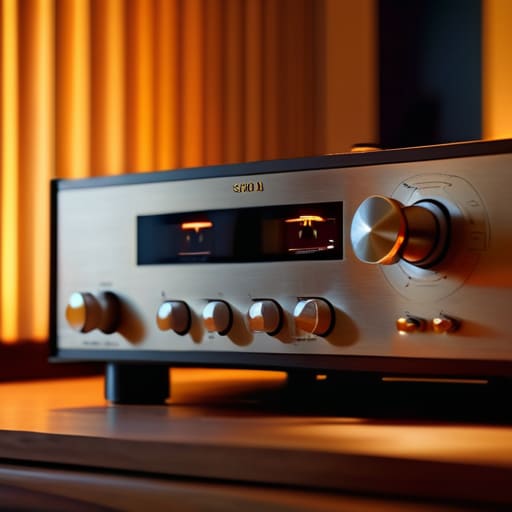
As I sit here in the amber glow of my living room, looking over my notes, I’m reminded that high-fidelity audio isn’t just about the technical specifications of a DAC or the bit rate of a file. It is about the bridge we build between the artist’s intention and our own quiet moments. We’ve discussed how lossless formats preserve the integrity of the performance and how the conversion to analog breathes a certain human warmth back into the signal. When we strip away the compression and the digital artifacts, we aren’t just listening to a recording; we are reclaiming the texture of the sound that makes a piece of music feel alive.
In a world that seems determined to move faster every single day, I hope you choose to slow down. Don’t treat your music as mere background noise for a busy life, but as a destination in itself. Set aside an hour, dim the lights, and let the music occupy the space around you. There is a profound, almost sacred kind of peace found in truly hearing a song from start to finish. After all, the things that actually stay with us aren’t the things we rushed through, but the moments where we finally learned to stop and listen.
Frequently Asked Questions
How much of a difference does the room's acoustics actually make when I'm sitting down to listen?
It makes a world of difference. You can own the finest turntable in the city, but if you’re sitting in a room with bare walls and hard floors, that music will bounce around like a frantic ghost. It loses its warmth. I always say a room needs soul—soft surfaces, perhaps a heavy rug or a velvet curtain—to catch those stray notes. The space isn’t just where you listen; it’s part of the instrument itself.
Is it worth the investment to move from a decent set of speakers to a truly high-fidelity setup?
I’ve spent many evenings staring at my bookshelves, wondering if the upgrade was truly necessary. But here is the truth: it isn’t about the equipment; it’s about the connection. Moving to a high-fidelity setup is like moving from a grainy, black-and-white photograph to standing right in the room with the musicians. If you want to stop merely hearing music and start feeling the weight of every note, yes, it is worth every penny.
Where is the best place to start when trying to build a collection of records or files that actually reward a careful ear?
Don’t go hunting for the most expensive pressings or the latest digital trends right away. Instead, start with your own history. Dig through your old crates or those forgotten digital folders for the albums that once moved you. Revisit them with intention. I’ve found that a well-loved jazz record or a classic folk pressing—something you already have an emotional tether to—is the best way to train your ears to hear the nuances.
