I’ve spent a lifetime organizing the dusty fragments of the past, and if there is one thing I’ve learned, it’s that we often mistake complexity for quality. Too many people approach fine dining experiences as if they are performing a ritual of status, navigating a minefield of stiff waiters and menus that read like technical manuals. I’ve sat through enough suffocatingly quiet rooms to know that when the service becomes more about ego than hospitality, the soul of the evening evaporates. We shouldn’t have to perform a choreographed dance just to enjoy a well-cooked meal; the food should be the conversation, not the obstacle.
In the pages that follow, I want to strip away the pretension and get back to the basics of a truly memorable night. I’m not here to give you a list of places that demand a suit and a heavy wallet, but rather a guide to finding those rare, intentional spaces where the lighting is soft and the rhythm is right. I promise to share my personal notes on the establishments that prioritize substance over spectacle, helping you find those quiet corners where a slow meal actually allows you to feel alive again.
Table of Contents
Mastering the Grace of Michelin Star Dining Etiquette
There is a certain tension that often accompanies a table set with such precision—a quiet anxiety that one might stumble through the unspoken rules. But I have always found that true Michelin star dining etiquette isn’t about performing a rigid script; it is about yielding to the rhythm of the room. When you sit in a space defined by a curated upscale restaurant ambiance, the goal is to let the formality settle into the background, much like the low hum of a bass line in a jazz club.
The real magic happens when you stop worrying about which fork to reach for and start paying attention to the tasting menu progression. Each course is a movement in a larger symphony, designed to build upon the last. If you find yourself lost in the complexity of a dish, lean into the expertise of the staff. Trusting the sommelier wine pairings to guide your palate is less about showing off your knowledge and more about embracing the expertise of those who have dedicated their lives to the craft. In these moments, the etiquette fades, leaving only the food and the company.
The Quiet Rhythm of Tasting Menu Progression
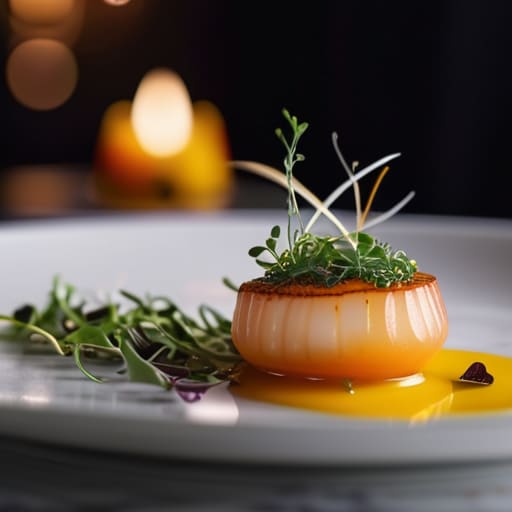
There is a particular kind of magic in the way a tasting menu unfolds—it isn’t a race, though our modern world often feels like one. When I sit down for these meals, I try to treat the tasting menu progression like a well-composed jazz suite. Each course is a movement, a deliberate shift in tempo and texture that builds toward a crescendo. You aren’t just consuming calories; you are following a narrative arc laid out by a chef who has spent years perfecting their craft.
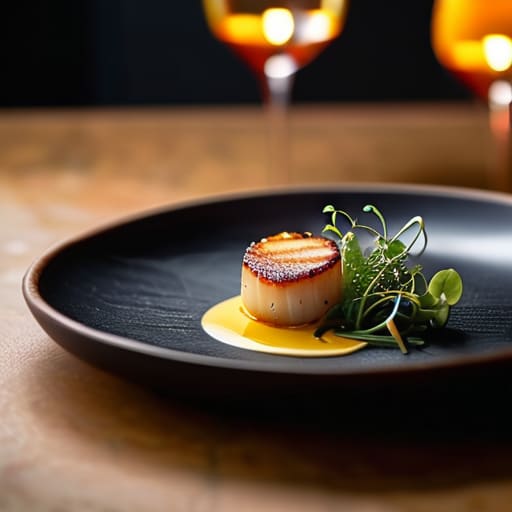
I’ve found that the true beauty lies in the pauses between the plates. It’s in those quiet moments where you let the lingering notes of a sommelier wine pairing settle on your palate before the next dish arrives. This rhythm allows you to actually notice the subtle interplay of high-end culinary techniques—the precise sear of a scallop or the delicate smoke of a reduction. If we rush, we miss the story. To truly honor the experience, one must embrace the slow, steady heartbeat of the table.
Small Rituals for a Truly Intentional Meal
- Leave your phone in your pocket or, better yet, in your coat. A meal is a performance, and you wouldn’t stare at a screen in the middle of a Coltrane solo; treat the arrival of your course with that same reverence.
- Lean into the conversation, not the clock. The greatest mistake people make is treating a tasting menu like a checklist. If the wine is exceptional or the company is deep, let the time stretch. The kitchen can wait; the moment cannot.
- Pay attention to the sensory details between bites. Notice the weight of the silver, the texture of the linen, and the way the candlelight hits the glass. These are the small, tactile anchors that turn a mere dinner into a lasting memory.
- Don’t be afraid to ask the staff about the provenance of a dish. Most servers in these establishments are like the archivists I used to work with—they hold the stories of the ingredients. Engaging with them adds a layer of narrative to your evening.
- Embrace the silence. There is a specific kind of beauty in the quiet lull between courses when you are simply processing a flavor. You don’t always need to fill the air with chatter; sometimes, the food deserves the floor.
The Essentials of a Slowed Evening
View the meal as a narrative rather than a checklist; let each course unfold with the same patience one might afford a well-pressed vinyl record.
Embrace the silence between courses to notice the small details, from the weight of the silver to the way the candlelight catches the glassware.
Remember that true elegance lies in being present, allowing the rhythm of the service to guide you away from the rush of the outside world.
The Soul of the Table
A truly great meal isn’t about the prestige of the menu or the weight of the silver; it’s about that rare, quiet moment when the world outside the restaurant fades away, leaving nothing but the scent of rosemary, the low hum of conversation, and the realization that you are finally, blissfully, in no hurry at all.
Petra Lindgren
The Afterglow of a Perfect Evening
As the final course settles and the weight of the evening begins to soften, I find myself reflecting on what we’ve discussed. Fine dining, at its true heart, isn’t merely about the technical precision of a Michelin-starred kitchen or the rigid adherence to a specific set of rules. It is about the intentionality of the experience—from the way we navigate the subtle dance of etiquette to the patient, rhythmic unfolding of a tasting menu. When we respect the craft and slow our own internal clocks to match the pace of the service, we transform a simple meal into something far more profound. It becomes a way to honor the moment rather than just consuming it.
Eventually, the lights will dim, the check will be settled, and we will step back out into the rush of the city streets. But if we have done it right, we won’t carry the hunger for more; instead, we will carry the lingering memory of a shared silence or a perfectly balanced flavor. I hope you find the courage to stop rushing through your nights and instead seek out those rare, dim-lit spaces where time feels like it might actually stand still. Don’t just eat to be full; eat to remember that there is still magic to be found in the slow, quiet details of a life well-lived.
Frequently Asked Questions
How do I navigate a multi-course tasting menu without feeling rushed or overwhelmed by the pace?
The secret is to stop viewing the menu as a checklist and start seeing it as a composition. When the plates arrive in quick succession, resist the urge to keep pace with the kitchen. Instead, lean back. Take a moment to note the scent of the herbs or the weight of the silver in your hand. If you treat each course as a single, intentional movement rather than a race, the rhythm becomes something you control.
Is it truly necessary to follow strict formal etiquette, or can I still find a sense of personal comfort at such high-end tables?
I’ve sat at many of those heavy linen tables, and I’ll tell you this: the etiquette is merely a scaffolding, not the building itself. It exists to ensure the evening flows without friction, but it shouldn’t feel like a cage. If you lean too hard into the rules, you miss the soul of the meal. Find your center, breathe, and remember that the true grace lies in your presence, not just your posture.
How can I tell if a restaurant’s atmosphere is designed for genuine connection or if it’s just performative luxury?
Look at the lighting and the acoustics. If the room is designed only for the “look”—all mirrored surfaces and deafening music—it’s performative. It’s built for the photo, not the feeling. A space meant for connection respects the silence between words. You’ll find it in the soft glow of a low lamp, the weight of a linen napkin, and a room where you can actually hear the person across from you.
