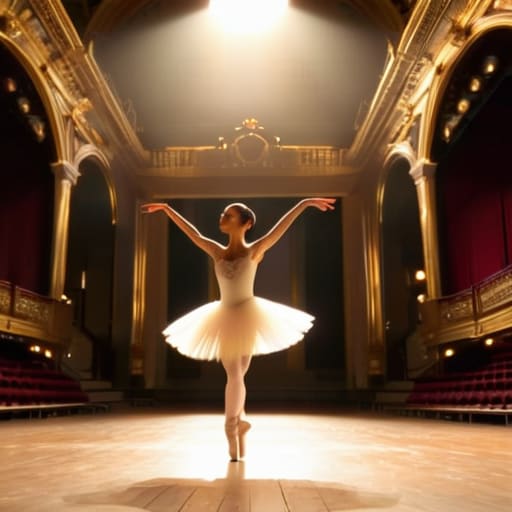
I remember sitting in the back row of a drafty theater in Ann Arbor, the air smelling faintly of floor wax and old velvet, watching a dancer execute a sequence so precise it felt less like movement and more like a silent conversation with gravity. Most people approach classical ballet with a certain kind of apprehension, expecting it to be an elitist, impenetrable ritual reserved for those who can afford the right silk scarf or a seat in the front row. They see the rigid geometry and the high tutus and think it’s all about cold, mechanical perfection. But they’re missing the point entirely.
I’m not here to lecture you on the technical nuances of a grand jeté or the complex lineage of the Imperial Russian style. Instead, I want to pull back the curtain on what actually makes this art form endure. I promise to share the quiet, human truths of classical ballet—the grit behind the grace and the way a single, well-timed movement can make the rest of the world simply fall away. We aren’t looking for spectacle here; we are looking for the soul of the movement.
Table of Contents
Tracing Shadows Through the History of Romantic Ballet
Tracing Shadows Through the History of Romantic Ballet
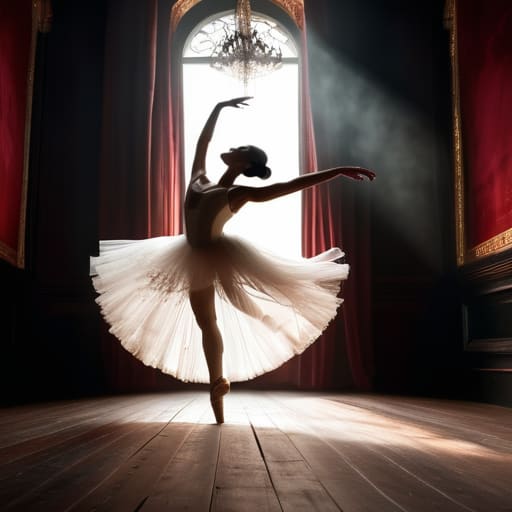
When I look back through the archives of the mid-19th century, I don’t just see dates and names; I see the shift in how we perceive the ethereal. The history of romantic ballet isn’t merely a timeline of performances, but a transition from the rigid, courtly displays of the past toward something much more elusive. It was a period where the stage began to favor the supernatural—sylphs and spirits that seemed to defy gravity. You can almost feel the change in the air of those old theaters, a move away from pure athleticism toward a sense of longing and unrequited love.
This era fundamentally reshaped the evolution of ballet costumes, moving away from heavy, structured garments to the soft, flowing tulle of the romantic tutu. This wasn’t just a stylistic choice; it was a necessity to capture that sense of weightlessness. As a man who spent his life cataloging the tangible, I find it fascinating how these dancers used movement to represent the intangible. They weren’t just performing steps; they were weaving a dreamscape out of light and shadow, leaving us to wonder if they were truly touching the floor at all.
The Quiet Language of Ballet Terminology and Positions
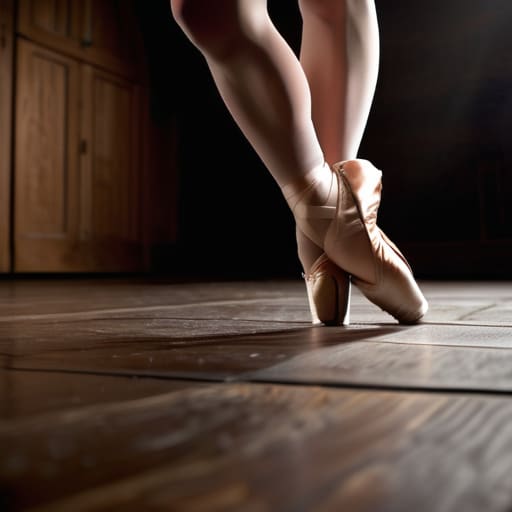
I’ve always found that there is a certain dignity in the way a dancer approaches the floor, a sort of silent conversation between the body and the earth. When you look closely at the ballet terminology and positions, you realize they aren’t just rigid rules or technical hurdles meant to test one’s discipline. Instead, they are a vocabulary of grace. Each plié or tendu feels like a deliberate sentence being spoken in a language that requires no sound to be understood. To the untrained eye, it might look like mere geometry, but to me, it looks like a search for perfect equilibrium.
As I sit in the back of the darkened theater, sketching the lines of a dancer’s silhouette, I am struck by how much intention is packed into a single movement. The principles of pointe work, for instance, aren’t just about defying gravity; they are about the quiet strength required to make the impossible look effortless. It is a beautiful, taxing paradox. There is a profound stillness found within the most complex movements, a reminder that even in a world that demands constant motion, there is immense power in knowing exactly where you stand.
How to Watch the Dance: A Few Notes for the Intentional Observer
- Don’t look for the spectacle; look for the breath. If you watch closely, you’ll see the dancers take a quiet, sharp intake of air right before a leap. It is in those tiny, human moments of preparation that the magic truly lives.
- Let your eyes wander to the periphery. While the soloist is the sun, the corps de ballet provides the atmosphere—the shadows and the movement that make the stage feel like an entire world rather than just a wooden floor.
- Listen to the silence between the notes. In a well-choreographed piece, the music doesn’t just accompany the movement; it breathes with it. Pay attention to how a dancer holds a pose just as the orchestra fades, letting the stillness settle over the room.
- Forget the technical perfection for a moment. You don’t need to know the difference between a tendu and a dégagé to feel the emotion. Instead, ask yourself what the movement is trying to say, rather than how perfectly the foot is pointed.
- Allow yourself to be moved by the lighting. Much like the dim corners of my favorite jazz clubs, the way a spotlight catches the dust or the curve of a limb can change the entire mood of a scene. Watch how the light creates the story as much as the dancers do.
The Quiet Lessons of the Dance
Ballet is less about the spectacle of athleticism and more about the intentionality of every movement, teaching us to find grace in the smallest, most controlled gestures.
To truly appreciate the art, one must look past the bright stage lights and observe the history and the shadows that give the performance its soul.
There is a profound value in slowing down to learn the language of the dancers, allowing us to connect with a tradition that has been preserved through centuries of discipline.
The Weight of a Moment
“In my years spent among dusty archives, I’ve learned that history isn’t just found in ink and parchment; sometimes, it is written in the fleeting tension of a dancer’s fingertips or the way a single leap seems to suspend time itself, just long enough for you to remember how to breathe.”
Petra Lindgren
The Lasting Echo of the Dance
As I sit here in the quiet of my study, looking over my sketches of the stage, I find myself returning to the sheer weight of what we have discussed. We have traveled from the ethereal, misty shadows of the Romantic era to the precise, almost mathematical beauty of the technical vocabulary that governs every movement. It is easy to get lost in the history or the rigid geometry of a perfect arabesque, but to truly understand ballet is to recognize the tension between that strict discipline and the raw, human emotion it seeks to release. It is a delicate balance of structure and soul, a way of organizing chaos into something profoundly graceful.
My advice to you, as you move through your own busy week, is to seek out that same intentionality. You don’t need to be a dancer to appreciate the way a single, well-placed movement can command the silence of a room. In a world that constantly demands we move faster, there is a quiet rebellion in slowing down to witness something that requires such immense patience and poise. Let the music settle in your bones and let the elegance of the performance remind you that some things are worth the wait. After all, the most beautiful moments are often the ones that linger in the stillness long after the curtain has fallen.
Frequently Asked Questions
How does the music change as the dancer moves from the technical precision of the classical era into something more modern and expressive?
It’s like moving from a well-pressed suit into something more fluid and lived-in. In the classical era, the music is a rigid architecture—think Tchaikovsky—where every crescendo meets a precise leap. But as we drift toward the modern, that structure softens. The rhythm becomes less of a metronome and more of a heartbeat. It’s less about counting beats and more about feeling the breath between them, allowing the melody to swell with raw, unscripted emotion.
Is there a way to truly appreciate the nuance of a performance if I don't understand the underlying history of the movements?
You don’t need a degree in dance history to feel the weight of a performance. Think of it like listening to a jazz standard; you don’t need to know the theory to feel the ache in a saxophone solo. Let the movements wash over you first. If a gesture pulls at something inside you, pay attention to that. The history is just the foundation; the emotion is the house you actually live in.
Where can one find those quiet, intimate performances that feel more like a shared secret than a grand spectacle?
You won’t find those moments in the massive, gilded opera houses where the applause feels a bit too rehearsed. Instead, look toward the smaller, independent studios or the fringe festivals that tuck themselves into converted warehouses and old theaters. Seek out the “black box” spaces. There is a certain magic in a room where you can hear the dancers’ breath and the floorboards creak; it turns the performance into something deeply, beautifully private.
