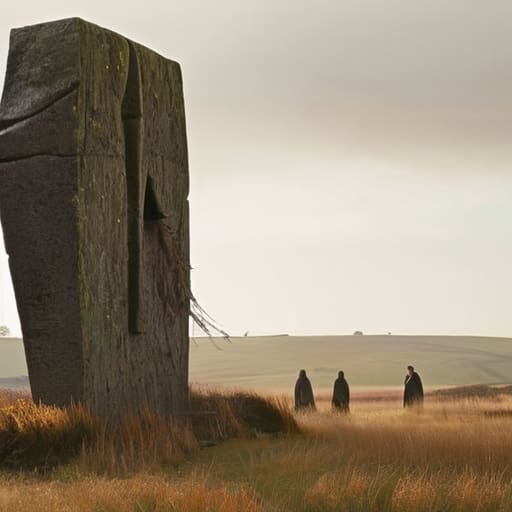
I remember sitting in a cramped, velvet-seated theater back in the late seventies, the air thick with the scent of damp wool and stale tobacco. There was no jump scare to startle me, no loud orchestral swell to tell me I should be afraid; instead, there was just a low, rhythmic humming and the sight of a sun-drenched field that felt wrong in a way I couldn’t quite name. That was my first real encounter with folk horror cinema, and it taught me that the most profound terrors don’t scream at you—they whisper from the shadows of the trees. It’s a quiet, unsettling ache that stays with you long after the credits roll, far more potent than any modern digital spectacle.
I’m not here to give you a clinical breakdown of subgenre tropes or a list of high-budget blockbusters that rely on cheap thrills. Instead, I want to walk you through the films that actually possess a soul—the ones that use landscape, ritual, and the weight of tradition to create something truly haunting. We are going to look past the hype and find the quietly devastating beauty in these stories, focusing on the films that demand you slow down, dim the lights, and truly notice the dread.
Table of Contents
The Landscape as a Character and Its Lingering Shadows
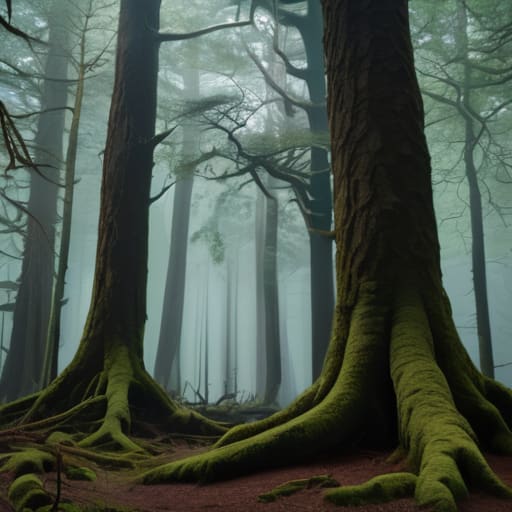
In my years spent cataloging dusty municipal records, I learned that a place always holds onto its secrets, no matter how much we try to pave over them. In this genre, the setting isn’t just a backdrop; it functions as a landscape as a character, breathing with a heavy, silent intent. Whether it’s the jagged cliffs of a coastal village or the suffocating embrace of a dense, ancient forest, the environment feels less like scenery and more like an unblinking eye watching the protagonists stumble through their mistakes.
There is a particular weight to rural isolation in cinema that I find deeply moving, even when it’s meant to unsettle. It’s the feeling of being miles away from the nearest paved road, where the only thing keeping you company is the wind whistling through dead grass. This sense of solitude strips away the modern distractions we usually rely on, leaving us vulnerable to the old, quiet things. When the world shrinks down to just a few acres of untamed earth, you begin to realize that the land doesn’t care about our progress—it only remembers the ancient rhythms that were here long before us.
Ancient Rituals on Screen and the Weight of History
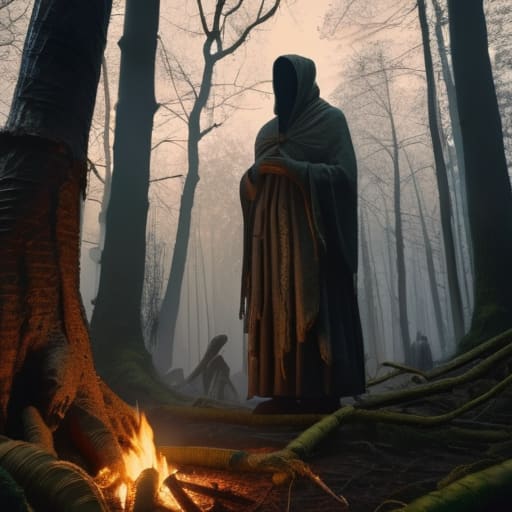
There is a particular kind of heaviness that settles in when a film begins to tap into the old ways. It isn’t just about the scares; it’s the way ancient rituals on screen seem to pull at something primal tucked away in our own DNA. When I watch these films, I don’t just see actors in costumes; I see the terrifying persistence of belief. There is a weight to it—a sense that the modern world, with all its bright lights and certainties, is merely a thin veil stretched over something much older and far more indifferent to our progress.
I often find myself thinking about the folk horror aesthetic and atmosphere that defines this subgenre. It’s found in the rhythmic, almost hypnotic repetition of a ceremony or the unsettling stillness of a crowd that moves as one. It reminds me of the dusty, forgotten ledgers I used to catalog in the archives—records of lives lived by seasons and superstitions rather than clocks and calendars. When a film leans into paganism in horror films, it isn’t just providing a plot point; it is inviting us to confront the idea that some traditions refuse to stay buried, no matter how much we try to outrun them.
How to Listen to the Silence: A Guide to Watching Folk Horror
- Don’t look for the monster in the shadows; look for it in the way the sunlight hits a field of wheat. In folk horror, the dread isn’t in a jump scare, but in the unsettling realization that the landscape itself has been watching you all along.
- Pay attention to the rhythm of the soundscape. The most effective films in this genre don’t rely on heavy orchestral swells, but on the intrusive sounds of nature—the wind through dry grass or a distant, rhythmic drum—that make the silence feel heavy and intentional.
- Watch for the tension between the old ways and the new. There is a profound, quiet terror in seeing modern sensibilities clash with ancient, unyielding traditions. It’s the friction of a person trying to apply logic to a world that only understands ritual.
- Lean into the slow burn. These stories aren’t meant to be consumed like a fast-food meal; they require you to sit with the discomfort. Let the atmosphere settle in your bones. If you find yourself feeling a bit restless or uneasy, the film is doing exactly what it was designed to do.
- Keep an eye on the eyes of the community. Folk horror often thrives on the “uncanny valley” of human behavior—the way a group of villagers might smile just a little too broadly, or how their collective gaze can feel more suffocating than any physical threat.
The Echoes That Remain
Folk horror succeeds when it moves beyond mere jumpscares, instead cultivating a quiet, atmospheric dread that lives in the periphery of your vision long after the film ends.
The genre reminds us that history is never truly buried; it breathes through the landscape and the ancient, unyielding rituals that continue to shape our modern shadows.
To truly experience these films, one must embrace the slow burn, allowing the tension to settle like dust in an old archive, finding beauty in the unsettling connection between man and the earth.
The Echo of the Unseen
“Folk horror isn’t really about the monsters in the woods; it’s about that sudden, cold realization that the earth beneath our feet has a much longer memory than we do, and it doesn’t particularly care for our modern ways.”
Petra Lindgren
The Echoes That Remain
When we step away from the screen, we realize that folk horror isn’t merely about the jump scares or the frightening imagery of a pagan rite. It is about the realization that the earth beneath our feet holds more memory than we care to admit. We’ve seen how the landscape can turn from a sanctuary into a predator, and how the weight of ancient, unyielding traditions can crush the modern spirit. These films remind us that history is never truly buried; it simply waits in the tall grass or the quiet corners of a village, ready to assert its presence when the light begins to fade.
I often find myself sitting in the quiet of my study after a long evening of watching these shadows unfold, wondering why such darkness feels so deeply resonant. Perhaps it is because, in our rush toward a polished and predictable future, we have forgotten how to respect the unseen mysteries of the past. I encourage you, the next time you find yourself drawn to these unsettling tales, don’t just watch for the fright. Watch for the texture of the world they build. Let the chill settle in. After all, there is a certain kind of grace in acknowledging that some things are meant to remain unexplained.
Frequently Asked Questions
Is there a specific difference between the atmospheric dread of folk horror and the more visceral jump-scares found in modern slashers?
It’s the difference between a sudden sting and a slow-growing fever. A slasher relies on the sharp, adrenaline-fueled shock of the moment—a jump-scare that makes you gasp and then, quite quickly, lets you breathe again. But folk horror? That’s a different beast entirely. It’s an atmospheric dread that settles into your bones. It doesn’t shout at you; it whispers, building a quiet, heavy tension that lingers long after the screen goes dark.
How much does the actual historical accuracy of the rituals depicted matter, or is it more about the feeling of something ancient being awakened?
To be honest, I couldn’t care less if the ritual follows a textbook precisely. As an archivist, I know that history is often messy and lost to time. In film, it’s the atmosphere that counts—that heavy, primal sense that something old and indifferent has finally woken up. It isn’t about academic accuracy; it’s about that visceral chill when you realize the modern world is just a thin veil over something much older.
Are there certain landscapes or types of natural settings that inherently lend themselves better to this kind of storytelling?
It’s rarely about the specific geography and more about the isolation. I’ve always found that landscapes which feel indifferent to human presence—vast, ancient moorlands or dense, claustrophobic forests—work best. There is a particular tension in a setting that feels like it was there long before us and will remain long after we’re gone. When the earth itself seems to be watching, you don’t need much more to tell a story.
